Blog

A massage gun is a percussive vibration therapy device that acts on muscle tissue with rapid, repeated tapping movements. Its name comes from the English word “percussion” – and the principle is indeed similar to that of a percussion instrument. The moving head can strike the muscle up to 50 times per second, penetrating the tissues with an amplitude of 5-10 mm.
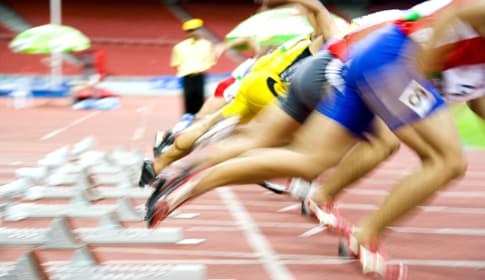
If you exercise – whether you are an amateur runner, cyclist or competitive athlete – you know how important effective breathing is. A well-functioning respiratory system delivers more oxygen to the muscles, improves endurance and speeds recovery. Salt therapy (halotherapy) is a simple, natural method that may help optimise your airways – before and after training, and on rest days too.

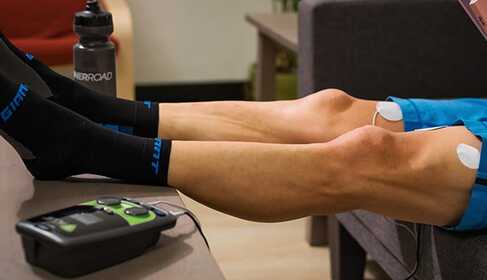
Neuromuscular electrical stimulation (NMES) uses electrical impulses to elicit muscle contractions and is primarily applied in rehabilitation settings to improve motor function, prevent muscle atrophy, and enhance overall physical performance. NMES activates muscles either directly at motor neurons or indirectly via the nerves supplying the muscle groups. This technique has gained ground in many clinical applications, especially in the rehabilitation of patients recovering from stroke, chronic obstructive pulmonary disease (COPD), and other neuromuscular disorders.

Hungarian sports results have been steadily declining; the top ranks are getting farther away in most sports. I believe the main reason is outdated training methods and the lack of following modern approaches. You can read about this in this article. In Hungary the persistent belief (held by coaches and athletes alike) is that simply training a lot is enough. However, this concept has been outdated for years.
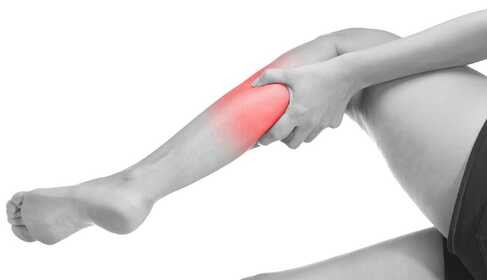
A muscle cramp is a sudden, involuntary, painful contraction of a muscle that lasts seconds to minutes and most commonly affects the calf at night.

Most people know only that during running and other sports you must breathe more than at rest, because intense movement requires more air. By improving breathing you can achieve greater oxygenation at the cellular level, which then leads to increased vitality, more muscle building, better recovery, a stronger immune system, reduced need for sleep, and reduced appetite (good news for those dieting). […]
Among domestic athletes the stubborn belief persists that “you must train a lot and hard — nothing else is needed.” Many think the more they train, the more they improve! Those who do not understand how the human body works and how it responds to load may agree with them. In reality, however, this is not the case at all! During training destructive processes dominate in your body, which make improvement impossible. The effect of training does not take place immediately during the session, but afterwards, during rest. This process — regeneration — restores the stores “worn down” by training, heals torn fibers, clears metabolites and builds stronger tissue in their place. It has been proven that the correct balance of quality training and effective regeneration is the key to progress.
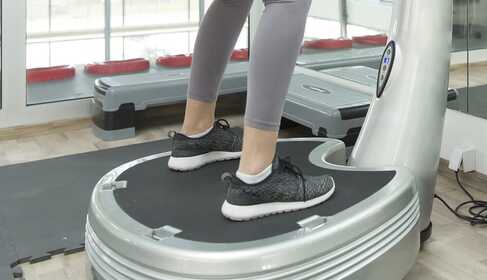
Vibration trainers are very popular because they can work the muscles thoroughly in a short time with almost no sweating. They are excellent at any age, and regular vibration training is especially beneficial for older adults. But when should they not be used? In recent times several research groups have examined the effects and contraindications of whole-body vibration therapy. I wrote about the favorable effects on health in a previous article, and now I have summarized the contraindications.

“I read about electrical stimulation and would like some advice. I'm a bodybuilder and my primary goals are increasing muscle mass and relaxing the muscles. Please help me choose a device.” I received this question recently. I think many people might be interested in my answer, so I'm sharing it.
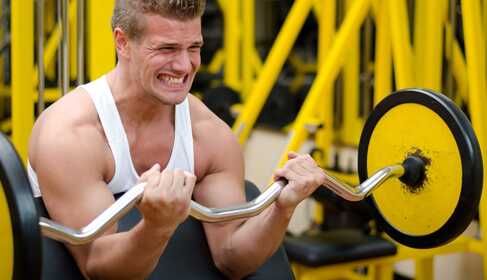
I previously wrote about the importance of muscle fiber ratio for sports performance. Now I'll explain how you can simply assess which fibers you have. Although these methods do not give an exact percentage result but rather an estimated value, this is sufficient for planning your training. The precise determination of muscle fiber ratio can only be done by analyzing a piece of muscle tissue taken from the muscle (e.g., surgically excised) — which is why this type of examination is performed only very rarely and, of course, most athletes do not need it. At most, it can be important for top athletes aiming to maximize performance.
If you exercise, you know how much tiring work it takes to build muscle and to increase strength and endurance. You also know how quickly a few weeks without training can worsen these. Two to three weeks off and half a year of work can be lost. Gyms, pools and sports halls close. For now you can still run or cycle outdoors, but based on the news from Italy you may only be able to do that for a few more weeks. After that you will be confined between four walls and can only train at home. In such a situation it is worth considering acquiring a sports muscle stimulation device. It will be useful for maintaining muscle condition.