Blog
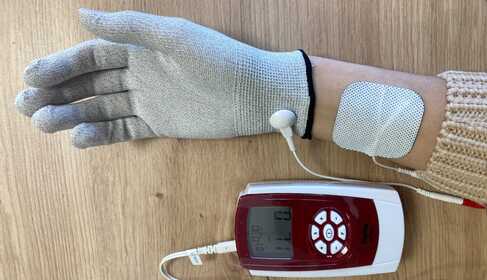
Peripheral neuropathy is damage to peripheral nerve fibers that causes sensory disturbances and balance problems with instability. Its main symptoms are tingling, numbness, burning sensations and a vibration-like feeling. Pain often worsens at night, and touching the affected area or even temperature changes can increase it. Neuropathy is not currently curable, but symptom relief — although limited — is possible.
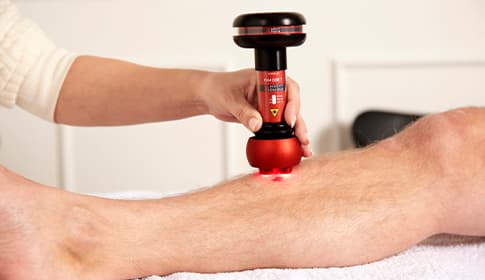
There has been a gaping wound on your lower leg for months, and it simply refuses to heal. You dress it, care for it, visit the doctor – and still it does not go away. If this sounds familiar, you are not alone. A leg ulcer is one of the most stubborn forms of chronic wound and can dramatically reduce quality of life. The good news is that soft laser therapy may give healing a new boost. Another home-based option is electrical muscle stimulation (EMS/FES) – for a detailed protocol, see: Treating leg ulcers with electrical muscle stimulation.
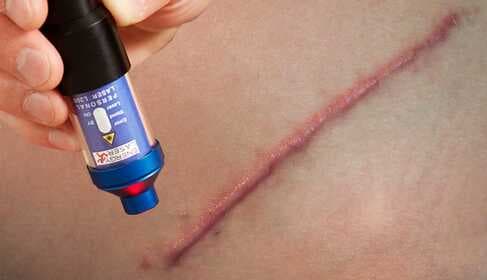
If you have a bothersome scar or keloid on your skin – whether it developed after surgery, an injury or acne – soft laser therapy may help. It will not remove the scar, but research suggests it may favourably influence the quality of scar tissue: it may become softer, flatter and paler. In this article, I’ll show you how the treatment works and what you can expect.
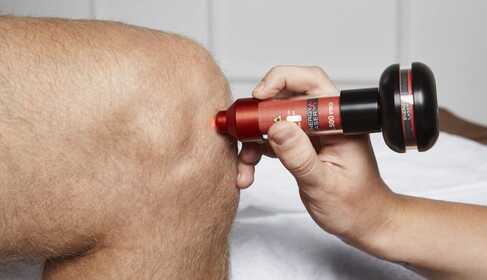
A soft laser device does not cut, burn or cause pain. Instead, it may support tissue regeneration. Its name (that is, “soft laser” or “low-level laser therapy”) refers to a gentle laser beam with a low energy level. In scientific circles, the method is called photobiomodulation and has already been studied for several decades.
The first research began in the 1960s, when Endre Mester, a Hungarian physician and researcher, accidentally discovered that low-energy laser light may have a beneficial effect on tissue regeneration. Since then, thousands of scientific studies have examined the effects of the method, and soft laser therapy is now used worldwide in modern medicine.1
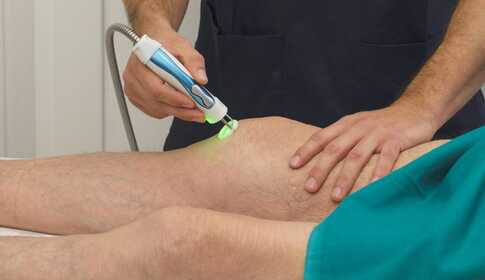
Joint inflammation, or arthritis, is one of the most common musculoskeletal conditions. If it affects you, you know how agonizing the pain, stiffness and swelling can be. Anti-inflammatory drugs can help, but long-term use may come with side effects. What if there were a side-effect-free method you could use at home to support your recovery? Soft laser therapy – also known as photobiomodulation – may offer exactly that.
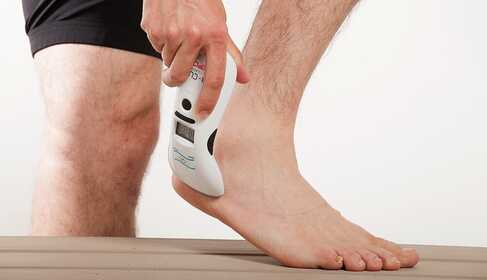
You get out of bed in the morning, and as soon as you put your foot on the floor, a sharp, stabbing pain shoots into your heel. It feels like stepping on a pin cushion. After a few steps it eases a little, but it returns again and again during the day. If this sounds familiar, you likely have plantar fasciitis or a heel spur — and low-level laser therapy can help.
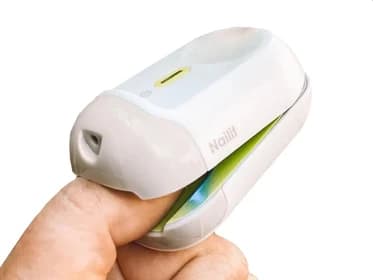
Yellowing, thickening, brittle nails – if this sounds familiar, you are probably dealing with nail fungus (onychomycosis). It is one of the most stubborn fungal infections: conventional treatments take months, while oral antifungal medicines may cause liver-damaging side effects. Laser treatment has emerged as a new alternative – but does it really work? In this article, I summarise what scientific research tells us.
If you have ever experienced that lightning-like, agonizing pain in your face that strikes out of nowhere – triggered by eating, speaking, or even a light breeze – you know how helpless trigeminal neuralgia can make you feel. This condition is one of the most intense pain experiences a person can endure. The good news: softlaser therapy can provide an effective, drug-free means to ease your symptoms.
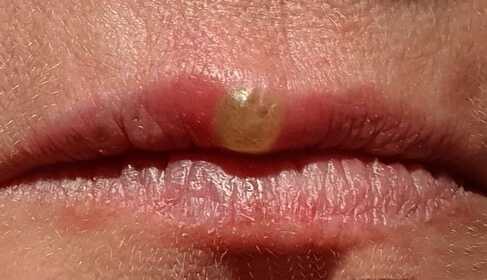
In this article, I present a real case study documented with photographs: how herpes symptoms changed during soft laser treatment. If you are looking for comprehensive information about soft laser treatment for herpes, read our detailed guide, Soft laser treatment for herpes – Home therapy.
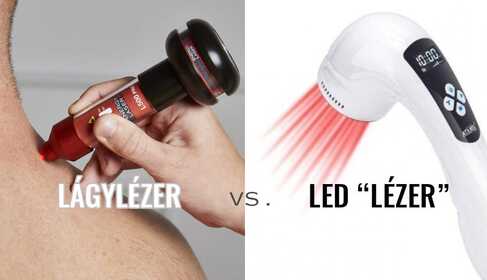
Many companies shamelessly lie about products marketed for medical use. Trading companies use ruthless advertising campaigns to foist devices on unsuspecting buyers that are not suitable for the purposes they're promoted for. Nowadays — because of their effectiveness — soft laser devices are increasingly popular. However, their price is quite high. That attracted hyenas who sell colorful LED lamps as "lasers". You might think light is light... but LED and diode laser are about as similar as a plastic pedal car and a Mercedes. I'll explain!
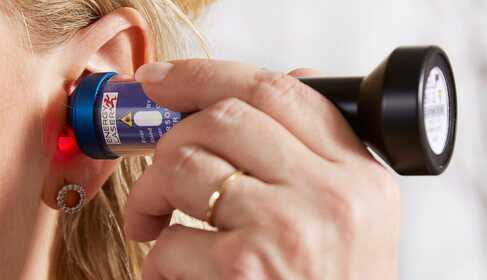
Ringing, buzzing, humming, hissing — or perhaps a sound pulsing in time with your heartbeat — that only you can hear because there is no external source. This is tinnitus. It is very common: 10–15% of adults experience it in some form, and in 1–2% of cases it interferes with everyday life — sleep, concentration and emotional balance — to such an extent that treatment is needed.