Blog
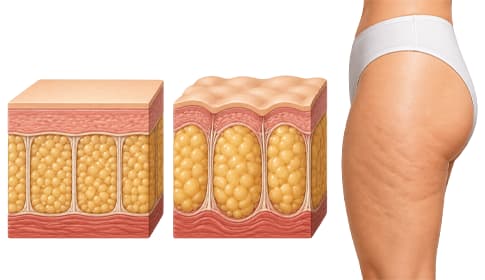
You probably know the sight: dimpled, orange-peel-like skin on the inner thighs, buttocks or around the abdomen, which neither exercise nor a strict diet can completely remove. This is cellulite – officially known as gynoid lipodystrophy – and it is not exclusively related to body weight, nor is it merely an aesthetic nuisance.

Cellulite is an aesthetic problem that—although not life‑threatening—affects millions of women. It is essentially a weakness of the connective tissue. If you notice cellulite on your thigh or buttock, waste products have accumulated in the dermal layer of your skin. They draw water from the surrounding tissues, producing a lumpy surface that resembles orange peel.
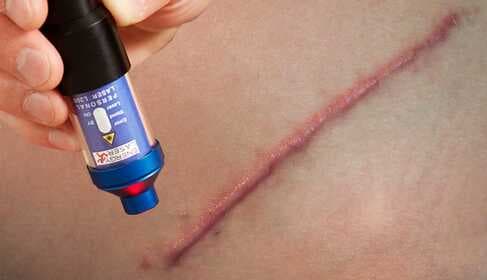
If you have a bothersome scar or keloid on your skin – whether it developed after surgery, an injury or acne – soft laser therapy may help. It will not remove the scar, but research suggests it may favourably influence the quality of scar tissue: it may become softer, flatter and paler. In this article, I’ll show you how the treatment works and what you can expect.

You’ve probably experienced how embarrassing it feels when you shake someone’s hand and your palm is soaking wet. Or when your shirt becomes wet under the arms during an important meeting, even though you haven’t been moving. Perhaps your foot slips out of your slipper because the sole is wet. If this sounds familiar, you have hyperhidrosis – excessive sweating – and you’re not alone. Around 2–3% of adults live with this condition.
The good news is that an effective solution is now available for home use: tap water iontophoresis. In this guide, you’ll learn everything about this treatment – how it works, what scientific evidence supports it, how it compares with other treatment methods, and how you can start using it at home.
You’ll find a detailed clinical introduction to the method, its mechanism of action and the latest evidence from 2020 onwards in the comprehensive guide to iontophoresis treatment.
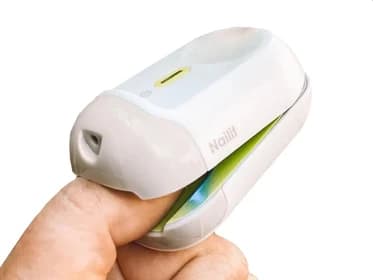
Yellowing, thickening, brittle nails – if this sounds familiar, you are probably dealing with nail fungus (onychomycosis). It is one of the most stubborn fungal infections: conventional treatments take months, while oral antifungal medicines may cause liver-damaging side effects. Laser treatment has emerged as a new alternative – but does it really work? In this article, I summarise what scientific research tells us.
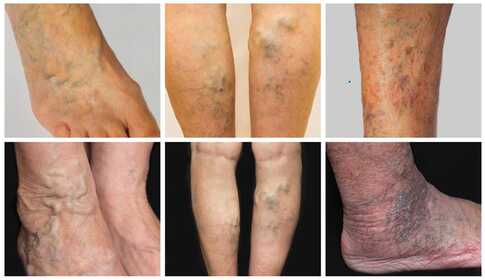
A leg ulcer is an open wound on the leg that does not heal, or heals only very slowly. In 80–90% of cases, it develops as a result of varicose vein disease and/or diabetes; a smaller proportion has an arterial origin. The skin becomes thin and a shallow “hollow” forms. Healing is extremely slow – and even when it does heal, the ulcer tends to recur. You can read many articles about this, but they rarely mention what you can do at home to support improvement. In this article, I present the muscle-stimulator (EMS/FES) protocol.
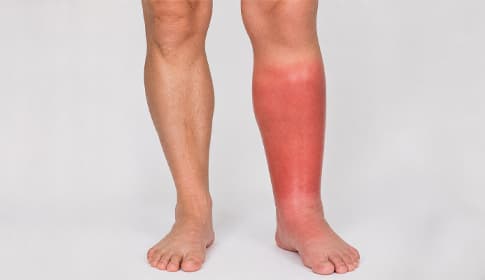
Erysipelas, also known as orbánc, is a bacterial skin infection that typically affects the face, legs, arms or other skin areas. The most common pathogen is the bacterium Streptococcus pyogenes, which enters through breaks in the skin and causes the infection.

Those who visit beauticians are probably familiar with various electrical face and skin treatments – for increasing firmness and improving the feeling of hydration. You can't expect dramatic results from a single such treatment, and visiting a beautician daily is unrealistic for most. This is where the Globus devices' G-Pulse programs come in: cosmetologist-developed microcurrent treatment protocols designed for home use, suitable for continuous use over weeks or months with a few minutes of daily treatments.
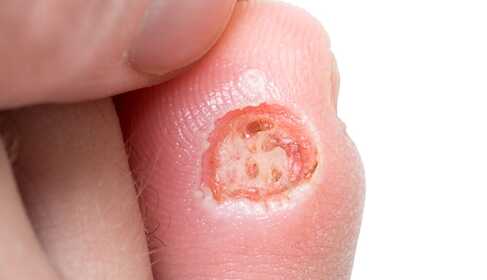
One of the most feared complications of diabetes mellitus is the diabetic foot (also called the diabetes-related foot), which at first appears as pain and sensory disturbances but can lead to much more serious consequences over time. Due to worsening circulation, tissues can die in small areas and a skin wound (ulcer) can form. If the process progresses, tissue death may extend to the toes and even the foot. Treating the diabetic foot and avoiding serious outcomes largely depends on you — on what and how much you eat, how much you exercise, and whether you follow medical instructions.

“Dark circles under the eyes” means dark discoloration of the skin around and especially under the eyes. It is usually a bilateral phenomenon. It should be distinguished from a change affecting only one eye area. Such a change can be caused, for example, by injury and bruising or by redness and swelling due to an infection of one eye. Dark circles can be purplish, bluish, dark brown or black in shade. This strongly depends on the skin's baseline color […]
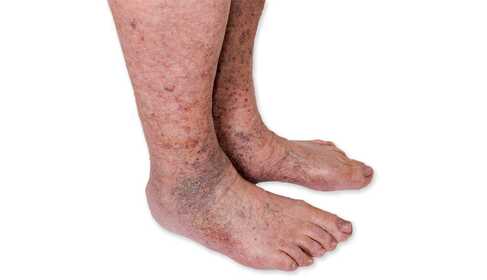
A reddish-brown spot appearing on the shin above the ankle, or a larger area of discoloration, is a common finding. A symptom that calls attention to impaired venous circulation in the lower limb. In medical records the spot is referred to as a “hemosiderin deposition.” Let’s review what causes it, what it indicates, how it can be prevented — and whether it can be treated.