Blog

A stroke is a medical emergency that can only be treated in hospital. Even after life-saving interventions have stabilised your condition, you will usually spend only a few days — or, in the best case, a few weeks — in hospital.
You are discharged, even though your limbs do not move, you cannot speak or swallow properly, and you cannot look after yourself. Your family is left helpless because no one has explained exactly what comes next. This article aims to fill that gap.
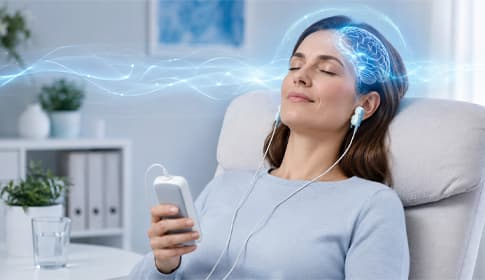
A cranial electrotherapy stimulation (CES) — in Hungarian, cranial electrotherapeutic stimulation — is a non-invasive, low-intensity electrical neuromodulation typically applied to the ear lobe, forehead, or temple area. The method has historical roots in the 1950s; its modern form was cleared by the US FDA in 1979 — its traditional main indications are the treatment of insomnia, anxiety and depression.
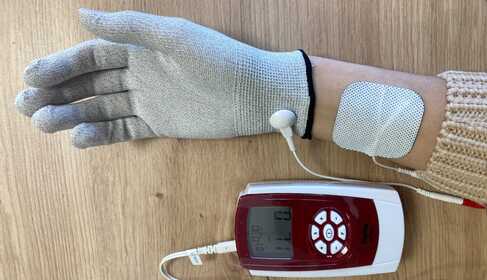
Peripheral neuropathy is damage to peripheral nerve fibers that causes sensory disturbances and balance problems with instability. Its main symptoms are tingling, numbness, burning sensations and a vibration-like feeling. Pain often worsens at night, and touching the affected area or even temperature changes can increase it. Neuropathy is not currently curable, but symptom relief — although limited — is possible.
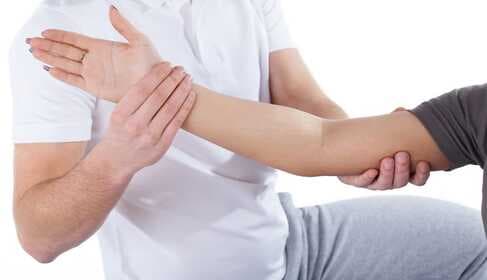
If you live with spasticity, you know how frustrating it feels when your muscles simply won’t obey. They tighten, stiffen, and contract spasmodically — as if your own body were turning against you. Walking becomes difficult and everyday movements a challenge. And perhaps worst of all: you may feel helpless and at the mercy of this condition.
However, spasticity is not immutable. Neurorehabilitation has advanced considerably in recent decades, and there are methods that can be applied at home to help reduce muscle tension and regain control of movement. One of these is NMES (neuromuscular electrical stimulation) therapy.
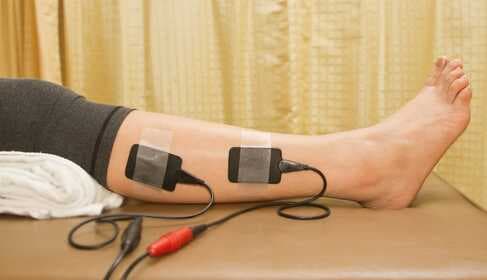
Peroneal nerve palsy can result from damage to either the central or peripheral nervous system, although peripheral causes are more common. The condition mainly affects the common peroneal nerve, which branches off the sciatic nerve and runs around the fibular head, making it particularly vulnerable because of its superficial position and anatomical course.

If you have been diagnosed with facioscapulohumeral muscular dystrophy (FSHD), you probably have many questions. In this article you will find almost all the important information about the disease, its symptoms and treatment options. What is FSHD muscular dystrophy? Facioscapulohumeral (FSHD) muscular dystrophy is an inherited muscle disease that primarily affects the muscles of your face, shoulder and upper arm. The disease […]
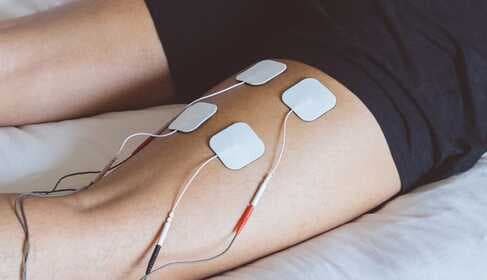
Neuromuscular electrical stimulation (NMES) has earned significant recognition as a valuable therapeutic approach in the rehabilitation of people living with multiple sclerosis (MS). MS is a chronic autoimmune disease characterized by demyelination of nerve fibers in the central nervous system. This literature review provides a detailed examination of NMES, with particular attention to how it works, its physiological effects, its role in rehabilitation, and how it can improve the quality of life for those with MS.
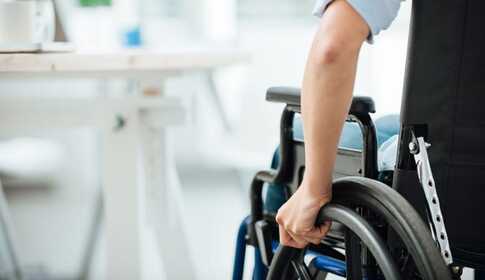
ALS, or amyotrophic lateral sclerosis, is a slowly progressing disease caused by the gradual destruction of the nerve cells that run to the muscles under voluntary control (motor nerves). The disease usually starts in the limb muscles furthest from the trunk and gradually spreads towards the centre. Muscle strength decreases, then the muscles begin to waste away (atrophy), and paralysis eventually develops. This leads to loss of movement, bladder and bowel control, as well as increasing muscle stiffness (spasticity), contractures (shortening of the tendons) and the pain caused by these changes. Quality of life is determined by the progression of muscle weakness.
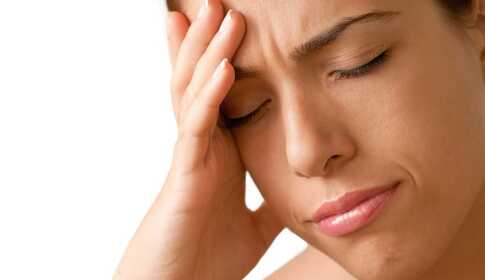
If you have ever experienced that lightning-like, agonizing pain in your face that strikes out of nowhere – triggered by eating, speaking, or even a light breeze – you know how helpless trigeminal neuralgia can make you feel. This condition is one of the most intense pain experiences a person can endure. The good news: softlaser therapy can provide an effective, drug-free means to ease your symptoms.

Modern lifestyle factors — chronic stress, sedentary work, sleep disturbance, sensory overload — cause sympathetic dominance of the autonomic nervous system in many people. Increasing the parasympathetic tone — for example with non-invasive vagus nerve stimulation (tVNS) — is the subject of an increasing number of recent clinical trials investigating how it may contribute to the treatment of chronic, inflammatory and autonomic-origin complaints. In this guide we review where the clinical evidence is strong, where results look promising, and where cautious wording is still required.
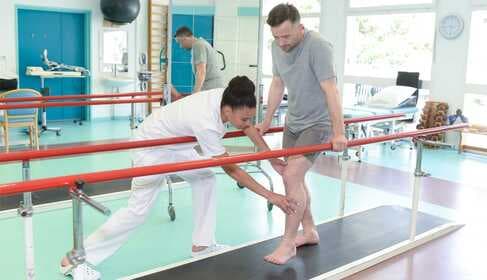
A nerve is a “communication cable” in your body. It carries information from the body to the brain and back, from the brain to the body. Nerves transmit both sensory and motor impulses. Impulses sensing touch, pressure, temperature and body position travel towards the brain, while motor signals travel towards the muscles. Nerve damage can therefore cause impaired, reduced or even completely lost sensation or movement.