Blog
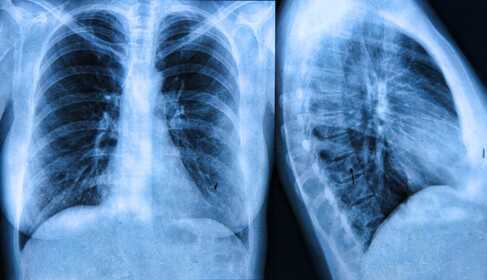
If you see a doctor or go to emergency care for chest pain, trauma or shortness of breath, a chest X‑ray is usually taken (often along with other tests such as an ECG). X‑ray is an imaging method that is typically one of the first diagnostic tests used to clarify diseases affecting the chest. I wrote about why it is done and what can be seen on it.

The exercise ECG test examines the condition of your heart. On a bicycle or treadmill ergometer you are subjected to gradually increasing workload (that is, you are expected to walk/run faster or pedal faster) while your heart's electrical activity and your blood pressure are recorded. Diagnostic conclusions are drawn after analyzing the data. During a resting ECG examination the heart's resting [...]
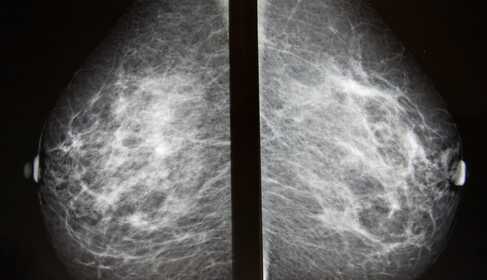
Regular participation in screening examinations could prevent a large proportion of breast cancer, which is a leading cancer among women aged 45 to 65. In addition, 'self-examination' can also play an important role in reducing the number of women who die from breast cancer. Imaging tests, such as breast ultrasound and mammography, can help early [...]
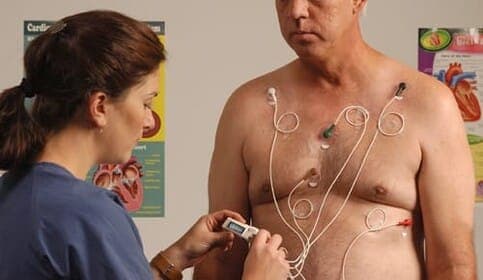
Diagnosing certain heart conditions can be challenging. This is especially true for those that occur only occasionally, at unpredictable times, come on suddenly and last for a short time. Examples include some arrhythmias or transient reductions in myocardial blood supply. Often, by the time you see a doctor and an ECG is taken, the heart may have returned to normal and no abnormality is visible. If such episodes recur, a Holter ECG test can help "catch" and identify the problem.
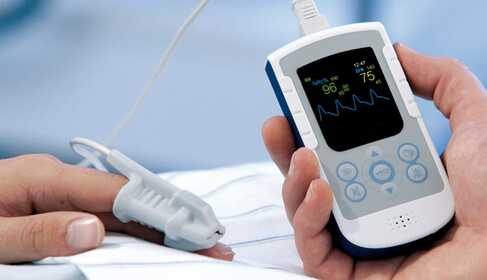
Regular at-home monitoring of the blood's oxygen-carrying capacity and condition is necessary in heart and respiratory diseases and in anemia. A pulse oximeter device provides this.

Electromyography (abbreviated EMG) is a diagnostic procedure for examining muscles and the nerves (motor neurons) that supply them. EMG results can reveal dysfunctions of nerves and muscles or problems with nerve-to-muscle signal transmission.

Have you been struggling with excess weight for years? Do you lose weight only to regain what you lost? Do you try one diet after another? Do you punish yourself but have no idea whether what you are doing is effective?
If so, I will show you a device that can give you an accurate picture of your current metabolism — whether you are burning fat or not. Knowing this is a great help when composing and timing your diet. A special device, Lumen.me, can help you with this.
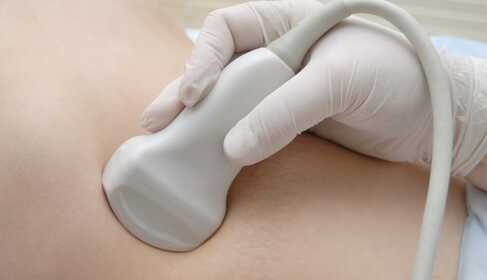
Diagnostic ultrasound, also called sonography or diagnostic medical sonography, is an imaging method that uses high-frequency sound waves to create images of structures inside the body. With the widespread availability of ultrasound devices, ultrasound examinations have become an important tool in detecting diseases, as they are easily accessible to many people today. It is one of the first-choice diagnostic methods and can provide a definitive diagnosis.
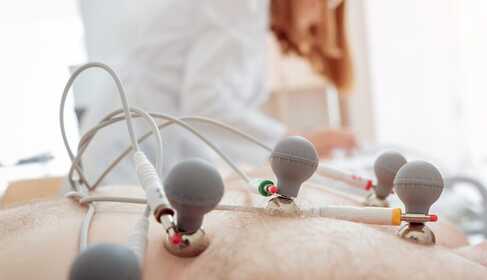
I have written before that one important sign of how your body works is its electrical activity. Body processes are controlled by electrical impulses, so the functioning of your brain and your heart is largely governed by electricity. Electrocardiography records the electrical activity of your heart; it is performed with an ECG (electrocardiograph) device.

A large proportion of diseases do not develop in a single moment, but rather through a slow process that can take years. It may happen that during this time you notice no symptoms. In this early (so‑called preclinical) stage the disease can still be eradicated and the process stopped. If the disease is not detected and is only noticed when symptoms appear, interventions are usually too late and often there is no possibility to reverse the process. A screening test is a procedure suitable for detecting signs indicative of disease in the early, still asymptomatic phase.

If you've ever watched someone measure their blood pressure, you might think there's nothing to it. That's not always the case. Knowing a few basic rules can help prevent inaccurate readings that could lead to a wrong diagnosis or unnecessary or inappropriate treatment.