Blog

Arm swelling after breast cancer treatment – internationally referred to as BCRL (breast cancer-related lymphedema) – is one of the most common long-term complications for patients treated for breast cancer. Clinical practice shows that 20–30% of women who have undergone breast cancer treatment will develop upper-limb lymphedema during their lives – so almost every third survivor. The risk persists for years after surgery and often first appears 2–10 years later.

Radiotherapy – also known as radiation therapy – is one of the main treatments for cancer. It uses high-energy ionising radiation to damage the DNA of cancer cells and prevent them from dividing and growing. Modern radiotherapy is precise: it concentrates radiation on the target area while sparing the surrounding healthy tissues as much as possible. This is achieved with imaging techniques (CT, MRI), 3D planning and intensity-modulated radiotherapy (IMRT, VMAT) techniques.

It has surely occurred in your family, among acquaintances, or coworkers: a malignant tumor, that is, cancer. You also know that even today there is not always a curative method for cancer and it claims many victims. There are many things already proven by science to cause cancer. Even more are suspected of contributing to its development, and countless others are suspected. But one can never say in a given case which factors initiated the pathological process. Science records numerous risk factors whose awareness can help prevent and avoid tumors. In this article I go through these.
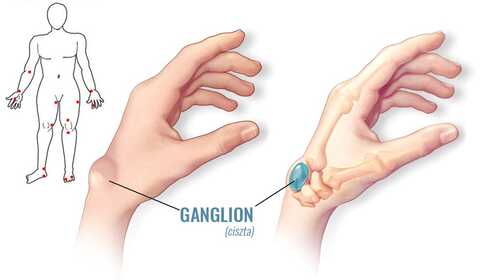
A ganglion cyst is a lump that appears on the hand or foot and is often painful. Despite its alarming appearance, it is usually nothing to fear because it is benign. Due to the symptoms and the disturbing appearance, patients most often choose removal surgery. Postoperative rehabilitation plays a key role in restoring movement. I write now about the important things you should know.
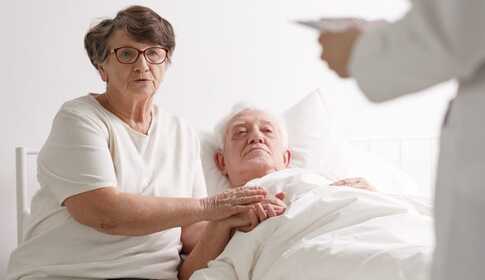
Electrotherapy — TENS, EMS, microcurrent, interferential therapy or iontophoresis — is generally well tolerated in clinical practice and serves as an adjunctive analgesic and rehabilitative modality. Users living with cancer, however, often ask: is treatment safe when the medical history includes a malignant tumor?
The number of cancer patients worldwide is increasing. Some pessimistic estimates suggest that nearly 40% of men and women in developed countries will be diagnosed with cancer during their lifetime. (1) Although there are continual new discoveries in cancer research, treatments and potential cures, reality still shows the same trend — cancer is becoming more common and your risk is high […]