Blog
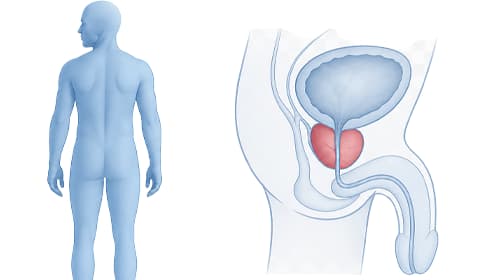
If you have undergone a prostatectomy — that is, prostate surgery — you have likely noticed changes in your erections after the procedure. This is not your fault, nor is it necessarily permanent or unchangeable. It is the consequence of a biological process that can be influenced.
Here are the important things to know!

Erectile dysfunction (erectile disorder) — commonly called “impotence” — is a frequent problem affecting men. It occurs when, despite sexual desire (libido), sufficient penile rigidity does not develop, or an erection occurs but its firmness or duration is reduced. This can make intercourse difficult or impossible, significantly lowering the pleasure and quality of sexual relations. This article reviews its background, prevention, and drug-free treatment options.

Peyronie's disease is a condition affecting the penis: hard lumps develop in the penis and cause increasing curvature. It is painful in some cases, and in an advanced stage it may make sexual intercourse difficult or impossible. Despite this, only a small proportion of those affected seek medical help – often because of embarrassment. If you notice such symptoms, see a doctor: a urologist or andrologist is the appropriate specialist. The sooner you start treatment, the greater the chance that progression can be stopped and symptoms reduced. Read the details!
Impotence is undoubtedly one of those conditions men would like to avoid as much as possible during their lives; nevertheless, medical surveys show that today every second man over the age of 30 struggles with erectile problems. What can lie behind sexual dysfunction, how can it be prevented, and if it has already appeared — how can this problem be treated?