Obesity and Overweight: Is This the Hungarian Beauty Ideal?
Obesity in Hungary affects 65 percent of the adult population. Sixty-two percent of women and 67 percent of men—altogether roughly 5 million people—are considered overweight or obese. These data emerged from the national survey on nutrition and nutritional status.

The representative survey showed that the proportion of obesity increases with age. More than one-third of young women, two-thirds of middle-aged women, and over three-quarters of the elderly struggle with overweight. Among men, two-fifths of young men, three-quarters of middle-aged men, and more than four-fifths of the elderly are overweight or obese, according to a statement sent to MTI by the National Institute of Pharmacy and Nutrition (OÉTI).
Waist circumference: an important measure of obesity
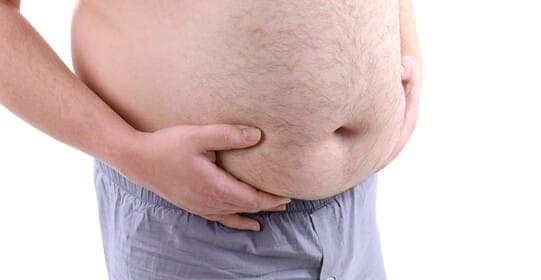
One characteristic of nutritional status is waist circumference. It is a fact that when waist circumference exceeds 88 cm in women and 102 cm in men, the risk of developing cardiovascular diseases rises significantly.
According to the 2014 survey, the average adult Hungarian woman had a waist circumference of 91 cm, and an average man 98 cm. While values measured in young people fall within the normal range, an average middle-aged woman already counts as abdominally obese. There is a sharp increase among middle-aged people. Hungarian women aged 35–64 have, on average, an 11 cm larger waist circumference, and Hungarian men 13 cm more. Above 65 years, an additional 7 cm is added for women and 4 cm for men.
After the 1980s in Hungary, the proportion of thin and normal-weight individuals decreased from 45 percent to 35 percent, meaning the share of overweight and obese people has risen. While only 16 percent of adults were obese in 1988, by 2014 that proportion had doubled. Today, one in three adults is obese and one is overweight.
The aim of the survey was to learn about adults' dietary habits and nutrient intake, and to determine—through repeated measurements—the prevalence of overweight, undernutrition and abdominal obesity, in order to track their changes over time.
The statement notes that the health status of Hungarians is worse compared to that of many other European countries. Lifestyle plays a very important role in health. Nutrition is highlighted as significant in maintaining a healthy body weight.
Obesity could be prevented with a healthy lifestyle
- almost three-quarters of cardiovascular diseases,
- one-third of cancers,
- and the length of healthy, disease-free life would be extended.
Source: MTI