
 Chronic disease: who can you expect to improve your condition?
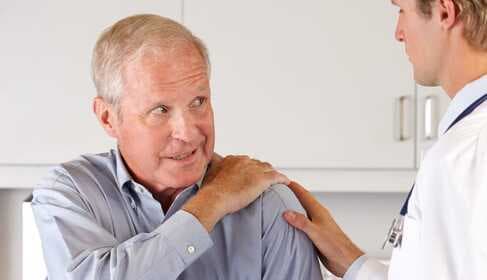
As a doctor, I saw the same scene for years: the patient explains their complaints and waits for me to “put things right” and restore the health they have lost. They receive medicine, I explain what they need to do (lose weight, move more, reduce smoking and alcohol consumption, etc.), and they also receive a follow-up appointment — then a year later they are sitting in the same place, only in a worse condition. Not because I did something wrong, but because they took the medicine while ignoring everything else.
Chronic disease involves a different division of roles than, for example, appendicitis, a fracture, an infection or a heart attack. In those cases, the doctor and therapists are the main actors and deal with the problem.
With chronic disease, however, the doctor is more like a coach. They do not run onto the pitch. They make the diagnosis, prescribe the medicine and explain the tactics you need to follow, but you are the one who runs onto that pitch every day. This article shows why lifestyle change and your active participation are the key to recovery in chronic disease. I will also explain how to start in a way that lets you see measurable results after three months.
 Key idea
The vast majority of chronic diseases develop over years or decades as a result of lifestyle factors — including diet, lack of exercise, persistent stress, lack of sleep, smoking and alcohol. Medicine cannot eliminate these causes. A tablet does not move for you, sleep for you or choose healthy food for you. The old medical saying still applies: medicus curat, natura sanat — the doctor treats, nature heals. Your job is to give “nature” — your body’s self-healing processes — the conditions it needs.
 How does lifestyle become disease — and why is medicine not enough?
Three connections are worth understanding. Without them, chronic disease seems like an incomprehensible and unfair blow; with them, it becomes a manageable process. Click the tabs:
Chronic disease does not appear overnight. Insulin resistance lasts for years before type 2 diabetes develops; plaque builds up in the artery wall for decades before a heart attack; cartilage wears down for twenty years before a knee replacement is needed. Meanwhile, the body adapts and compensates — which is why there are no symptoms. The first signs (fatigue, rising blood pressure, worsening laboratory results, a joint that “hurts only in the morning”) already indicate that compensation is becoming exhausted.
This is both bad news and good news: bad, because by the time it hurts, the process is already old; good, because the same slowness also works in reverse — the body responds to positive change too, and it is never too late for that. Stopping smoking and starting to exercise can produce measurable changes even at 60 or 70.
Chronic diseases rarely come alone. The processes reinforce one another and worsen the condition.
A typical “cascade”: lack of exercise weakens the muscles → weak core muscles cause lower back pain → pain leads to even less movement → body weight increases → excess weight loads the knee and damages the joints → high blood pressure and elevated blood glucose appear → poor sleep and stress cause further deterioration. This vicious circle explains why someone who started with “just” back pain may be living with five diagnoses and eight types of medicine ten years later.
But the circle can also turn in reverse: one change started in the right place — for example, 30–40 minutes of exercise each day — improves several links at once. I wrote a separate article about the consequences of lack of exercise: The consequences of lack of exercise for your body →
In chronic disease, medicine usually treats the consequence rather than the cause: a blood-pressure medicine lowers blood pressure while you take it; diabetes medicine improves blood glucose while you take it; a painkiller suppresses knee pain while you take it.
This does not mean you should stop taking your medicine — properly adjusted medicine prevents complications and saves lives. But it does show why medicine alone is not enough. The original causes of the problem — excess weight, lack of exercise and smoking — continue working against you despite the medicines, which is why you may need more and more medication over time.
Lifestyle change is the only intervention that acts on the causes. That is why it can do something medicine cannot: reduce the need for medication.
The six pillars of lifestyle medicine
Lifestyle medicine is now an independent, evidence-based medical field with its own international professional organisations. It is not “alternative medicine”, but a complement to conventional medicine where medication is weakest: at the causes that trigger disease.
It is built on six pillars — and it is important to understand that you do not have to do all of them perfectly at once. For every pillar, consistency matters more than heroics.
| Pillar | What does it mean in practice? | Realistic first step |
|---|---|---|
| 1. Nutrition | A whole-food diet based on vegetables and fruit; fewer refined carbohydrates, sugary drinks and processed meat. In Hungary, two-thirds of adults are overweight or obese — the plate is the most common starting point. | One extra serving of vegetables every day and water instead of sugary drinks; about the mathematics of weight loss: Weight loss – the simple recipe for success → |
| 2. Regular exercise | At least 150 minutes of moderate-intensity exercise per week plus two strength-training sessions per week. This is not athletic performance, but “exercise as medicine”: it acts on blood pressure, blood glucose, mood and joints at the same time. | 20–30 minutes of brisk walking each day — consistency matters, not speed; you do not need to train for the Olympics |
| 3. Sleep | 7–9 hours, preferably at regular times. Persistent lack of sleep worsens insulin sensitivity and raises blood pressure and appetite hormones. | Go to bed at roughly the same time and avoid screens during the last half-hour; if you snore and fall asleep during the day: rule out sleep apnoea → |
| 4. Stress management | Persistent stress measurably raises blood pressure, blood glucose and inflammatory activity through the autonomic nervous system. | 10 minutes of breathing exercises or meditation each day; background information: The parasympathetic nervous system and chronic disease → |
| 5. Harmful habits | Smoking is the strongest individual risk factor; according to current data, the safe lower limit for alcohol is close to zero. | Ask your GP for help with stopping smoking — medication support can multiply your chances of success |
| 6. Social connections | Loneliness and isolation are risk factors comparable to smoking; a supportive environment is the strongest “adherence booster” in any lifestyle change. | Do not do it alone: walk with a friend, cook together, join a group activity |
The six pillars are not six separate tasks, but one system: people who exercise sleep better; people who sleep better crave less sugar; people who are less stressed find it easier to say no to cigarettes. This is why studies consistently show that patients who make moderate changes across several pillars do better than those who are perfect in just one area.
 What can you expect from lifestyle change in the most common diseases?
What follows are not promises, but results measured in clinical studies — by disease, with figures. Open the section that applies:
In the British DiRECT study, people with recent type 2 diabetes (diagnosed within the previous 6 years) received a structured weight-loss programme at their GP surgery. After one year, 46% of participants were in diabetes remission — with normal blood glucose levels without diabetes medication. The effect depended on the amount of weight lost: among those who lost more than 15 kg, the remission rate was 86%.1
This is the most important message from diabetology over the past decade: early type 2 diabetes is not necessarily a lifelong sentence. Complete remission is less common when the disease has been present for longer, but reduced medication needs and slower progression of complications can still be achieved.
According to pooled data from nearly 16,000 participants in 270 randomised trials, regular exercise lowers resting systolic blood pressure by 4–8 mmHg — by an average of 6 mmHg with combined endurance and strength training, and 8 mmHg with isometric exercises such as wall-supported squat holds.3
This is comparable in size to the effect of one medicine for many patients. Add the effects of reducing salt, losing weight and avoiding alcohol, and it is a realistic goal for your blood pressure to reach its target with less medication. Details: High blood pressure and its treatment →
When researchers analysed the walking pattern of overweight people with knee osteoarthritis, they found that every 1 kilogram of body weight lost represents roughly a 4-kilogram reduction in load on the knee joint with each step.4 With several thousand steps a day, losing 5 kg removes a load measured in tonnes from the cartilage each day. In addition, stronger muscles around the joint protect it like a “living unloading support”. This is why intelligently dosed movement, rather than avoiding movement, is the basis of osteoarthritis treatment. More information: Knee osteoarthritis →
The classic Lifestyle Heart Trial followed people with coronary artery disease for five years. In those who followed the intensive lifestyle programme (a predominantly plant-based diet, exercise, stress management, no smoking and group support), narrowing of the arteries regressed slightly on average, while it continued to worsen in the usual-care control group, where more than twice as many cardiac events occurred.5 The study was small and the programme demanding — but the direction has since been confirmed by many larger studies: lifestyle can meaningfully influence the rate of atherosclerosis. Background: Atherosclerosis and arterial narrowing →
Researchers calculated this from more than 120,000 people followed for decades: someone who follows five basic rules — does not smoke, has a normal body weight, exercises for 30 minutes a day, drinks alcohol moderately or not at all, and eats a healthy diet — can expect an average life expectancy at age 50 that is 12–14 years longer than someone who follows none of them.2 Almost three-quarters of the risk of death from any cause can be attributed to lifestyle.
I wrote separately about the lifestyle-related causes of cancer: Lifestyle is the main risk factor for cancer →
Who is responsible for what? The division of roles
Treating chronic disease is teamwork, but the roles within the team must be clear. Most disappointment comes from patients expecting doctors to do what only they themselves can do, while doctors fail to state clearly enough what they expect from the patient.
| Team member | What is their job? | What should you not expect from them? |
|---|---|---|
| Doctor (GP, specialist) | Diagnosis, adjusting and modifying medication, screening for complications, setting target values, recommending and medically supervising the direction of lifestyle change | That a few tablets will cure you. This is not realistic in chronic disease. |
| Physiotherapist, dietitian, trainer | A personalised exercise and diet plan, teaching the correct technique and gradually building up the load | That they will do it all for you! A dietitian cannot eat for you, and a physiotherapist or trainer cannot exercise for you. |
| You | Daily implementation: food, exercise, sleep, taking your medicines, self-monitoring (blood-pressure and blood-glucose diary, body weight), and honest feedback to your doctor | Do not expect perfection from yourself — a plan followed at 65% every day beats a 100% plan abandoned after three weeks |
| Home-use devices | Measurement and feedback (blood-pressure monitor, blood-glucose meter, scales, step counter) and supplementary treatment of complaints (physiotherapy devices). They also support motivation because they make progress visible. | No device replaces lifestyle or medication. Find out what they are for here: What are home medical devices for? → |
Why is hospital not the setting for chronic disease?
The healthcare system was built around acute problems: there, rapid and expert intervention makes the difference, and the system is excellent at that. Chronic disease, however, does not take place in the surgery. It takes place in your kitchen, at your workplace and in your bed — where the healthcare system cannot reach. That is why it is not “the doctors’ fault” that the number of people with chronic disease is rising, and why the turning point will not come from them, but from the everyday decisions of patients — of you. Read more: Why is hospital not the place to treat chronic disease? →
 The 90-day starting plan
Ninety days, because most measurable values — blood pressure, blood glucose, body weight and exercise capacity — have already shifted visibly by then, and because something you do for 90 days is no longer a resolution but a habit. The plan is deliberately modest. The goal is that once you start, you can continue for the rest of your life without self-denial or suffering.
| Stage | What should you do? | What should you measure? |
|---|---|---|
| Weeks 1–2: baseline | Do not change anything yet — measure. Write down what you eat for one week; measure your blood pressure morning and evening; count your steps. Tell your GP that you are starting lifestyle change and ask for your latest laboratory results. | Starting body weight, waist circumference, average blood pressure, daily step count, laboratory results |
| Weeks 3–6: one pillar | Choose the single easiest change and focus only on that. Start with 20–30 minutes of brisk walking each day and stop drinking sugary drinks. Link it to an existing habit (walk immediately after lunch) and prepare for it in the evening (put your shoes out). | Number of walking days per week — the goal is 5+, not speed |
| Weeks 7–10: second pillar | When the first change is automatic, add the next: the plate rule (half a plate of vegetables, a smaller portion of carbohydrates), a fixed bedtime, or 10 minutes of breathing exercises each day. Add only one new thing at a time. | Body weight once a week, at the same time and in the same way; blood pressure on 2–3 mornings per week |
| Weeks 11–13: review and doctor | Repeat the measurements and return to your GP with the results. If the values have improved, your doctor can decide whether to modify your medication dose. Set a goal for the next 90 days. | The same measures as in week 1 — the difference is your evidence |
If you get stuck — because everyone does — do not throw away the plan. Reduce the 30-minute walk to 15–20 minutes, but keep it every day. A setback is not failure, but part of the process; what matters is how often you get back on track. And if your recovery is slower than expected, I wrote about the reasons here: Why are you not recovering at the expected pace? →
 When should you be cautious?
Lifestyle change is the safest “medicine”, but as a person with chronic disease you should follow a few rules:
- Stopping medication without medical advice – never stop or reduce your blood-pressure, blood-glucose or other medicine yourself because you “feel better”. Any dose reduction based on improving measurements must be decided by your doctor. The rebound effect of stopping a medicine suddenly can be more dangerous than the disease itself.
- Blood-glucose-lowering treatment + sudden dietary change – if you take insulin or a sulfonylurea-type medicine, drastically reducing carbohydrates can cause hypoglycaemia. Discuss the change before starting and measure your blood glucose more often.
- Known heart disease or chest symptoms on exertion – a medical assessment (exercise ECG) is appropriate before starting an exercise programme. Movement is still allowed and often necessary, but it should be done within assessed limits and increased gradually.
- New or worsening symptoms during lifestyle change – chest pain, shortness of breath, a feeling that you may faint, one-sided weakness or a sudden severe headache are not “training soreness”: seek medical help immediately. Gradually worsening exercise tolerance also requires investigation, not greater determination.
- Crash diets, detox cures and “stop-your-medicines” programmes – programmes promising major weight loss within weeks, recovery from every disease or immediate discontinuation of medicines are particularly dangerous for people with chronic disease. Lifestyle medicine is slow, measurable and medically supervised — everything else is suspicious. Read more: Free health assessment – potential scam →
 What does the research say? Based on readers’ questions
“Isn’t it all down to genes? Everyone in my family has diabetes.”
The predisposition is inherited; the disease itself is largely not. According to American cohort studies that followed more than 120,000 people for decades, around 60% of all deaths and more than 70% of cardiovascular deaths can be attributed to failure to follow the five basic lifestyle factors2 — genes share the remainder with many other factors. A family history is not only about genes either: it also includes a shared kitchen, shared habits and shared lack of exercise. In practice, family history is not a verdict but a map: it shows where you may need to be stricter with yourself than someone else.
“Can diabetes really be reversed, or is that an exaggeration?”
In early type 2 diabetes, it is not an exaggeration. In the DiRECT study published in The Lancet, 46% of patients receiving a structured weight-loss programme achieved remission within one year — normal glucose regulation without medication — compared with 4% receiving usual care. Among those who lost more than 15 kg, the remission rate was 86%.1 Two important qualifications: the study included people within the first 6 years of disease, so the earlier you act, the better the chances; and maintaining remission depends on maintaining the weight. If someone regains the weight, diabetes returns. That is why we speak of remission, not cure.
“Is exercise really equivalent to medicine for blood pressure?”
In terms of magnitude, yes. A network meta-analysis combining 270 randomised trials found that regular exercise produces a 4–8 mmHg reduction in systolic blood pressure. Isometric exercises came first (–8.2/–4.0 mmHg), followed by combined exercise (–6.0/–2.5)3 — comparable to the effect range of a mild blood-pressure medicine. The difference is that medicine has side effects, while exercise has “side benefits”: the same walk also helps blood glucose, mood, sleep and joints. The order is important, however: with established high blood pressure, exercise is added to medication, and your doctor decides about reducing the dose based on your measurement diary.
“At 50 (60, 70), it’s too late anyway, isn’t it?”
It is exactly the opposite. The calculations were made for age 50. According to the study, someone who follows all five basic rules at 50 can expect an average of 43 more years of life as a woman and 38 as a man — while someone who follows none can expect 29 and 25 years respectively.2 The patients in the Lifestyle Heart Trial that demonstrated regression of atherosclerosis were also in their fifties and sixties on average.5 The body’s regenerative capacity is slower in later life, but it does not disappear. Stopping smoking, rebuilding muscle strength and controlling blood pressure produce measurable gains even after 70 — especially in the final decades of life, when the most is at stake.
Frequently asked questions
Exercise — for most people, this is the link that pulls the others along. It improves sleep, reduces stress and appetite, and lifts your mood. A brisk 20–30-minute walk each day is the entry level, with no equipment or cost. The exception is if you drink several sugary drinks a day: start there. It is the single change with the quickest return that exists.
Blood pressure and blood glucose may start to shift after 4–8 weeks. For body weight, around 0.5 kg per week is realistic and sustainable. Exercise tolerance — stairs and walking — improves noticeably within 6–8 weeks. Laboratory values such as cholesterol and HbA1c need 3 months, which is why the plan is built around 90 days. What does not change quickly is the cartilage and artery-wall damage accumulated over decades. There, success means stopping or slowing the deterioration. It may be invisible, but it is the most valuable gain.
Not necessarily. The few minutes available for each patient during a consultation are barely enough to adjust medication, and lifestyle medicine still receives little attention in medical training. Turn the situation around: go with your data. Take your blood-pressure or blood-glucose diary, explain that you have started exercising and changing your diet, and ask what you should monitor. Most doctors are happy to support a patient who takes responsibility for their own health — they also know that medicine alone is not enough.
No. There is no vitamin, herb or “fat burner” that can replace any of the six pillars. Supplements carry their role in their name: they supplement, usually where there is a confirmed deficiency (vitamin D in winter, B12 on a vegan diet or while taking metformin). I wrote separately about the myth that “high-dose vitamins are good for everything”: High-dose vitamins and the immune system → — spend the money you would put into supplements on vegetables and a good pair of shoes.
On the symptom side, as a supplement — and sometimes as a gateway. TENS relieves pain so that you can move; muscle stimulation exercises muscles where pain has stopped you training; soft laser and magnetotherapy support the treatment of inflammatory and degenerative complaints. None replaces lifestyle, but if knee pain prevents you from going for a walk, treating the pain is the first step out of the vicious circle. About the individual methods: What is each technology used for? →
 Summary – Quick overview
Sources
- Lean MEJ, Leslie WS, Barnes AC, et al. Primary care-led weight management for remission of type 2 diabetes (DiRECT): an open-label, cluster-randomised trial. Lancet. 2018;391(10120):541-551. DOI: 10.1016/S0140-6736(17)33102-1
- Li Y, Pan A, Wang DD, et al. Impact of Healthy Lifestyle Factors on Life Expectancies in the US Population. Circulation. 2018;138(4):345-355. DOI: 10.1161/CIRCULATIONAHA.117.032047
- Edwards JJ, Deenmamode AHP, Griffiths M, et al. Exercise training and resting blood pressure: a large-scale pairwise and network meta-analysis of randomised controlled trials. Br J Sports Med. 2023;57(20):1317-1326. DOI: 10.1136/bjsports-2022-106503
- Messier SP, Gutekunst DJ, Davis C, DeVita P. Weight loss reduces knee-joint loads in overweight and obese older adults with knee osteoarthritis. Arthritis Rheum. 2005;52(7):2026-2032. DOI: 10.1002/art.21139
- Ornish D, Scherwitz LW, Billings JH, et al. Intensive lifestyle changes for reversal of coronary heart disease. JAMA. 1998;280(23):2001-2007. DOI: 10.1001/jama.280.23.2001
- World Health Organization. Noncommunicable diseases – Key facts. who.int