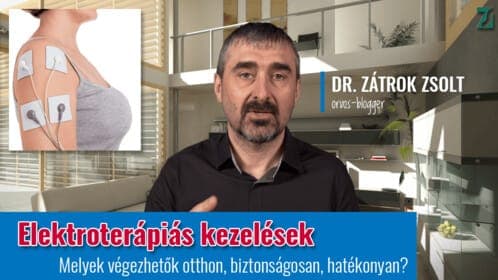

Categorizing the different technologies is both the foundation for choosing the right device and for effective home therapy. In this article we review all 9 main methods: TENS (transcutaneous electrical nerve stimulation), EMS and NMES (muscle and neuromuscular stimulation), selective denervated current, microcurrent (MENS), iontophoresis, Kotz stimulation, interferential therapy, and vagus nerve stimulation.
 Key point
The effectiveness of electrotherapy depends largely on choosing the method that matches the complaint. A TENS device intended for pain relief is not suitable for strengthening muscles, and vice versa. To select the appropriate technology it is important to understand the frequency ranges, pulse shapes and targeted physiological effects of each method.
 How do electrotherapy methods work?
The common basis of electrotherapy treatments is that they deliver electrical impulses through the skin into the tissues. What distinguishes them are the frequency, pulse shape, current intensity and the target tissue. The three main mechanisms separate as follows:
TENS and vagus stimulation act specifically on sensory and autonomic nerves. Frequencies between 2–150 Hz may, according to gate control theory, help reduce transmission of pain signals and can contribute to release of endogenous opioids (endorphins). Vagus stimulation supports parasympathetic nervous system activity, which can favorably influence heart rate variability and promote relaxation.
EMS, NMES, FES and Kotz stimulation evoke muscle contraction via motor nerves. Frequency ranges between about 20–100 Hz activate different muscle fiber types: lower frequencies preferentially stimulate slow (type I) fibers, while higher frequencies recruit fast (type II) fibers. Regular use can improve muscle strength, coordination and blood flow. See the theoretical basis of muscle stimulation for details.
Microcurrent and iontophoresis act at the cellular level. Microcurrent (MENS) works in the 100–1000 µA range — thousands of times smaller than conventional TENS currents — and can support transmembrane transport processes and wound healing. Iontophoresis uses galvanic (direct) current to drive drug molecules (e.g. NSAIDs, acetic acid) through the skin into target tissues without systemic medication.
 The 9 main electrotherapy methods – detailed overview
To help navigate the different methods, the table below summarizes key parameters and typical applications. Each method also has a dedicated, detailed article on the blog.
| Method | Frequency | Main application | Details |
|---|---|---|---|
| TENS – transcutaneous electrical nerve stimulation | 2–150 Hz | Pain relief at neural level | TENS main article |
| EMS / NMES – electrical muscle stimulation | 20–100 Hz | Muscle strengthening, rehabilitation, body shaping | EMS main article |
| Selective denervated current | triangular pulse | Treatment of denervated muscles | Denervated muscle |
| Microcurrent (MENS / MCR) | 100–1000 µA, 0.5–100 Hz | Wound healing, anti-inflammatory effects | Microcurrent article |
| Iontophoresis | galvanic current (DC) | Delivery of active drug substances | Iontophoresis article |
| Kotz (Russian) stimulation | 2500 Hz carrier, 50 Hz modulation | Strengthening muscles for athletes | Kotz article |
| Interferential (IF) | 4000 Hz + modulation | Deep tissue pain | IF article |
| Vagus stim (tVNS) | 10–25 Hz, on the ear (tragus) | Stress reduction, parasympathetic activation | Vagus article |
| FES – functional electrical stimulation | 30–50 Hz | Rehabilitation for central nervous system damage | FES indications |
Historical note – origin of Kotz stimulation
In the 1970s, Yakov Kots, a Soviet sports physician, experimentally demonstrated that a 2500 Hz carrier frequency with 50 Hz modulation could produce significant increases in muscle strength in elite Soviet athletes. This led to the spread of so-called "Russian stimulation," which is still included in professional electrotherapy devices such as the Globus Genesy 1500 and Globus Genesy 3000.
Vagus nerve stimulation (tVNS) – the latest approach
Non-invasive vagus stimulation (tVNS) is a relatively new method that stimulates the auricular branch of the vagus nerve via the tragus area of the ear. Using frequencies between 10–25 Hz may, according to research, support parasympathetic activity — this topic is discussed in detail in the tVNS and neuromodulation article.
 What complaints can electrotherapy help treat?
Different forms of electrotherapy can be a useful adjunct in symptom relief for many conditions. In the accordion list below we summarize the most common areas of application.
TENS and interferential therapy in clinical practice can help reduce symptoms of neck, back, low back pain, joint inflammations and sports injuries. See: neck pain at home, herniated disc rehabilitation.
Regular EMS and NMES use can contribute to regaining muscle strength after surgery, prolonged training breaks or in cases of muscle wasting. Details: regaining lost muscle strength.
For central (post-stroke) and peripheral paralysis, multiple sclerosis, ALS, spasticity, peroneal palsy, NMES, FES and selective denervated current can be part of adjunct rehabilitation alongside medical treatment.
FES and biofeedback-based stimulation can support strengthening the pelvic floor muscles, which may help reduce symptoms of urinary incontinence.
Microcurrent therapy (MENS) can help reduce symptoms in chronic wounds (e.g. leg ulcers) and joint inflammations.
EMS, NMES and Kotz stimulation can support amateur and professional athletes' training programs and recovery. The Globus Cycling Pro, Runner Pro and Triathlon Pro devices are designed specifically for sport-specific needs.
Iontophoresis is an evidence-based method for treating hyperhidrosis (excessive sweating). For chronic skin problems, nail fungus or heel spur, acetic acid iontophoresis can support conventional treatment — details in the acetic acid iontophoresis article.
Non-invasive vagus stimulation (tVNS) may support parasympathetic activity, which can positively affect stress regulation and relaxation. Details: parasympathetic nervous system and chronic diseases.
 Which device is suitable for using multiple methods together?
Since the 9 methods can complement each other, it is worth choosing a device that includes multiple technologies. Multifunction devices are especially useful if you have several complaints or multiple family members will use the device.
Globus Genesy 3000 (multifunctional, professional)
The full electrotherapy portfolio: TENS, EMS, NMES, MENS, IF, Kotz, iontophoresis, FES. Ideal if you want every method in one device, suitable for clinical or professional use.
Globus Genesy 1500 (broad feature set)
TENS, EMS, NMES, MENS, IF and Kotz — the most common methods in one device. Professional home or specialist use.
TensCare UniPro (4-in-1, mid-range)
TENS, EMS, MENS and IF in one device at a more affordable price. A great entry point if you want to try multifunction devices.
Globus Elite SII (entry-level TENS+EMS)
The two most common methods (TENS and EMS) in an economical device. Recommended as a first step for home pain relief and muscle strengthening.
Not sure which one fits your needs? Our decision-support article "Which electrotherapy is good for what?" gives guidance by complaint. The full electrotherapy product category lists all available devices.
 Risks and contraindications
Electrotherapy — regardless of type — is not suitable in every situation. The general contraindications below apply to all methods. Always consult your treating physician before starting.
- Implanted pacemaker, cardiac rhythm device or other active electronic implant – details in the implants article.
- Cancer in the area to be treated – details in cancer and electrotherapy.
- Pregnancy (especially abdominal and low back treatments are contraindicated)
- Epilepsy
- Acute fever, infection, open wound at the treatment site
- Deep vein thrombosis or acute vascular disease
- Treatment over the cardiac or anterior neck triangle area
- Skin sensitivity, chronic dermatitis at the planned electrode area
Detailed safety information can be found in the full contraindications article.
 Scientific background
The evidence base for electrotherapy methods is continuously expanding. The table below summarizes the research status for some application areas.
| Indication | Level of evidence | Note |
|---|---|---|
| TENS – chronic low back pain | Cochrane review (moderate evidence) | Recommended as an adjunct treatment |
| NMES – regaining muscle strength after surgery | RCTs (good evidence) | Knee surgeries, orthopedic rehabilitation |
| FES – multiple sclerosis (gait improvement) | Systematic review (moderate evidence) | Individual protocols; neurologist consultation required |
| Iontophoresis – hyperhidrosis | RCTs (good evidence) | First-line, non-invasive treatment |
| tVNS – migraine, anxiety | Early RCTs (low-moderate evidence) | New technology; research ongoing |
Interpreting the evidence
Electrotherapy does not replace medical treatment of the underlying disease but can be its adjunct. Research supports its use for some indications, but effectiveness depends strongly on the correct protocol, frequency selection and individual parameterization.
 Practical tips to get started
What to do for successful electrotherapy
- Consult your treating physician before starting, especially with chronic disease, medications or implanted devices.
- Hydrate the skin before treatment – details in the hydration before electrical treatment article.
- Check electrode polarity for iontophoresis and microcurrent – see electrode polarity article.
- Use appropriate pads – details in the pads article.
- Start with low intensity and increase gradually. A non-uncomfortable, "tingling" sensation indicates the correct level.
- Follow the protocol – an average course consists of 10–40 sessions depending on the method.
Frequently asked questions
The choice depends on your complaint. For chronic pain, TENS; for muscle strengthening or rehabilitation, EMS; for wound healing, microcurrent; for active substance delivery, iontophoresis are recommended. If uncertain, multifunction devices (e.g. TensCare UniPro or Globus Genesy 1500) support several methods. See the decision-support article "Which electrotherapy is good for what?" for detailed guidance.
Effects depend on the method, indication and individual response. In general: many people feel pain relief with TENS during the first session, but lasting effects typically require 10–20 sessions. EMS muscle strengthening shows measurable changes after 4–6 weeks of regular training. Iontophoresis for hyperhidrosis typically shows initial effect after 8–10 sessions.
Yes, electrotherapy is often recommended as an adjunct to medical treatment. In many cases the goal is to reduce medication doses. Always discuss combination details with your treating physician, especially when on anticoagulants or hormone treatments.
TENS, EMS, NMES, microcurrent and iontophoresis are safe with CE-certified home devices when contraindications are observed. FES, selective denervated current and tVNS require professional supervision at the start to establish the correct protocol. Interferential (IF) therapy is also available in home devices, but parameter setting should be done with professional guidance.
A quality, CE-certified device (e.g. Globus, TensCare or Bravo brands) is typically designed for 8–10 years of use. Longevity is extended by proper storage, regular replacement of pads (approx. after 30–40 uses) and battery maintenance.
 Summary
Electrotherapy is a collective term for 9 different electrical treatment methods: TENS, EMS/NMES, selective denervated current, microcurrent, iontophoresis, Kotz stimulation, interferential, vagus stimulation and FES.
People with chronic pain, those working to regain muscle strength, athletes, participants in neurological rehabilitation, people with pelvic floor issues and those seeking adjunctive dermatological treatments.
Choosing the right method depends on your complaint. Multifunction devices combine several technologies and thus provide a more flexible home therapy tool.
Read the decision-support article "Which electrotherapy is good for what?" or visit the electrotherapy product category. Safety information is available in the contraindications article.
Scientific references
- Gibson W, et al. Transcutaneous electrical nerve stimulation (TENS) for chronic pain in adults – Cochrane Database of Systematic Reviews, 2019. PubMed: 30941745
- Maffiuletti NA. Physiological and methodological considerations for the use of neuromuscular electrical stimulation – European Journal of Applied Physiology, 2010. PubMed: 20473619
- Yuan H, Silberstein SD. Vagus Nerve and Vagus Nerve Stimulation, a Comprehensive Review (Part I) – Headache, 2016. PubMed: 26364692