
 Peyronie's disease – home treatments under medical guidance
Peyronie's disease (IPP) is a condition affecting the penis that may cause curvature and pain. It can be treated: after the diagnosis and stage have been clarified, several home treatment methods may be considered under the guidance of your treating doctor. On this page, we explain which devices can be used for these treatments at home and when each method may be appropriate. If you would first like to read more about the disease itself – its symptoms, causes and stages – you can find this in Dr. Zsolt Zátrok's article about Peyronie's disease.
 The first step is always a medical examination
If you suspect the disease, see a urologist. A specialist determines the diagnosis of Peyronie's disease, its severity (the degree of curvature and the condition of the plaque) and the appropriate treatment. The home-use devices presented here may be used after assessment and under your doctor's guidance, as a complementary measure – they do not replace specialist examination and treatment. Do not start home treatment without a diagnosis.



The SonicRelief device emits a 1 MHz therapeutic ultrasound beam used to treat musculoskeletal (tendon, ligament, muscle) inflammations, injuries and degenerative conditions.
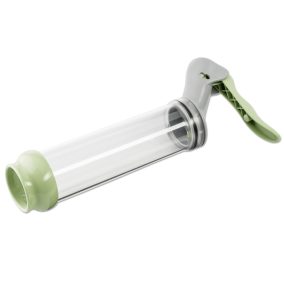

Manually operated vacuum pump. Main applications are rehabilitation of erectile dysfunction after prostate surgery and the treatment of Peyronie’s disease (IPP).



2-channel TENS | EMS | iontophoresis device. 60 types of pain-relief, rehabilitation, iontophoresis and incontinence programs.
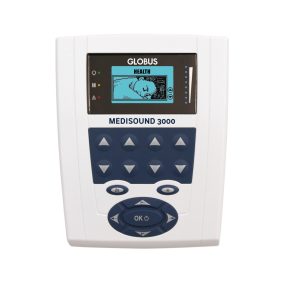


One device – two worlds. Professional-level therapy and beauty care.
The MediSound 3000 ultrasound device is designed for those who don't settle for half measures. 1 MHz penetrates deeply – it can support joint complaints, muscle pain, and tendon inflammations. 3 MHz targets the surface – for cellulite, wrinkles, and lax skin treatment.
49 pre-programmed treatments await you: 18 therapeutic programs for musculoskeletal problems, 31 cosmetic programs for perfect skin. You don't have to choose – one device covers both areas.
CE IIa medical device certification, Italian precision, IP67 waterproof transducer. Professional results. Home convenience. One investment, double benefit.
 How is Peyronie's disease treated?
Treatment depends on the severity of the disease. Some treatments may only be carried out by a doctor (for example, an injection into the plaque or surgery), but there are also methods that can be used at home after assessment, under your doctor's guidance – we present the devices for these below. The common aim of these methods is to soften the plaque, reduce curvature and pain, and make the tissue more flexible. It is important to know that these methods require persistent, long-term treatment and should be used according to the plan set by your treating doctor. (You can read about the background of the disease, the stages of curvature and the scientific details in the detailed article.)
Therapeutic ultrasound uses sound waves to help deliver an active substance applied to the skin into deeper tissues, towards the plaque (this is called “phonophoresis”). It may also support local circulation and tissue regeneration. This treatment can be carried out in a physiotherapy clinic or, after suitable instruction and under medical guidance, at home using a therapeutic ultrasound device.
Iontophoresis uses a weak, safe electric current to deliver electrically charged (ionic) active substances directly to the plaque area – in a large dose and without a needle prick. It may be a more comfortable alternative to injection treatment. Iontophoresis treatment can be provided in a physiotherapy clinic or, after suitable instruction and under medical guidance, carried out at home using a device suitable for iontophoresis.
Soft laser therapy may support the transformation and thinning of the connective-tissue plaque and help make it more flexible. This method requires patience: experience suggests that persistent treatment for at least three months is needed before a meaningful change can be seen. It is advisable to carry out the treatment regularly, in the way recommended by your doctor.
A vacuum trainer applies a gentle, controlled stretching force that may help improve tissue flexibility and reduce curvature. Its main applications are erectile rehabilitation after prostate surgery and supporting the treatment of Peyronie's disease. As with any other method, it is advisable to start using it after discussing it with your treating doctor and following their instructions.
 Realistic expectations – patience is essential here
Home methods require persistent, long-term use – soft laser therapy, for example, requires at least three months. The effect varies from person to person and also depends on the stage of the disease: a different outcome may be expected in the earlier, active stage than in a long-standing, stable condition. These methods support treatment, but do not produce results in every case or to the same extent – which is why it is important for your treating doctor to set realistic goals and create the treatment plan.
Important information
Home devices are complementary treatments for Peyronie's disease and may only be used after diagnosis, under the guidance of your treating doctor – they do not replace specialist treatment. More severe cases (significant curvature or erectile dysfunction) require medical and, in some cases, surgical care, which the urologist will decide on. Electrotherapy and ultrasound devices also have their own contraindications – these are listed in the device instructions. Peyronie's disease can also be a significant emotional burden; if this affects you, remember that you are not alone, and it is worth discussing this with your treating doctor, who can help you find appropriate support.
 Would you also like to understand the disease?
This page helps you choose treatment devices. If you would like to learn more about Peyronie's disease itself – its symptoms, causes, stages of curvature and scientific background – you will find everything in Dr. Zsolt Zátrok's detailed article: Peyronie's disease: symptoms, causes and treatment →
Frequently asked questions
Some methods can be used at home (therapeutic ultrasound, iontophoresis, soft laser and vacuum stretching), but only after assessment and under your doctor's guidance. The first step in every case is a urological examination to clarify the diagnosis and stage. Based on this, your treating doctor will tell you which home method may be suitable for you and how to use it.
Patience is essential with these methods: soft laser therapy, for example, requires persistent use for at least three months. The effect varies from person to person and according to the stage of the disease. Do not expect a rapid change – regular, long-term treatment under medical guidance offers the best chance, but the result is not the same in every case.
This depends on the stage of the disease and your treating doctor's recommendation. Therapeutic ultrasound and iontophoresis help deliver active substances to the target area, soft laser helps loosen the connective-tissue plaque, and a vacuum trainer provides mechanical stretching. Some devices combine several functions. Knowing your diagnosis and treatment goal can help with the choice – so always make the decision together with your urologist.
As soon as you suspect the disease – if you notice curvature, a plaque, pain or difficulty getting an erection – it is advisable to see a urologist. Medical assessment is also needed if the symptoms worsen, the curvature increases, or intercourse becomes difficult or impossible. The earlier the assessment takes place, the more treatment options are available.
Peyronie's disease is common, and there is nothing to be ashamed of – it affects many men, even if it is rarely discussed. Keeping the problem to yourself, however, delays treatment and may also increase the emotional burden. Urologists regularly see this condition and deal with it objectively and discreetly. An early examination is the most helpful thing you can do for yourself – both in terms of treatment and emotional wellbeing.

