
Influenza – how afraid should you be of it?
Viruses occur in large numbers in nature. Although there is no need to panic, no virus should be underestimated. It's worth understanding how it spreads and makes you ill. Because if you know this, you can do a lot to avoid and prevent infection. And if it still "gets" you, it is less likely to make you seriously ill than if it caught you unprepared.
What is a virus?
A virus is an extremely small biological organism. It is not visible under a "regular" microscope; usually a high-resolution electron microscope is required.
Every form of life—plants, animals, fungi, and even bacteria—has viral infections.
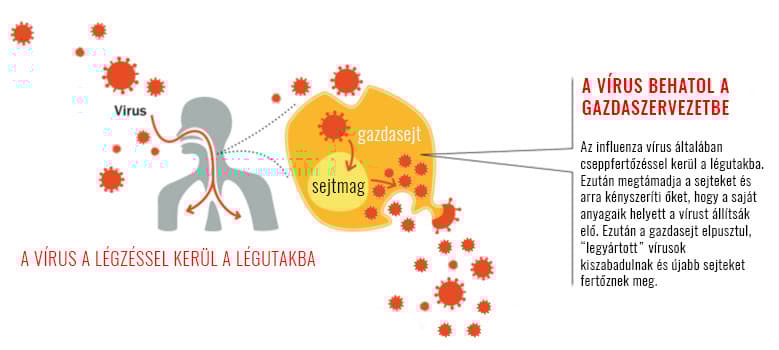
A virus cannot reproduce on its own; it can only do so parasitically inside the cells of other living beings (host cells).
A virus that enters the body tries to get directly into cells; if it succeeds, it "reprograms" them. The host cells begin to "manufacture" and multiply the virus instead of their own materials. After a while the host cell becomes exhausted and dies, releasing the viruses to infect new cells.
By number, viruses are the most abundant organisms on Earth.
They can cause milder illnesses like the common cold, influenza, chickenpox, herpes, but also severe, fatal ones (Ebola, AIDS, avian influenza, MERS or the recent Chinese coronavirus).
How does the virus spread?
Viruses spread in various ways. Some are carried by insects from one animal or plant to another. Some are spread by aerosols released when sneezing or coughing, by body fluids, or by objects contaminated with feces. Most viruses can infect only one or a few species.
The influenza virus is usually "caught" by droplet infection. You have to come into contact with the body fluids of an infected person (or an asymptomatic carrier). A carrier is someone who has no (yet) symptoms, but infectious virus is still present in their body.
Patients and carriers spread the pathogen everywhere and pass it on to others. For example, by not wearing a mask and not covering their mouth with their hand when they cough or sneeze (on public transport, in a shopping center, cinema, workplace, etc.). The virus they "expel" can float in the air and travel meters. Others inhale this air and take in the virus.
It can also happen that they don't "expel" directly onto you, but you shake hands and the virus they previously sneezed into their palm transfers to your hand. When you touch your mouth, nose or eyes, you infect yourself. The same can happen when viruses stick to a bus handrail and you "take them in" from there.
What happens if you catch influenza?
There are no artificial drugs effective against most viruses and historically there have been few. Viruses cannot be killed with antibiotics, so taking them for a viral infection is pointless. (Only required if you also have a bacterial infection alongside the virus).
Your immune system is the real and only weapon against viruses!
When you "catch" a virus for the first time in your life, it can spread relatively quickly in your body. The time between the virus entering your body and the appearance of symptoms is the incubation period.
When your immune system detects the intruder it sounds the alarm.
Two types of defense systems activate against the invader: humoral and cellular.
The humoral immune system, after encountering the virus, begins producing specific antibodies that attach to the virus and prevent it from entering cells and spreading. Immunoglobulin M (IgM) is produced by the body from the beginning of the infection for a few weeks. Production of immunoglobulin G (IgG) starts afterwards, but this can remain for years, even a lifetime, and protects against later infections.
If IgM can be detected in the blood, it indicates a recent infection, while IgG means the body encountered that pathogen sometime in the past.
Virus-infected cells begin to produce a substance called interferon, which activates and "attracts" white blood cells. If these find virus-suspicious proteins on a cell membrane, they destroy those cells (along with the viruses inside them). That is the cellular defense system.
In the first days of infection it may seem the virus is winning, but then your immune system kicks in and turns the battle around.
Viruses are "tricky"
If you meet a virus you've encountered before, the virus has little chance. Your body already knows that virus and IgG antibodies circulate in your blood. When the virus appears again, your immune system quenches its renewed attempt at the outset.
You receive vaccines (and the weakened virus in them) so your body can prepare against the pathogen and have IgG against that virus. So when a real epidemic comes, your body is already prepared for the attack — thanks to vaccines, for example, epidemic poliomyelitis disappeared, and many other formerly feared diseases as well.
However, viruses are tricky and "mutate", meaning they change their properties. That's why this year's influenza may be a variant you haven't encountered before instead of last year's virus.
It's a bit like cars: last year's Toyota Yaris looked different in shape, had a different engine, different lights than this year's — the name is the same, but the car is different; you might not recognize it at first glance.
When is the virus dangerous, for example influenza?
A virus (including influenza) can only push people with weakened immune systems into severe, life-threatening conditions.
According to the latest information, all victims of the current epidemic had several serious illnesses and fundamentally weakened bodies.
If you are healthy, then you have little to fear.
If you are already seriously ill, recovering from such an illness, or your body is fighting another infection, your defenses are weakened and the risk of serious complications is greater.
A risk factor can also be hypochondria — excessive fear of illness. If you are not "mentally together", fear of becoming ill causes stress, which weakens your immune system and makes you more likely to get sick.
How can you prevent catching it?
During an (influenza) epidemic avoid communal places, public transport, cinemas and shopping centers. If you must go to such places, it's worth wearing a mask.
Avoid shaking hands with others, especially with the sick. Wash your hands often and be careful not to touch your face, eyes or mouth.
Keep your immune system at maximum readiness with a healthy and varied diet (lots of vegetables and fruit, moderate meat consumption).
During epidemics it can help to replenish your body's vitamin and mineral stores. Take a multivitamin preparation that contains minerals and trace elements from A to Z. The regular recommended daily amount is enough. This way you can top up your body in a few days. There's no point taking very large doses, because your body will get rid of the excess (you'll "pee it out") 😊
It's also useful, when you hear about an epidemic, to start salt therapy in your bedroom. For this the SaltDome salt therapy device is suitable, which is worth operating on your bedside table while you sleep. Salty air is not a miracle cure, but as researchers at Semmelweis University showed in an experiment a few years ago, half as many people contracted a viral infection among those who received preventive salt therapy compared to those who did not. Those who still caught the infection despite salt therapy had a significantly milder course of illness and recovered more quickly.
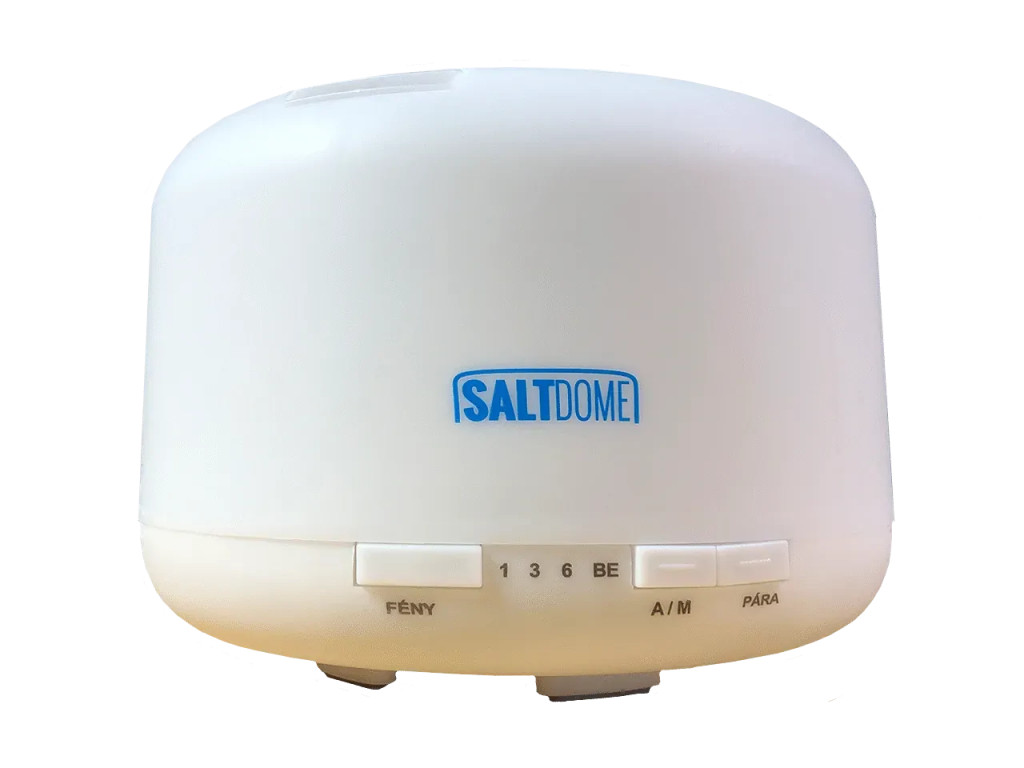
Product recommendation: SaltDome salt therapy device
If you want to produce beneficial salty air in the comfort of your home, choose the SaltDome ultrasonic salt therapy device. Read customer reviews to learn users' experiences!
How worried should you be?
In my opinion, you shouldn't panic during an influenza epidemic. You're more likely to be hit by a car while crossing the street than to be taken by a virus (influenza).
For comparison: in a 10-million population like Hungary, sudden cardiac death kills 25–27 thousand people a year, another 50 thousand die from cardiovascular diseases, 35 thousand from cancer… etc.
But still, give the virus the respect it deserves!
If there is an epidemic, increase hygiene, wash your hands frequently, avoid sick people and don't go into crowds. Use salt therapy. Drink plenty of fluids and eat a varied diet. Replenish vitamins, minerals and trace elements (but don't overdo it). You don't need antibiotics; they don't work on viruses.
Leave the rest to your immune system — it will protect you from the virus!

