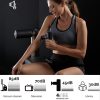
What does percussive massage affect?
The fascia is the connective tissue layer surrounding muscles that can thicken and tighten due to repetitive load, injury or lack of movement — causing pain and limited range of motion.
Rapid, repetitive strikes can change the fluid content within the fascia, making the tissue more compliant and potentially improving muscle range of motion.
Percussion (tapping) may help improve local blood flow in the treated area. This can assist oxygen and nutrient delivery to muscle cells and support the clearance of lactic acid and exercise-related metabolites.
Delayed onset muscle soreness (DOMS) peaks 24–72 hours after exercise. Vibration therapy may help reduce perceived soreness and support recovery, although the degree varies between individuals. Scientific studies report improved range of motion as one of the most consistently measurable positive effects.1
Applied before training, it can help prepare muscles, increase circulation and support neuromuscular activation. Many athletes report feeling more mobile and “looser” after 5–10 minutes of pre-workout treatment.
Speed settings and physiological effects – when to choose which?
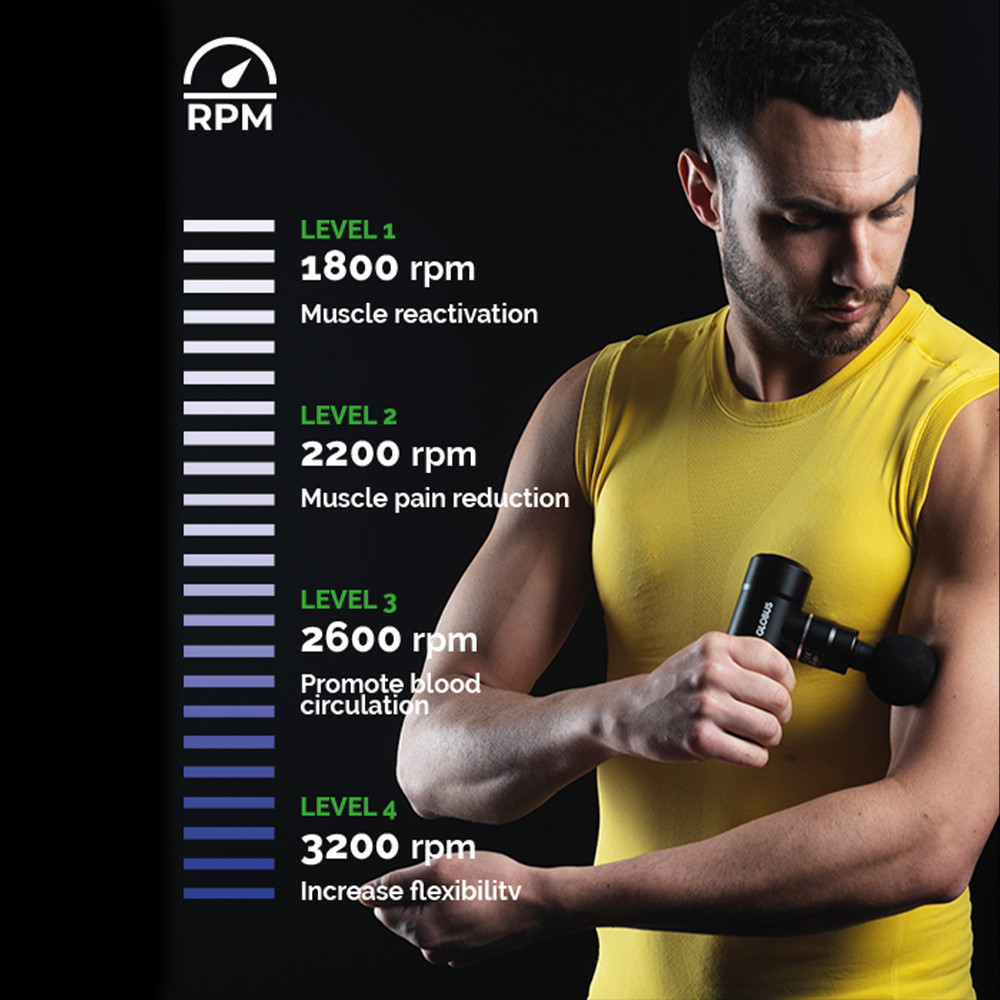
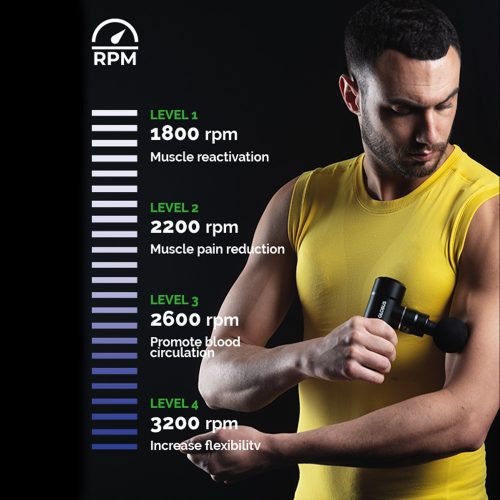
The physiological effect of percussive vibration depends not only on intensity but also on the number of strikes per second (Hz). Lower frequencies primarily affect the lymphatic system and superficial tissues; higher frequencies penetrate deeper muscle tissue and fascia layers. Bartel and Mosabbir (2021) found that mechanical vibration affects hemodynamic, neurological and musculoskeletal levels — and these effects are frequency-dependent.5
Suggested use: pre-workout muscle activation, sensitive areas (neck, shoulders, wrists), older users, early-phase rehabilitation, evening relaxation.
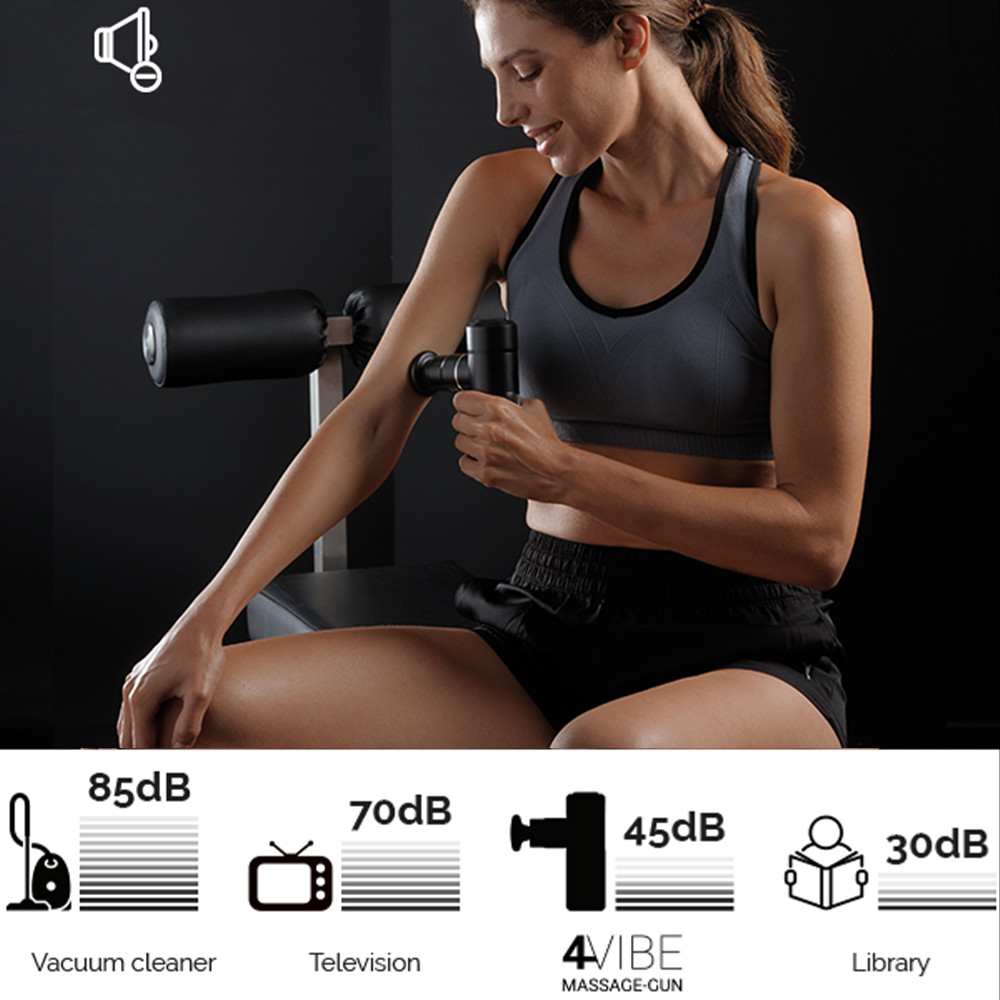
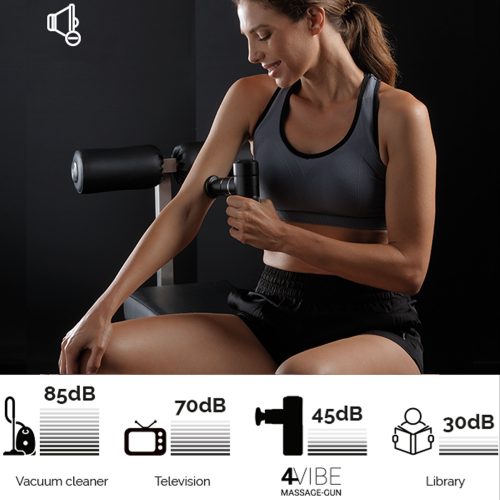
Low-frequency vibration mainly acts through stimulation of superficial tissues and the lymphatic system. Rhythmic mechanical impulses may improve lymphatic flow, reduce edema and promote interstitial fluid movement. This setting is the mildest — ideal for beginners, older adults and fragile users. The motor is nearly silent at this level.
Strike counts are approximate estimates; Globus Corporation does not publish exact rpm values for each setting.
Suggested use: early post-workout recovery, relieving office tension during the day, general muscle relaxation, neck-shoulder-back treatments.
The ~30 Hz range is one of the most versatile therapeutic frequency bands. The vibration may contribute to improved local circulation — enhancing oxygen and nutrient delivery while promoting the removal of metabolic byproducts. At this speed, redistribution of fascia fluid effectively helps reduce muscle stiffness. Office workers commonly report good results on neck and shoulder tension at this level.
Suggested use: recovery 30+ minutes after training, treating DOMS, medium and large muscle groups (thigh, calf, glutes, back), trigger point work.
The ~40 Hz range is the most studied frequency band for sports rehabilitation and DOMS treatment. Piotrowska et al. (2021) found that local vibration significantly reduced biomarkers of muscle damage (myoglobin, CK, LDH) after exercise.2 Through mechanoreceptor activation, this frequency range may modulate pain signals (gate-control theory), potentially reducing the subjective intensity of DOMS. This is the go-to setting for most active athletes post-workout.
Suggested use: highly tense, large muscle groups (glutes, quadriceps, long back muscles), experienced users, trigger-point treatment, pre-workout activation for athletes.
The maximum speed combined with 6 mm amplitude can reach the deepest muscle tissues effectively. Vibration above 50 Hz approaches the threshold frequency of muscle spindles (Ia afferent fibers), which can trigger strong neuromuscular responses — possibly explaining the immediate improvements in range of motion observed in several studies.1,4 Important: do not use this level on sensitive areas (neck, alongside the spine). Limit application to a single muscle group to 30–45 seconds maximum.
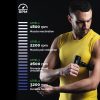
| Level | Approx. rpm / Hz | Main effect | Ideal user | Recommended duration |
|---|---|---|---|---|
| Level 1 | ~1200 rpm / ~20 Hz | Lymph flow, relaxation | Beginners, older adults, evening use | 5–15 minutes |
| Level 2 | ~1800 rpm / ~30 Hz | Circulation, fascia release | Office workers, everyday users | 5–10 minutes |
| Level 3 | ~2400 rpm / ~40 Hz | DOMS relief, recovery | Regular athletes (post-workout) | 10–15 minutes |
| Level 4 | ~3200 rpm / ~53 Hz | Deep tissue, neuromuscular | Experienced athletes, pre-workout | Max. 5–8 minutes |
* The rpm/Hz values are indicative estimates; the manufacturer does not disclose exact data for each setting.
← Scroll →
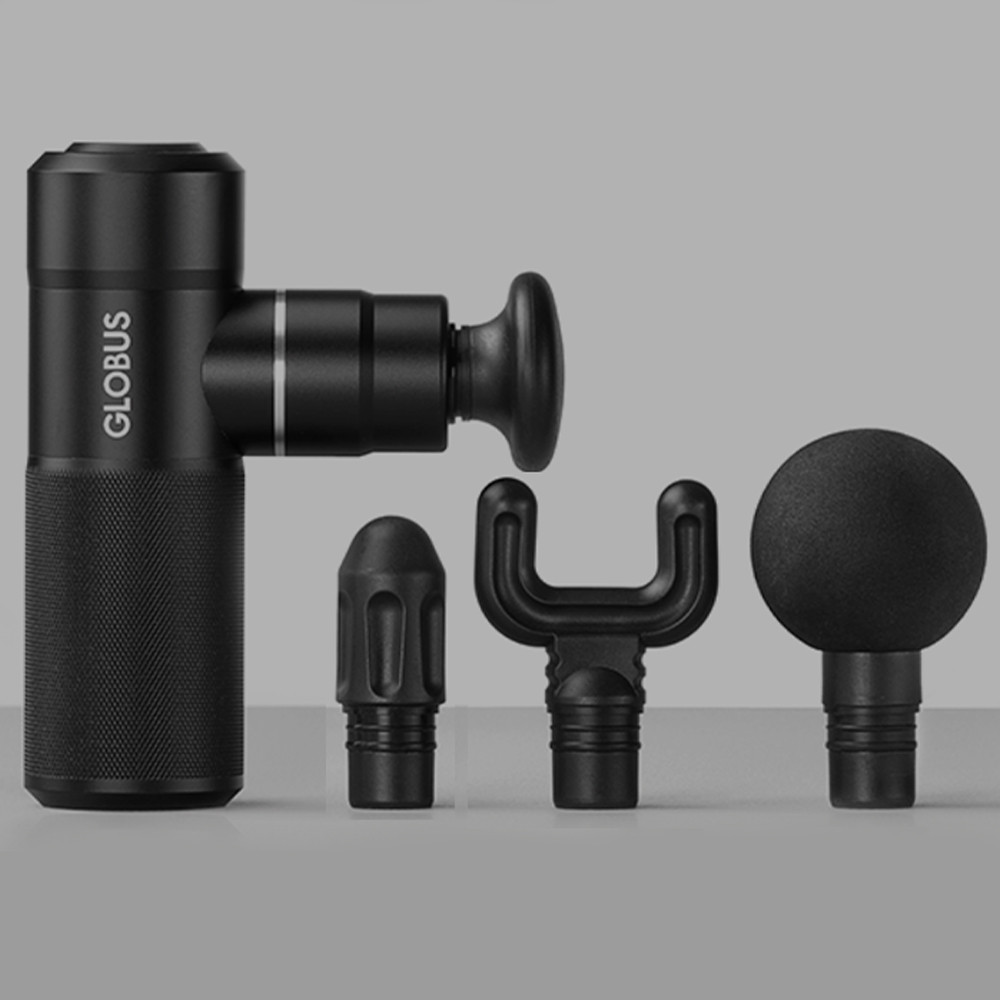
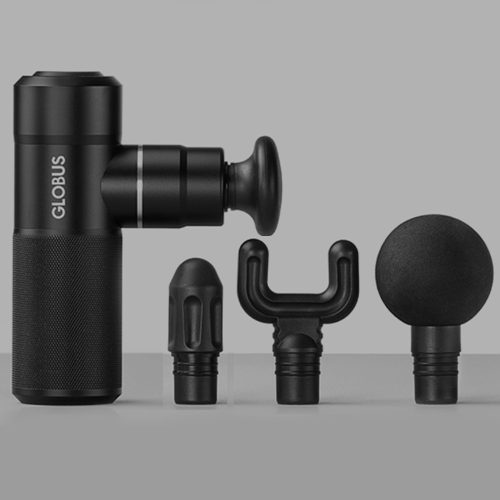
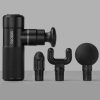
4 interchangeable massage heads – what are they for?
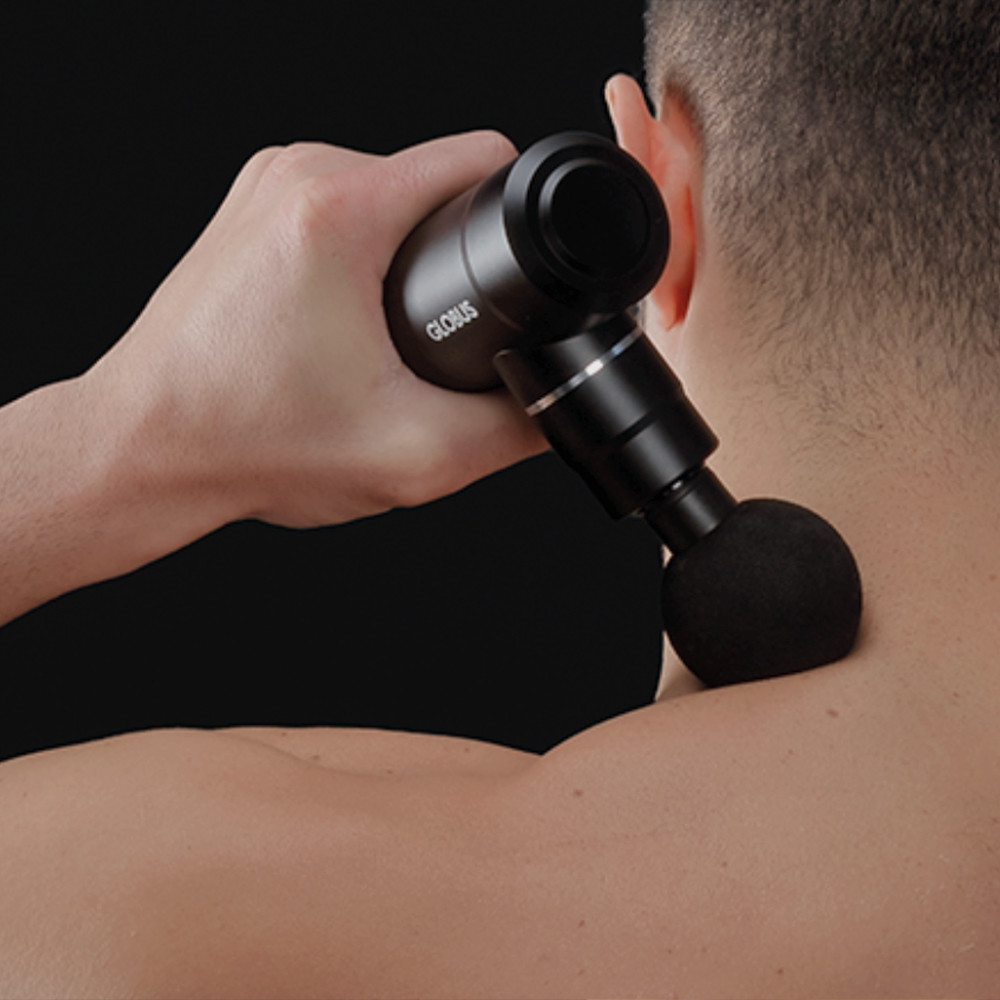
The classic everyday head. Its large, round contact surface distributes vibration evenly over the treated area, reducing point pressure. Most effective on large, flat muscle groups: thigh (quadriceps, biceps femoris), calf (gastrocnemius, soleus), glutes, long back muscles (erector spinae), deltoid. Excellent for both pre-workout warm-up and post-workout recovery. Recommended speed: 2–4, 60–90 seconds per muscle group.
The flat head transmits vibration over a maximal surface — it provides the best vibration transfer. Ideal for smaller muscle groups, shin and forearm muscles, and the chest (pectoralis). In rehabilitation, using lower speeds (levels 1–2) can help improve circulation. It provides stronger tissue stimulation than the ball head, so use more cautiously on sensitive areas. Recommended speeds: 1–3.
The fork-shaped double opening avoids bony prominences while concentrating on the soft tissues beside them. Suitable for muscles next to cervical vertebrae (semispinalis, splenius, trapezius), lumbar paraspinals, soft tissues around the Achilles tendon, ankle areas and muscles beside the elbow. Never place the head directly on bony prominences, the spinal column itself or joint surfaces. Recommended speeds: 1–2.
The sharper, smaller contact surface concentrates vibration energy into a single point, allowing targeted treatment of myofascial trigger points (painful muscle knots). Suitable for the plantar arch, hand and finger muscles, rotator cuff areas and small tense muscle knots. Keep on a single trigger point for a maximum of 10–15 seconds, then move on. Do not use on sensitive areas at high speed. Recommended speeds: 2–3.
| Head name | Main application area | Recommended level | Avoid |
|---|---|---|---|
| Ball head | Thigh, calf, glutes, back, deltoid | 2–4 | Bones, joints, blood vessels |
| Flat head | Forearm, shin, chest, smaller muscles | 1–3 | Bones, spinal canal |
| U-shaped head | Paraspinals, Achilles, ankle | 1–2 | Vertebra, bone surface |
| Trigger head | Trigger points, sole, hand, shoulder | 2–3 | Max. 15 sec/point, bones |
← Scroll →
Who is it recommended for?

For regular athletes
For pre-workout warm-up and post-workout recovery. Can help reduce muscle tension, improve range of motion and prepare muscles for the next session.

As a complement to rehabilitation
As part of a post-injury or post-surgery rehab program, on the recommendation of a physician or physiotherapist, as a complementary treatment. It does not replace specialist medical care.

For office workers and sedentary employees
For neck, shoulder, back and lumbar tension. Can be used during the day or in the evening — the quiet motor won’t disturb anyone.

For active people and older adults
For targeted treatment near joints (use the U-shaped head) and for larger muscle groups. Consult a physician before use, especially in cases of osteoporosis or circulatory problems.
When and how to use?
1
Before training (5–10 minutes)
Choose a low speed (level 1 or 2). Move the head slowly over the treated muscle group, spending 30–45 seconds on each muscle. This can help prepare muscles and improve range of motion.
2
After training (10–15 minutes)
Wait at least 30 minutes after exercise before starting treatment. Work at a medium speed (levels 2–3), spending 60–90 seconds on each muscle group. Avoid intensive treatment immediately after strenuous exercise.
3
Proper technique and safety
Always work on muscles — avoid bones, joints and blood vessels. Do not press hard — the device's own weight is sufficient. Do not hold the head in one place longer than 30 seconds. On sensitive areas (along the spine, neck) always start at the lowest level and use the U-shaped head. Stop immediately and consult your physician if you feel pain.
4
Maintenance and storage
After use, wipe the head with a clean, slightly damp cloth. Clean the device body with a dry cloth — do not immerse in water. Store in its carry pouch, protected from direct sunlight and moisture. Recharge regularly; do not let the battery fully drain. Check attachment heads regularly for wear.
| Timing | Goal | Duration | Speed level |
|---|---|---|---|
| Before training | Warm-up, activation | 5–10 minutes | Levels 1, 2 |
| After training (30+ minutes) | Recovery, tension relief | 10–15 minutes | Levels 2, 3 |
| During the day | Relieve stiffness and tension | 5–10 minutes | Levels 1, 2 |
| Evening, before bed | Relaxation, promote rest | 10 minutes | Level 1 (quietest) |
← Scroll →
Frequently asked questions
Regular, even multiple daily uses can be safe if you follow recommended durations (max. 60–90 seconds per muscle group) and allow sufficient rest between sessions. Consult a doctor for acute injuries.
The 4Vibe’s combined percussive and vibrational action penetrates fascia and trigger points more deeply and selectively than simple tapping-only devices.
Many physiotherapists and clinicians use similar devices in therapeutic protocols. The 4Vibe can be a helpful at-home adjunct to a rehabilitation program. If unsure, obtain approval and guidance from your physician or physiotherapist.
The built-in high-capacity battery provides up to 5 hours of continuous use — covering most home and sport needs. Charging is via USB.
Do not apply to inflamed, injured or bruised skin; directly on bones or joints; over carotid arteries; if thrombosis is suspected; during pregnancy on the abdominal/pelvic area; or while on anticoagulant therapy without consultation. See detailed contraindications below.
Technical data
| Number of speed levels | 4 levels |
| Speed levels (approx.) | ~1200 / ~1800 / ~2400 / ~3200 rpm |
| Frequency range (approx.) | ~20 – 53 Hz |
| Vibration amplitude | 6 mm |
| Max. speed | 3 200 rpm |
| Stall force (push force) | ~14 kg |
| Noise level | ≤ 45 dB |
| Number of interchangeable heads | 4 pcs |
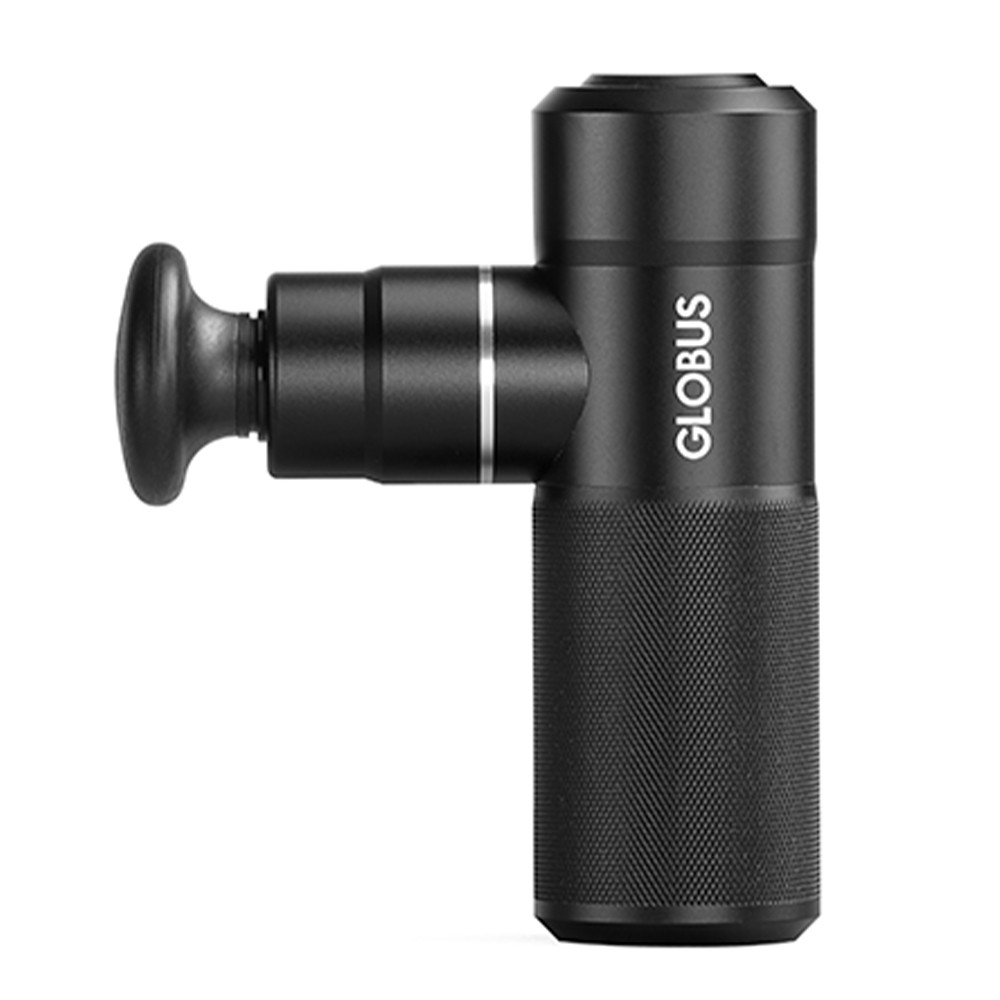
| Massage heads | Ball head, Flat head, U-shaped (Fork) head, Trigger (Bullet) head |
| Weight | ~500 g |
| Battery runtime | Up to 5 hours |
| Charging method | USB |
| Housing material | Aluminum alloy |
| Manufacturer | Globus Corporation (Italy) |
| CE compliance | CE medical device – according to MDR |
| Use | Home and professional |
* The rpm/Hz values are indicative estimates; the manufacturer does not disclose exact data for each setting.
 When NOT to use the device?
- Deep vein thrombosis or thrombophlebitis
- Acute muscle or ligament injury (first 48–72 hours)
- Active inflammation or infection at the treatment site
- Severe osteoporosis
- Malignant tumor in the treatment area
- Pregnancy (abdominal and pelvic areas)
- Anticoagulant therapy (without medical approval)
- Joint replacement (implant) in the treatment area
Unsure? Consult your physician before use!
 Important information
The Globus 4Vibe Massage Gun is designed for home use. The device can complement medical treatment — it does not replace specialist diagnosis, treatment or physiotherapist-led rehabilitation. For chronic illnesses, cardiovascular conditions, bone disorders, cancer or any other health issue, seek your treating physician’s opinion before use.
This page provides informational content. The effects and applications described here do not constitute medical advice.
 Scientific background
Research on percussive therapy is an active field in sports medicine and rehabilitation science. The references below support the mechanisms of action mentioned in this description:
- Leabeater, A.J. et al. (2024). Under the Gun: Percussive Massage Therapy and Physical and Perceptual Recovery in Active Adults. Journal of Athletic Training, 59(3), 310–316. PubMed
- Piotrowska, A. et al. (2021). Local Vibration Reduces Muscle Damage after Prolonged Exercise in Men. Journal of Clinical Medicine, 10(22). PubMed
- Cullen, M.L. et al. (2021). Passive Recovery Strategies after Exercise: A Narrative Literature Review. Current Sports Medicine Reports, 20(7), 351–358. PubMed
- Uysal, M. & Ozmen, T. (2024). Effects of vibration therapy on muscle soreness and athletic performance in wheelchair basketball players. Journal of Bodywork and Movement Therapies, 40, 655–661. PubMed
- Bartel, L. & Mosabbir, A. (2021). Possible Mechanisms for the Effects of Sound Vibration on Human Health. Healthcare, 9(5), 597. DOI | PubMed