When to choose the Genesy 3000?
Find your situation in the list below. If you see it, the Genesy 3000 will most likely help — of course always in consultation with your treating physician.
For chronic low back, neck, shoulder or muscle pain, TENS programs can provide immediate, noticeable relief (pain decreases during treatment). Microcurrent and interferential (IF) programs target deeper muscle and joint issues. Preset programs are available for sciatica, chronic low back pain, neck pain, scapulohumeral (shoulder) syndrome, whiplash, spinal osteoporosis. See the TENS primer and IF primer articles for details.
There is a dedicated TENS program for acute knee pain and a separate microcurrent program for knee osteoarthritis. For acute pain peaks TENS brings quick relief; for chronic complaints a microcurrent course offers meaningful support after 2–4 weeks of regular use. Details: Microcurrent and joint inflammation. Important: the main treatment for osteoarthritis is exercise, weight control and prescribed medication — electrotherapy is a supportive adjunct.
After knee replacement, ACL reconstruction, shoulder dislocation, spine surgery or other orthopedic procedures your muscles can weaken. The Genesy 3000 EMS programs actively work your muscles even when pain prevents full voluntary movement. Specific rehabilitation programs are available: ACL post‑op recovery, shoulder subluxation prevention, vastus medialis strength recovery. What to know: before post‑op use discuss the start time and electrode placement with your treating physician.
53 sport programs: warm‑up, maximal strength development, endurance strength, explosive power, hypertrophy (muscle mass), capillarization and active regeneration (post‑exercise muscle soreness reduction). 84 ActionNow programs for specific sport situations (muscle support during running, recovery sessions). Important: EMS does NOT replace training — it complements it.
For chronic, months‑old non‑healing wounds (leg ulcers, chronic heel wounds, diabetic foot ulcers, pressure sores) the microcurrent (MENS) program can provide meaningful support alongside standard wound care. Microcurrent is so gentle that you don’t feel it — therefore it can be used near sensitive, inflamed skin. What to know: wound care is a specialist task — discuss with your GP or wound care specialist. Details: Leg ulcer treatment.
Dedicated TENS and microcurrent programs are available for chronic tendon and tendon sheath inflammations (tennis elbow, subacromial tendinitis, Achilles tendinopathy, rotator cuff tendinitis, carpal tunnel syndrome). Microcurrent may support cellular regeneration, while TENS provides pain relief. What to know: these conditions often improve slowly — plan for 4–6 weeks of regular treatment.
FES (functional electrical stimulation) programs support post‑stroke rehabilitation (hemiplegia — relearning upper and lower limb movements). Separate denervated muscle programs are available for peripheral nerve injuries (triangle, trapezoid and square impulses). The built‑in diagnostics (Rheobase + Chronaxie measurement) help find optimal parameters. What to know: stroke rehabilitation requires specialist consultation (neurologist, physiotherapist).
The iontophoresis program (channel 1) lets you deliver an anti‑inflammatory (e.g. diclofenac), anesthetic (lidocaine) or acetic‑acid based preparation under the skin — deeper than a simple cream. Typical uses: tennis elbow, heel spur, hyperhidrosis. What to know: choosing the active substance is a medical decision — consult your physician or pharmacist. Details: Iontophoresis.
Which treatment methods are included and what are they for?
The Genesy 3000 contains eight different electrotherapy methods. Here are the key differences from a patient perspective:
- TENS – for pain relief: a noticeable tingling on the skin that reduces pain during treatment. For acute and chronic pains (back, neck, shoulder, knee, menstrual pain). Details: TENS.
- EMS / NMES – for muscle strengthening and rehabilitation: evokes visible muscle contractions that “work” the muscle even if pain limits voluntary effort. Post‑surgical rehab, sports strengthening, prevention of muscle atrophy. Details: EMS.
- Microcurrent (MENS) – for wound healing and inflammation reduction: so gentle you usually don’t feel it. Supports cellular regeneration and inflammation reduction. For slow‑healing wounds, chronic tendinitis, joint inflammation. Details: Microcurrent.
- FES – for relearning movement after stroke: supports muscle activation after central paralysis (post‑stroke) and aids motor relearning. Recommended only under specialist supervision.
- Denervated muscle program – for peripheral paralysis: if a muscle lost its nerve connection (due to peripheral nerve injury), this program directly activates muscle fibers. The diagnostics module (Rheobase + Chronaxie measurement) helps set appropriate parameters.
- Kotz (Russian) stimulation – for sports muscle strengthening: strong, medium‑frequency impulses used by athletes for maximal strength development and training supplementation.
- Interferential (IF) – for deep muscle and joint pain: a gentler skin sensation than TENS, with deeper tissue effect. For chronic back and neck complaints and joint pain. Details: IF.
- Iontophoresis – for delivering anti‑inflammatory agents: uses direct current to help an active substance (e.g. diclofenac gel, acetic acid, lidocaine) penetrate under the skin. Typical uses: tennis elbow, heel spur, focal hyperhidrosis. Details: Iontophoresis.
If you are unsure which method suits your complaint, read the decision‑support guide Which electrotherapy is good for what — it organizes choices by complaint/goal.
Frequently asked questions before purchase
Generally not. Electrotherapy is contraindicated with pacemakers, implanted defibrillators (ICD), neurostimulators or hearing implants — only use with cardiologist/arrhythmologist approval. Details in the article electrotherapy and implants.
The manufacturer originally designed the Genesy 3000 for professional use (physiotherapy clinics, rehab centers) — but you can safely use it at home if you first discuss with your treating physician or physiotherapist which program suits your complaint. For new, worsening or unknown complaints always seek medical consultation first.
It depends on the method. TENS: immediate pain relief during treatment. EMS (muscle strengthening): noticeable after 4–6 weeks of regular training. Microcurrent (wound healing, joint inflammation): changes after 2–4 weeks. IF / iontophoresis: 3–6 weeks. Chronic complaints require patience — it’s not like a painkiller tablet. If there is no change after 6–8 weeks consult your physician about next steps.
Both are 4‑channel multifunction devices. The Genesy 1500 includes the main modalities (TENS, EMS, microcurrent, IF) — sufficient for most home users. The Genesy 3000 additionally includes denervated muscle programs (for peripheral paralysis), FES (post‑stroke rehab), Kotz/Russian stimulation and iontophoresis — plus 400+ programs, diagnostic module, 10 user profiles and STIM LOCK. If you only need pain relief and muscle strengthening the Genesy 1500 is enough. If you have complex complaints (e.g. post‑stroke rehab, denervated muscles, iontophoresis) the Genesy 3000 is the better choice.
Yes, that is the 2+2 mode. The 4 channels split into two groups: channels 1–2 run one program and 3–4 run another. You can simultaneously treat two family members or two painful body parts (e.g. both knees, or your lower back and shoulder). Microcurrent and iontophoresis are exceptions — these programs do not run in 2+2.
There is no single answer — consult your treating physician. Fresh sutures, screws and surgical materials near the treatment area require special consideration. Many rehab programs can start in the days after surgery if the surgeon permits. EMS programs are typically recommended in the active rehabilitation phase (1–6 weeks post‑op).
No. Electrotherapy is a complement, not an alternative. EMS builds muscle but coordination, range‑of‑motion and movement retraining are guided by your physiotherapist. The most effective package: physiotherapy + Genesy 3000 electrotherapy + prescribed medication (if any).
Yes. With the Easy Program function you can save custom or modified programs — 15 per user. You can also adjust frequency, pulse duration or treatment time during a session (Run Time function). This is useful for users whose physiotherapists prescribe individualized parameters.
How to use the Genesy 3000 at home
1
Turn the device on
After switching on choose your user profile (up to 10 profiles can be stored — e.g. one per family member). The device remembers your last 10 used programs and your favorites.
2
Select the program for your complaint
From the Hungarian menu select by specific complaint (e.g. “Chronic low back pain”, “Knee osteoarthritis”, “Maximal strength”, “Muscle soreness”). The device automatically sets the appropriate current type, frequency and pulse width — you don’t need to choose technical parameters.
3
Apply the electrodes
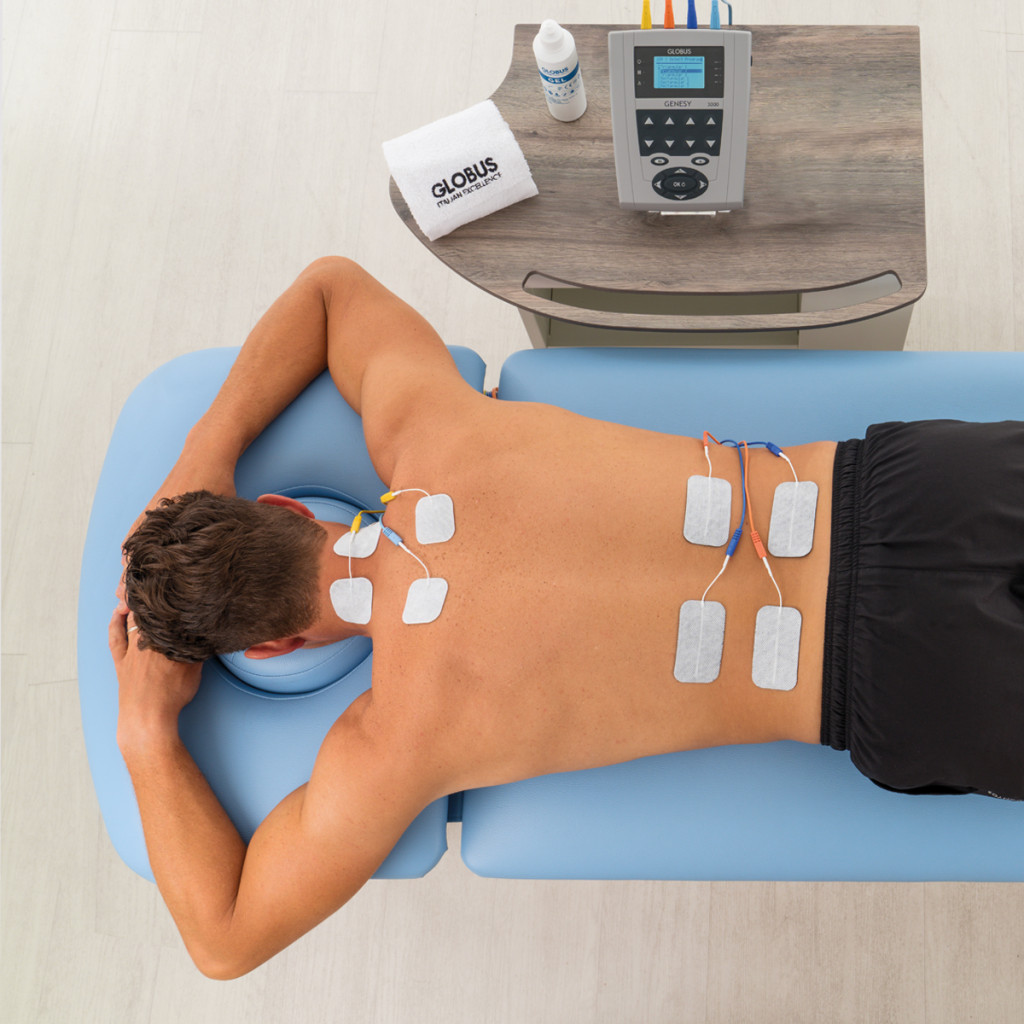
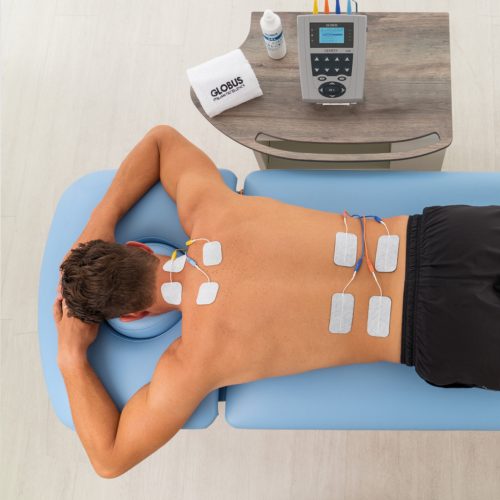
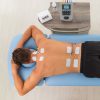
Place the adhesive electrodes from the package around the painful area or muscle as advised by your physiotherapist. The device detects poor electrode adhesion and will stop the current for safety.
4
Set a comfortable level
Start the program and slowly increase intensity with the control. For TENS increase to a pleasant tingling, for EMS to a perceptible (but pain‑free) muscle contraction. Microcurrent is typically not felt — this is normal. If you feel pain, reduce intensity immediately.
5
Relax during the treatment
You can sit or lie down, watch TV, read or rest. A typical session is 15–60 minutes — the device runs automatically and stops at the end.
6
Save your favorites
Save well‑working programs to Favorites (up to 15 per user) — next time start with one button. If your physiotherapist recommended a specific setting you can save it as a custom program.
Video guides – see how to use it
The four video guides apply to all 4‑channel Globus devices (including the Genesy 3000 and Genesy 1500). Before your first session it’s worth watching them — about 15 minutes total.
1. video – Device parts
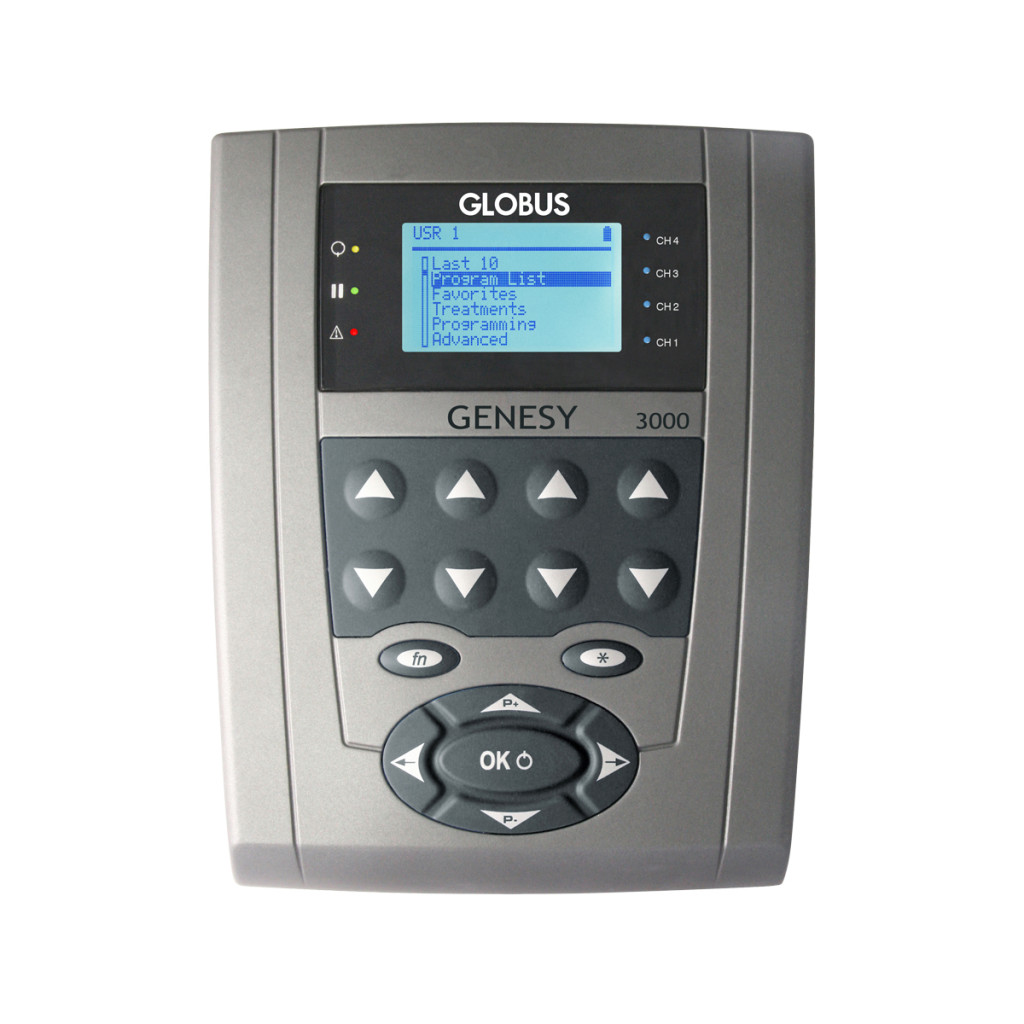
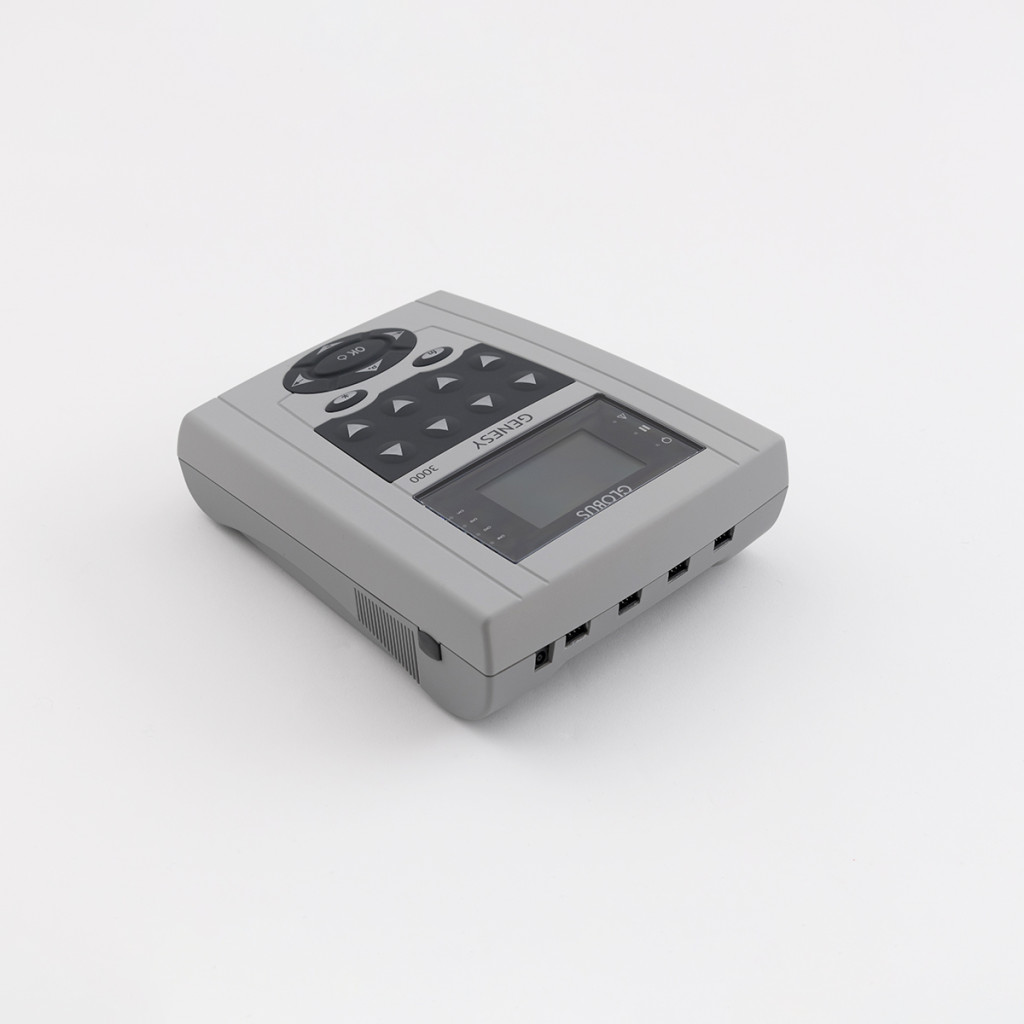
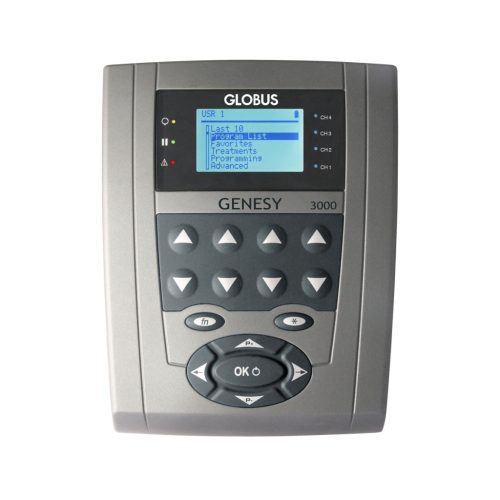
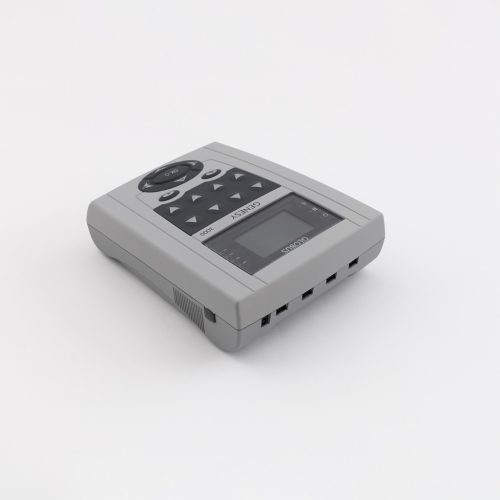
Learn where the connectors are, which cable is for what (4 colored cables for general programs, 2 grey for microcurrent and iontophoresis), and what the display looks like.
2. video – Battery handling
How to charge, when to replace, and what the display indicates. Important: for safety a treatment only starts from the battery — it cannot run while connected to the mains charger.
3. video – Using the menu
Step‑by‑step: how to navigate the Hungarian menu, choose a program for your complaint, adjust intensity and modify settings during treatment.
4. video – Useful extra functions
Saving favorites, setting profiles, locking programs (e.g. when lending the device to an elderly family member for one specific treatment), treating two patients simultaneously (2+2 mode).
What’s in the box?
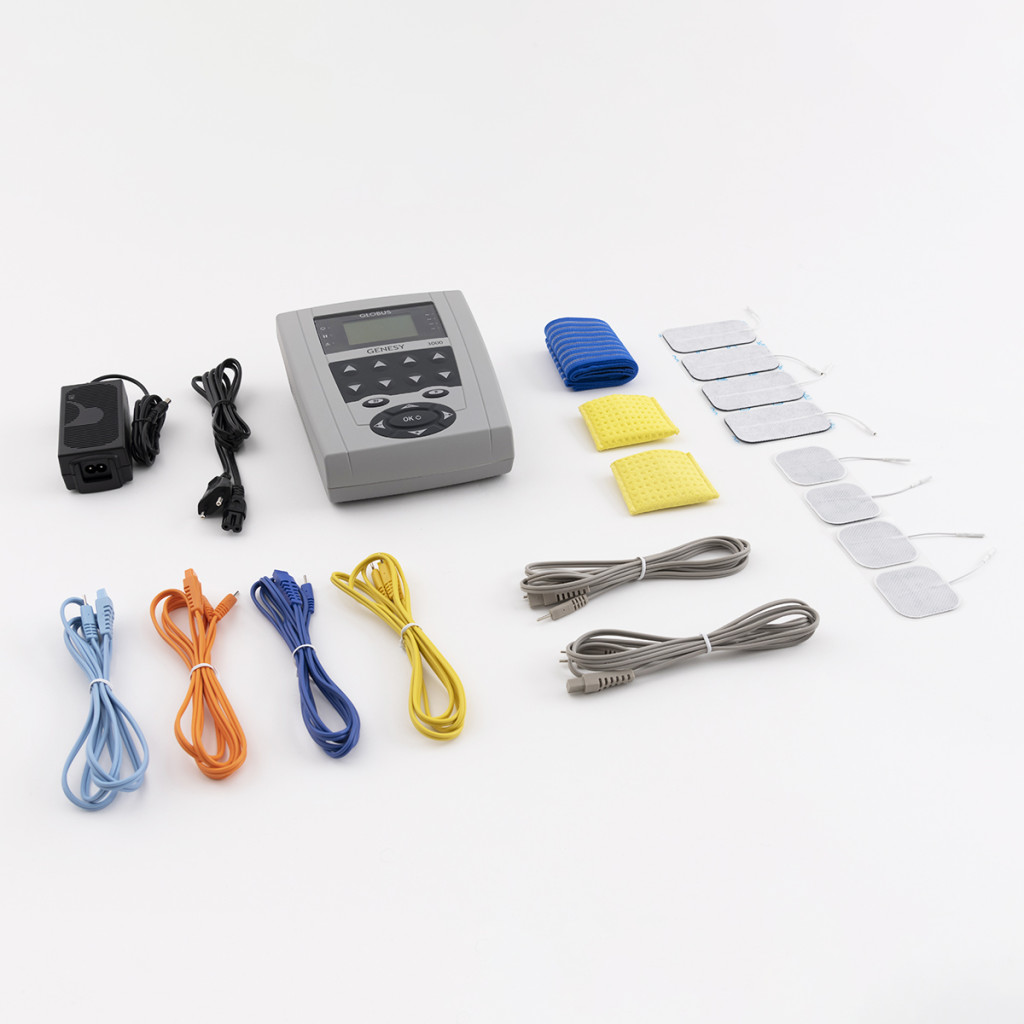
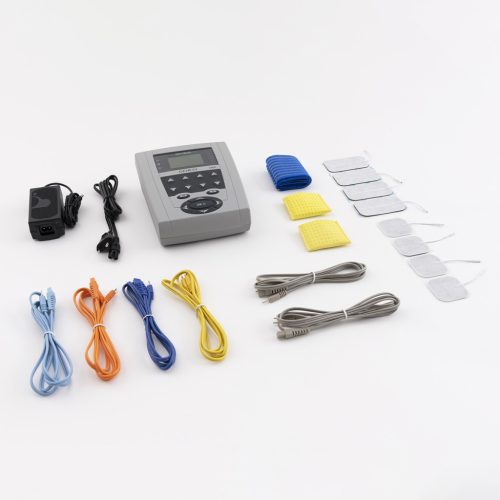
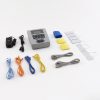
All essential accessories are included so you can start treatments immediately after purchase. Only iontophoresis sponge inserts and specialized probes (urological, vaginal, anal) are ordered separately.
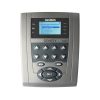
- 1 pc Globus Genesy 3000 device
- 4 pcs colored electrode cables (for TENS, EMS, denervated muscle, IF and Kotz programs)
- 2 pcs grey shielded cables (for microcurrent and iontophoresis programs)
- 4 pcs 50×50 mm adhesive square electrodes
- 4 pcs 50×90 mm adhesive rectangular electrodes
- 1 pc power adapter for charging the battery
- Built‑in Ni‑MH battery (suitable for several hours of treatment)
- 1 pc carrying bag
- 1 pc Hungarian user manual
Adhesive electrodes typically last for 15–20 treatments — replace them when adhesion weakens or the film peels. The device comes with a 1‑year warranty; the manufacturer recommends a check every 2 years. For optimal battery capacity check it every 6 months; if the device sits unused for over 3 months recharge before use. Clean the device with a damp, clean cloth — for disinfection a diluted sodium hypochlorite solution is appropriate (see the user manual for details).
Iontophoresis sponge insert (60×85 mm — for drug delivery), motor point pen (for more precise electrode placement), facial electrodes (for cosmetic programs), Y‑cables, urological (anal/vaginal) probes for pelvic rehabilitation — these accessories are available separately if needed. Discuss with your physiotherapist or physician whether any of these are necessary for your situation.
Technical specifications — what they mean for you
| Model | Globus Genesy 3000 |
| Manufacturer | DOMINO s.r.l. / Globus Corporation, Italy |
| Number of channels | 4 — you can treat 2 people or 2 painful areas at once |
| Current types | 8: TENS, EMS, microcurrent (MENS), FES, denervated, Kotz, IF, iontophoresis |
| Number of programs | more than 400 preset + 15 custom programs per user |
| User profiles | up to 10 — ideal for family use |
| TENS/EMS intensity | 0–120 mA — strong enough to provide pronounced tingling and visible muscle contraction |
| Microcurrent (MENS) | 0–800 µA — a thousand times gentler than TENS; typically not felt |
| IF (interferential) | carrier frequency 2500 / 4000 / 10000 Hz — more comfortable on the skin, reaches deeper |
| Iontophoresis | 0–10 mA, only on channel 1 — for drug delivery |
| Treatment time | 1–99 minutes per program — most clinical protocols use 15–60 minutes |
| Display and menu | backlit, Hungarian language — no technical dictionary needed |
| Safety sensor | detects if an electrode is not adhering and stops the current |
| Battery | built‑in Ni‑MH 12V / 2000 mAh — enough for several hours of treatment |
| Charging | with power adapter, approx. 12 hours for full charge |
| Device size / weight | 220 × 170 × 60 mm / 790 g — fits easily in a drawer or the carrying bag |
| Protection rating | IP22 — protected against vertical dripping water |
| CE certification | CE 0476 (KIWA CERMET ITALIA), Class IIa medical device |
 When NOT to use the Genesy 3000?
- If you have a pacemaker, implanted defibrillator (ICD), neurostimulator or another active implant — only with cardiologist / arrhythmologist approval.
- Do not place electrodes on the front of your neck (near the carotid artery).
- If you have cancer and the treatment area would be affected — consult an oncologist first.
- If you are pregnant — avoid use during the entire pregnancy.
- Do not place electrodes on your head, around the eyes or on the temples.
- Do not pass current through the chest (one electrode front, one back) — risk of cardiac rhythm disturbance.
- Do not stimulate the pectoral and back muscles simultaneously.
- If you have a new, worsening or unexplained pain — seek medical evaluation first.
- Do not treat over fresh wounds, dermatological conditions or new scars.
- Not recommended for fevers or inflammations of unknown origin.
- If you have a blood clot (DVT) in the treatment area — prohibited due to embolization risk.
- Poorly controlled epilepsy — requires individual medical judgment.
- Fragile capillaries (sensitive small vessels) — use cautiously with low intensity.
Unsure? Consult your treating physician or physiotherapist before use. Read details in the article electrotherapy contraindications.
 Important information
The Globus Genesy 3000 is a CE‑certified Class IIa medical device (CE 0476). It can be used safely at home by experienced users with treating physician / physiotherapist consultation. Iontophoresis, urology and incontinence programs should only be used under specialist supervision with appropriate drug/probe selection.
Possible side effects: skin irritation under electrodes on sensitive skin; rarely allergic reactions to electrode gel. If you experience rapid heartbeat or cardiac rhythm disturbances during treatment stop immediately and consult a physician.
The Globus Genesy 3000 is an adjunctive home treatment — it does not replace a treating physician’s diagnosis, prescribed medications or physiotherapy. For new, worsening or unexplained complaints consult your treating physician. Results may vary by individual.
Related reading recommended with the Genesy 3000
 Which electrotherapy is good for what? – decision support guide by complaint →
 Overview of electrotherapy methods →
 TENS primer – for noticeable pain →
 EMS primer – for muscle strength restoration →
 Microcurrent (MENS) primer – for slow‑healing wounds →
 Interferential (IF) treatment – for deep muscle/joint complaints →
 Iontophoresis primer – for delivering actives under the skin →
- TENS, EMS and MENS – what, when, for whom? →
- General contraindications – before you start →
 Electrotherapy and implants – what’s possible with a pacemaker? →