
 What is interference (IF) therapy?
Interference therapy (IF for short) is a form of electrotherapy primarily used for pain relief, muscle relaxation, and to support blood circulation and the healing process. During treatment, two medium- or high-frequency currents are delivered into the body via two channels; these cross each other deep in the tissues – this is called "interference".
The intersection creates a new, low-frequency pulsed current precisely at the treated area. Its advantage is that it can penetrate deeper than simpler surface stimulation. IF is an advanced feature available as a mode on multifunction electrotherapy devices.
 Who is it for?
IF is mainly of interest to those seeking deeper tissue pain relief and muscle relaxation and who want a versatile device. Because IF is a function of multifunction devices, you also get the full electrotherapy toolset (TENS, EMS, microcurrent). The detailed guide under the products will help you choose: detailed buying guide.
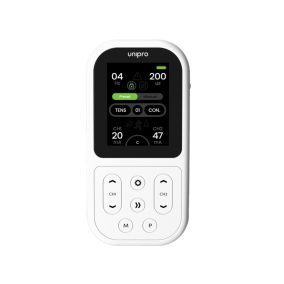
The UniPro is a two-channel, multifunctional electrotherapy device providing TENS, EMS, microcurrent and interferential (IF) treatments.
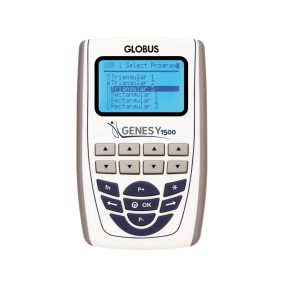


The Globus Genesy 1500 — one device for hundreds of complaints.
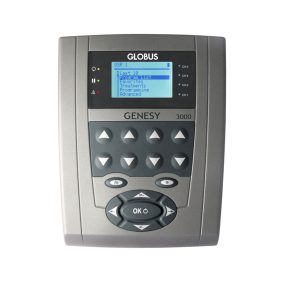


A Globus Genesy 3000 is a single device for hundreds of complaints.
 How does it work?
Two currents of different frequencies meet deep in the tissues and create a low-frequency, pulsed "resultant" current that concentrates on the treated area. Because this low-frequency component can penetrate deeper and more comfortably than surface stimulation, IF is typically used for the following:
- Pain relief: supporting the reduction of chronic and acute muscle and joint pain
- Muscle relaxation: helping to relieve muscle tension — useful for athletes and musculoskeletal complaints (low back pain, sciatica)
- Improving circulation: supporting local blood flow, which can aid regeneration
- Reducing swelling: may contribute to reducing inflammatory complaints and edema
Which device should you choose?
The IF function is available in three devices in our range – one entry-level and two top-tier models. Each also offers many other treatment modes.
| If you are looking for… | Check this first |
|---|---|
| Entry-level, multifunctional home device (IF + TENS + EMS + microcurrent) | UniPro |
| Top-tier, for a wide range of complaints (4 channels) | Genesy 1500, Genesy 3000 |
If your goal is solely pain relief, check the TENS devices; for muscle strengthening, see the muscle stimulators; and for another advanced mid-frequency method, read about Kotz (Russian) stimulation. A full overview is available on the electrical therapy main page.
 Dr. Zátrok's advice
IF is often administered by physiotherapists or rehabilitation specialists as part of a personalized treatment plan, and it is frequently combined with other therapies. It is suitable for home use, but for the best results consider a considered, regular treatment plan — single sessions rarely produce lasting effects.
If you are just starting out, you don't necessarily need to choose the most expensive device just for IF. However, if you want versatile, deeper treatment, the Genesy models are prepared for that.
 When NOT to use it?
Interference therapy is generally well tolerated, but in the following cases consult a physician before purchasing or using:
- Pacemaker or other implanted electronic device
- Severe cardiac arrhythmia
- Pregnancy (especially over the abdominal area)
- Epilepsy — with increased caution, particularly when treating the head, neck, and chest regions
- Cancerous disease at the treated area
- Active infection or inflamed skin at the treated area
- Thrombosis — avoid treating areas over a blood clot
 Advanced method — worth starting prepared
IF is often set up by a specialist as part of an individualized therapeutic plan. For rehabilitation purposes, start the treatment under the guidance of a physiotherapist or specialist where possible.

