What complaints can the SaltDome help with?
Salty air may help clear nasal passages and reduce mucosal swelling. Many allergy sufferers report milder symptoms when they start regular use 2–4 weeks before the season. Details: Hay fever and salt therapy.
The mucolytic effect can aid faster recovery, and regular use may help prevent infections — valuable in preschool and school settings where illnesses spread quickly.7 Details: Cold and salt therapy.
Research suggests salt therapy may have favourable adjunctive effects in asthma without side effects — also in children.3,6 Important: in an asthma attack it does NOT replace your rescue inhaler! Details: Asthma and salt therapy.
Salty air can help loosen secretions and ease breathing; studies report improvements in lung function and quality of life — as a complement to medication, never a replacement.2,4,5 Details: COPD and salt therapy.
The fine salt particles can reach the sinuses, helping to dissolve and remove secretions. If snoring is nasal in origin (caused by congestion or allergy), restoring free nasal breathing can reduce snoring. Details: Sinusitis and salt therapy, Snoring and salt therapy.
In athletes salty air may reduce exercise-induced asthma symptoms and support recovery. Details: Salt therapy for athletes.
For dogs and cats with respiratory complaints it can be used similarly to humans. Details: Salt therapy for pets.
If you’re looking for the scientific background, history, and a detailed comparison of methods (salt cave, salt room, salt pipe, salt lamp), see the Comprehensive salt therapy guide.
How does inhaled salty air work?
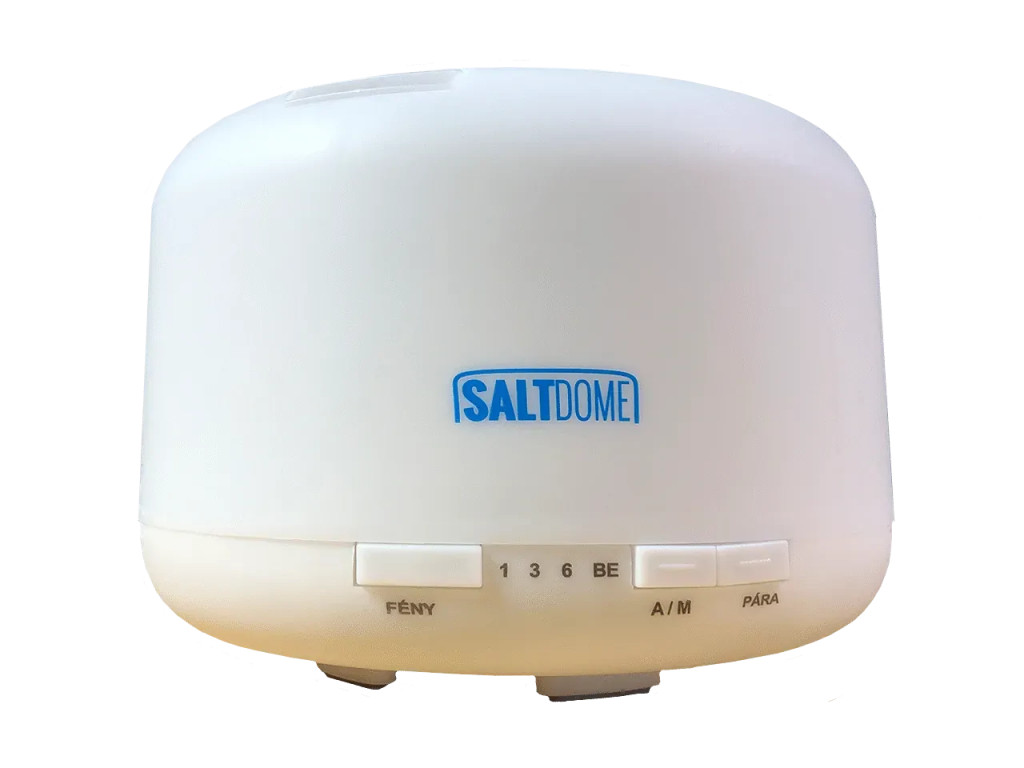
The SaltDome nebulizes saline ultrasonically, releasing 2–5 micron salt particles into the air. This size, research suggests, can reach the lower airways — small enough to reach the bronchi yet large enough to deposit there.8 Salt that adheres to the mucosa can act in three ways:
- Mucus thinning: salt’s osmotic effect draws water to the mucosal surface — like salting cucumber slices. Secretions thin and become easier to cough up and clear.8
- Mucosal calming: salt particles may reduce mucus viscosity and help restore normal mucosal function, which can be beneficial in allergic conditions.1,8
- Support for ciliary function: the tiny cilia that sweep mucus and debris outward can be reactivated; in chronic airway disease this function slows down, and salt therapy may aid its recovery.2
Frequently asked questions
Most users notice changes after a few days of regular nightly use. Salt therapy is not an acute treatment: consistency matters more than intensity. Give your body a few weeks before judging.
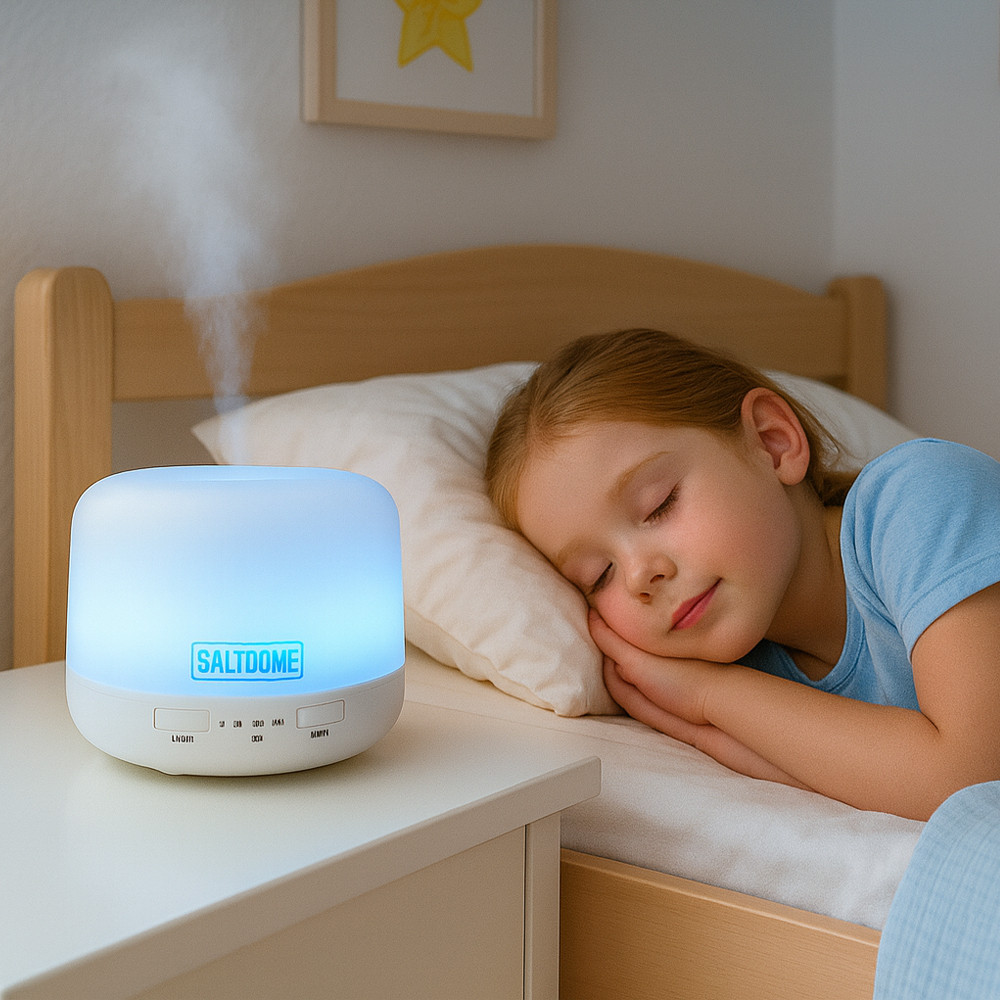
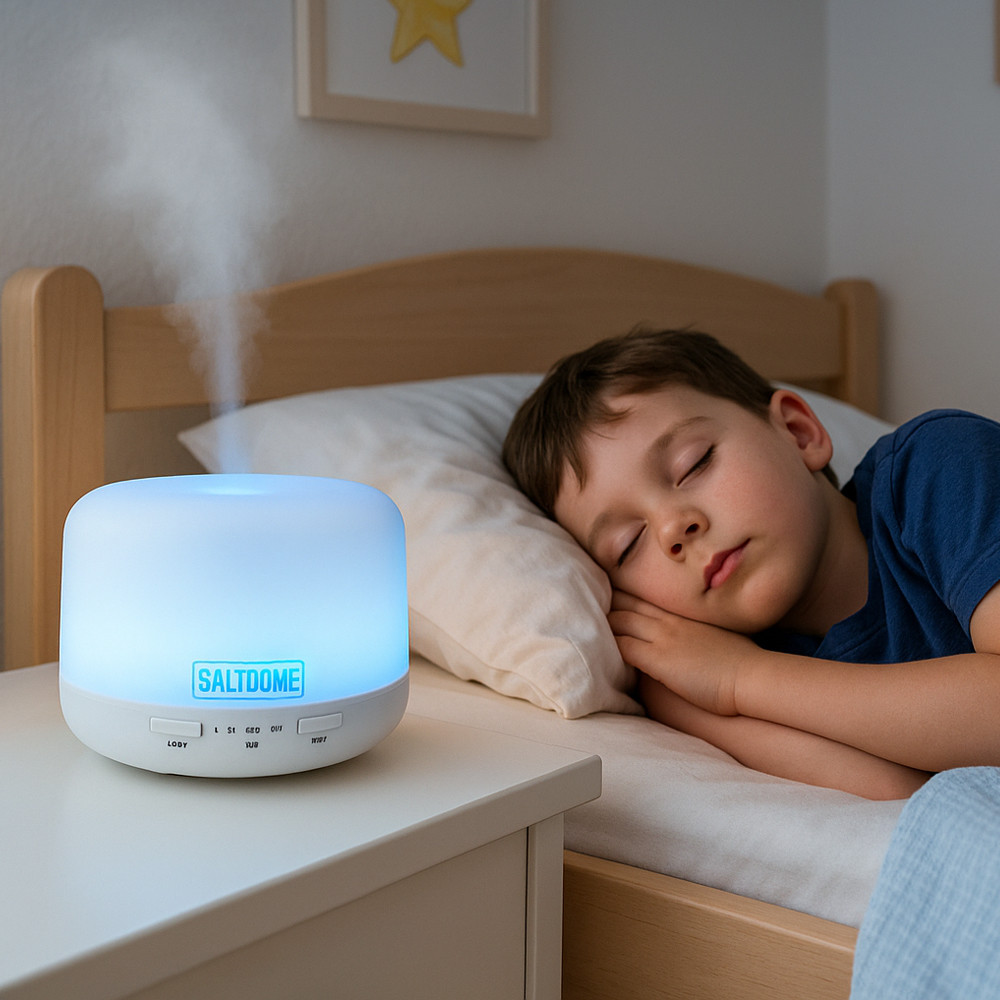
Yes, salt therapy is safe for children (consider that billions of people live by the seaside). Research in children found no adverse effects, and regular use may reduce upper respiratory infections.3,7 Start 2–3 weeks before allergy season or kindergarten start.
Salt pipes deliver coarse salt particles only to the upper airways, mainly affecting the mouth and throat. Salt lamps are decorative and do not emit therapeutic salt particles. The SaltDome’s ultrasonic nebulization produces 2–5 micron particles that can reach the lower airways — and when used nightly during sleep, regular use requires no extra time or willpower.
We recommend only additive-free, natural rock salt — iodized table salt or salt treated with anti-caking agents is not suitable for the airways. The rock salt available in our shop is optimised for the device. Consumption is minimal: one container lasts months with daily use.
There’s no rule that salt therapy must be limited to a few weeks — think of the millions who live by the sea. Adjust use to your family’s needs: during cold seasons (autumn–spring, school start) you can use it continuously for 2–3 months; start 2 weeks before allergy season.
No. Salt therapy is a complementary method to be used alongside medical treatment, not instead of it. If you have COPD, continue taking your prescribed medications; if you have asthma, keep your rescue inhaler at hand. Salt therapy aims to support natural defenses and improve quality of life.
NO. In an asthma attack, use your rescue inhaler — salt therapy is for prevention and supporting symptom-free periods. Also wait until fever has subsided before using during acute respiratory infections.
See it in action
In this short film I demonstrate the SaltDome device:
- preparing the saline and filling the tank,
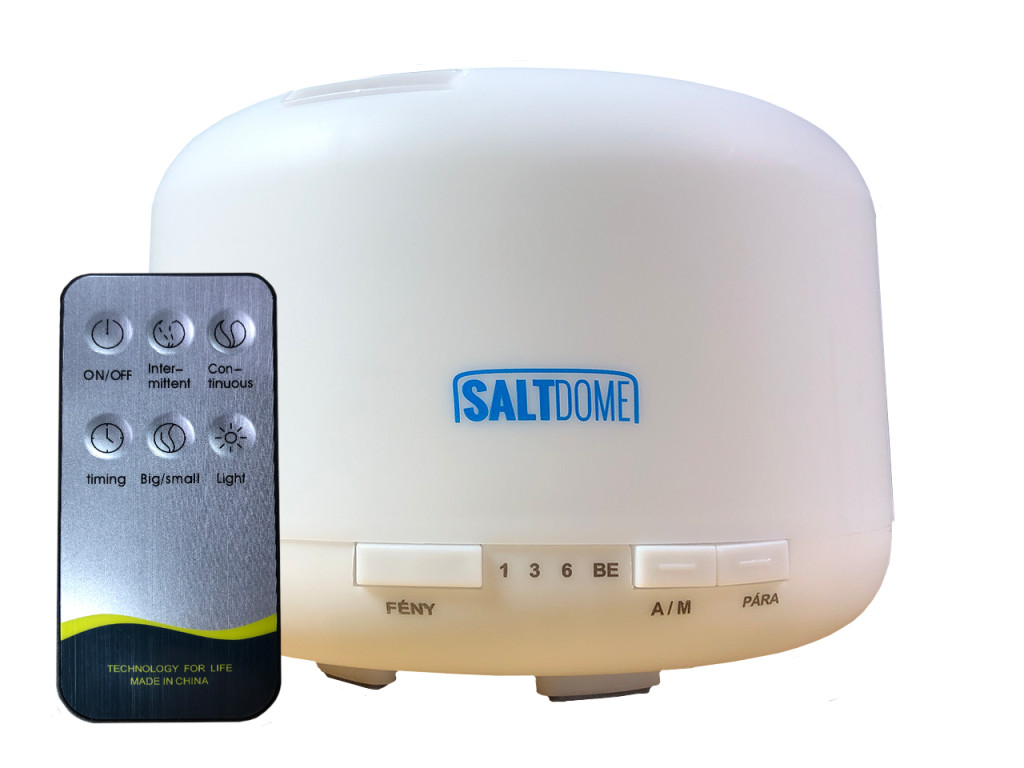
- placement and remote control operation,
- practical nightly use.
How to use the SaltDome?
1
Prepare the saline
Fill the tank with water and dissolve one measuring scoop of natural rock salt according to the user manual. The device produces 2–5 micron particles by ultrasonic nebulization.
2
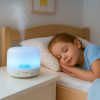
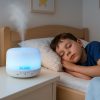
Place it near your bed
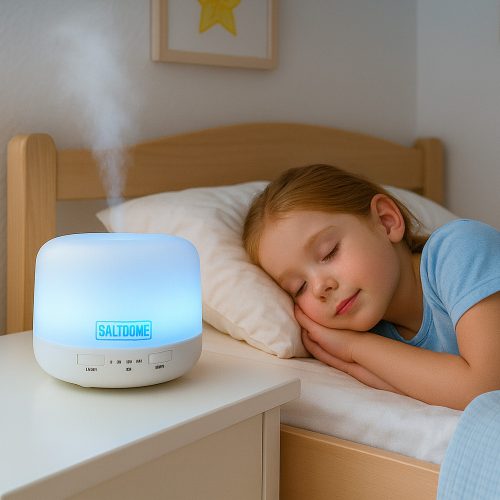
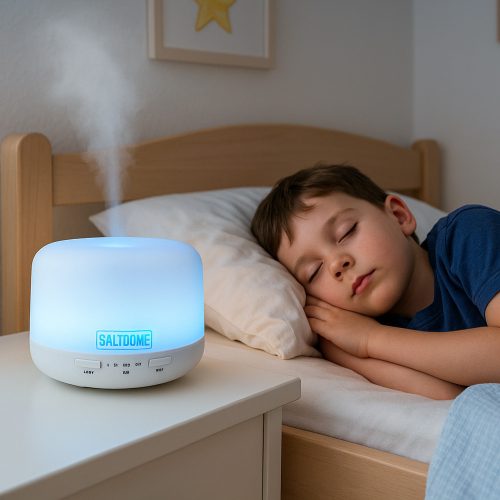
Put the device on a stable surface not far from your sleeping area. It affects roughly one bedroom’s airspace. Most effective when operating about one to one-and-a-half metres from your head.
3
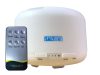
Turn it on — you can use the remote
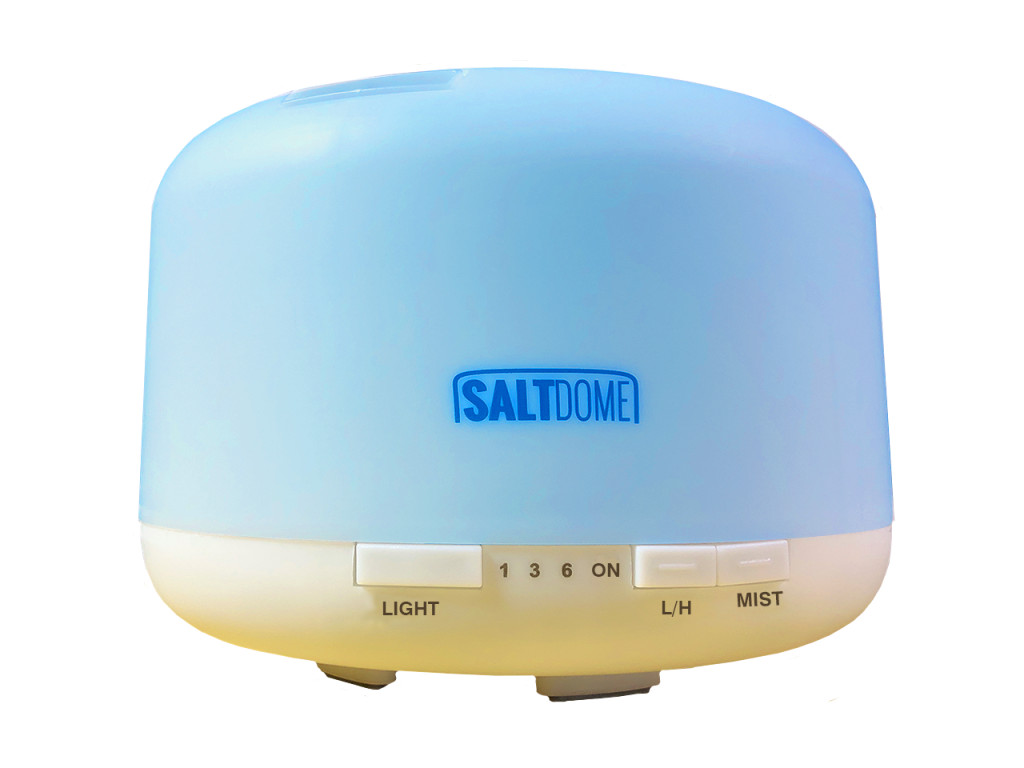
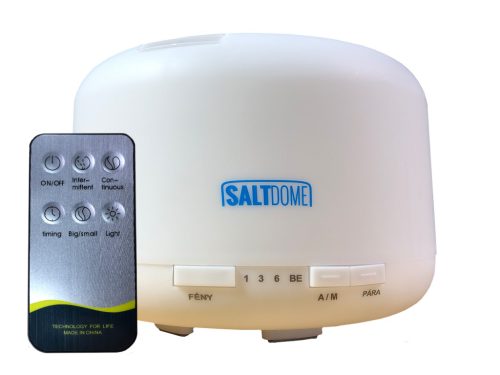
Start it before falling asleep; you can control the mood-LED colour and operation from bed with the remote.
4
Sleep — the device works
Daily night use of 6–8 hours is recommended: you’ll inhale gently salty air all night, unnoticed. During cold seasons you can also use it during the day for shorter periods.
5
Maintain it
Replace the saline regularly and clean the tank according to the manufacturer’s instructions — hygiene and proper maintenance are required for effective operation.
What’s in the package?
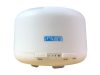
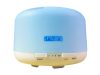
The SaltDome package contains:
- 1 pc SaltDome ultrasonic salt therapy device
- 1 pc power adapter
- 1 pc remote control
- 1 pc measuring scoop
- 1 pc measuring cup
Order tip: the device requires additive-free, natural rock salt. Add the natural, additive-free rock salt to your cart in one click — so you can start using the device from the first evening.
Replace the saline regularly and clean the tank according to the manufacturer’s instructions. Wipe the exterior with a dry or slightly damp cloth. Regular maintenance ensures hygiene and consistent nebulization.
Technical specifications
| Model | SaltDome salt therapy device |
| Operating principle | Ultrasonic saline nebulization |
| Salt particle size | 2–5 microns |
| Control | On-device + remote control |
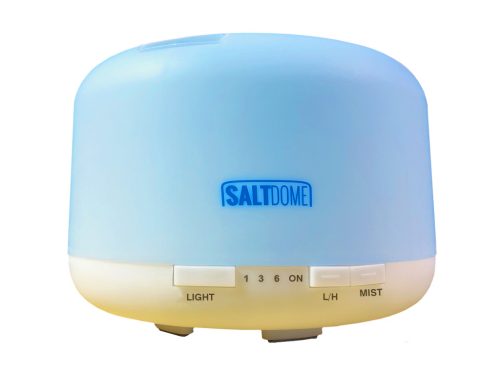
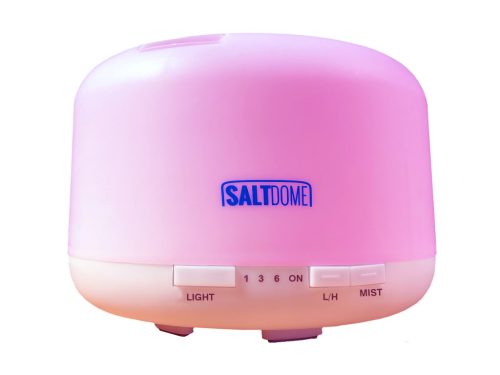
| Lighting | Switchable-colour mood LED |
| Recommended use | Daily 6–8 hours, at night while sleeping |
| Operation | Quiet, designed for night use, mains-powered |
| Required consumable | Additive-free, natural rock salt |
| Warranty | 24 months |
 When NOT to use the device
- Active tuberculosis
- Airway bleeding
- Severe heart failure
- Acute respiratory infection with high fever – wait until the fever subsides
- Untreated, severe high blood pressure – consult your physician first
- Kidney disease – consult due to possible salt metabolism issues
- Malignant tumour – discuss with your treating physician beforehand
Unsure? If you have a chronic condition, consult your treating physician before starting salt therapy!
 Important information
Salt therapy is a complementary treatment used alongside medical care, not instead of it. You may experience a temporary increase in coughing at the start — a sign of mucus clearance — and mild throat irritation in the first sessions. If symptoms persist or worsen, reduce session time or pause use and consult a physician.
The information here is for guidance only. Salt therapy is a complementary method and does not replace medical treatment. Consult your treating physician for complaints. Refer to the user manual for correct device use.
Related guides and content
 Comprehensive salt therapy guide — scientific background and methods →
 Salt therapy devices — full category →
 Natural, additive-free rock salt for the device →
 Asthma and salt therapy →
 COPD and salt therapy →
 Hay fever, allergy and salt therapy →
 Cold, common cold and salt therapy →
Scientific sources
The clinical background of salt therapy (halotherapy) is supported by the following studies and professional sources:
- Chervinskaya AV, Zilber NA (1995). Halotherapy for treatment of respiratory diseases. Journal of Aerosol Medicine. PubMed
- Crisan-Dabija R és munkatársai (2022). Halotherapy for Chronic Respiratory Disorders: From the Cave to the Clinical. Alternative Therapies in Health and Medicine. PubMed
- Bar-Yoseph R és munkatársai (2017). Halotherapy as asthma treatment in children: A randomized, controlled, prospective pilot study. Pediatric Pulmonology. PubMed
- Meditsina Truda i Promyshlennaya Ekologiya (2018). Efficiency of controlled halotherapy in rehabilitation of patients with occupational lung diseases. PubMed
- Rashleigh R, Smith SM, Roberts NJ (2014). A review of halotherapy for chronic obstructive pulmonary disease. International Journal of Chronic Obstructive Pulmonary Disease. PubMed
- Crișan-Dabija R és munkatársai (2021). Halotherapy—An Ancient Natural Ally in the Management of Asthma: A Comprehensive Review. International Journal of Environmental Research and Public Health. PubMed
- Khan MA és munkatársai (2012). The use of Halotherapy for the health improvement in children at institutions of general education. Voprosy Kurortologii, Fizioterapii i Lechebnoi Fizicheskoi Kultury. PubMed
- Semmelweis University, Department of Otolaryngology and Head–Neck Surgery. Effects of salt therapy. semmelweis.hu