
Sleep is a person’s natural state of rest and a fundamental necessity for the body. A sleep disorder (insomnia) refers to a deficiency in the quantity and/or quality of sleep.
Filter
Brand
All products in category3
Product

Vagus nerve stimulator with four modes: Sleep – supports falling asleep. Relax – stress relief. Medit – meditation. Relief – pain and headache relief.
Price includes:
ZenoWell Luna device 1 pc
Earplug electrode for left ear 1 pc
Silicone-carbon electrode covers 1 pc
Charging cable 1 pc
Spray bottle 1 pc
Contact gel brush 1 pc
Textile carrying pouch 1 pc
Out of stock
409.00 €
Out of stock
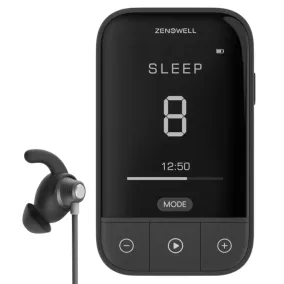
Vagus nerve stimulator with three modes: Sleep – supports falling asleep. Relax – stress relief. Medit – meditation.
Price includes:
ZenoWell Vita device 1 pc
Earplug electrode for left ear 1 pc
Silicone-carbon electrode covers 1 pc
Charging cable 1 pc
Spray bottle 1 pc
Conductive-gel brush 1 pc
Fabric carry pouch 1 pc
In stock
329.00 €
CE / MDR
GLOBUS
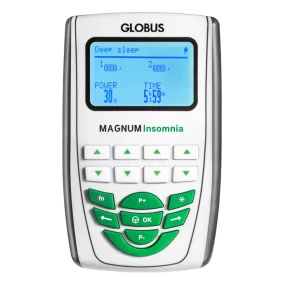


Magnetotherapy (PEMF) device with mattress for treating certain forms of sleep disturbance.
Included in the price:
Magnum Insomnia device 1 pc
TotalBody mattress 180x70cm 1 pc
Mains power supply 1 pc
Carrying case 1 pc
Magnum test 1 pc
Out of stock
599.00 €
Out of stock
All products in category3
Product
A sleep disorder is a condition in which an individual has difficulty falling asleep, staying asleep, or experiences poor sleep quality. Sleep disorders include insomnia, sleep apnea, restless legs syndrome, narcolepsy, and sleep-related movement disorders.
Causes of Sleep Disorders
- Stress and anxiety: Mental health issues often lead to sleep disturbances.
- Physical health issues: Chronic pain, respiratory problems, and other illnesses can affect sleep.
- Lifestyle factors: Poor sleep habits, caffeine, alcohol, or drug use.
- Environmental factors: Noisy or uncomfortable sleeping environment.
- Hormonal changes: Pregnancy, menopause, or thyroid issues.
Consequences of Sleep Disorders
- Reduced concentration and memory: Sleep deprivation negatively affects cognitive functions.
- Mood disorders: Increases the risk of depression and anxiety.
- Decline in physical health: Increases the risk of cardiovascular disease, diabetes, and obesity.
- Decreased performance: Lower productivity at work or school.
Treatment Methods
- Medication: Use of sleeping pills, sedatives, or antidepressants.
- Behavioral therapy: Cognitive behavioral therapy (CBT) for treating insomnia.
- Lifestyle changes: Establishing regular sleep routines, avoiding caffeine and alcohol.
- Physical therapy: Relaxation techniques such as yoga or meditation.
Non-medication Treatment Options
- Cognitive Behavioral Therapy for Insomnia (CBT-I): A specialized cognitive therapy developed for treating insomnia.
- Improving sleep hygiene: Establishing consistent sleep routines and ensuring an optimal sleep environment.
- Relaxation techniques: Yoga, meditation, deep breathing, progressive muscle relaxation.
- Light therapy: Using natural sunlight or specialized lamps to regulate the circadian rhythm.
Physical Therapy Methods
- Cranial Electrotherapy Stimulation (CES): the only form of electrotherapy that can be applied to the cranial area, such as the forehead or nape. Its beneficial effects are triggered by gentle electrical impulses.
- BEMER (Bio-Electro-Magnetic Energy Regulation): This therapy improves microcirculation, which can promote better sleep quality and overall regeneration.
- PEMF (Pulsed Electromagnetic Field Therapy): Pulsed electromagnetic field therapy can improve sleep quality by stimulating cellular-level regeneration processes.
- tVNS (Transcutaneous Vagus Nerve Stimulation): By stimulating the vagus nerve (also known as the tenth cranial nerve), it enhances parasympathetic nervous system activity, reducing anxiety and improving sleep quality.

