Blog
Does your hand go numb at night? Are you woken by pain instead of an alarm clock because your fingers tingle as if ants were walking on them? Do you feel a burning pain above the wrist that radiates into the thumb, index and middle fingers? If you experience these symptoms, you are likely suffering from carpal tunnel syndrome (CTS) — and you are not alone.
Carpal tunnel syndrome is the most common peripheral nerve compression, affecting 3–5% of the adult population, and it can be up to six times more common in women than in men.1 The good news: mild and moderate cases can be effectively treated conservatively — including with low-level laser therapy — without surgery. You can read more about soft laser therapy here.
You take training seriously – but how much attention do you pay to recovery? If you struggle with muscle soreness, tendon problems or recurring injuries as an athlete, soft laser therapy (LLLT) can help you get back on the field faster. Scientific research increasingly supports its effectiveness across several areas.
In this article I will show which sports injuries can be treated with a soft laser, how to apply it, what the latest meta-analyses say, and how to incorporate it into your at-home recovery routine.

Low-level laser therapy (LLLT/photobiomodulation) is one of the safest physiotherapy procedures – but this does not mean it can be used by everyone or in every situation. If you use a home low-level laser device, or are considering buying one, it is important to know the contraindications and the rules for safe use.
In this article, I summarise when NOT to use low-level laser therapy, which precautions to take and which side effects you may expect – based on scientific research and professional guidelines.

Soft laser therapy – known scientifically as photobiomodulation (PBM) – has been studied for more than half a century. From its accidental discovery in 1967 to the present day, thousands of scientific studies have examined its mechanisms of action and clinical applications. But what does the scientific evidence really say? How strong is the evidence base? And what can we rely on, and where should we be more cautious?
In this article, you will get a comprehensive overview of the scientific background of soft laser therapy – from its mechanisms of action through clinical evidence to current professional guidelines.

Gum inflammation, aphthous ulcers, temporomandibular joint pain, or an area after tooth extraction that refuses to heal – do these situations sound familiar? Soft laser therapy (photobiomodulation) is becoming increasingly popular in dentistry, and the good news is that it can be used not only in the dental practice but also at home. In this article, I’ll show you which oral problems it may help with and what scientific research says.
If your dog limps because of osteoarthritis, your cat struggles with a slow-healing wound, or your horse has tendon issues – more and more veterinarians and physiotherapists are turning to low-level laser therapy (LLLT, photobiomodulation). But does it really work? In this article I summarize what scientific research says and when it’s worth considering this treatment method.
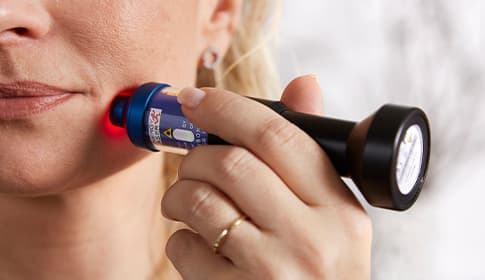
If you're thinking about buying a softlaser device, you've probably already run into “amazing offers”: cheap, many-diode “professional medical lasers.” The reality is that the market is full of misleading products. In this guide I'll show you how to spot scams and how to choose a device that will actually help.
If you've long been dealing with pain, slow wound healing or chronic complaints, you've probably tried many methods: medicines, injections, physiotherapy — each has its place. But what if, in addition to these, you want to do something for yourself at home, on your own schedule?
Softlaser therapy — scientifically called photobiomodulation — makes exactly that possible. It does not replace medical treatment but complements it: it gives you another tool to actively participate in your own recovery.
In this article I show which conditions and complaints home softlaser therapy can support, and help you navigate the different application areas.
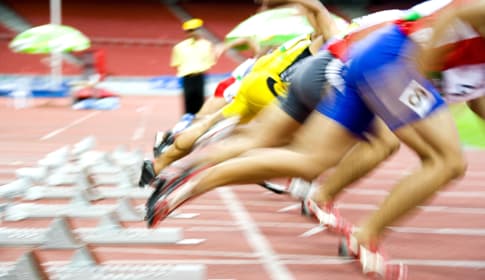
If you exercise – whether amateur running, cycling or competitive training – you know how important efficient breathing is. A well-functioning respiratory system delivers more oxygen to the muscles, improves endurance and speeds up recovery. The salt therapy (halotherapy) is a simple, natural method that can help optimize your airways – before workouts, after them and on rest days.

If your dog or cat is struggling with respiratory problems – coughing, difficulty breathing, or allergic symptoms – you’re probably looking for ways to help. The salt therapy (halotherapy), a complementary method long used for human respiratory complaints, can also be applied to household pets. In this guide I explain when and how to use it at home.

Interest in halotherapy (salt therapy) has increased significantly in recent years among both patients and professionals. This guide is intended for healthcare professionals – physicians, physiotherapists, respiratory therapists, and rehabilitation specialists – who wish to learn about the scientific background of the method, the available evidence, and its practical applications.