Blog
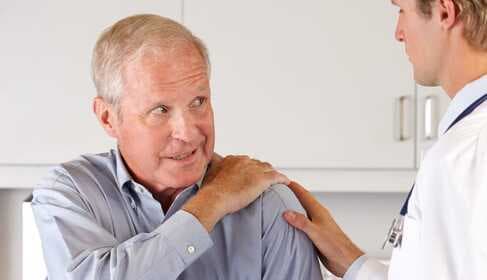
Let’s start with two figures, because they say everything about why I wrote this article. In Hungary, the number of years spent in good health is roughly 50–55 years — in other words, the average Hungarian spends the last two or three decades of life with illness, medicines and limitations. And around half of the adult population lives with at least one chronic disease: high blood pressure, diabetes, joint degeneration, or cardiovascular disease.
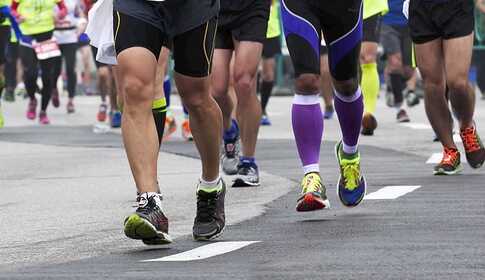
While your training partners are still pushing extra sets, smart athletes are training smarter with the same technology used in Olympic training centers. Professional athletes have been using a method for years that most amateurs have no idea about. It's time for you to find out what makes the difference.
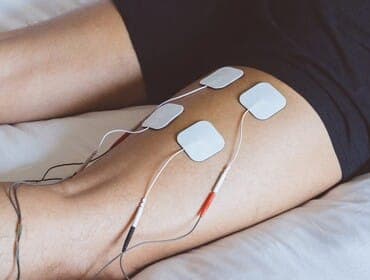
International elite sport has integrated electrical muscle stimulation into its toolkit for decades — however, at the domestic amateur and semi‑professional level it can still be a lesser‑known option. Fresh clinical trials after 2020 consistently show that EMS (or NMES) can simultaneously support strength development, recovery and injury prevention — as a complementary tool, not instead of traditional training. In this article I summarize what EMS is useful for athletes, which protocols are recommended, and which device suits a given sport.
Do you also enjoy a reward beer after a long bike ride? You're a bit thirsty and hungry… Why not have a drink? However, you should know how alcohol affects your body. How will it affect your recovery? And while we're at it, how does it affect your athletic performance? The cognitive effects of alcohol are well known: it impairs coordination skills, decision-making and perception. […]

Microcurrent therapy — internationally abbreviated as MENS (Microcurrent Electrical Neuromuscular Stimulation) — is the branch of electrotherapy that uses the lowest current intensities. Classic TENS and EMS devices operate in the 0–50 milliampere (mA) range; microcurrent is 1,000 times smaller, only in the 10–600 microampere (µA) range. This magnitude is so small that the user typically does not feel a tingling — the current is subsensory, i.e., below the sensory threshold. Nevertheless, it can produce clinically demonstrable improvements in certain indications (knee pain, wound healing).

There can be many reasons to switch to a vegetarian diet. For example, to preserve or regain your health, because of spiritual beliefs, concerns about animal welfare, fear of antibiotics and hormones used in animal husbandry, or to avoid excessive exploitation of environmental resources, etc.
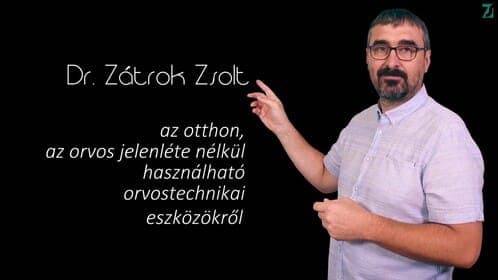
Finding information through videos is becoming increasingly popular, so I also have a YouTube channel. In video format it's easier to introduce the various home medical devices, their uses, proper operation and how treatments are carried out.
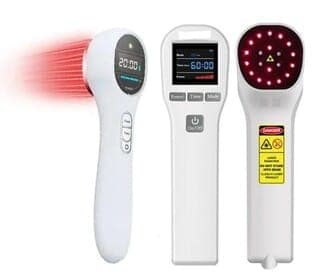
In recent times, the market has been flooded with laser devices offered in a wide range of designs and prices – supposedly for almost anything (of course, without meaningful medical evidence).
If you want to avoid being misled by soft laser devices, read this article.