
Blog
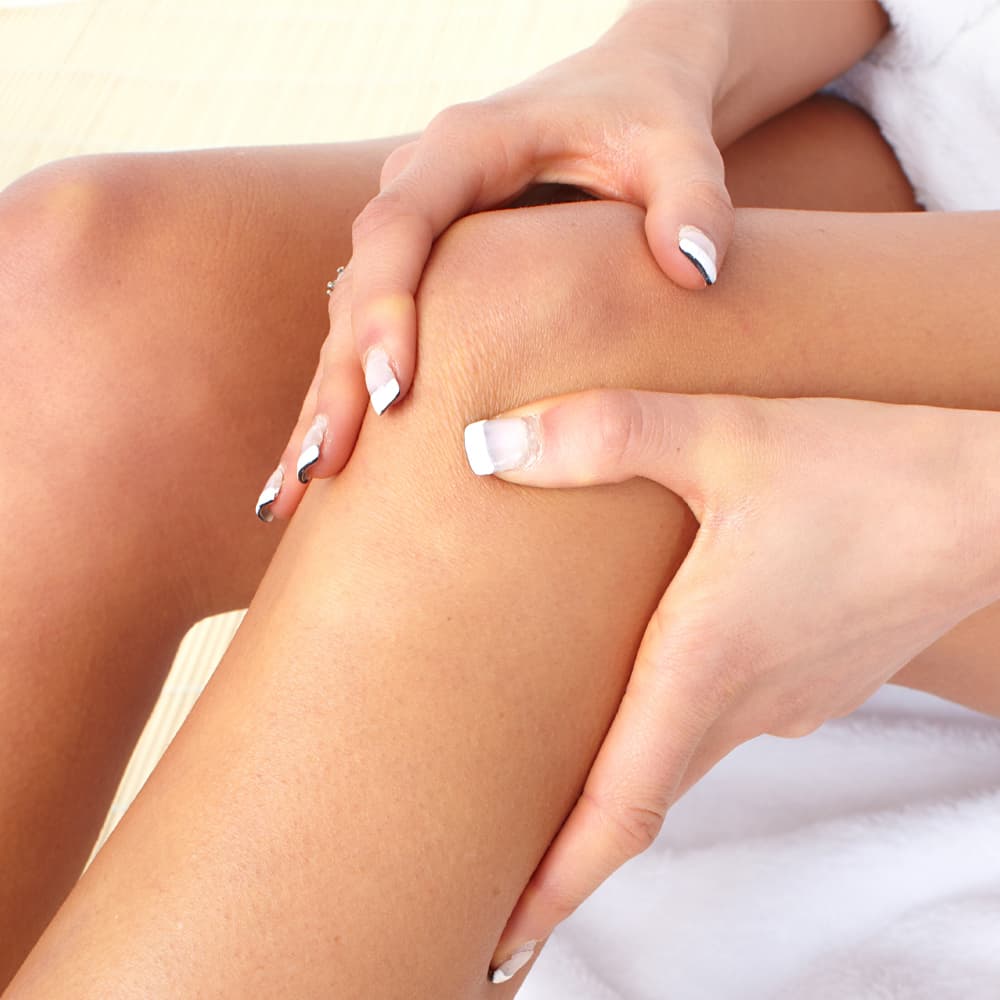
Knee pain is one of the most common musculoskeletal complaints. It may be a dull, constant discomfort or a sharp, stabbing sensation that makes climbing stairs, walking or even resting difficult. If your knee sometimes “speaks up”, you have probably already looked for many different solutions, from creams to medicines.
Now I’ll introduce an option that is easy to use at home and may support the body’s natural regeneration processes: pulsed electromagnetic field therapy (PEMF for short). I’ll also guide you through how to use it.
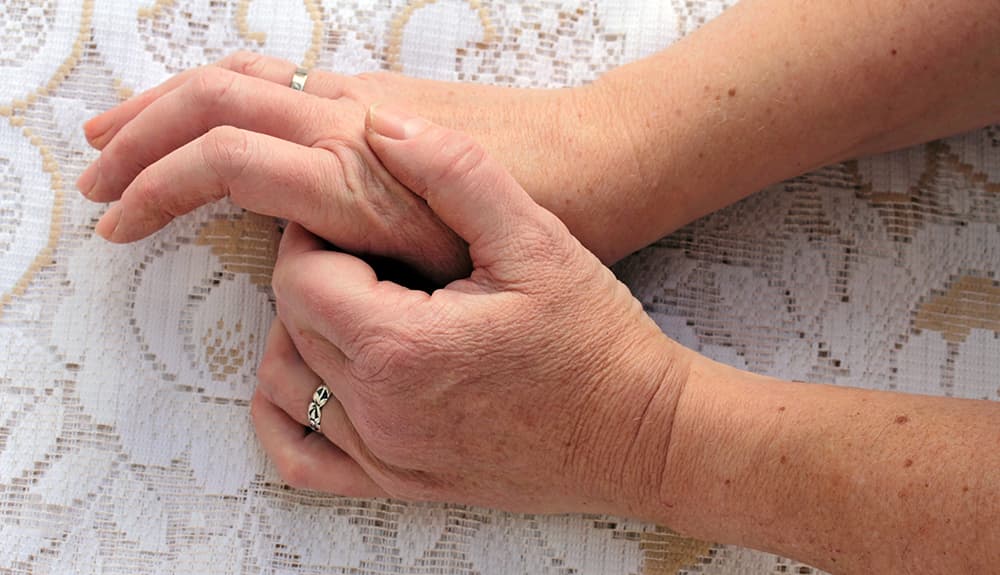
Arthritis – medically called arthritis – is one of the most common musculoskeletal problems today. In Hungary it is estimated to affect more than one and a half million people in some form. Joint pain not only restricts movement but also significantly reduces quality of life. If you are among those whose mornings begin with painful stiffness or who struggle to climb every flight of stairs, you know exactly what I mean.
In this comprehensive article you will learn about the causes of arthritis, conventional and alternative treatment options, and how you can manage joint pain with solutions that avoid drugs and their side effects.
If you need physiotherapy, you will almost certainly encounter these colorful, elastic bands. But do you know how this simple little tool can become one of the key pillars of your lasting recovery? In this article I will show you why it's worth taking resistance bands seriously and how you can use them effectively and flexibly at home.
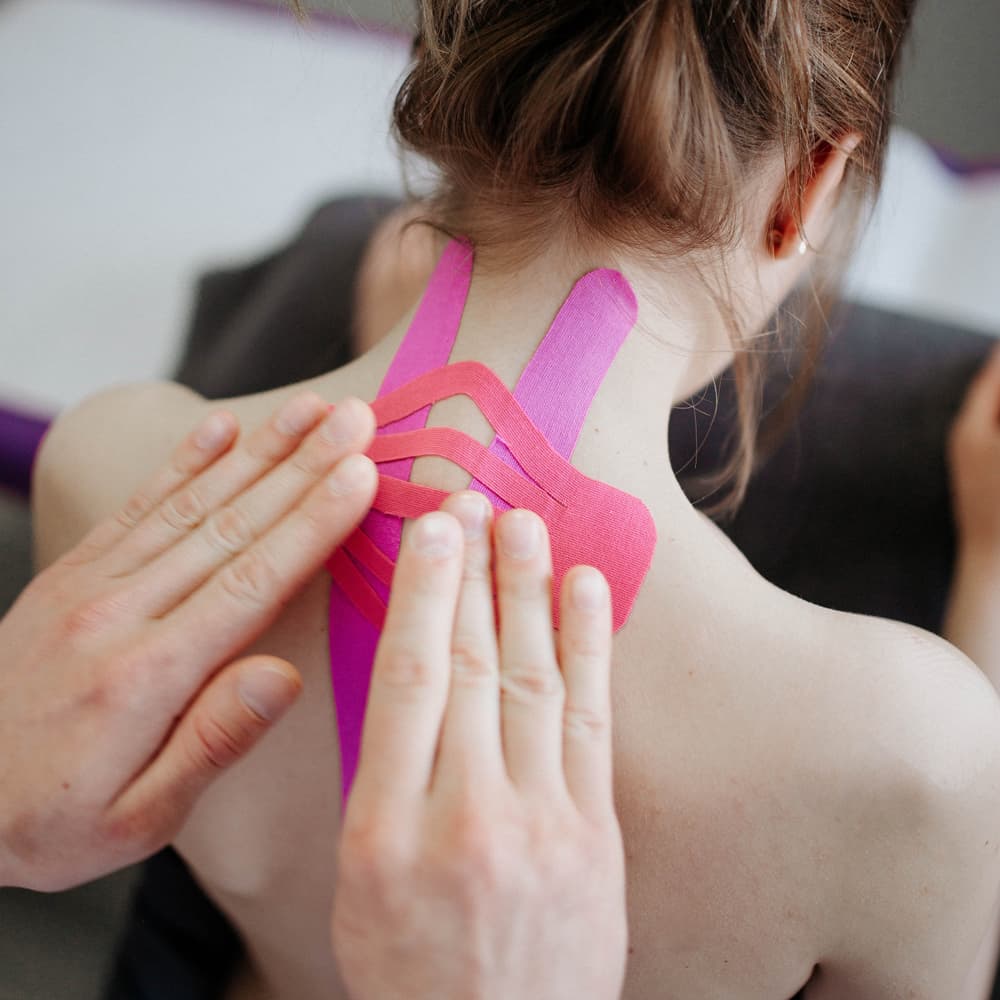
Kinesiology tape (kinesio tape) is a special, highly elastic adhesive tape developed for the treatment and prevention of musculoskeletal complaints and pain. It gained popularity among athletes — today we can see competitors wearing the distinctive colorful strips at almost every sports broadcast — but the method goes far beyond sports medicine.
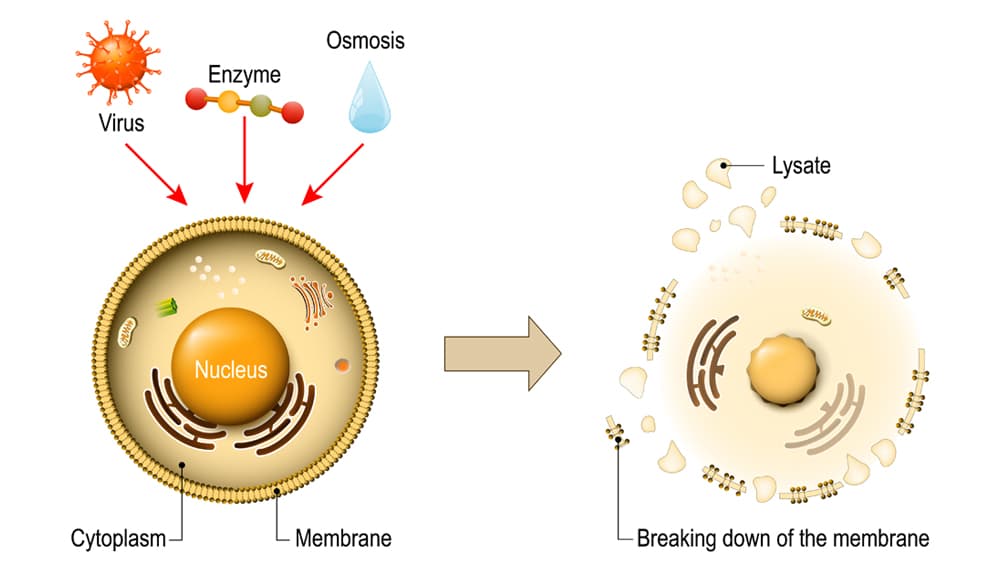
Your body has remarkable abilities to maintain and renew itself. One of the most important — and for a long time hidden — mechanisms is autophagy, literally meaning “self-eating.” This cellular process plays a fundamental role in maintaining your health, preventing chronic diseases, and even in their treatment. In 2016, Japanese cell biologist Yoshinori Ohsumi received the Nobel Prize for elucidating the mechanisms of autophagy, which drew attention to this extremely important biological phenomenon.
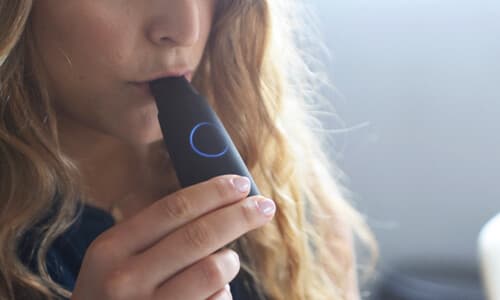
As a physician, I have seen for decades that most diets do not work, at best producing only temporary results. I imagine you have tried some kind of diet yourself. Many types are recommended—low-carb, low-fat, intermittent fasting, calorie counting. And despite the self-denial... the results are usually temporary.
The root of the problem is that these general methods do not take individual differences into account. Each of our metabolisms works differently, and what helps one person may fail for another. The key is not only how much we eat, but understanding how our body processes nutrients.
The Lumen device fills precisely this missing link: it measures in real time whether your body is burning fat or carbohydrates, and therefore provides personalized guidance for your nutrition. This is not just another "gadget"—this is a revolution in nutrition grounded in science.
If you train regularly — whether running, cycling, team sports or CrossFit — you know that feeling when taking the stairs after a workout is uncomfortable. Muscle soreness, heavy legs, and tight, sensitive muscles all signal that your body worked hard and now needs rest and recovery. And this is where compression therapy comes in — a method increasingly used by athletes to support preparation and recovery. But does it really work? What do the scientific studies say? And how can you use it at home? I look for answers to these questions in this article.

Do you know that feeling when windows open in spring, everyone enjoys the sunshine – and you’re stuck behind closed doors sneezing, your nose is blocked, and your eyes itch and tear up? Hay fever, or allergic rhinitis, affects more than two million people in Hungary, and those affected know well: the pollen season is a real ordeal.
The good news is that besides medication there are complementary methods that can help ease symptoms. One of these is salt therapy. In this guide I’ll show how salt can help reduce your allergic nasal and respiratory complaints, what the scientific studies say, and how you can use it at home.

You've probably noticed how beneficial seaside air can be for your breathing. A week at the shore and it feels like your lungs have been refreshed — you breathe more easily, cough less, and your nose feels clearer. This is neither accidental nor imagined. The beneficial effects of salty air on the airways have been known for millennia. Salt therapy — or halotherapy in the scientific literature — harnesses this natural phenomenon under controlled conditions. In this guide you'll learn how it works, which complaints it may help with, and how you can apply it at home.
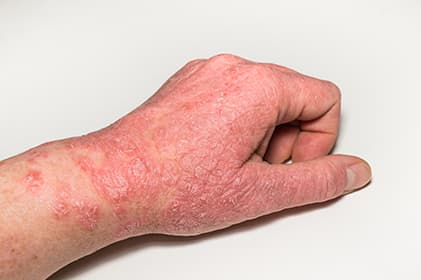
If you live with eczema (atopic dermatitis) or psoriasis, you know how exhausting the daily struggle with itching, dry, flaky skin and sudden flare-ups can be. Traditional treatments – steroid creams, immunomodulators, phototherapy – often help, but they are not always sufficient and can have side effects.
More and more people seek complementary solutions that can support the skin naturally. The salt therapy (halotherapy or speleotherapy) is a method known for centuries that may have beneficial effects for certain dermatological problems. But what do scientific studies say? And what can you expect if you try it?
How is care structured, and where do you fit in? When you have a health problem, a complex system comes into play – hospital, specialist clinic, family doctor, rehabilitation. Each is important, but they all share a common limitation: they can only help episodically. You spend days in hospital, see the specialist a few times a year, and visit the physiotherapist once a week. And in between? Chronic conditions require daily treatment, which this system cannot provide. In this article I show how these links fit together – and why you are the most important one of them.

