



Premium 400 multifunctional electrotherapy device. TENS / EMS / MCR-MENS / FES / iontophoresis. Specialized programs: running, cross-country skiing, combat sports, tennis, football, cycling. 4 channels, battery operated.
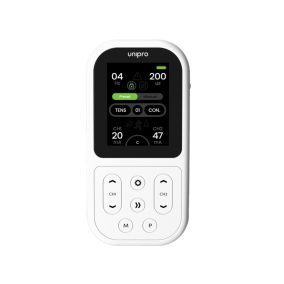
The UniPro is a two-channel, multifunctional electrotherapy device providing TENS, EMS, microcurrent and interferential (IF) treatments.
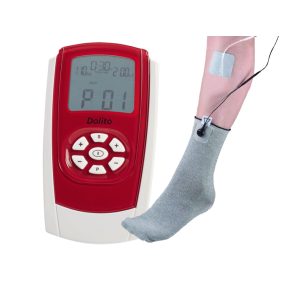
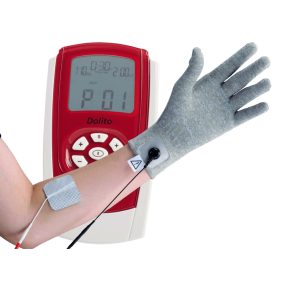
Polyneuropathy is damage to the peripheral nerves, which leads to sensory and balance disturbances and instability.
The main symptoms include tingling, numbness, burning sensation, and a feeling of vibration in the arms and legs. Pain often intensifies at night. Touching the affected area or changes in ambient temperature can exacerbate the symptoms.
In polyneuropathy, the sensory nerve endings are destroyed, so the patient does not feel pain or temperature. As a result, they may suffer burns or develop ulcers in injured or pressure-prone areas. The absence of pain sensation increases the risk of severe injuries.
Impaired joint position sense can occur, leading to unsteady gait or even difficulty standing. Reduced mobility causes muscle weakness and atrophy.
Neuropathy most commonly results from diabetes, autoimmune diseases, or alcoholism. These underlying conditions should be treated first—for example, normalizing blood sugar levels is primary.
TENS and MENS therapies can be used to reduce or eliminate pain and other unpleasant symptoms. Soft laser treatment can also be effective (treatment should target multiple points along the nerve pathway).

