In which situations can it be a good choice?
The device includes several fracture-specific programs and manufacturer protocols for delayed union, pseudoarthrosis and bone oedema.
PEMF can be applied through casts and fixations, but exact applicator placement and the treatment plan depend on fracture location, fixation and follow-up imaging.
The factory osteoporosis program has long application times. Here the built-in battery and the mat-like applicators reduce dependence on a wall socket.
The included Soft 4 is mainly for local areas. For larger areas a Mat 100 or Total Body mat may be more practical, but these must be selected and purchased separately.
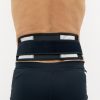
The eight arthrosis and arthritis programs include dedicated options for knee, hip, shoulder, hand and spinal facet complaints. Analgesic programs are available for lumbago (back and lumbar pain).
Two channels allow, for example, treating both knees simultaneously. This saves time, but note the two channels’ field intensities do not add up at a single joint.
There are specific programs for knee and hip prosthesis rehabilitation, ACL reconstruction, cartilage injury, spinal fusion and osteotomy rehab.
After surgery, discuss start time, duration and applicator placement with your surgeon. The implant material matters: the manufacturer advises against treatment near ferromagnetic implants (most modern implants are non-magnetic alloys, but check with your surgeon).
The program library includes tendinitis, epicondylitis, shoulder tendinitis, carpal tunnel syndrome, ankle sprain, bruising and post-injury oedema programs.
PEMF is an adjunct treatment. For tendon and sports injuries progressive loading, strengthening and accurate diagnosis remain essential.
The built-in battery and the included USB–5/12 V adapter make the device usable during travel and at changing locations.
The “Drive” name does not mean the driver must treat while driving. Always set or change programs with the vehicle stationary — adjusting settings while driving is distracting and should be avoided.
Why choose the Magnum 2 Pro Drive?

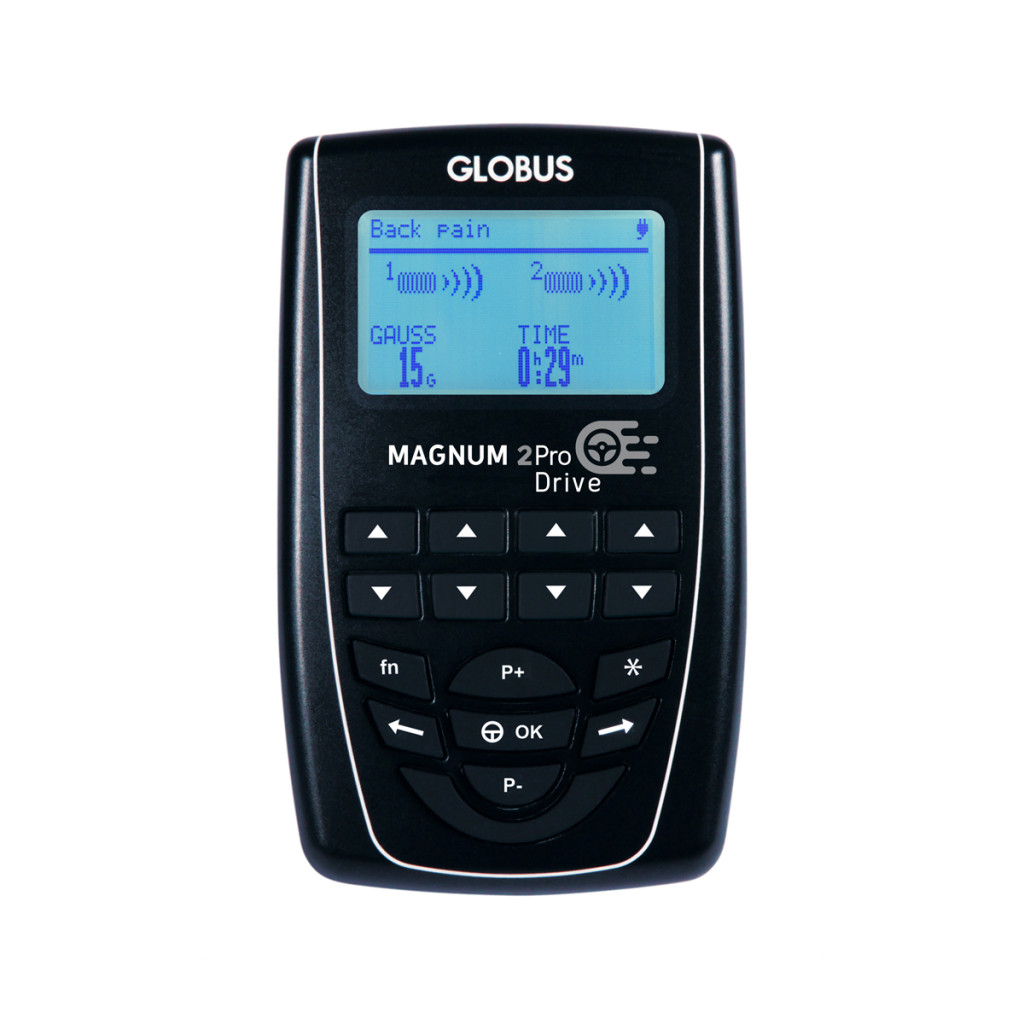
Built-in rechargeable battery
Usable without mains cable. Actual runtime depends on intensity, program, connected applicators and battery condition.

Two independent channels and 1+1 function
Two body areas can run the same program, or each channel can run a different program simultaneously.

Approximately 200 Gauss per channel
The manufacturer specifies about 200 G per channel with the flexible applicator, and 400 G total with two active channels. The two values do not add up at a single site.

41 medical programs
Includes protocols in six categories: arthrosis, pain, tendon, orthopaedic, bone pathology and trauma.

Easy Program, Last 10 and personal programs
Frequently used treatments start quickly, the last ten programs are recalled, and you can create up to five custom programs.

Two flexible applicators and Soft 4 mat
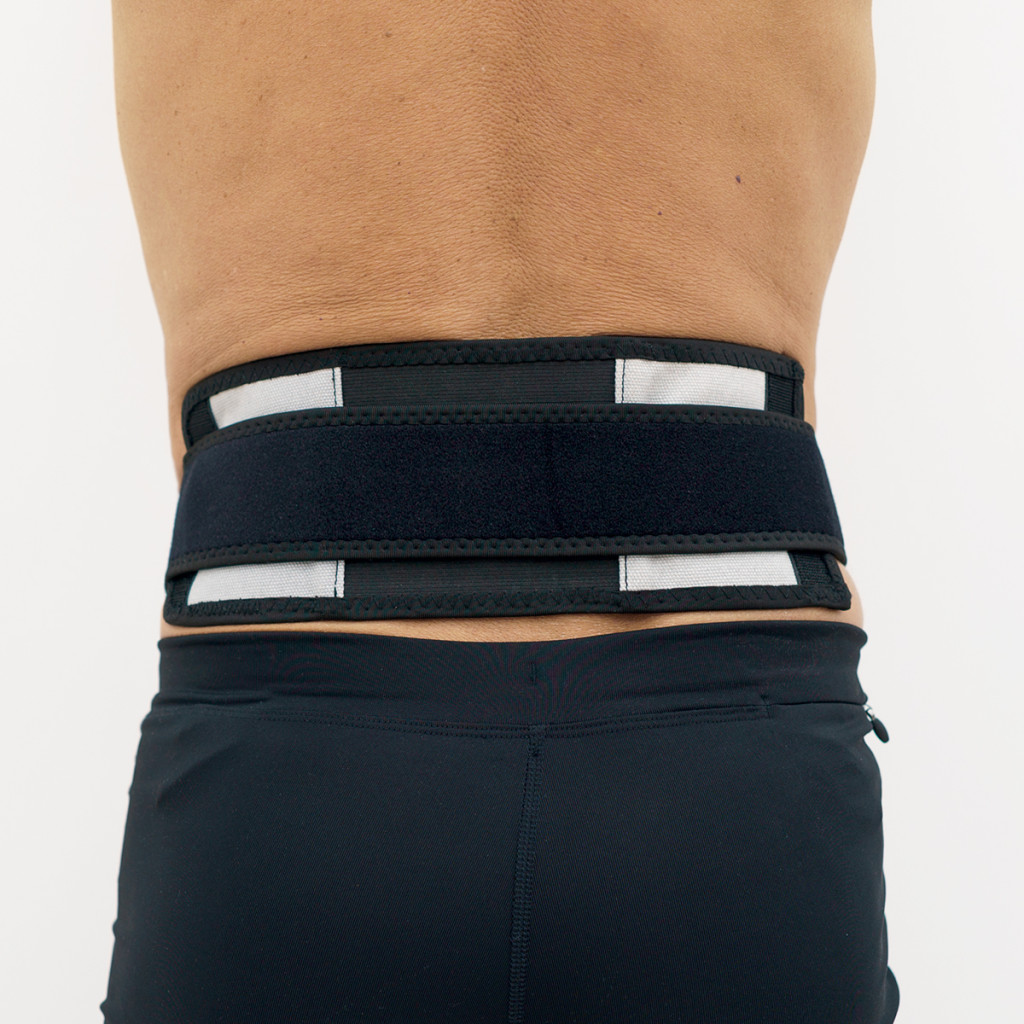
The factory kit supports small joints, bilateral treatments, lumbar, hip, hand and foot placements.
Is the Magnum 2 Pro Drive right for you?
It can be a good choice if
you run long home programs and a built-in battery is important.
Especially practical if
you want to treat two different body areas or two different problems simultaneously with the 1+1 function.
Suitable for family or small professional use,
because Last 10, Easy Program, custom programming and Rental are available.
Not for you if
you only treat a small area with short programs. A simpler single-channel model may suffice.
For full-body treatment
the device alone is not enough: choose a suitable Mat 100 or Total Body applicator system.
What are the included magnetic applicators used for?
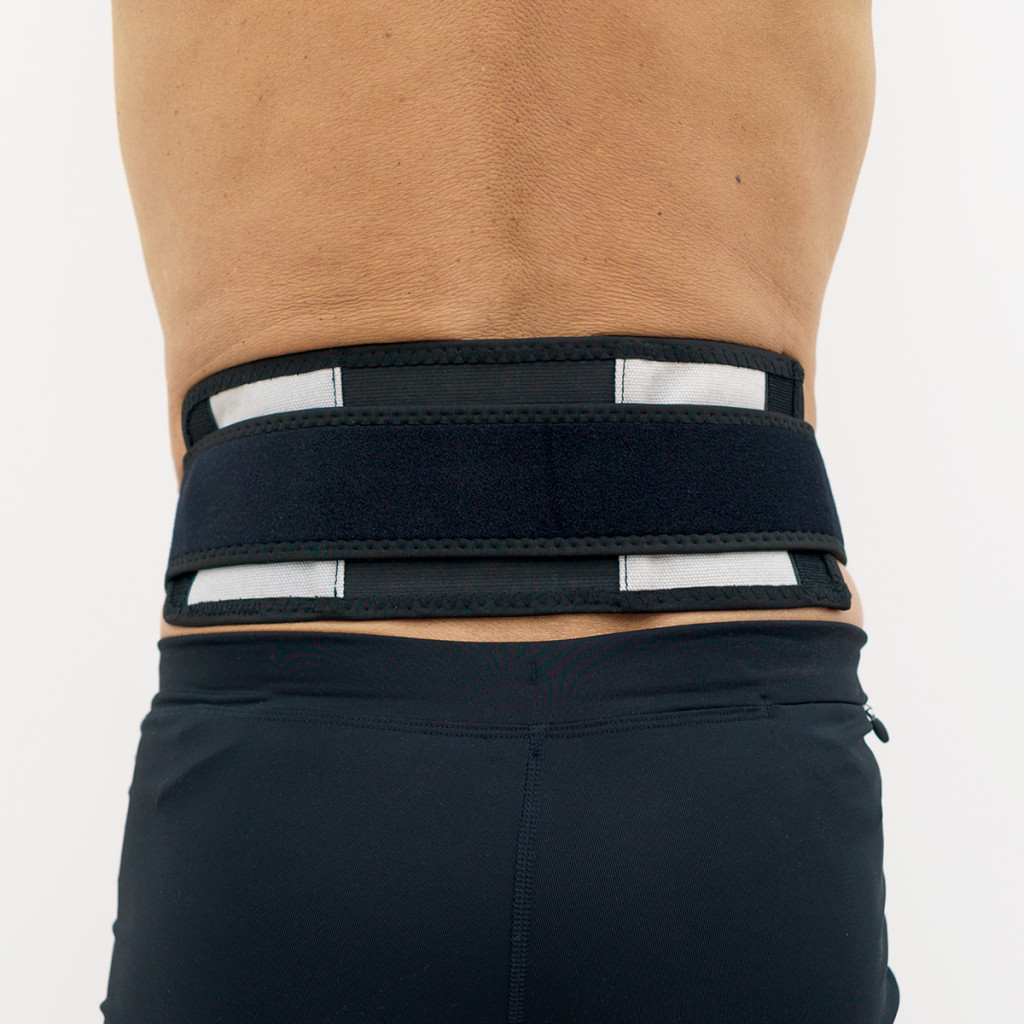
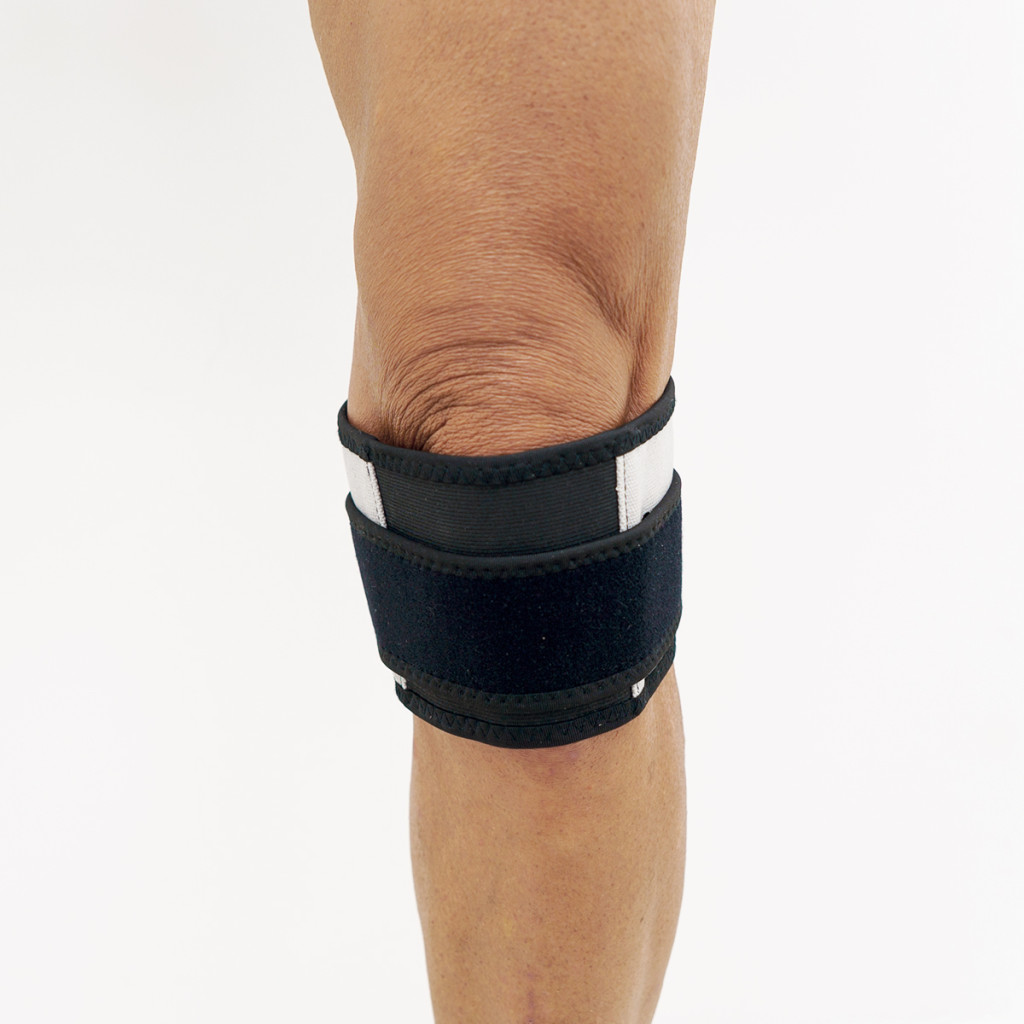
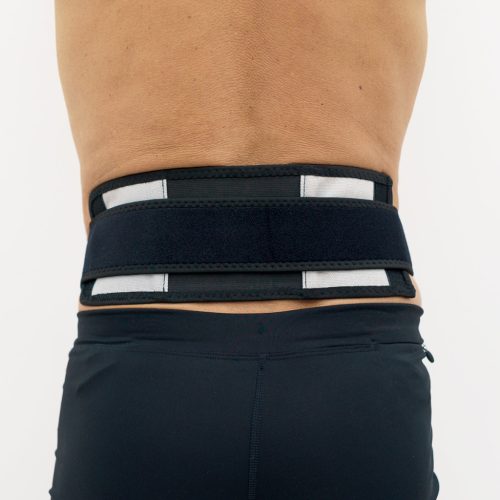
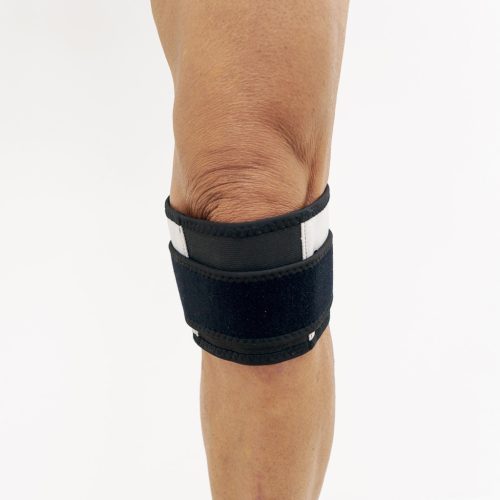
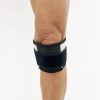
Each flexible applicator contains two coils. It bends around joints and long bones. Can be used on two different channels for separate body areas.
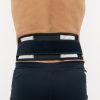
Practical for knee, ankle, wrist, elbow and small bone segments. If you place the two coils in opposite orientation with correct polarity you can create a linked magnetic field across the treated segment.
The Soft 4 contains four coils and is two-channel. The manufacturer recommends it for neck, back, lumbar, hip, hand and thigh areas.
It covers a larger area than a single flexible applicator, so it is practical for longer, comfortable treatments while lying or sitting.
A Y-cable allows two identical applicators to connect to one channel. The channel’s output is shared between the two applicators; the Y-cable does not increase device power.
One Y-cable can be used on both outputs, but only to link identical applicator types together.
The Magnum 2 Pro Drive’s 41 factory programs
Programs preset field intensity, frequency, duty cycle and treatment time. Times in the tables are manufacturer default program data and are not universal dosing instructions for every patient.
| Factory program | Factory field intensity | Factory treatment time |
|---|---|---|
| Knee arthrosis Knee osteoarthritis |
25 G | 30 minutes, 3–4× weekly |
| Cervical arthrosis Cervical spine osteoarthritis |
25 G | 30 minutes, 3–4× weekly |
| Arthritis Joint inflammation |
20 G | 30 minutes, 3–4× weekly |
| Arthrosis General joint degeneration |
20 G | 30 minutes, 3–4× weekly |
| Hand arthrosis Small joint hand osteoarthritis |
40 G | 30 minutes, 3–4× weekly |
| Hip arthrosis Hip osteoarthritis |
20 G | 30 minutes, 3–4× weekly |
| Shoulder arthrosis Shoulder joint osteoarthritis |
20 G | 30 minutes, 3–4× weekly |
| Column arthrosis Spinal facet osteoarthritis |
20 G | 30 minutes, 3–4× weekly |
| Factory program | Factory field intensity | Factory treatment time |
|---|---|---|
| Algodystrophy – Sudeck disease Algodystrophy / CRPS |
50 G | daily 4–6 hours |
| Back pain Back and lumbar pain |
15 G | daily 20–45 minutes |
| Joint pain Joint pain |
100 G | daily 15–40 minutes |
| Factory program | Factory field intensity | Factory treatment time |
|---|---|---|
| Anti-inflammatory General anti-inflammatory program |
15 G | daily 3 hours |
| Tendinitis Tendon problem / tendinitis |
15 G | 1 hour, twice daily |
| Epicondylitis Tennis elbow |
60 G | 30 minutes, 5× weekly |
| Epitrochleitis Golfer's elbow |
60 G | 30 minutes, 5× weekly |
| Carpal tunnel Carpal tunnel syndrome |
3–10 G | 30 minutes, twice daily |
| Shoulder tendinitis Peri-shoulder tendon problem |
15 G | daily 1 hour |
| Factory program | Factory field intensity | Factory treatment time |
|---|---|---|
| After ACL surgery After anterior cruciate ligament surgery |
15 G | daily 4 hours |
| Cartilage lesion Cartilage injury |
15 G | daily 4 hours |
| Knee prosthesis After knee prosthesis |
15 G | daily 4 hours |
| Hip prosthesis After hip prosthesis |
50 G | daily 3 hours |
| Spinal fusion After spinal fusion |
12 G | daily 8 hours |
| Osteotomy After osteotomy |
18 G | daily 8 hours |
| Factory program | Factory field intensity | Factory treatment time |
|---|---|---|
| Fractures General fracture program |
30 G | daily 8 hours |
| Scaphoid fracture Scaphoid fracture |
30 G | daily 8–10 hours |
| Wrist fracture Wrist fracture |
30 G | daily 8 hours |
| Shoulder fracture Shoulder girdle fracture |
30 G | daily 8 hours |
| Collarbone fracture Clavicle fracture |
30 G | daily 8 hours |
| Forearm fracture Forearm fracture |
30 G | daily 8 hours |
| Pelvic fracture Pelvic fracture |
30 G | daily 8 hours |
| Tibial fracture Tibial fracture |
30 G | daily 8 hours |
| Femoral fracture Femoral fracture |
30 G | daily 8 hours |
| Delayed fracture consolidation Delayed bone union |
20 G | daily 3–8 hours |
| Fracture with plaster Fracture in plaster cast |
60 G | daily 30 minutes |
| Osteonecrosis Osteonecrosis |
15 G | daily 8 hours |
| Osteoporosis Osteoporosis |
50 G | daily 8–10 hours |
| Pseudoarthrosis Pseudoarthrosis / non-union |
25 G | daily 8–10 hours, divided |
| Bone edemas Bone oedema |
20 G | daily 8 hours |
| Factory program | Factory field intensity | Factory treatment time |
|---|---|---|
| Ankle sprain Ankle sprain |
2–10 G | daily 30 minutes |
| Edemas – contusion Traumatic oedema and bruising |
10 G | 10 minutes, 2–3× daily |
| Ulcers Adjunct treatment of ulcers |
28 G | daily 3–4 hours |
Manual programming: up to five personal programs can be created. The manufacturer does not recommend changing default settings without professional supervision.
How does PEMF magnetic therapy work?
The PEMF applicator coils create a time-varying magnetic field. This field reaches the treated area through clothing, dressings and non-ferromagnetic fixation materials.
Tissue response is not determined by Gauss value alone. Frequency, duty cycle, treatment duration, number of coils, polarity, distance and placement together determine actual exposure.
The manufacturer specifies an average 200 Gauss field with the flexible applicator per channel. “400 Gauss total” denotes the device capacity with two active channels, not 400 Gauss at a single site.
By placing coils on both sides of a joint or bone with correct polarity you can create a linked field. For larger areas applicator size and coil distribution are at least as important as the controller’s nominal Gauss value.
How to use it in five steps
1
Choose the right magnetic applicator
Don’t just pick the program: make sure applicator size, coil count and fixation suit the treated area.
2
Connect the applicator to one or both channels
You can use both channels for the same program. In 1+1 mode each channel can run a different program.
3
Place and fix the coils precisely
The applicator can be placed directly on skin or over thin clothing. Use through casts or fixations only under medical plan and manufacturer instructions.
4
Select the factory program
Check program name, connected channels, field intensity and time. Modify parameters only on medical or professional advice.
5
Carry out the treatment in rest
Read, relax or sleep if cables and applicators are safely placed. Do not adjust the device or applicators while driving a vehicle.
Frequently asked questions
Each output operates its own magnetic applicator. The same program can run on both knees, or two different programs can run on two separate body areas in 1+1 mode.
No. The manufacturer states approximately 200 G per channel with the flexible applicator. The 400 G figure is the device’s combined capacity with two active channels, not the field at one point.
The manufacturer’s datasheet does not give a fixed runtime valid for every program. Runtime depends on intensity, number of applicators, program length, charge level and battery condition.
The driver must not program the device while driving. Setting the device can distract and be dangerous. Perform program setup and applicator placement while stationary. After starting the program it can be used during a journey. Some programs may cause drowsiness, so avoid those while driving.
Some long factory programs can be done during sleep — this is even recommended for certain indications. Keep the device on a stable, ventilated surface, route cables so they cannot wrap around the neck or a limb, and always follow the user manual.
Not all metal implants are ferromagnetic. The manufacturer prohibits treatment near ferromagnetic, magnetisable implants. For prostheses, screws, plates or other implants check the material and the treatment plan with the operating surgeon.
Technically yes, and you can create a personal program. The manufacturer does not recommend changing default settings without medical or appropriate professional supervision.
A clinician can limit a loaned device to prescribed treatments and usage periods. This is useful for clinic-supported home treatment loans.
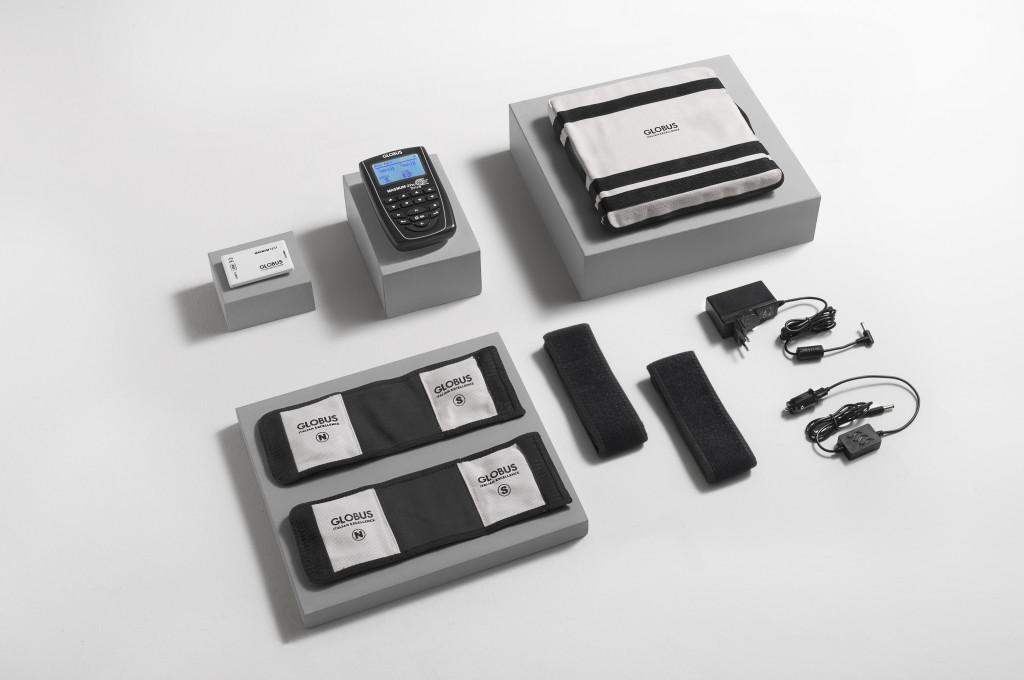
What does the factory package contain?
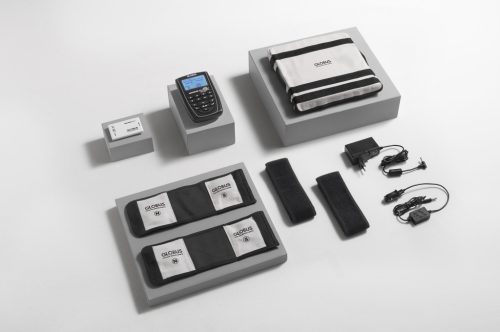
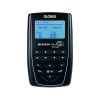
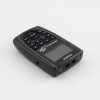
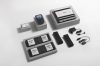
- 1 pc Magnum 2 Pro Drive main unit with built-in battery
- 2 pcs 30 × 10 cm flexible magnetic applicators
- 2 pcs hook-and-loop fixation straps
- 1 pc 25 × 25 cm Soft 4 mat
- 1 pc Magnum Test coil checker
- 1 pc USB cable with 5–12 V adapter
- 1 pc power adapter
- 1 pc carrying bag
- 1 pc user manual and placement guide
When is this model worth choosing?
Magnum 2 Pro Drive
– a strong choice if built-in battery, simultaneous different programs and a rich accessory kit are most important.
Simpler Magnum model
– may be enough if you treat a single area, don't need 1+1 mode, and mains operation is acceptable.
Higher clinic model
– appropriate if you need a larger program library, treat multiple patients or require four outputs.
Technical data
| Output channels | 2 independent channels |
| 1+1 function | Two different programs simultaneously, one per channel |
| Average field intensity with flexible applicator | 200 Gauss per channel; 400 Gauss total with two active channels |
| Frequency range | 5–200 Hz |
| Duty cycle | 5–50%, depending on program and mode |
| Factory medical programs | 41 programs in 6 categories |
| Personal programs | Up to 5 custom programs |
| Treatment memory | Last 10 – recall last ten programs |
| Easy Program | Quick start for frequently used treatment |
| Rental function | Limit use and treatment time for loaned devices |
| Maximum timer | 9 hours 59 minutes |
| Power supply | Power adapter and built-in rechargeable battery |
| Power adapter output | 12 V DC, 2.0 A, 24 W |
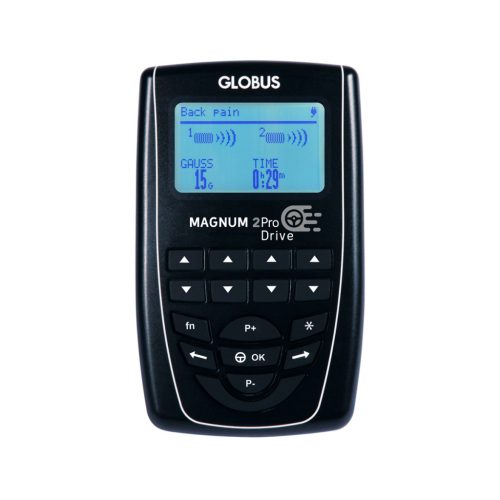
| Display | 2.6 inch visible area |
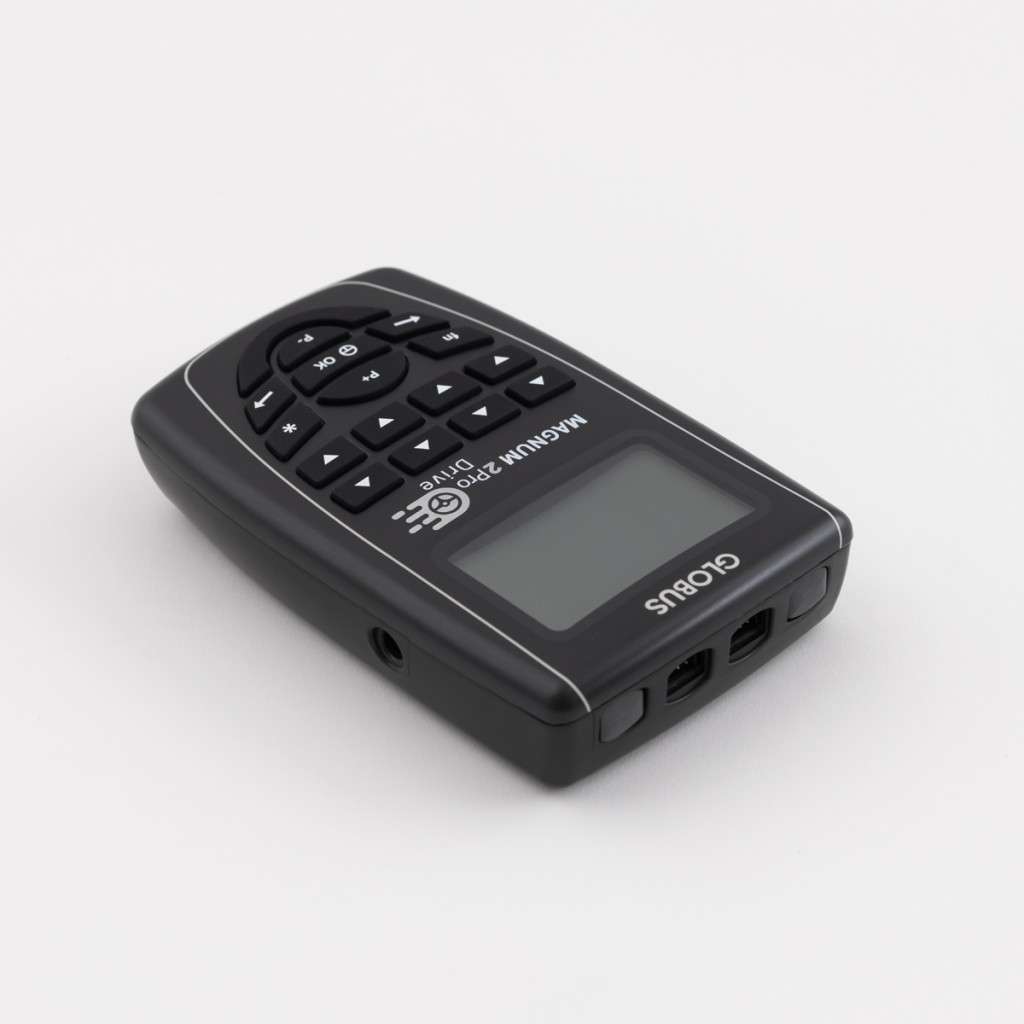
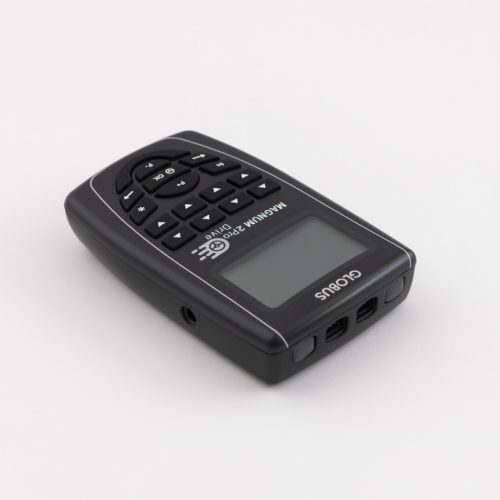
| Dimensions | 160 × 99 × 35.4 mm |
| Weight | Approximately 450 grams |
 When NOT to use it, or when medical consultation is needed?
Absolute manufacturer contraindication:
- Pacemaker or other permanent electrical stimulator.
Situations requiring medical consultation or to be avoided according to the manual:
- Cardiac arrhythmia.
- Pregnancy.
- Cancerous disease – consult your oncologist.
- Ferromagnetic, magnetisable implant at the treatment site.
- Electric or acoustic prosthesis, or an intrauterine device.
- Age under 15 years.
- Fever, tuberculosis, severe ischaemic condition or significant blood pressure fluctuations.
- Bleeding disorders or particularly heavy menstrual bleeding.
- Dermatitis or fungal infection at the treatment site.
- Direct treatment of the head, heart, ovaries or other sensitive organs.
- Concurrent use with TENS or during Holter monitoring.
 Important information
The Magnum 2 Pro Drive is intended as an adjunct treatment. It does not replace medical examination, fracture or postoperative follow-up, medication, physiotherapy, compression or other necessary therapy.
A factory program name does not prove that the given complaint can be treated with PEMF without prior evaluation. For unexplained pain, swelling, wound, infection or worsening condition a diagnosis is required first.
This description is based on the manufacturer’s manual and available scientific summaries. PEMF outcomes depend on indication and treatment parameters; an effective protocol in one study cannot be automatically transferred to another device or condition.
Scientific background
Evidence for PEMF varies by indication. In knee osteoarthritis several meta-analyses found short-term pain or function improvements, but results and optimal parameters are inconsistent. Data are encouraging for bone healing and osteoporosis, but treatment does not replace orthopaedic or basic osteoporosis therapy.
- Yang X et al. (2020): Effects of Pulsed Electromagnetic Field Therapy on Pain, Stiffness, Physical Function, and Quality of Life in Patients With Osteoarthritis. Physical Therapy. PubMed
- Wu Z et al. (2018): Efficacy and safety of the pulsed electromagnetic field in osteoarthritis: a meta-analysis. BMJ Open. PubMed
- Cianni L et al. (2024): Current Evidence Using Pulsed Electromagnetic Fields in Osteoarthritis: A Systematic Review. Journal of Clinical Medicine. PubMed
- Peng L et al. (2020): Effectiveness of Pulsed Electromagnetic Fields on Bone Healing: A Systematic Review and Meta-Analysis of Randomized Controlled Trials. PubMed
- Zhu S et al. (2022): Pulsed Electromagnetic Fields May Be Effective for the Management of Primary Osteoporosis. PubMed
- Andrade R et al. (2016): Pulsed electromagnetic field therapy effectiveness in low back pain: A systematic review of randomised controlled trials. PubMed
Guides and further information
 PEMF – guide for home use →
 Support for bone fracture healing →
 Osteoporosis and home PEMF →
 Knee pain treatment with PEMF →
Looking for a battery-powered, two-channel device for long and complex home PEMF treatments?
The Magnum 2 Pro Drive’s value is not the “400 Gauss total power” alone, but the whole system: two independent channels, 1+1 mode, 41 medical programs, built-in battery, two flexible applicators and a Soft 4 mat.