In which situations can it be a good choice?
The device includes specific programs for arthrosis, knee pain, ankle sprain and ankle sprain with associated edema. Programs select point or scanning mode according to the treatment goal.
Photobiomodulation can be used as an adjunctive treatment for joint pain and surrounding soft tissue complaints. It does not restore worn cartilage and does not replace physiotherapy or an appropriate loading program.
The PhysioLaser 500 offers dedicated programs for chronic back pain, neck pain and shoulder pain. Scanning mode helps treat larger or longer areas, while point mode targets smaller, well-defined regions.
For persistent, worsening or radiating pain into a limb, diagnostic evaluation is required first. The laser is an adjunct to diagnosis and active rehabilitation, not a replacement.
There is a specific point-treatment program for tendon disorders and tennis elbow. This facilitates targeted treatment of small attachment points and defined tendon segments.
Laser therapy is best used together with offloading, gradual return to load and appropriate strengthening. In acute injuries, fracture, complete rupture and other urgent conditions must be excluded first.
The device includes programs named wrinkle treatment, face lifting, dynamic wrinkles and skin rejuvenation. These are aesthetic settings prepared by the manufacturer.
Photobiomodulation has been studied in relation to skin regeneration and collagen metabolism, but results are individual, gradual and not comparable with invasive aesthetic procedures.
When treating the face, wearing protective goggles is mandatory and the laser beam must never be directed at the eyes.
The PhysioLaser 500 contains a separate scanning program for acne and rosacea. These should only be used with a known dermatological diagnosis and according to the user manual.
For inflamed, infected, rapidly changing or unknown-origin skin lesions, a dermatological examination is required first. The laser does not replace prescribed systemic or topical treatments.
The device offers manufacturer programs for stretch marks, scar treatment and various cellulite and body-care aims. These programs provide a convenient starting point for parameter settings.
Program names like “fat reduction” or “lifting” do not guarantee body-shaping results. Aesthetic changes are usually modest, slow and depend heavily on skin condition, lifestyle and application consistency.
Treat infected, exuding or hard-to-heal wounds only under professional supervision.
Why choose the PhysioLaser 500?

20 built-in treatment programs
Nine health-rehabilitation and eleven aesthetic programs help with quick program selection.

Point and scanning treatment modes
Use point treatment for smaller, well-defined areas and scanning mode for longer or larger surfaces.

500 mW maximum optical power
At maximum power the device can theoretically deliver up to 30 Joules of energy per minute. Actual program settings may use lower output.

Manually programmable
Experienced users can adjust power, frequency and treatment time, and save custom settings.

Two laser-protective goggles included
For using a Class 4 laser, appropriate eye protection certified for 808 nm is required for both operator and patient.

Compact, battery-powered design
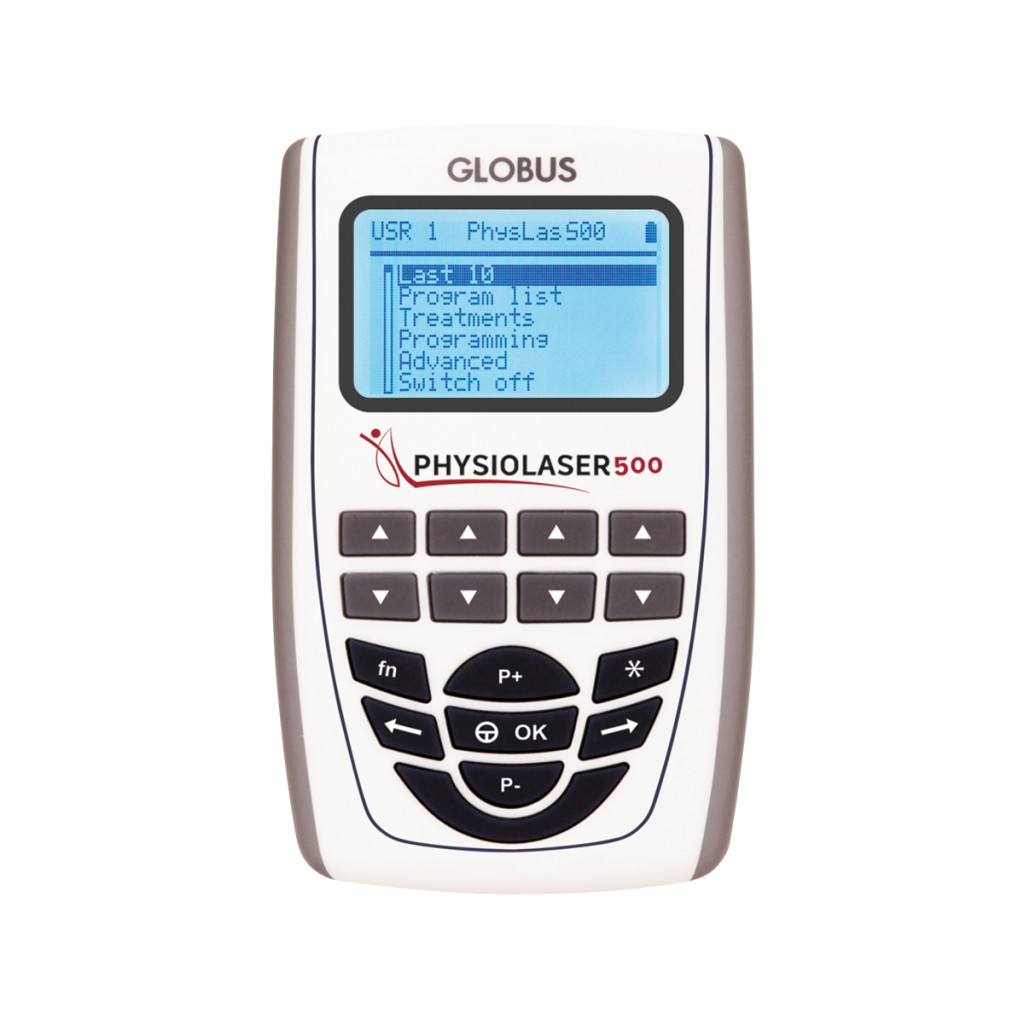
The central unit weighs about 440 grams, is transportable in the carrying bag and can be used without mains connection.
Is the PhysioLaser 500 right for you?
It may be a good choice if
you want to perform various musculoskeletal and aesthetic treatments with a single device.
Especially practical if
as a beginner you prefer preset programs but later want to modify parameters manually.
Also suitable for family or small professional use,
because point and scanning modes adapt to different treatment area sizes.
Do not choose this if
you want the simplest one-button home device. Programs and manual settings require more learning.
Also not ideal if
you want to treat without goggles. The PhysioLaser 500 is a Class 4 laser, so eye protection is mandatory.
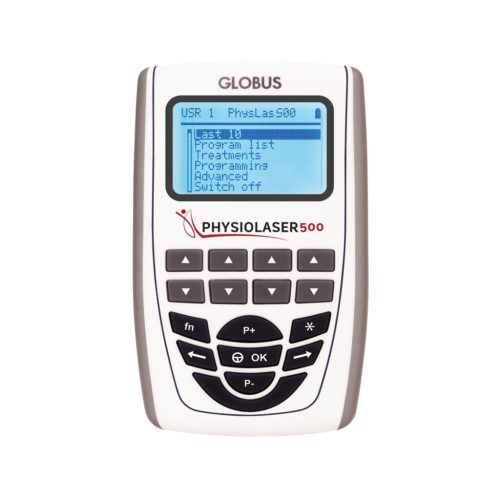
The PhysioLaser 500 twenty built-in programs
Programs provide preset treatment parameters. They do not replace diagnosis but simplify device use and reduce the risk of incorrect manual settings.
| Program | Treatment mode | Wavelength |
|---|---|---|
| Arthrosis | Scanning | 808 nm |
| Ankle sprain | Point | 808 nm |
| Ankle sprain with edema | Scanning | 808 nm |
| Knee pain | Scanning | 808 nm |
| Program | Treatment mode | Wavelength |
|---|---|---|
| Chronic back pain | Scanning | 808 nm |
| Neck pain | Scanning | 808 nm |
| Shoulder pain | Point | 808 nm |
| Program | Treatment mode | Wavelength |
|---|---|---|
| Epicondylitis – tennis elbow | Point | 808 nm |
| Tendon disorders | Point | 808 nm |
| Program | Treatment mode | Wavelength |
|---|---|---|
| Wrinkle treatment | Scanning | 808 nm |
| Face lifting | Scanning | 808 nm |
| Dynamic wrinkles | Point | 808 nm |
| Skin rejuvenation | Scanning | 808 nm |
| Program | Treatment mode | Wavelength |
|---|---|---|
| Acne | Scanning | 808 nm |
| Rosacea | Scanning | 808 nm |
| Program | Treatment mode | Wavelength |
|---|---|---|
| Breast stretch marks | Scanning | 808 nm |
| Thigh, hip and buttock edematous cellulite | Scanning | 808 nm |
| Fat reduction and cellulite | Scanning | 808 nm |
| Stretch marks | Scanning | 808 nm |
| Scar treatment | Point | 808 nm |
Custom settings: in the PROGRAMMING menu you can create and save your own program. Use this only if you understand the relationship between power, frequency, treatment time and energy dose.
What does photobiomodulation mean?
During soft-laser treatment, tissues are irradiated with light of a defined wavelength and dose. This process is called photobiomodulation, abbreviated PBM.
Light interacts with light-absorbing molecules in cells and can influence several biological processes. Research has examined effects on cellular energy metabolism, local inflammatory signaling and regenerative processes.
The PhysioLaser 500 has a maximum optical power of 500 mW. This corresponds to 0.5 Joule per second, or at continuous maximum output up to 30 Joules per minute.
Actual energy delivery depends on the selected program, power level, pulse settings and treatment time. More is not automatically better: photobiomodulation is dose-dependent.
Use in four steps
1
Select a program or manual mode
Switch on the device, then select the program corresponding to the complaint or aesthetic goal. Use manual settings only with appropriate knowledge.
2
Put on appropriate protective goggles
The PhysioLaser 500 is a Class 4 laser. Both operator and treated person must wear laser-protective goggles certified for 808 nm throughout the treatment.
3
Apply point or scanning mode according to the program
For point treatment keep the handpiece steady over the designated area. In scanning mode move slowly and evenly above the treated surface at the distance specified in the user manual.
4
Wait for the program to finish
The display shows the remaining time and the device stops at the end of the program. Do not arbitrarily extend the treatment or automatically repeat the same program.
Frequently asked questions
500 mW, i.e. 0.5 W, is the device's maximum optical power. At maximum continuous power this corresponds to 30 Joules per minute. Individual programs may use lower power or pulsed operation.
Yes. The device is a Class 4 laser, so both operator and treated person must wear laser-protective goggles certified for the 808 nm range.
Contact lenses do not replace laser-protective goggles and do not provide protection against infrared laser radiation. Appropriate protective goggles must be worn even when wearing contact lenses.
Turn off the device and seek urgent ophthalmological examination. Inform the examiner that an infrared laser of 808 nm and up to 500 mW may have reached the eye. Absence of symptoms does not rule out injury.
Individual response varies considerably. Treatment progression differs for acute versus chronic musculoskeletal complaints and for aesthetic goals. Persistent problems may require regular treatment over several weeks.
Frequency depends on the program and the complaint. Do not apply daily treatment automatically for every problem. Follow the manufacturer's program description and the treatment guide for the specific condition.
The device includes eleven manufacturer aesthetic programs. These are based on possible effects of photobiomodulation on the skin. Results may be gradual and modest; guaranteed lifting, fat reduction or cellulite elimination cannot be promised.
The PhysioLaser 1000 has a nominal power of 1000 mW, while the 500 model is 500 mW. The 1000 can deliver the same energy dose faster and offers more built-in programs. The PhysioLaser 500 is more affordable and lighter, making it a better choice for personal or lower-volume use.
What's in the package?
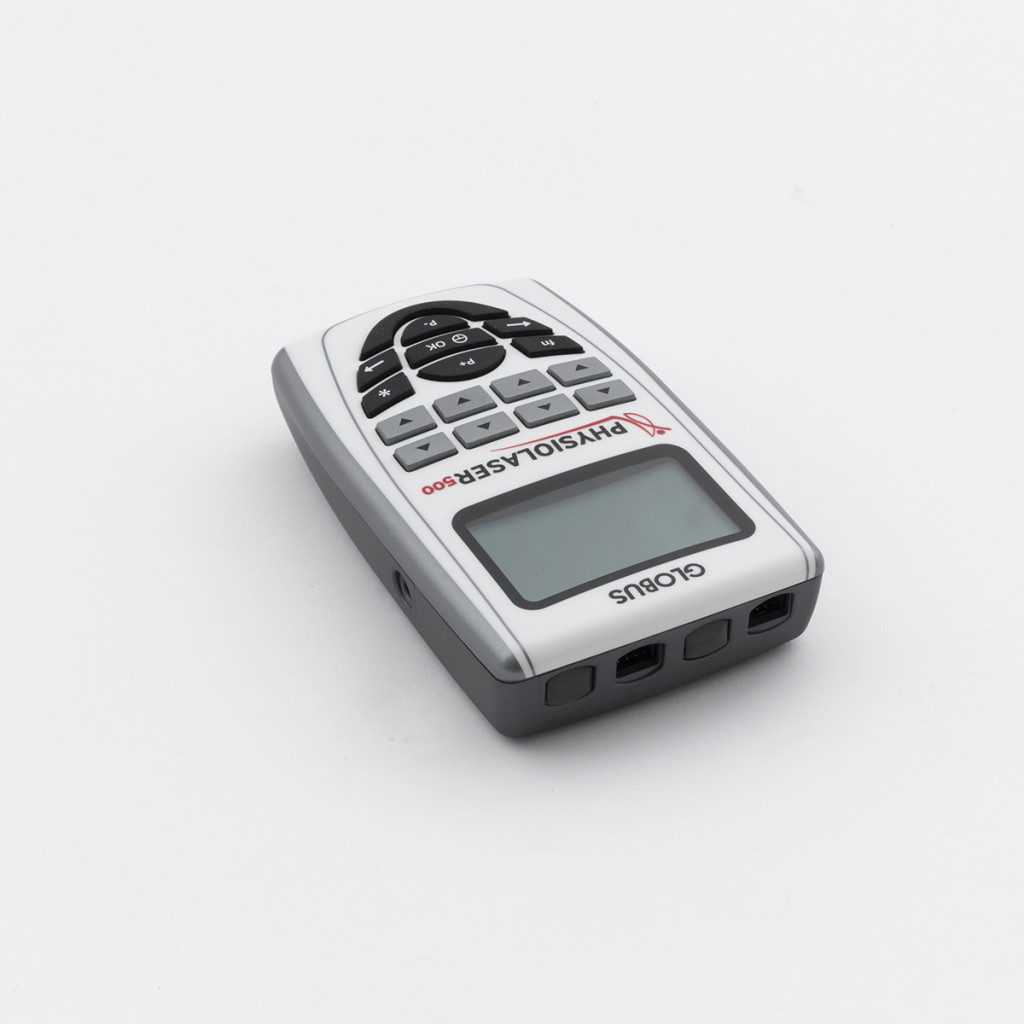
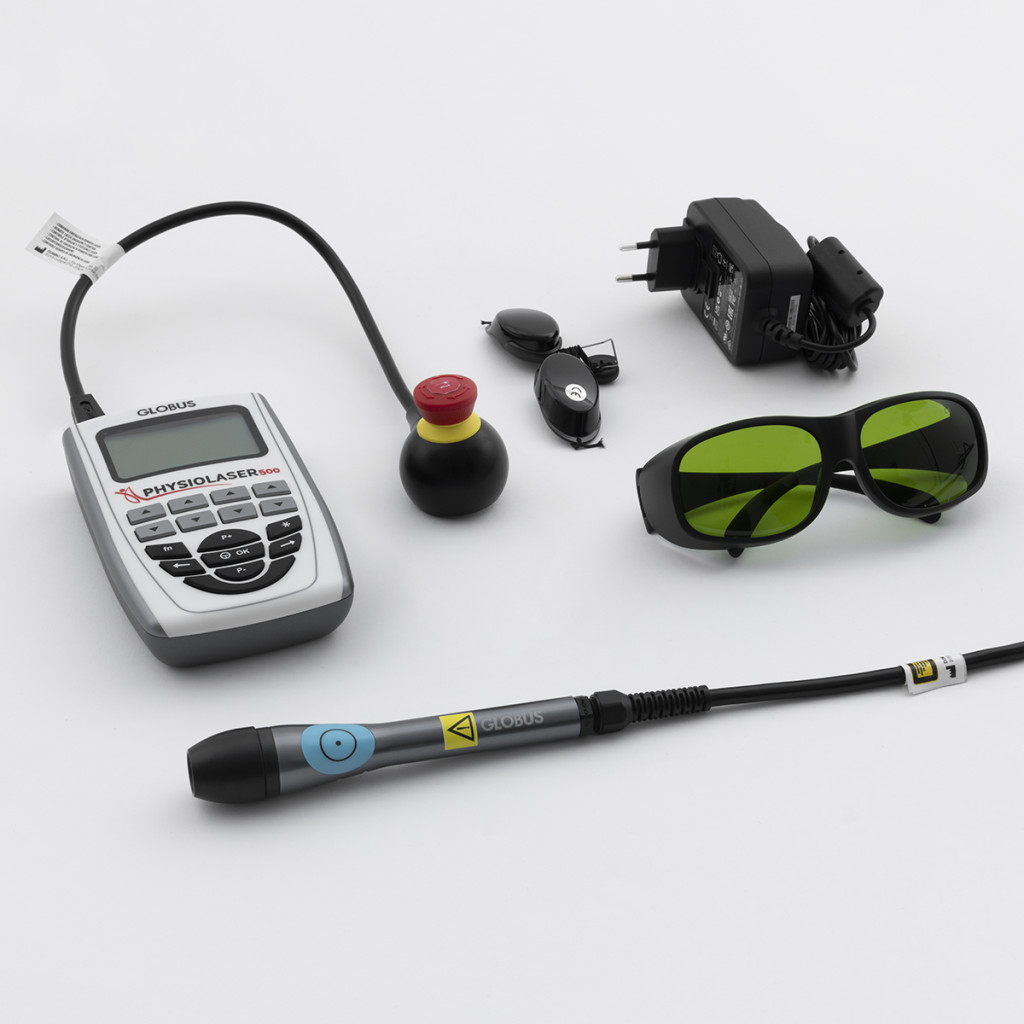
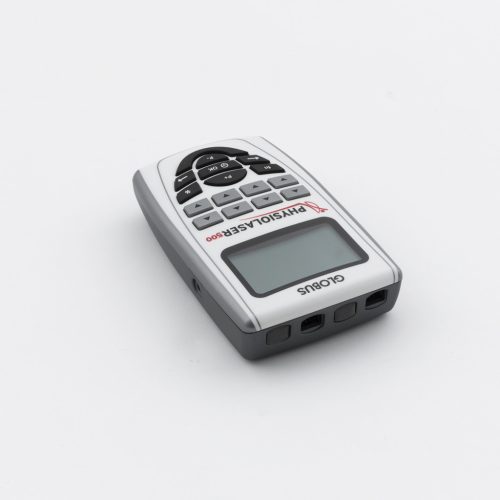
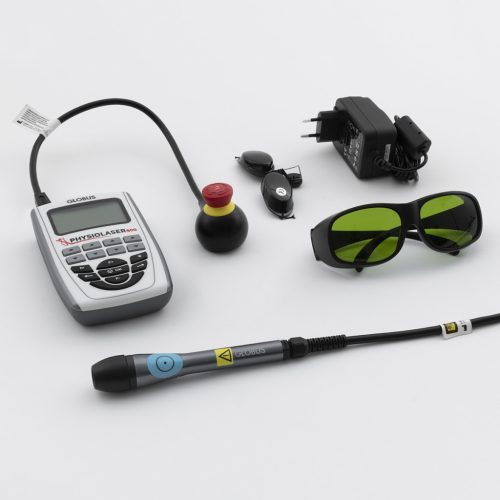
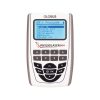
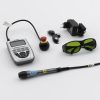
- 1 pc PhysioLaser 500 central unit with digital LCD display
- 1 pc 808 nm laser handpiece, REF G5767
- 1 pc operator laser-protective goggles
- 1 pc patient laser-protective goggles
- 1 pc 230 V power adapter
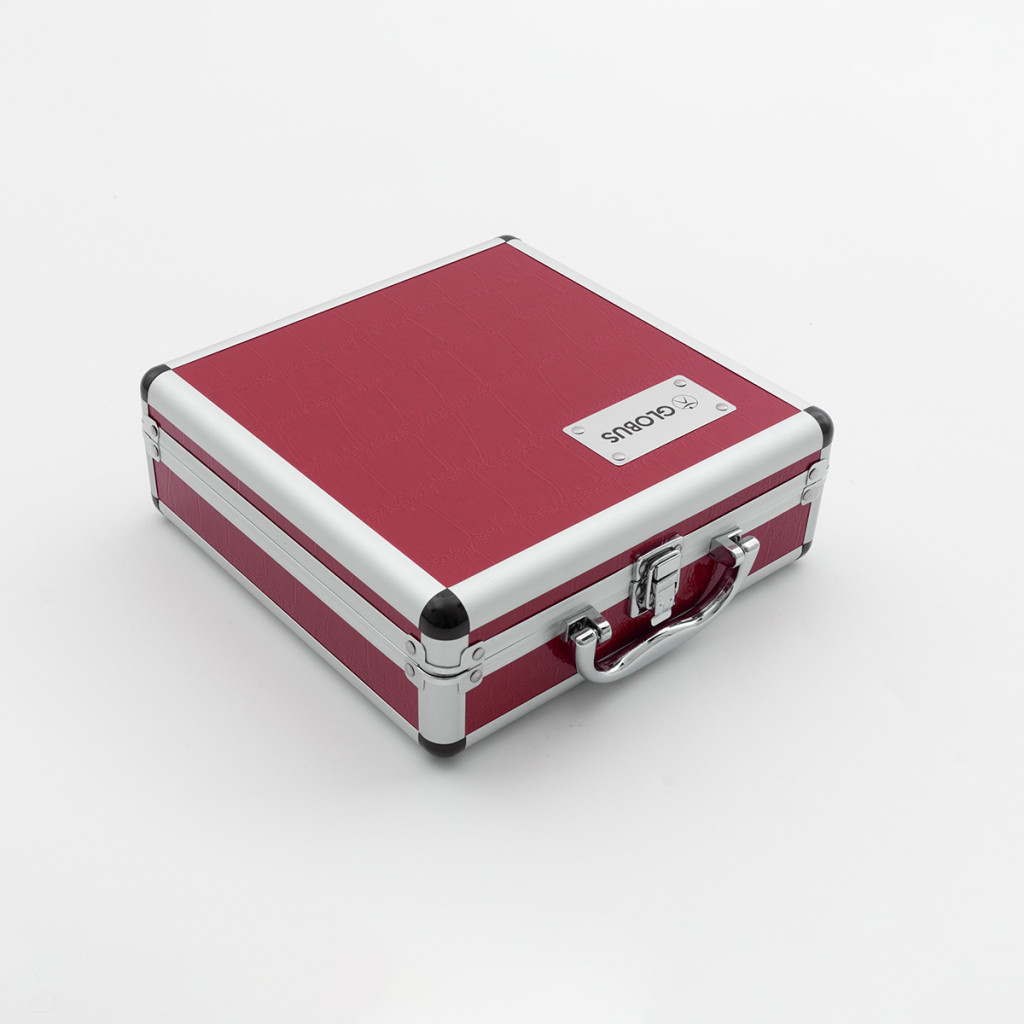
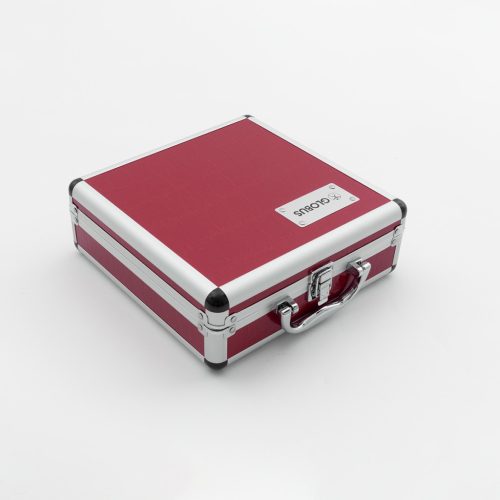
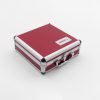
- 1 pc carrying bag
- 1 pc user manual
- 1 pc emergency stop
When using a Class 4 laser both the operator's and the patient's eyes must be protected. Use only goggles that match the device's wavelength protection range and are undamaged.
Clean the central unit and the handpiece as permitted in the user manual. Protect the optical surface from scratches, do not immerse it in liquid and avoid aggressive solvents.
For long-term storage and battery maintenance follow the manufacturer's instructions. Do not use the device if cables, handpiece or optical surfaces are damaged.
PhysioLaser 500 or PhysioLaser 1000?
PhysioLaser 500
– a more cost-effective choice for personal, family or lower-volume use. 500 mW power, 20 built-in programs and lower weight.
PhysioLaser 1000
– preferable for higher treatment throughput and shorter treatment times. It has double the nominal power and offers more built-in programs.
The main difference is speed:
the 1000 mW model can theoretically deliver the same energy amount in half the time if program and power settings are identical.
Technical specifications
| Laser type | GaAlAs laser diode |
| Wavelength | 808 nm ± 10 nm, infrared |
| Maximum optical power | 500 mW, i.e. 0.5 W |
| Maximum theoretical energy delivery | 30 Joules per minute at maximum continuous power |
| Laser class | Class 4, CEI EN 60825-1 |
| Beam area | Approximately 0.95 cm², 11 mm spot diameter |
| Built-in programs | 20 programs: 9 health-rehabilitation and 11 aesthetic |
| Treatment modes | Point treatment and scanning treatment |
| Programmability | Manual adjustment of power, frequency and treatment time; save custom programs |
| Display | Digital LCD |
| Battery | Ni-MH, 7.2 V / 1.8 Ah, rechargeable |
| Expected battery operating time | According to source material approximately 45–60 minutes depending on settings |
| Dimensions | 160 × 99 × 35.4 mm |
| Weight | Approximately 440 grams |
| Handpiece | 808 nm, REF G5767 |
| Medical device classification | CE MDD, Class IIb medical device |
| Manufacturer | Globus Italia, Italy |
 When should you not use the device?
- Never direct the laser beam at the eye or the immediate area around the eye.
- Do not use over the abdomen or pelvic area during pregnancy.
- Use over malignant tumors only with explicit permission from the treating physician.
- Do not treat directly over the thyroid or other endocrine glands.
- Do not directly treat large, dark moles or pigmented lesions of unknown origin.
- If you have photosensitivity or are taking photosensitizing medication, consult a physician first.
- Postpone treatment if you have fever or an acute general illness.
- Obtain medical approval before direct treatment of the heart area.
Safe use of a Class 4 laser requires increased attention. Always follow the user manual and remove reflective objects from the treatment environment. Detailed contraindications and safety information →
 Important information
The PhysioLaser 500 is intended as an adjunctive treatment. It does not replace medical or dermatological examination, diagnosis, prescribed treatment, physiotherapy or appropriate rehabilitation.
A preset program name does not prove that the condition can be safely treated at home without evaluation. For pain, swelling, skin changes of unknown origin or worsening symptoms obtain a diagnosis first.
The product description is for informational purposes and is not personalized medical advice. Referenced research addresses general applications of photobiomodulation and should not be construed as device-specific evidence for every PhysioLaser 500 program.
Scientific background
The effects of photobiomodulation have been studied for musculoskeletal pain, knee osteoarthritis and for skin regeneration and aesthetic applications. Results illustrate general possibilities of the method, not verification of every program on the device.
-
Clijsen R et al.
(2017):
Effects of low-level laser therapy on pain in patients with musculoskeletal disorders: a systematic review and meta-analysis.
European Journal of Physical and Rehabilitation Medicine
, 53(4):603–610.
PubMed
Systematic review of low-level laser treatment for musculoskeletal pain. -
Stausholm MB et al.
(2019):
Efficacy of low-level laser therapy on pain and disability in knee osteoarthritis: systematic review and meta-analysis of randomised placebo-controlled trials.
BMJ Open
, 9(10):e031142.
PubMed
Meta-analysis of randomized trials in knee osteoarthritis. -
Avci P et al.
(2013):
Low-level laser therapy in skin: stimulating, healing, restoring.
Seminars in Cutaneous Medicine and Surgery
, 32(1):41–52.
PubMed
Review of possible effects of photobiomodulation on the skin. -
Glass GE
(2021):
Photobiomodulation: The Clinical Applications of Low-Level Light Therapy.
Aesthetic Surgery Journal
, 41(6):723–738.
PubMed
Clinical overview of photobiomodulation applications.
Treatment guides and further information
-
 Soft-laser therapy – comprehensive guide for home use →
-
 Soft-laser for knee pain and knee osteoarthritis →
-
 Soft-laser as an adjunct for herniated disc and lower back pain →
-
 Soft-laser for tendonitis →
-
 Soft-laser contraindications and safety information →
-
 PhysioLaser 1000 – higher-power model →
-
 Soft-laser devices – full range →
Looking for a programmable device for musculoskeletal and aesthetic treatments?
The main strength of the PhysioLaser 500 is versatile parameterization: 500 mW power, 20 built-in programs, point and scanning treatment, and the ability to create custom programs.