
medimarket.com logo

Support tel: +36-53/200108

Categories
medimarket.com logo

Support tel: +36-53/200108

  • Categories
    • Deals
    • Home therapy
    • Disease Treatment
    • Fitness
    • Beauty Care
    • Veterinary Medicine
    • Clinic Equipment
    • Accessories and Add-Ons
    • Clearance Sale
  • Blog
    • Forum
    • Disease and Its Symptoms
    • Training and Injuries
    • Lifestyle
    • FAQ
    • Device and Equipment
    • Rehabilitation
    • Therapy and Treatment
  • Info
  • Become our Distributor
  • Become our Affiliate
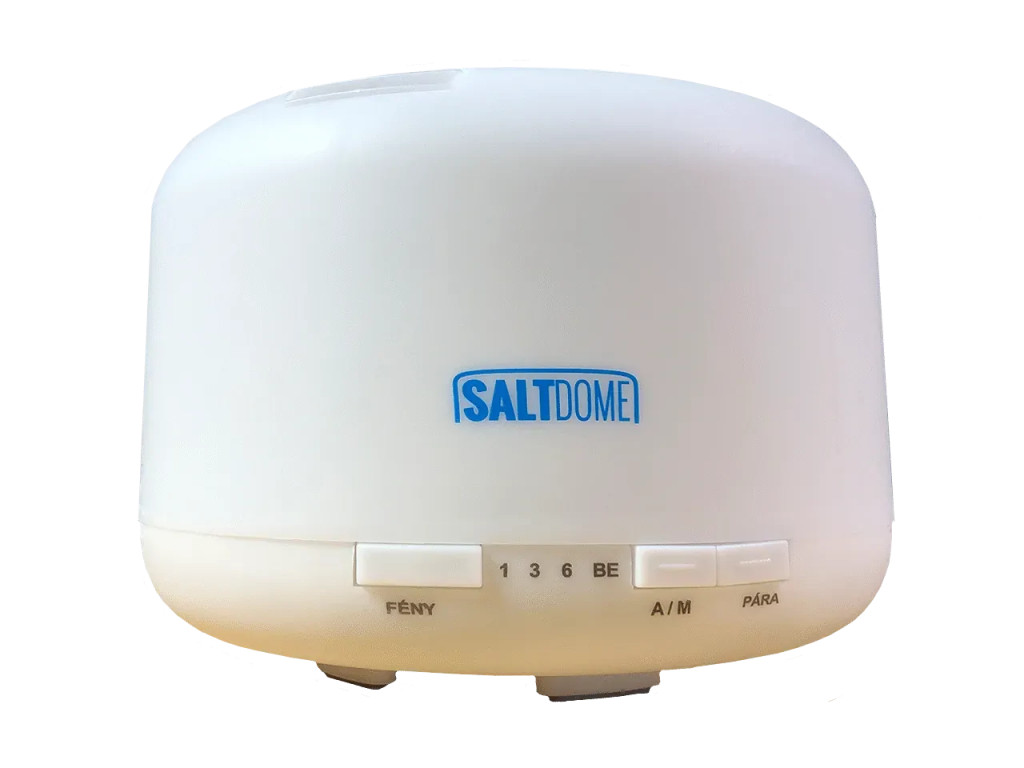
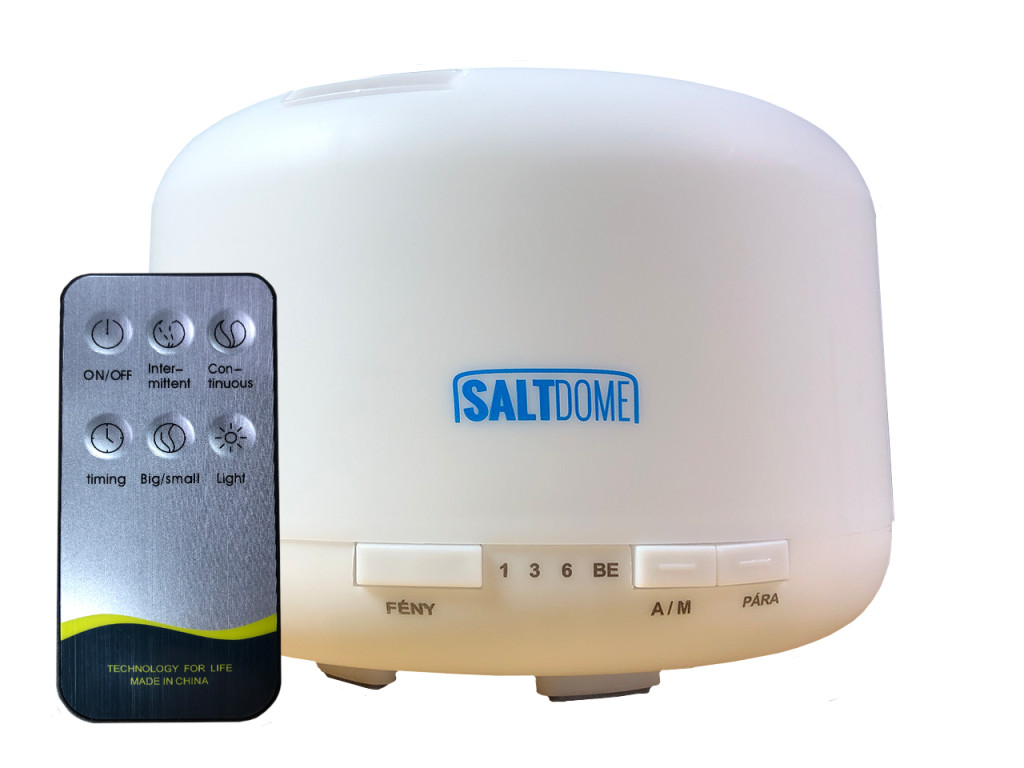
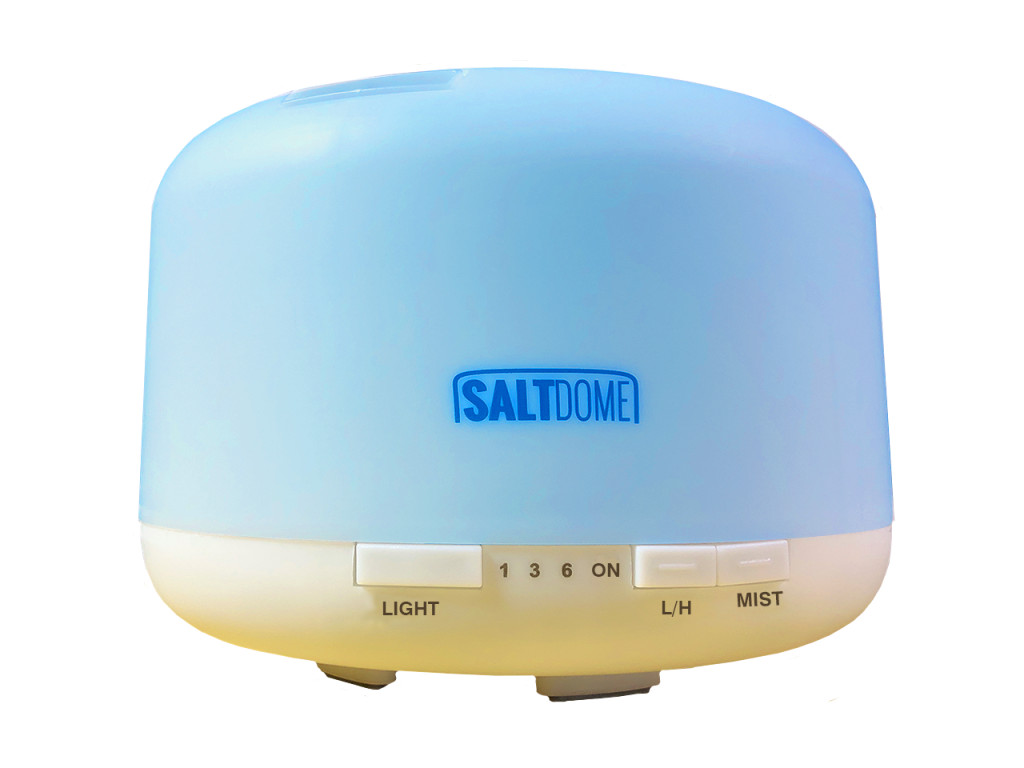
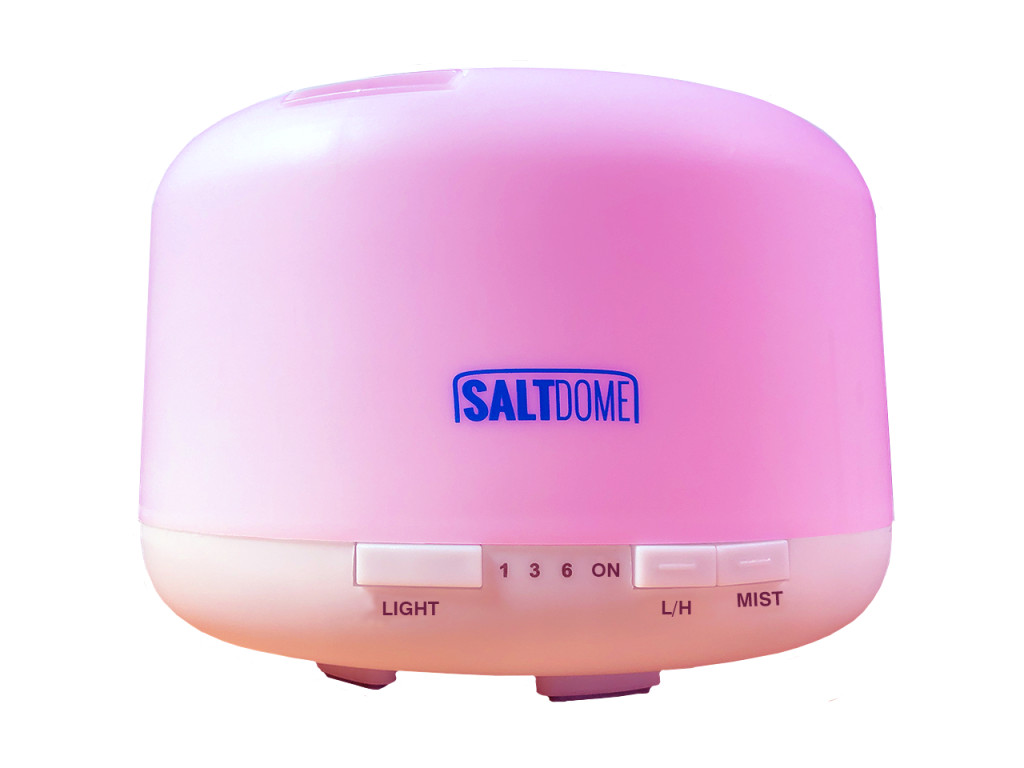
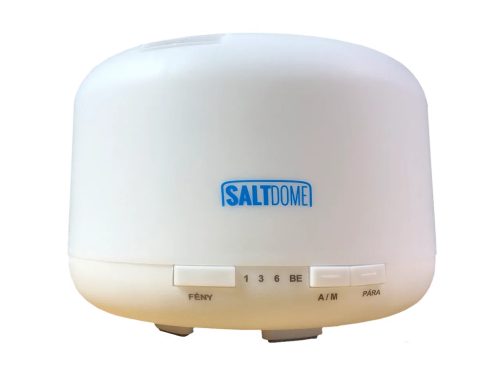
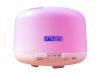
SaltDome Salt Therapy Device
10
49.00 € 
44.10 €
  1. Salt Therapy
  1. Home therapy
  2. Salt Therapy

SaltDome Salt Therapy Device

Item number: 
OKA03-015
10
Popular!
SaltDome Salt Therapy Device
In stock
10
49.00 € 
44.10 €
Start date: 26/02/2026   Done: 12/03/2026
Savings 4.90 €

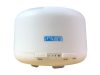
The beneficial effects of salt cave air have been known for centuries. You no longer need to travel far to breathe that quality air — with the SaltDome you can create salt-cave-quality air at home.

Salt-enriched air can help you, your family and even your pets with respiratory problems, certain dermatological conditions, and even snoring. Athletes may find it useful for breathing optimization..

For pet owners — helpful for dogs' and cats' respiratory issues just as for humans.

Learn more about possible uses — scroll down for details!

Bundle offers
Compatible accessories
Details

Definition What is salt therapy? What is halotherapy?

Let’s start with the basics, because there is a lot of confusion around the terms. The salt therapy and halotherapy mean the same thing — one is the Hungarian term, the other is derived from Greek. In Greek, “halos” means salt, so halotherapy literally means “salt treatment.” The international scientific literature uses the term “halotherapy,” so when searching PubMed it’s useful to use that term.

There is a related term, speleotherapy, which refers to treatments carried out in natural salt caves. “Speleo” means cave in Greek. The difference is that speleotherapy takes place in a natural environment (for example, the Turda salt mine), while halotherapy is performed in artificially created salt rooms or using a halogenerator.

Key point Essence of salt therapy

In all three cases the principle is the same: you inhale tiny, microscopic salt particles that have beneficial effects on the airways.

Salt therapy is one of the simplest-to-use forms of home medical devices. If you are unsure which therapeutic technology suits you best, read our comprehensive guide Which technology is good for what?.

How it works How does salt therapy work?

Several scientific studies have investigated the mechanisms of salt therapy. The basic principle is relatively simple, but the details matter if you want to understand how it may help.

When you inhale salt air, the tiny salt particles penetrate deep into the airways. According to the ENT Clinic of Semmelweis University, particle size determines where they deposit: particles larger than 8 μm remain in the pharynx, those 5–8 μm deposit in the large airways, while particles of 0.5–5 μm reach the lower airways as well.8

The three main mechanisms of action

From a respiratory therapy perspective the smallest particles (0.5–5 μm) are the most effective. On the mucosa they exert an osmotic effect, drawing water to them, which thins secretions and makes them easier to cough up or expectorate.

It works similarly to salting cucumber slices: salt draws water out and the slices soften. The same dilution happens with mucus — it becomes easier to clear, which is why salt therapy can be beneficial.

Experts at Semmelweis University note that salt’s anti-inflammatory effect is due to its alkaline properties — salt particles directly adhere to airway mucosa, reduce mucus viscosity and help restore normal mucociliary transport.8

Chervinskaya and colleagues reported in 1995 that controlled halotherapy improved clinical condition and pulmonary function in a study of 124 respiratory patients.1

Natural salt crystals also have a disinfectant effect — they destroy many viruses, bacteria and fungi — and a strong antihistamine effect, which can be especially beneficial in allergies.

Your airways are lined with tiny cilia whose job is to sweep out inhaled particles and mucus. In chronic airway diseases these cilia slow down or become damaged.

Salt therapy stimulates their function — this improves mucociliary clearance. Better ciliary action helps the airways clear themselves of pollutants and pathogens.

Watch it in action

Types Different types of salt therapy

Salt therapy exists in several forms, and it’s important to know how effective each is.

Natural salt caves

Natural salt caves — like the recently destroyed Parajd, Turda, or the renowned Wieliczka in Poland — have been used for healing for centuries. In the 1840s Feliks Boczkowski first observed that salt miners rarely suffered from respiratory diseases, leading to the first salt therapy sanatorium. The advantage of salt caves is their natural, clean, stable temperature and humidity. The drawback is that you must spend weeks there, which can be demanding in time and cost.

Artificial salt rooms (halochambers)

Artificial salt rooms try to reproduce cave conditions. Their walls are covered with salt and a halogenerator sprays salt particles into the air. These rooms are increasingly common in wellness centers and spas. Their effectiveness depends heavily on the halogenerator’s quality and the room’s design.

In Hungary the salt chamber of Budapest’s Szent Gellért Thermal Bath held a special place, unique in the country. In the inhalatorium established in 1918 patients inhaled a sprayed saline solution (0.5 μm) made from table salt and bicarbonate. Treatments lasted 15–20 minutes and were recommended especially for upper airway conditions with thick, hard-to-clear secretions.8 Unfortunately it is currently closed for renovation with reopening expected in 2028.

Salt pipes and salt inhalers

Salt pipes and inhalers are inexpensive and easy to obtain, but their effectiveness is limited. A salt pipe mainly delivers salt to the upper airways, and particle size is suboptimal. Consider them supplementary rather than primary therapeutic tools.

Salt lamps

Salt lamps are popular, but contrary to myths they do not emit therapeutic amounts of salt particles into the air. They are excellent as decor, but do not expect meaningful improvement for respiratory complaints.

Ultrasonic salt therapy devices

Ultrasonic salt therapy devices, like the SaltDome, use modern technology to generate optimally sized (2–5 μm) salt particles. These devices enable regular home use — which is crucial for effectiveness, as most studies show benefit with consistent, longer-term treatment.

Method Advantage Disadvantage
Natural salt cave Proven effect, natural environment Time-consuming, costly, requires travel
Artificial salt room Available in cities Requires regular visits
Home device (SaltDome) Daily use, convenient Initial investment
Salt pipe Cheap Limited effectiveness, only upper airways
Salt lamp Decorative No therapeutic effect

Which conditions can it help?

Salt therapy is used for many respiratory and other complaints. Below I outline where scientific support exists and where evidence is mainly experiential.

Halotherapy may help with mucus clearance and ease breathing. Studies suggest possible improvements in pulmonary function and quality of life, though the evidence is not yet conclusive.5 If you have COPD, salt therapy can complement medication, but do not stop prescribed treatments.

Detailed guide: COPD and salt therapy →

A 2021 meta-analysis of 18 studies concluded that halotherapy may be beneficial as an adjunct therapy without side effects.6 Important: salt therapy does not replace a rescue inhaler during an asthma attack!

Detailed guide: Asthma and salt therapy →

Salt can help clear nasal passages and reduce mucosal swelling. Many allergy sufferers report milder symptoms when they start salt therapy a few weeks before the season.

Detailed guide: Hay fever and salt therapy →

Salt therapy can accelerate recovery through its mucolytic effect. Regular use may also play a preventive role — a 2012 study found that halotherapy reduced the incidence of upper respiratory infections in healthy children.7 8 This is particularly important for preschool and school-age children where infections spread quickly.

Detailed guide: Cold and salt therapy →

Salt particles can reach the sinuses and help dissolve and remove secretions.

Detailed guide: Sinusitis and salt therapy →

Inhalation of hypertonic saline has been shown to improve lung function. This is not identical to dry salt therapy, but the underlying principle is similar.

Detailed guide: Cystic fibrosis and salt therapy →

Salt therapy may support rehabilitation — but only after the acute, febrile phase has passed.

Detailed guide: Post-pneumonia salt therapy →

If snoring is nasal in origin (due to congestion or allergy), salt therapy can help restore unobstructed breathing.

Detailed guide: Snoring and salt therapy →

Salt therapy can be used as an adjunctive treatment for some skin conditions, although the level of evidence is lower than for respiratory indications.

Detailed guide: Skin problems and salt therapy →

Special target groups

Salt therapy is not only for patients — athletes, professionals and pet owners may also benefit:

  • Sport Salt therapy for athletes — breathing optimization and recovery →
  • Professional Salt therapy in practice — a guide for healthcare professionals →
  • Pet Salt therapy for pets — respiratory issues in dogs and cats →

Home Home halotherapy with the SaltDome

A seaside holiday or visiting a salt room is not accessible to everyone. That’s why home halotherapy is growing in popularity.

The device’s principle is simple: it ultrasonically nebulizes saline and emits 2–5 μm salt particles into the air. This particle size is ideal for deep airway penetration — small enough to reach the bronchi yet large enough not to be exhaled immediately.

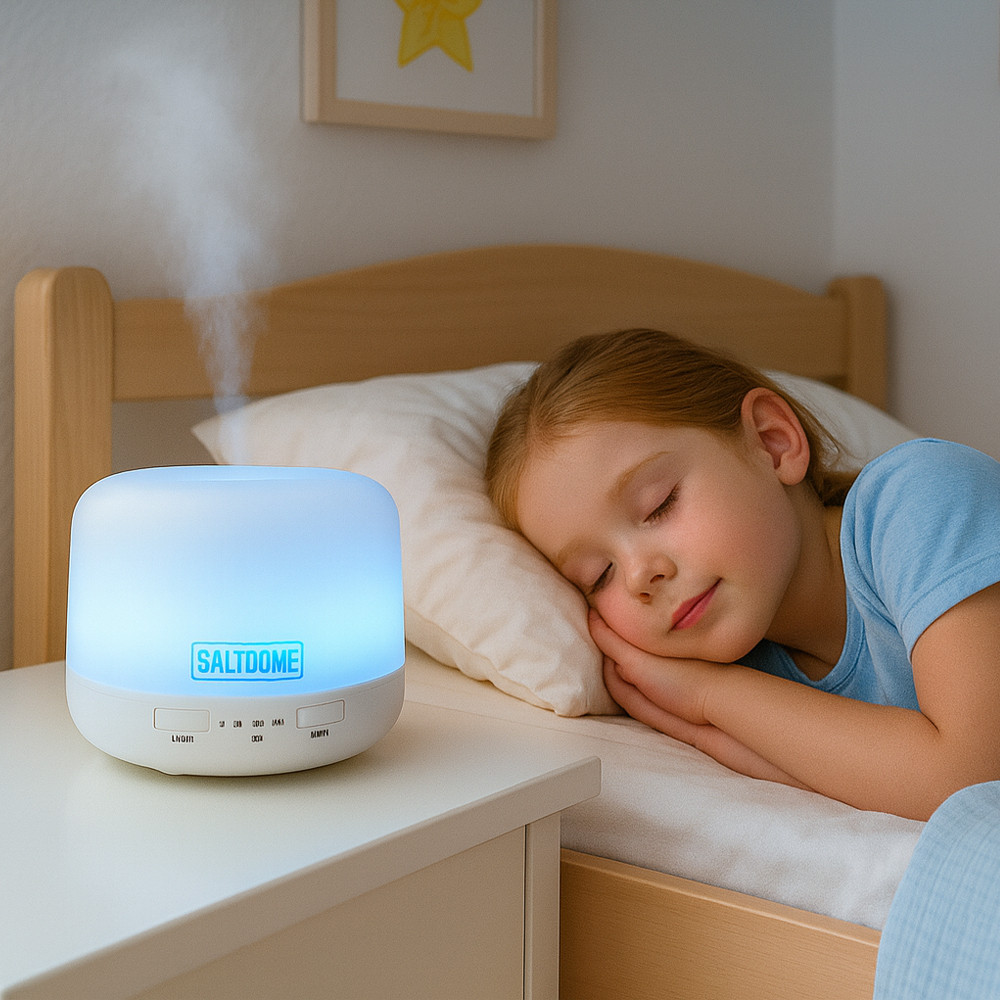
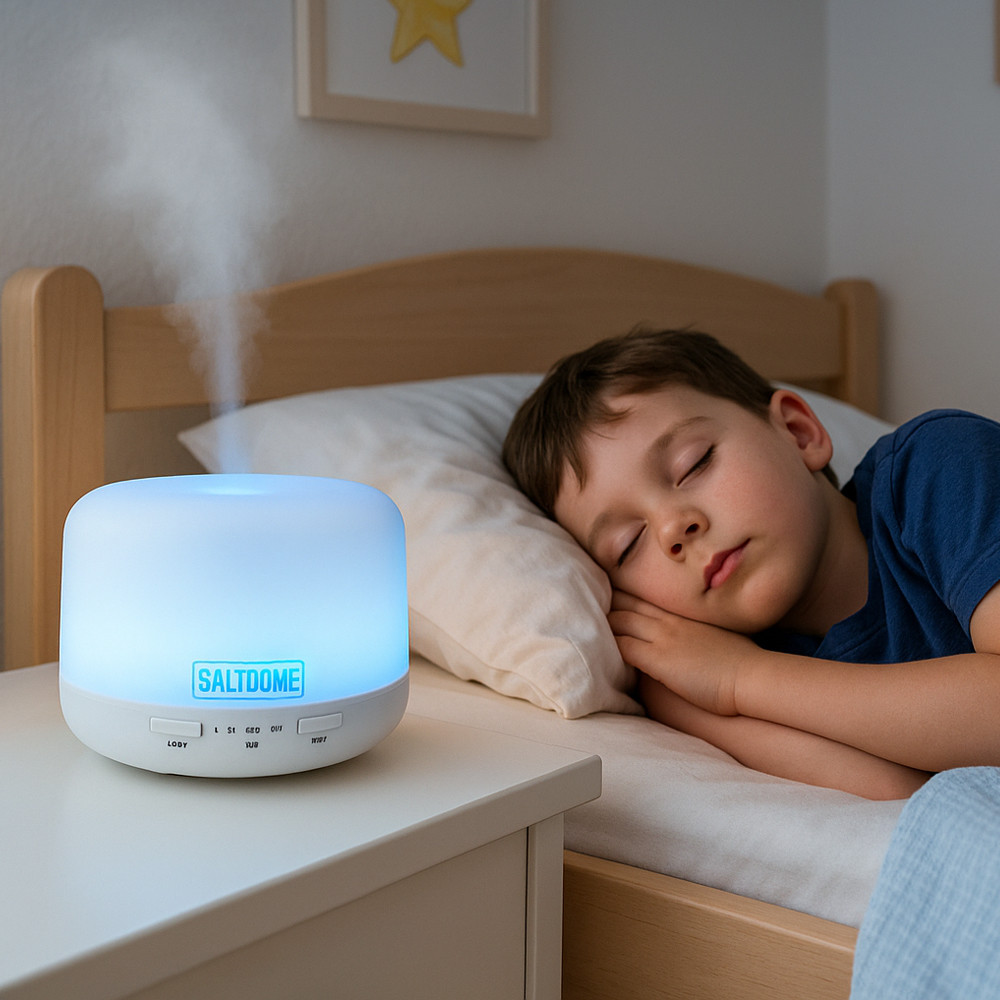
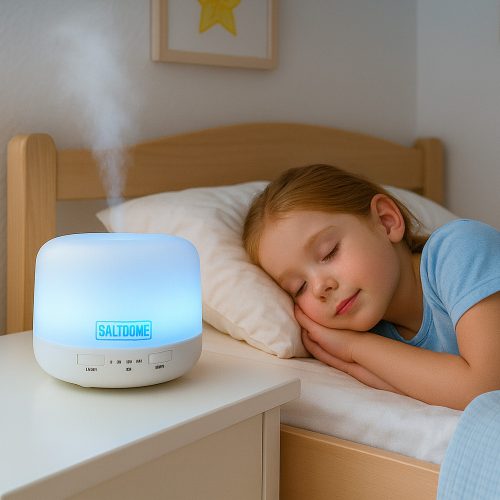
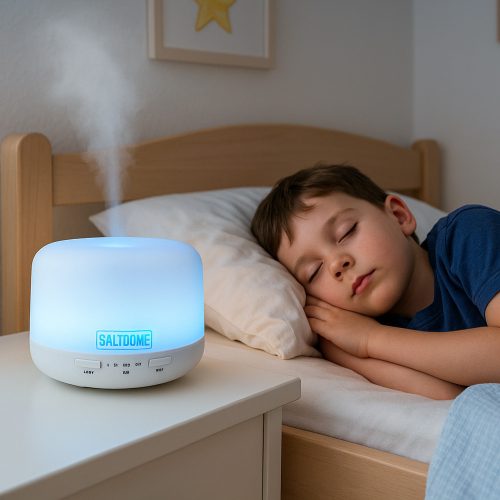
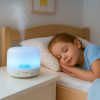
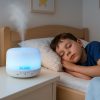
Compared with dry salt devices, the SaltDome’s advantage is that it emits a minimal amount of moisture (it nebulizes saline) and therefore does not dry out the airways. It is designed for night use: placed near your bed it gently releases salty air all night while you sleep. Its low noise level does not disturb sleep.

Regular use — 6–8 hours nightly — can lead to meaningful improvement in respiratory complaints. Most users notice changes after 2–4 weeks, and it can be useful even earlier for prevention.

SaltDome Salt Therapy Device

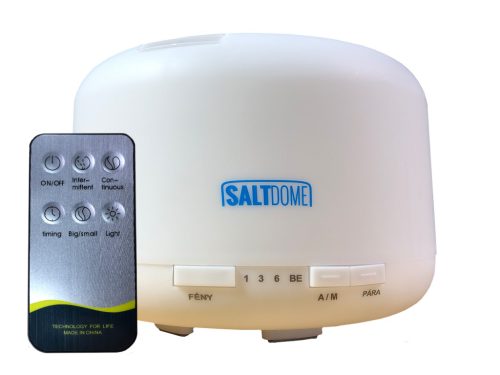
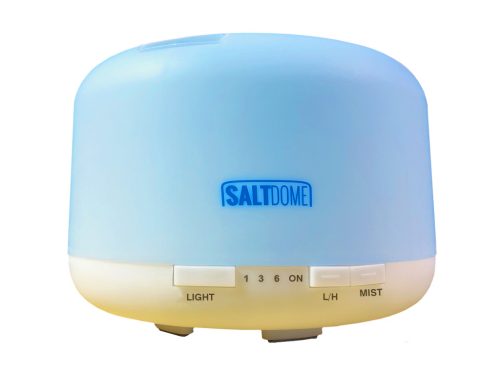
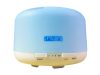
Ultrasonic salt generator producing 2–5 μm salt particles. Ideal for night use with quiet operation.

Natural, additive-free rock salt

Rock salt required for the device to ensure therapeutic effect.

If you want to enjoy the benefits of salt therapy at home, check our salt therapy devices.

Warning Before you start treatment

Salt therapy is generally safe, but as with any treatment there are situations that require caution. Consult your physician before using salt therapy if you have chronic illness.

When to be cautious?

  • Untreated high blood pressure — salt intake can be problematic. Although inhaled salt during therapy is a tiny fraction of dietary intake, discuss with your doctor if you have severe, uncontrolled hypertension.
  • Kidney disease — consult your physician because salt metabolism may be affected.
  • Active respiratory infection, high fever — wait until the febrile phase subsides before starting salt therapy.
  • Active tuberculosis
  • Airway bleeding
  • Severe heart failure
  • Malignant tumor — consult your treating physician in advance.

Possible side effects

Salt therapy may temporarily increase coughing — this is actually a sign of mucus clearance, since cough helps remove secretions. This is usually transient. Some people experience mild throat irritation initially. If symptoms persist or worsen, reduce session time or pause therapy and consult a doctor.

Info Important note

Salt therapy is a complementary treatment and does not replace medical care. If you have asthma, keep your rescue inhaler at hand. If you have COPD, continue taking your prescribed medications. Salt therapy aims to support your body’s defenses and improve quality of life — not to replace modern medicine.

Research Scientific background — what do studies say?

It is important to understand what scientific studies support and what they do not. Salt therapy is not a cure-all, but many studies indicate it can have beneficial effects as an adjunctive therapy.

2022 comprehensive review

A review of 13 studies found that halotherapy may positively influence the condition of people with chronic respiratory disorders.2 The researchers highlighted improvements in mucociliary clearance and positive changes in lung function.

Israeli pediatric study (2017)

Bar-Yoseph et al. conducted a randomized controlled trial in 5–13-year-old children with mild asthma.3 Salt-room treatment improved bronchial hyperreactivity and quality of life — an important finding because parents often seek drug-free alternatives for children.

Occupational lung diseases (2018)

A Russian study reported improvement in 90% of patients with mild occupational COPD after controlled halotherapy.4

2021 meta-analysis on asthma

The review of 18 studies concluded that halotherapy may be beneficial as an adjunct therapy in asthma without side effects.6

Attention Important remark

A 2014 systematic review found that there are currently few high-quality randomized trials, so halotherapy should be used as a complementary therapy rather than instead of medical treatment.5

Tips Practical tips for effective use

Tip My tip

If you start home halotherapy, be patient and consistent.

Regularity is more important than intensity. It’s better to use the device every night than to spend one whole day in a salt room each week. Airway mucosa regeneration takes time — give your body 2–4 weeks before judging the effect.

For seasonal allergies, start regular salt therapy 2–4 weeks before the season begins for prevention. If you already have symptoms it can still help, but prevention is more effective than firefighting.

During colds you can increase use — the device may be used during the day for shorter sessions. The mucolytic effect can aid faster recovery.

Maintain the device according to manufacturer instructions. Regularly replacing the saline and cleaning the tank is important for hygiene and effective operation.

FAQ Frequently asked questions

Most users notice changes after 2–4 weeks of regular use. Preventive effects may appear earlier.

Yes, salt therapy is generally safe for children. Israeli research in 5–13-year-olds found no adverse effects, and Semmelweis University also confirms that halotherapy treatments do not have side effects.

No — during an asthma attack use your rescue inhaler. Salt therapy is for prevention and maintenance during symptom-free periods.

No. Salt therapy is a complementary method to be used alongside medical treatment, not instead of it.

There is no difference — the terms refer to the same treatment. “Salt therapy” is Hungarian, “halotherapy” is the Greek-derived international term.

Particles of 0.5–5 μm reach the lower airways and are the therapeutic optimum.

There are no natural salt caves in Hungary; the nearest are in Transylvania (Turda) or Poland. Artificial salt rooms exist in medium and large cities. For home use we recommend the SaltDome device.

Summary Summary — Quick overview

What is this article? A comprehensive guide to salt therapy (halotherapy) presenting scientific background, applications and home use possibilities.
Who is it for? People with respiratory complaints (asthma, COPD, allergy, chronic rhinitis), their caregivers, and anyone who wants to support respiratory health with natural methods.
Main message: Salt therapy (halotherapy) is a scientifically examined complementary method that can aid mucus clearance, reduce inflammation and ease breathing. It does not replace medical treatment but can improve quality of life when used alongside it.
Mechanisms of action: 1) Mucolysis — osmotic effect, 2) Anti-inflammatory — alkaline and antihistamine effects, 3) Cilia activation — improved mucociliary clearance.
Next step: See salt therapy devices →

Key concepts and definitions

Term Meaning Note
Salt therapy Therapy based on inhaling salt particles Hungarian term
Halotherapy Therapy based on inhaling salt particles Greek-derived, used in international literature
Speleotherapy Treatment in natural salt caves Greek speleo = cave
Halogenerator Device that emits micron-sized salt particles into the air Used in artificial salt rooms
Mucociliary clearance Removal of mucus by airway cilia Improved by salt therapy

Sources

  1. Chervinskaya AV, Zilber NA (1995). Halotherapy for treatment of respiratory diseases. Journal of Aerosol Medicine , 8(3):221-232. PubMed: 10161255
  2. Crisan-Dabija R et al. (2022). Halotherapy for Chronic Respiratory Disorders: From the Cave to the Clinical. Alternative Therapies in Health and Medicine . PubMed: 32827399
  3. Bar-Yoseph R et al. (2017). Halotherapy as asthma treatment in children: A randomized, controlled, prospective pilot study. Pediatric Pulmonology , 52(5):580-587. PubMed: 27723955
  4. Meditsina Truda i Promyshlennaya Ekologiya (2018). Efficiency of controlled halotherapy in rehabilitation of patients with occupational lung diseases. PubMed: 30351691
  5. Rashleigh R, Smith SM, Roberts NJ (2014). A review of halotherapy for chronic obstructive pulmonary disease. International Journal of Chronic Obstructive Pulmonary Disease , 9:239-246. PubMed: 24591823
  6. Crișan-Dabija R et al. (2021). Halotherapy—An Ancient Natural Ally in the Management of Asthma: A Comprehensive Review. International Journal of Environmental Research and Public Health , 18(23):12427. PubMed: 34828649
  7. Khan MA et al. (2012). The use of Halotherapy for the health improvement in children at institutions of general education. Voprosy Kurortologii, Fizioterapii i Lechebnoi Fizicheskoi Kultury . PubMed: 22908472
  8. Semmelweis University, Department of Otolaryngology. Effects of salt therapy. semmelweis.hu
Dr. Zátrok Zsolt

Dr. Zátrok Zsolt

Physician, medical technology expert, blogger

The information in this article is for guidance only. Salt therapy is intended as a complement to medical treatment and does not replace it. Consult your physician for complaints. For correct use of home therapeutic devices, see the product description and user manual.

Data
Downloadable files:
Instruction for Use
Article recommendation :
Sóterápia átfogó útmutató
Brand:
MediMarket
When can it arrive? :
05/03/2026
Barcode:
5999133200003
Website:
https://medimarket.hu/
Reviews
Be the first to write a review!
Write a review
Customer account
  • Sign In
  • Sign Up
  • My Profile
  • Cart
  • My Favorites
Information
  • Terms and Conditions
  • Privacy Policy
  • Payment
  • Shipping
  • Contact details
Scart Kft
  • Koltói Anna utca 39., Albertirsa, 2730
  • +36-53/200108
  • [email protected]
  • facebook

SUBSCRIBE
TO OUR NEWSLETTER!

Don't miss out on useful information!

Subscribe
barion_com
paypal
  • Deals
  • Home therapy
  • Disease Treatment
  • Fitness
  • Beauty Care
  • Veterinary Medicine
  • Clinic Equipment
  • Accessories and Add-Ons
  • Clearance Sale
  • Blog
    Blog
    • Forum
    • Disease and Its Symptoms
    • Training and Injuries
    • Lifestyle
    • FAQ
    • Device and Equipment
    • Rehabilitation
    • Therapy and Treatment
  • Info
  • Become our Distributor
  • Become our Affiliate
Change language
  • hu
  • en
  • sk
  • de
  • nl
Change currency
Sign in
Sign Up
Privacy settings
Our website uses cookies necessary for basic functionality. You can allow additional cookies for broader features (marketing, analytics, personalization). For more details, see our Privacy Policy in the Privacy Notice.