
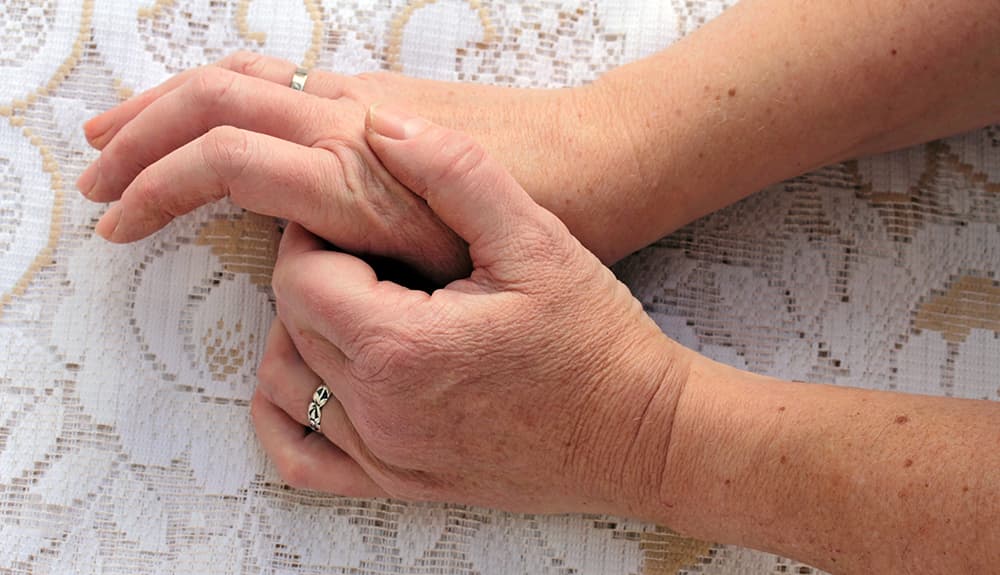
Arthritis: when every movement causes pain
Arthritis – medically called arthritis – is one of the most common musculoskeletal problems today. In Hungary it is estimated to affect more than one and a half million people in some form. Joint pain not only restricts movement but also significantly reduces quality of life. If you are among those whose mornings begin with painful stiffness or who struggle to climb every flight of stairs, you know exactly what I mean.
In this comprehensive article you will learn about the causes of arthritis, conventional and alternative treatment options, and how you can manage joint pain with solutions that avoid drugs and their side effects.
What is arthritis and how does it develop?
The term “arthritis” is actually an umbrella term that includes more than 100 different joint diseases. The common feature is inflammation that develops in the joints, causing pain, swelling, stiffness and limited mobility.
The two most common forms are osteoarthritis (also called degenerative joint disease) and rheumatoid arthritis. The former involves gradual wear of the joint cartilage, while the latter is an autoimmune disease in which the body’s immune system attacks its own joint tissues.
Gout, psoriatic arthritis, reactive arthritis and many other conditions also fall under this category.
Typical symptoms of joint pain
The symptoms of joint pain and inflammation are characteristic, although their severity can vary from person to person:
- Pain that increases with movement or load
- Morning joint stiffness that can last for hours
- Swelling around the affected joint
- Warmth and redness of the affected area
- Reduced range of motion
- Clicking or cracking when moving
Symptoms can be mild at first, but without treatment they gradually worsen. That is why it is important to recognize the signs early and receive appropriate care.
Causes of arthritis: why does the problem occur?
The causes of arthritis are diverse. Lifestyle factors can be traced back to the appearance of about 80% of chronic diseases, including joint complaints. Let’s look in detail at the key factors.
Overweight: a silent enemy of the joints
Excess kilograms are one of the most significant risk factors. Every extra kilo means multiple times the load on the knee and hip joints when walking. If you are just 5 kilograms over your ideal weight, that already places a significant extra load on your knee with every step.
But overweight damages joints not only mechanically. Adipose tissue is hormonally active and produces pro-inflammatory substances called adipokines, which systemically increase inflammatory processes throughout the body.
This helps explain why overweight people are more prone not only to knee and hip problems but also to inflammation in the small joints of the hands, which are not directly loaded by body weight.
Lack of movement: the cartilage's "starvation"
Paradoxically: while excessive or improper loading damages the joints, lack of movement is equally destructive.
Joint cartilage has no direct blood supply – it receives nutrients from the synovial fluid, which is “pumped” into the cartilage only through movement. If you move little, the cartilage “starves” and gradually loses elasticity and resilience.
Moreover, lack of movement leads to weakening of the muscles around the joint, which otherwise serve protective and stabilizing functions. Weak muscles cannot adequately offload the joint, leading to increased wear.
Unhealthy diet and inflammation
Today's diets contain too many carbohydrates: bread, pastries, sweets, pasta, soft drinks. These rapidly absorbed carbs cause insulin fluctuations and promote inflammatory processes in the body. The more carbohydrates you consume, the more likely you are to develop joint inflammation.
But it is not only carbs that are problematic – processed foods, trans fats and alcohol also increase the body’s inflammatory state.
By contrast, omega-3 rich fish, colorful vegetables, berries, turmeric and ginger have anti-inflammatory effects.
Your diet can therefore significantly influence which way the balance tips.
Effects of stress and sleep disturbance on the joints
Chronic stress does not “only” burden your mind – it keeps your entire body in a constant state of alert (sympathetic dominance). This prolonged stress response increases inflammatory processes, impairs immune function, and accelerates tissue aging.
Sleep disturbances and inflammation have a two-way relationship: poor sleep increases inflammation, and inflammation worsens sleep quality. If you sleep fewer than 6–7 hours a night, or your sleep is not restorative, this directly contributes to worsening joint complaints.
Overuse and occupational hazards
Overuse is also among the causes of arthritis. This does not necessarily mean elite sport or heavy physical labor – repetitive, monotonous movements in everyday activities often lead to problems.
Certain professions place particular strain on the joints. Cashiers, packers, musicians, hairdressers and manual workers more frequently suffer joint complaints. Repetitive motions cause microtraumas that over time lead to chronic inflammation.
Sport can also be harmful when done excessively or incorrectly. A sudden increase in intensity is particularly dangerous – for example, when someone doubles their training overnight or starts with high loads after years of inactivity.
The role of biomechanical problems
Flat feet, collapsed arches, knock-knees, bowlegs and scoliosis all change load distribution and place disproportionate pressure on some joints.
If you have any of these, you need to pay extra attention to joint protection. Inadequate footwear – very flat shoes, high heels, or sport shoes that do not provide proper support – also contribute to the problem.
Medication for arthritis: advantages and disadvantages of conventional treatment
When you see a doctor for joint pain, you will very likely receive drug treatment. Traditional management of arthritis focuses on reducing symptoms – primarily pain and inflammation.
The most commonly used agents are non-steroidal anti-inflammatory drugs (NSAIDs) and, in more severe cases, steroids.
Painkillers for joint pain: NSAIDs
Among painkillers, non-steroidal anti-inflammatory drugs (NSAIDs) are the most popular. Ibuprofen, diclofenac, naproxen, nimesulide, meloxicam and their relatives are most frequently used for joint complaints. In our country, millions of boxes of these are sold each year – many people take them daily for years.
They are effective, undeniably: they quickly reduce joint pain and inflammation, allowing daily activities to continue.
How do NSAIDs work?
NSAIDs inhibit cyclooxygenase (COX) enzymes that are responsible for producing prostaglandins. Prostaglandins mediate inflammatory reactions and pain sensation – when fewer are produced, inflammation and pain decrease.
Side effects of NSAIDs
The problem begins because prostaglandins not only play a role in inflammation but also protect the gastric mucosa, regulate renal blood flow and influence blood clotting. When NSAIDs inhibit prostaglandin production, these protective functions are also impaired.
Due to reduced protection of the stomach lining, long-term use can lead to gastric and duodenal ulcers, and in severe cases to gastrointestinal bleeding. Statistics show that about 15–30% of NSAID users develop some degree of gastrointestinal damage.
Older people, those with previous stomach problems, and those taking blood thinners are at increased risk. Concurrent use of acid-suppressing medication can mitigate this risk but does not eliminate it entirely.
But that is not all. NSAIDs can:
- Raise blood pressure
- Increase the risk of cardiovascular disease
- Harm kidney function
- Cause fluid retention
It is also important to know that these drugs treat symptoms, not the cause. They mask inflammation and pain, but joint damage may continue in the background. Some studies even suggest that certain NSAIDs may accelerate cartilage loss in the long term.
Steroids for joint pain
In more severe inflammation, the doctor may prescribe steroid anti-inflammatories – for example prednisolone. These are more powerful than NSAIDs and reduce inflammation faster and more strongly. However, their side effects are also more serious.
Side effects of steroids:
- Osteoporosis – particularly unfavorable regarding joint health
- Triggering or worsening diabetes
- Increased blood pressure
- Weakened immune system
- Weight gain
- Mood changes, sleep disturbances
Steroid injections into the joint act locally, so they have fewer systemic side effects. However, they cannot be repeated indefinitely – generally more than 3–4 injections per year into the same joint are not recommended, as steroids can, over time, damage cartilage and surrounding tissues.
Creams and gels for arthritis: topical treatment
Anti-inflammatory preparations for arthritis are also available in cream and gel form.
These topical agents can be applied directly to the affected area, so less active ingredient enters the bloodstream compared to oral medications.
Advantages of topical preparations:
- Targeted effect directly on the painful area
- Fewer systemic side effects
- Less burden on the gastrointestinal tract
- Can be combined with other treatments
Disadvantages of topical preparations:
- More effective on superficial joints (hands, knees, ankles)
- More difficult to reach deeper joints (hip, spine)
- Can cause skin irritation
- Can cause photosensitivity
The most common active ingredients in topical preparations are diclofenac, ibuprofen and ketoprofen. There are also creams with natural ingredients containing menthol, camphor, capsicum extract or herbs.
The painkiller trap
Many people make the mistake of mistaking drug-provided pain relief for real healing.
Because it does not hurt, they think the joint is fine and continue – even increase – the load. This can have catastrophic consequences: the joint continues to deteriorate while you remain unaware, because pain – the body's warning signal – is suppressed.
Treating arthritis without drugs: physiotherapy methods
Treating arthritis cannot be limited to symptomatic drug therapy. In the long term, lifestyle changes and physiotherapy methods are the real solution – these approaches do not mask symptoms but support the body's natural regenerative processes.
Benefits of physiotherapy in treating joint pain
Physiotherapy methods – therapeutic exercise, massage, therapeutic ultrasound, electrotherapy, softlaser, magnetic therapy, microcurrent treatment – offer side-effect-free alternatives for treating joint pain.
They not only relieve symptoms but also promote regeneration and, importantly, do not harm other parts of the body.
The number of in-clinic treatments is usually limited – doctors commonly prescribe 5–10 sessions. For most chronic conditions this is not enough for lasting improvement.
However, with modern devices designed for home use, you can continue the treatments started in the clinic at home, daily, even for years – and this is crucial in managing chronic conditions.
The effectiveness of softlaser in arthritis
Softlaser (LLLT – Low Level Laser Therapy) is one of the most effective physiotherapy methods for treating joint complaints. The infrared laser beam penetrates tissues, stimulates cellular energy production, enhances microcirculation, and exerts an anti-inflammatory effect.
Clinical studies confirm that softlaser treatment reduces joint pain and stiffness, improves joint range of motion, and—importantly—reduces the need for pain-relieving medication. For example, patients with rheumatoid arthritis have been shown to require fewer anti-inflammatory and analgesic drugs following softlaser therapy.
Softlaser devices designed for home use have become widely available over the past 10 years. For joint treatment I recommend devices that emit an 808 nm wavelength, as they reach the appropriate tissue depth. Shorter wavelength devices (650–660 nm) are cheaper but are not effective for deeper joints such as the knee, hip or spine.
Microcurrent therapy: energizing the cells
Microcurrent therapy is still less widespread among electrotherapy methods, yet it is one of the most effective pain-relieving and anti-inflammatory procedures that can be used at home.
The advantage of microcurrent is that it is almost imperceptible—unlike traditional TENS devices, which produce a noticeable tingling.
Low-intensity currents in the microampere range stimulate cellular ATP production, increase protein synthesis and tissue regeneration. Research suggests microcurrent can boost cellular ATP production by up to 500%, which is a fundamental energy source for healing processes.
TENS and muscle stimulation against joint pain
TENS (transcutaneous electrical nerve stimulation) is one of the oldest electrotherapy methods used to relieve joint pain. The device sends mild electrical impulses to the nerves that “disrupt” the transmission of pain signals to the brain.
Muscle stimulation (EMS) is used to strengthen the muscles around the joint, which indirectly offloads the joint and improves stability.
Effect of magnetic therapy on the joints
Pulsed electromagnetic field therapy (PEMF) improves microcirculation, increases oxygen delivery and supports cellular regeneration. It is particularly effective in treating chronic joint complaints and post-traumatic conditions.
Vagus nerve stimulation (tVNS) – a new option to reduce inflammation
Transcutaneous vagus nerve stimulation (tVNS) is a relatively new but highly promising method for treating chronic inflammatory conditions.
The vagus nerve—the body's longest cranial nerve—plays a key role in parasympathetic function and regulation of inflammatory processes.
Activating the vagus nerve engages the body's own anti-inflammatory mechanisms. tVNS enhances the so-called cholinergic anti-inflammatory pathway, which reduces production of proinflammatory cytokines.
It also improves sleep quality, reduces stress and supports healthy immune function – all of which indirectly benefit joint health.
Lifestyle change: the foundation of arthritis treatment
Regardless of the treatment you choose, without lifestyle changes you can expect only symptomatic improvement. Joint health is in your hands.
Dietary advice for arthritis
Foods to avoid:
- Processed foods, fast food
- Refined carbohydrates (white bread, pastries)
- Sugary drinks and sweets
- Excessive alcohol consumption
- Large amounts of red meat
Recommended foods:
- Fatty fish (salmon, mackerel, sardines) – sources of omega-3
- Colorful vegetables and fruits
- Whole grains
- Nuts and seeds
- Olive oil
- Anti-inflammatory spices: turmeric, ginger
Exercise and physical activity with joint complaints
Regular, joint-friendly exercise is essential. Swimming, cycling, aqua fitness and walking are gentle on the joints while strengthening muscles and improving overall endurance.
Avoid high-impact loading (running on hard surfaces) and sports involving sudden changes of direction until your condition improves.
The importance of weight control
If you are overweight, every kilogram lost brings noticeable relief to your joints. Don’t set unrealistic goals—losing just 5–10% of body weight can significantly improve symptoms.
Summary: how to effectively manage arthritis
Managing arthritis requires a complex approach. Drug treatment—be it pain-relief tablets or topical creams—may be important during the acute phase, but in the long run it is not a solution and is unsustainable because of side effects.
The key to lasting improvement is a combination of lifestyle change and regular physiotherapy.
At-home physiotherapy devices—such as softlaser, microcurrent, EMS and magnetic therapy units—make daily treatment possible, which is essential for chronic conditions.
What you can do for your joints:
- Maintain a healthy weight
- Exercise regularly, but intelligently
- Eat an anti-inflammatory diet
- Use regular physiotherapy
- Manage stress and get enough sleep
- Don’t just mask the symptoms—address the causes
Arthritis is not an inevitable fate – it is a condition whose course you can influence. The question is: will you take that opportunity?

