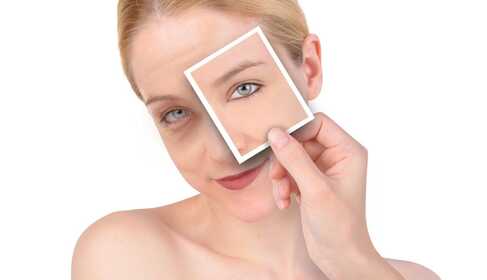
Dark circles under the eyes – what should you know about them?
“Dark circles under the eyes” means dark discoloration of the skin around and especially under the eyes. It is usually a bilateral phenomenon. It should be distinguished from a change affecting only one eye area. Such a change can be caused, for example, by injury and bruising or by redness and swelling due to an infection of one eye. Dark circles can be purplish, bluish, dark brown or black in shade. This strongly depends on the skin's baseline color […]

“Dark circles under the eyes” refers to dark discoloration of the skin around and especially under the eyes. It is usually a bilateral phenomenon. It must be distinguished from a change that affects only one eye area. Such a change can be caused, for example, by injury and bruising or by redness and swelling from an infection of one eye. Dark circles may be purplish, bluish, dark brown or black in shade. This strongly depends on the skin's baseline color. Usually there is no medical problem behind them; they are merely an aesthetic difference. I wrote about when you should take them seriously.
The phenomenon is mostly caused by fatigue. Sometimes it arises simply from puffiness of the eyelids or the shadows cast by the hollows under the eyes, and it can also be a normal part of skin aging. The effect is amplified if there is swelling of the area under the dark circle. “Puffy bags” under the eyes can make you look older than your years, and conventional cosmetics often do not remove them.
The eyelid and the area under the eye are among the thinnest and most sensitive skin surfaces on the human body. Here expression lines and dark circles appear first.
Causes of dark circles
- Fatigue. Dark circles under the eyes can indicate that you are not getting enough rest. It's time to change your lifestyle. First and foremost, you should review your sleep habits. Exhaustion and persistent lack of sleep are the most common causes of dark circles. Lack of sleep makes the skin look dull and pale, so because of the general pallor the tissues beneath the skin around the eyes become more noticeable and appear more contrasted.
- Allergy: an allergic reaction is triggered by histamines, compounds naturally present in the body when they come into contact with an allergen. This histamine release causes dilation of the blood vessels. While this effect is not noticeable on parts of the body where the skin is thicker, it is visible under the eyes—where the skin is extremely thin. Here the swollen vessels look darker than the rest of the face and body and appear as unwanted dark circles under the eyes.
- Atopic dermatitis (eczema), contact dermatitis: these can cause inflammation and darkening of the tissues around the eyes. Excessive rubbing of the itchy, irritated skin can damage the delicate circulatory system around the eyes, causing temporary or permanent darkening of the skin.
- Hay fever (allergic rhinitis)
- Inherited: dark circles can be a hereditary trait that appears in childhood and may intensify with aging (or sometimes fade slowly). They are common in families with clustering of thyroid disease. Slowed metabolism can lead to anemia. If the number of red blood cells that carry oxygen, or the hemoglobin responsible for binding oxygen, is significantly reduced, the skin generally becomes pale and translucent—however, because the skin around the eyes is thinner and more translucent, dark circles may appear.
- Pigment disorders
- Sun exposure increases melanin (the pigment that gives skin its color). Too much sun not only deepens freckles but also enhances pigmentation around the eyes.
- Age-related skin changes: the areas under the eyes may appear darker due to changes in the blood vessels and skin metabolism, which can also increase pigmentation. The tiny vessels under the skin around the eyes react strongly to changes in circulation and to states of low oxygen.
When should you see a doctor?
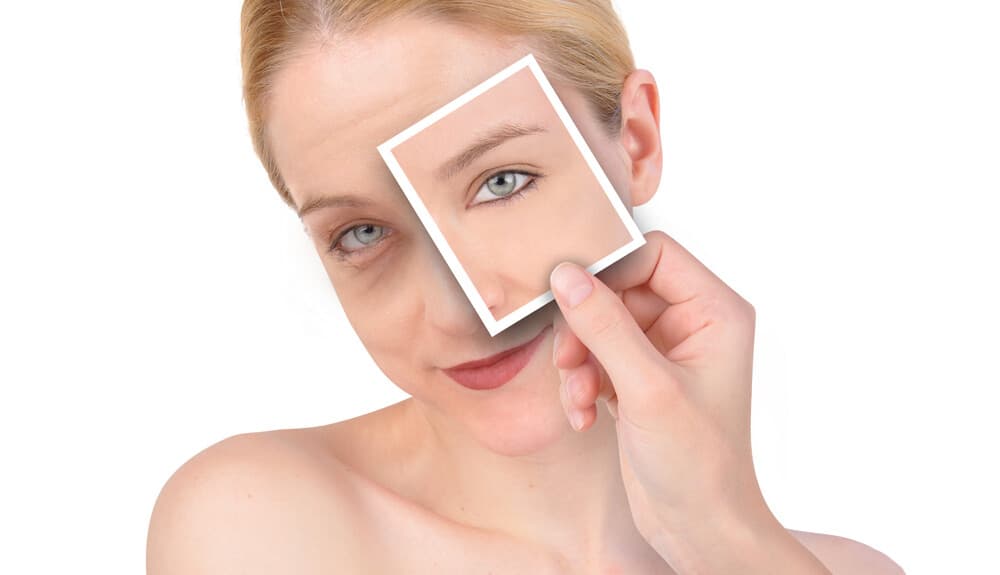
Dark circles often respond well to simple “treatments” such as:
Rest more: as mentioned above, lack of sleep can make you appear paler. On the thin, translucent skin around the eyes, shadows and circles appear more pronounced. Spend more time sleeping, resting and regenerating.
Elevate your head: use a higher pillow when sleeping. Eyelid puffiness occurs when fluid accumulates in the lower eyelids. Raising your head prevents this.
Cold treatment: when tired, the dilated vessels around the eyes can contribute to the appearance of dark circles. Try a cold compress! Gently press a cooled teaspoon or frozen peas wrapped in a soft cloth under the eyes. Within minutes it will constrict the vessels. Be careful that the icy surface does not touch your open eye! Close your eyes and cool only the area beneath them.