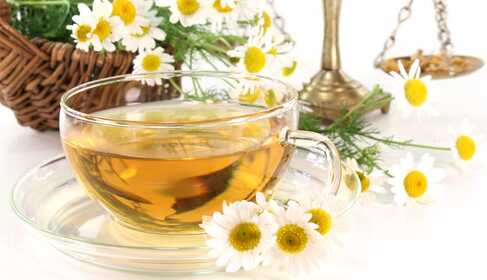

 Herbal tea: why doesn’t your doctor recommend it — and why doesn’t your doctor ban it either?
Your doctor doesn’t prescribe chamomile tea not because they don’t believe in plants — a significant proportion of modern medicines are substances extracted from plants, from digitalis and morphine to aspirin. The reason is that the amount of active substance taken in as tea is unpredictable, while modern medicine is built on predictability.
At the same time, herbal tea isn’t harmless coloured water either: some teas have measurable physiological effects — both positive and negative. Anyone who understands this duality can use tea wisely: yes for enjoyment and mild complaints, but never instead of medicine to treat a disease.
 Key point
The essence of a medicine isn’t the synthetic molecule, but the guarantee: every tablet contains the same amount of active substance, so its effect is “predictable” and can be dosed precisely. In herbal tea, the amount of active substance depends on dozens of factors, from where the plant was grown to the size of the cup — one cup from the same box may provide one-third as much as another. That is why tea is unsuitable for treating serious disease, but can be good for enjoyment and accompanying mild complaints — provided you understand that “natural” doesn’t mean harmless, and that some plants can “clash” with your medicines.
 How is medicine different from herbal tea? Three key questions
Click the tabs:
When a doctor prescribes a 5 milligram blood-pressure medicine, they know three things for certain: every tablet in the box contains exactly 5 milligrams; the active substance has been measured in human studies involving thousands of patients; and side effects must be collected and reported. This triple guarantee is enforced by the medicines authority, batch by batch. That is what dosing is based on: your blood pressure must be controlled not “roughly”, but measurably and reproducibly. If one tablet gave you 2 milligrams one day and 9 milligrams the next, medicine would fall back into the age of guesswork — and that is exactly the situation with tea.
The amount of active substance in a plant already varies at harvest: it depends on the species, growing location, weather, harvesting time, and how it is dried and stored. Then there is your kitchen: how much water you pour over it, how hot the water is, how long you steep it, and whether you cover it. You can prove this to yourself with two experiments — using the same box of tea. First: make two cups in the same way, but steep one for 2 minutes and the other for 15 minutes — the colour, taste and strength will be different. Second: make one with very hot water and the other with water at 60 degrees, for the same length of time — you will get two different drinks again. If the colour and taste vary this much, so does the active substance: the same “two cups a day” may contain twice as much one week as the next. That is why tea cannot be used to “set” your blood pressure, blood sugar or thyroid function — not because the plant is ineffective, but because the dose is unknown and differs every time.
This is the most common and most dangerous misconception. If a plant has an effect, then by definition it can also have side effects and interactions — the two are opposite sides of the same coin. St John’s wort speeds up the enzymes that break down medicines, thereby reducing the levels of other medicines; long-term use of liquorice raises blood pressure and causes potassium loss; and some plants may contain naturally occurring liver-damaging compounds (pyrrolizidine alkaloids). The label “natural” tells you one thing for certain: the product has not undergone the checks that a medicine must undergo. I will show you the details below, in the research section — with specific plants and figures.
What is there real evidence for — and what isn’t?
Herbal teas are not all the same: human studies exist for some plants, while most are supported only by tradition. Here is an overview:
| Tea / plant | What is it used for? | What does the research say? |
|---|---|---|
| Ginger | Nausea, queasiness | The “kitchen herb” with the most evidence: randomised studies suggest that it measurably reduces nausea in pregnancy and appears to do so safely4 |
| Peppermint | Digestive complaints, bloating | Enteric-coated peppermint-oil capsules have good evidence for IBS-related cramps6 — tea is their dilute, unpredictable relative; good for enjoyment, not treatment |
| Chamomile | Calming, stomach complaints, inflamed skin and mucous membranes | Small studies and a long tradition suggest a mild calming and antispasmodic effect5; modest but real help for mild complaints — cross-allergy is possible in people allergic to ragweed |
| Lime blossom, elderflower, rosehip | “Cold teas” | There is no evidence that they treat the illness — but warm fluid, fluid intake and soothing vapour for the throat relieve symptoms on their own; this is where they excel |
| Green tea | “Antioxidant”, stimulating | As a drink, regular consumption shows favourable associations in observational studies; high-dose green-tea extract capsules, however, may damage the liver — once again, the difference lies in the dose and the form |
| “Slimming”, “detox”, “kidney-cleansing”, “anti-cancer” teas | — | There is no meaningful evidence for any of them; many “slimming” teas are laxatives or diuretics (the scales deceive you, the fat remains), while “detoxification” is the work of your liver and kidneys, not your tea |
Notice the same pattern here: where a real effect has been measured (peppermint oil, ginger extract), the form studied was generally not tea but a standardised extract — because research also requires a known dose. Tea has its strengths elsewhere: in the ritual, the warmth, the fluid and the sense of calm. That is not insignificant — it just isn’t medicine.
 When should you be careful with herbal tea?
For a healthy adult, one or two cups a day of varied teas are practically risk-free. The following situations are exceptions — tea is not harmless here:
- Regular medicine use — especially with St John’s wort – St John’s wort speeds up medicine-breaking enzymes and reduces the levels of, among others, contraceptives, anticoagulants, some antidepressants, heart medicines and medicines used after organ transplantation; documented unwanted pregnancies and rejection reactions have been linked to it. Tell your doctor and pharmacist about every herbal product you use regularly.
- High blood pressure, heart disease + liquorice – liquorice (an ingredient in many “cough remedies” and flavoured tea blends) causes raised blood pressure and potassium loss when consumed long term, and in severe cases can cause arrhythmia. If you have blood-pressure problems, avoid products containing liquorice.
- Pregnancy and breastfeeding – several popular herbs (for example St John’s wort, larger amounts of sage, liquorice, senna and herbs that stimulate uterine contractions) should be avoided during pregnancy; show the ingredients of “pregnancy teas” to your midwife or doctor. Ginger is the well-studied exception for nausea, when used in moderation.
- Liver and kidney disease – alkaloids that burden the liver, high-dose extracts and diuretic teas are not suitable without medical advice when liver or kidney function is impaired; the same applies to kidney stones in the case of teas high in oxalates.
- Long-term use of laxative teas – prolonged use of senna-leaf-based “bowel cleansers” and slimming teas makes the bowel’s own movement less responsive, causes potassium loss and creates a vicious circle: you need more and more for the same effect. They are suitable only for occasional, short-term use.
- Before surgery – tell the anaesthetist about the herbs you use regularly as well: several plants (St John’s wort, ginkgo, garlic extract) can interact with bleeding or anaesthetic medicines; they generally need to be stopped 1-2 weeks before surgery.
- Infants and young children – infants should have herbal tea (including the traditional “chamomile tea” practice) only on a paediatrician’s advice: their fluid and salt balance is sensitive, tea sweetened with honey is prohibited under one year of age, and the appropriate dose of several plants is unknown.
 The sensible compromise: pharmacy quality
If you want to use a herb for a complaint, there is a third option between tea and a miracle capsule: a pharmacopoeial-quality herbal drug or registered “traditional herbal medicinal product” available from a pharmacy. Their active-substance content is checked, contaminants are tested for, and the pack gives a real dosage — in other words, they provide exactly the guarantee missing from a supermarket tea bag. The pharmacist can also check interactions with your medicines — free of charge. This is where the herbal approach and medical thinking meet.
 What does the research say? Based on readers’ questions
“Is there any herbal tea with a proven effect at all?”
Yes — ginger is the clearest example. According to pooled data from twelve randomised studies involving 1278 pregnant participants, ginger measurably reduced pregnancy-related nausea compared with placebo and did not increase the risk of miscarriage or side effects; doses below 1500 mg a day appeared to be the most favourable.4 The picture is less clear for chamomile: a long tradition and favourable small studies suggest mild calming, antispasmodic and anti-inflammatory effects — but there is no large, conclusive study.5 And here is the twist: these studies generally used a standardised extract or capsule at a known dose — because you can only study something whose dose is known. The same applies to peppermint: the enteric-coated oil capsule has evidence for IBS, not the tea.6
“What’s the problem with St John’s wort? It’s just a tea for emotional balance…”
St John’s wort is instructive precisely because it really does have an effect — its extract worked in studies of mild to moderate depression. But an effective plant can also interact: its constituent hyperforin speeds up liver enzymes that break down medicines and the proteins that pump medicines out of cells, thereby dragging down the blood levels of other medicines. Documented cases include rejection reactions in transplant recipients (due to a sharp fall in ciclosporin levels), unwanted pregnancies in women taking contraceptives, and loss of effect of HIV and cancer medicines; combined with sedatives, it may cause excess serotonin.1 This is the classic example: the most thoroughly studied member of the “just a tea” category is also the most dangerous interaction culprit. For someone taking medicines, St John’s wort is not a home remedy for calming down.
“Can liquorice really raise blood pressure?”
Yes, and this is not rare but a well-described clinical condition. The glycyrrhizin in liquorice blocks an enzyme in the kidneys that normally keeps cortisol away from the receptor regulating mineral balance — the result is pseudo-aldosterone excess: high blood pressure, fluid retention and potassium loss, with muscle weakness and cardiac arrhythmia in severe cases. The literature contains numerous cases, including fatal ones, typically after prolonged consumption of large amounts — as liquorice sweets, tea or “cough remedies”.2 The lesson is twofold: the plant’s potency is real, and that is precisely why liquorice is not an innocent treat for people with high blood pressure, heart disease or taking diuretics.
“And is what’s in the box at least clean?”
Not necessarily — and this is a particular risk with teas. Pyrrolizidine alkaloids (PAs) are naturally occurring compounds found in thousands of plant species that can damage the liver and cause cancer; they usually enter teas not through the named plant, but through weeds mixed in with it (for example plants from the ragwort family). Following measurement programmes by European food-safety authorities, herbal and rooibos teas have emerged as major sources of PA exposure, and the EU has imposed limits on them since 2020; the expert recommendation for consumers is to vary the teas you drink, rather than consuming the same plant from the same manufacturer every day.3 This contamination is tested for as required in pharmacopoeial-quality pharmacy herbal drugs — but no one checks the unknown-origin “organic miracle tea” bought at a market. “Natural” and “controlled” are therefore not the same — and of the two, controlled products are what protect you.
Frequently asked questions
No — most doctors are pleased if their patients drink warm fluids, rest and take care of themselves. What a doctor cannot do is base treatment on a substance with an unpredictable dose, or remain silent if the tea conflicts with your medicines. So the right question in the consulting room is not “Can I drink tea?”, but this: “I drink this tea regularly — is it compatible with my medicines?” Hopefully, you will get a precise answer. If not, ask your pharmacist.
Three rules. First: use it for a mild, temporary complaint (queasiness, a scratchy throat, a tense evening), and always prepare it in the same way — the same amount, water temperature and steeping time — because that at least keeps your own dose consistent. Second: if the complaint lasts longer than one or two weeks, gets worse or you are taking medicines alongside it, discuss the tea with a doctor or pharmacist. Third: for a complaint, choose a pharmacy product of pharmacopoeial quality, not a loose tea from a market — its dose and purity are checked.
For pleasure drinking (1-3 cups a day, using different plants), there is no known risk for a healthy adult. Problems begin in three ways: if you drink the same plant by the litre for months (this is where accumulation and contamination come in); if you switch from tea to a concentrated extract (that can involve medicine-like doses without proper checks); and if tea replaces medicine. Variety in tea drinking is not just a gastronomic principle, but also a safety rule.
Almost — but there is one characteristic exception: chamomile is related to ragweed and wormwood, so it can cause cross-allergy in people allergic to ragweed, ranging from skin symptoms to, rarely, a severe reaction. For someone living with allergic rhinitis or ragweed sensitivity, “harmless chamomile” can be an unexpected culprit — think of it even with eye and skin complaints. In addition, larger amounts of chamomile may affect the action of anticoagulants. For most people, however, an evening cup of chamomile tea is exactly what it appears to be: gentle, pleasant relaxation.
“Detoxification” is the full-time job of your liver and kidneys — with healthy organs, there is nothing to “clean out”, while diseased organs need a doctor, not tea. Most “slimming” teas are laxatives or diuretics: the scales show less the next day because water and bowel contents have left — the fat tissue remains, while the potassium may not. Long-term laxative use is specifically harmful. If weight loss is your goal, the effective route is more boring: Weight loss – the simple recipe for success →
 Summary – Quick overview
Sources
- Borrelli F, Izzo AA. Herb-drug interactions with St John's wort (Hypericum perforatum): an update on clinical observations. AAPS J. 2009;11(4):710-727. DOI: 10.1208/s12248-009-9146-8
- Caré W, Grenet G, Schmitt C, et al. Adverse effects of licorice consumed as food: An update. Rev Med Interne. 2023;44(9):487-494. DOI: 10.1016/j.revmed.2023.03.004
- Schrenk D, Fahrer J, Allemang A, et al. Novel Insights into Pyrrolizidine Alkaloid Toxicity and Implications for Risk Assessment: Occurrence, Genotoxicity, Toxicokinetics, Risk Assessment – A Workshop Report. Planta Med. 2022;88(2):98-117. DOI: 10.1055/a-1646-3618
- Viljoen E, Visser J, Koen N, Musekiwa A. A systematic review and meta-analysis of the effect and safety of ginger in the treatment of pregnancy-associated nausea and vomiting. Nutr J. 2014;13:20. DOI: 10.1186/1475-2891-13-20
- Srivastava JK, Shankar E, Gupta S. Chamomile: A herbal medicine of the past with bright future. Mol Med Rep. 2010;3(6):895-901. DOI: 10.3892/mmr.2010.377
- Alammar N, Wang L, Saberi B, et al. The impact of peppermint oil on the irritable bowel syndrome: a meta-analysis of the pooled clinical data. BMC Complement Altern Med. 2019;19(1):21. DOI: 10.1186/s12906-018-2409-0
- European Medicines Agency. Herbal medicinal products – European Union herbal monographs. ema.europa.eu