
 Herniated disc – devices to support pain relief and rehabilitation
A herniated disc (slipped disc) is a bulge in an intervertebral disc that may press on the nerves leaving the spine and cause severe pain and numbness. It affects many people, but surgery is not necessary for everyone: if the bulge is still contained by the fibrous ring, conservative treatment may help avoid an operation. Alongside physiotherapy and medical treatment, physical therapy devices may also provide support – by easing pain, reducing inflammation and strengthening the muscles that support the spine.
 What can devices do, and what can’t they do?
It is important to be honest: home devices do not eliminate the herniated disc itself – they do not “pull back” the bulging disc. What they can do is reduce inflammation and swelling around the nerve root (the main source of pain), ease pain and strengthen the muscles supporting the spine, which is essential for helping prevent recurrence. The effect therefore comes from three directions – let’s look at what each device is used for.
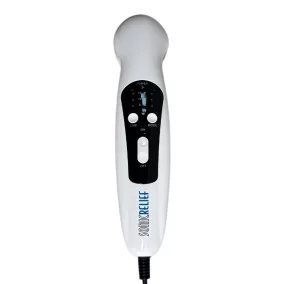


The SonicRelief device emits a 1 MHz therapeutic ultrasound beam used to treat musculoskeletal (tendon, ligament, muscle) inflammations, injuries and degenerative conditions.
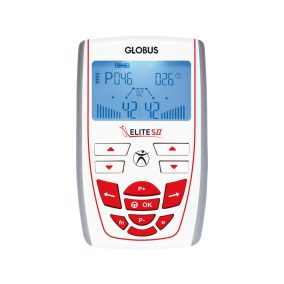


Elite SII electrotherapy device. TENS / EMS / FES. 2 channels, battery powered.
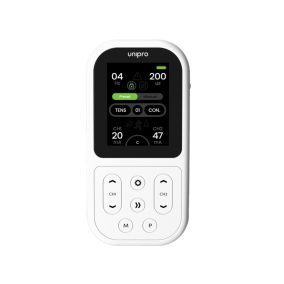
The UniPro is a two-channel, multifunctional electrotherapy device providing TENS, EMS, microcurrent and interferential (IF) treatments.
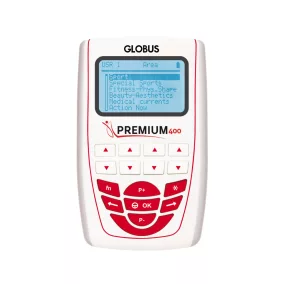


Premium 400 multifunctional electrotherapy device. TENS / EMS / MCR-MENS / FES / iontophoresis. Specialized programs: running, cross-country skiing, combat sports, tennis, football, cycling. 4 channels, battery operated.
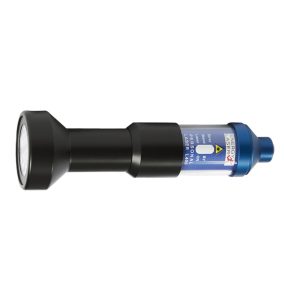


Personal-Laser L400 infrared soft-laser for point treatments. 400 mW continuous output, 808 nm laser beam. Delivers 4 Joules of energy in 10 seconds. Laser diode lifetime 10,000+ hours.
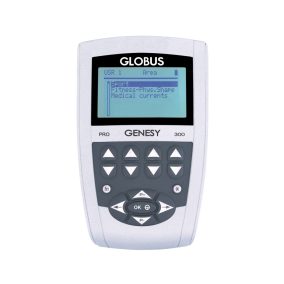


Genesy 300 Pro multifunctional electrotherapy device. TENS / EMS / MCR-MENS / FES / iontophoresis. 4 channels, battery-powered.
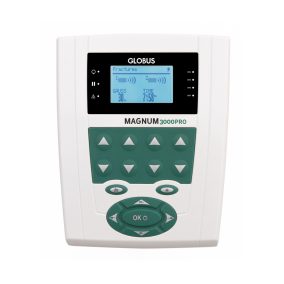


Magnetic therapy (PEMF) device. 2 channels / 400 Gauss total magnetic intensity. 70 programs
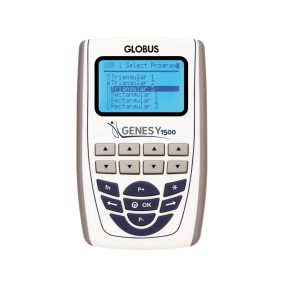


The Globus Genesy 1500 — one device for hundreds of complaints.
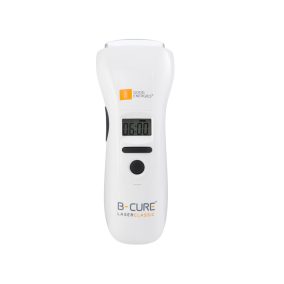


Easy-to-use 808 nm, 250 mW low-level laser device. Treats a 4.5 × 1 cm area at once. About 6 minutes per treatment point. Prism technology — safe to use without protective goggles when used as intended.
 Three directions – and which device for each?
Home, complementary treatment for a herniated disc supports recovery in three ways: reducing inflammation, easing pain and strengthening the muscles that support the spine. Combining these approaches may provide the most beneficial result. Let’s look at what each method is used for and which device belongs to it.
With a herniated disc, the main source of pain is inflammation and swelling (oedema) around the compressed nerve root. Applied over the most painful area, soft laser and therapeutic ultrasound may reduce this swelling and, as a result, the pain as well. Soft laser treatment is a well-researched method for supporting back pain and herniated disc treatment at home. An 808 nm soft laser or therapeutic ultrasound device, such as SonicRelief, is suitable for this purpose. Important: these devices reduce inflammation, but do not eliminate the herniated disc itself.
Weak muscles supporting the spine are often a factor behind a herniated disc: when the muscles do not maintain the proper distance between the vertebrae, the load shifts to the disc. Muscle stimulation (EMS) eases tight muscle tension and strengthens the muscles supporting the spine – this strengthening effect is essential for helping prevent recurrence. A 4-channel muscle stimulator is most suitable for treating the entire back (30–40 minutes a day); devices with sports programmes (Premium 400, Genesy series) offer ready-made back muscle strengthening programmes. Important: muscle strengthening complements physiotherapy; it does not replace it.
TENS provides fast, drug-free pain relief – it can be useful before exercise, for example, to make movement more manageable. Important to know: TENS does not have an anti-inflammatory effect; it only relieves pain, and on its own it is not enough to produce lasting improvement. Microcurrent (MENS) provides stronger pain relief than TENS and may also help reduce swelling. Multifunctional devices (Genesy, Premium 400, UniPro) offer both methods in one device.
 The combination is most useful – but exercise is the foundation
Together, the three methods provide a comprehensive approach: soft laser reduces inflammation, the muscle stimulator strengthens the muscles supporting the spine, and TENS eases pain. However, it is important to remember that in the long term, regular spinal exercises are the priority – device-based treatment and muscle stimulation are most useful in the first weeks of recovery and as a complement to exercise. If you stop both stimulation and exercise, muscle strength will decline within a few weeks and symptoms may recur. You can find the detailed, week-by-week programme in our blog articles.
 Important information
Diagnosis and treatment of a herniated disc are medical matters – the devices presented here complement conservative treatment and physiotherapy, but do not replace medical care and do not eliminate the herniated disc. If the fibrous ring ruptures, or if symptoms are severe, surgery may become necessary, as decided by a specialist. Urgent medical care is needed if severe, progressively worsening weakness, paralysis or problems with urination or bowel movements occur – these may indicate serious, potentially permanent nerve damage. Electrotherapy, ultrasound and soft laser devices also have contraindications, including a pacemaker, pregnancy, a tumour in the treatment area and fever. Start treatment cautiously and consult your doctor or physiotherapist before introducing it.
 Detailed guides and programmes
Dr. Zsolt Zátrok explains home treatment for a herniated disc in detailed articles. A comprehensive overview – what you can do about a herniated disc: Herniated disc – what can you do about it? →. A specific, week-by-week programme for strengthening the muscles supporting the spine: Muscle stimulation and physiotherapy in herniated disc rehabilitation →. About soft laser treatment – where to direct the light and with what energy: Soft laser for herniated disc and lower back pain →
Frequently asked questions
No – it is important to be clear about this. Home devices do not eliminate the herniated disc itself and do not “pull back” the bulging disc material. What they can do is reduce inflammation and swelling around the nerve root (the main source of pain), ease pain and strengthen the muscles supporting the spine to help prevent recurrence. If necessary, the anatomical correction of the herniated disc is a surgical matter.
It depends on your main symptom. If severe pain is the main problem, start with pain relief (TENS/microcurrent) and reducing inflammation (soft laser, ultrasound). Once the pain eases, focus on strengthening the muscles supporting the spine (EMS), as this helps prevent recurrence. Four-channel devices with sports programmes (Premium 400, Genesy) combine all these functions. It is worth agreeing the exact order with your physiotherapist.
Because a herniated disc is often caused by weak muscles supporting the spine: when the muscles do not adequately support the vertebrae, the load shifts to the disc. Strengthening the muscles reduces the load on the disc, which is key to helping prevent recurrence. During the painful acute phase, proceed carefully. Once inflammation and pain have eased, gradually introduce muscle strengthening according to your physiotherapist’s guidance.
Exercise is the foundation. Muscle stimulation is a great help during the first weeks of recovery and as a complement to exercise, but regular spinal exercises are the priority in the long term. If you do neither exercise nor stimulation, muscle strength will fall back to its starting level within a few weeks. Stimulation can therefore start and support the process, but lasting improvement comes from regular movement.
If severe, progressively worsening weakness in a limb or paralysis occurs, or if problems with urination or bowel movements develop. These may indicate serious, potentially permanent nerve damage and require urgent medical care – in this situation, you need an urgent specialist examination, not a home device. Any severe or persistently worsening spinal symptoms should also be assessed by a doctor.

