
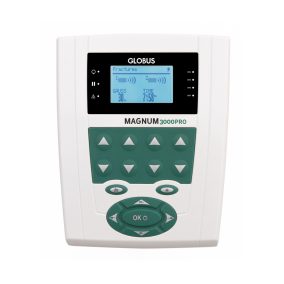


Magnetic therapy (PEMF) device. 2 channels / 400 Gauss total magnetic intensity. 70 programs
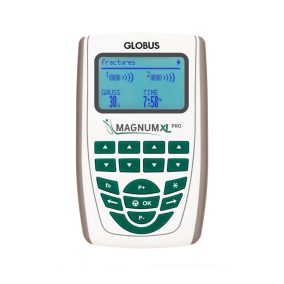


Pulsed electromagnetic field (PEMF) device. 2 channels / 400 Gauss total magnetic intensity. 46 programs. For home use.
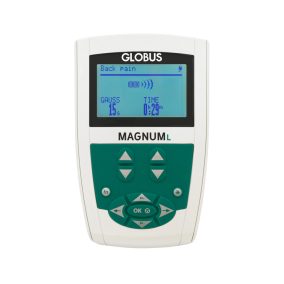


Magnetic therapy (PEMF) device. 1 channel / 120 Gauss total magnetic intensity. 8 programs. For home use.


Magnetic therapy device (PEMF). 2 channels / 320 Gauss total magnetic intensity. 52 programs
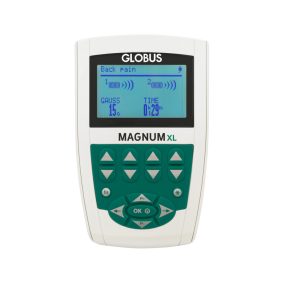


Magnetotherapy (PEMF) device. 2 channels / 280 Gauss total magnetic intensity. 26 programs. For home use.
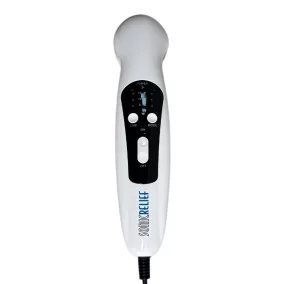


The SonicRelief device emits a 1 MHz therapeutic ultrasound beam used to treat musculoskeletal (tendon, ligament, muscle) inflammations, injuries and degenerative conditions.
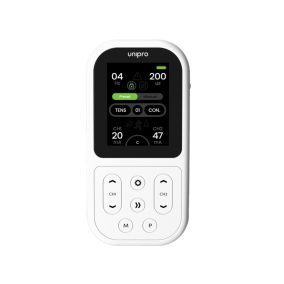
The UniPro is a two-channel, multifunctional electrotherapy device providing TENS, EMS, microcurrent and interferential (IF) treatments.
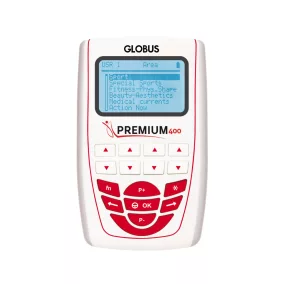


Premium 400 multifunctional electrotherapy device. TENS / EMS / MCR-MENS / FES / iontophoresis. Specialized programs: running, cross-country skiing, combat sports, tennis, football, cycling. 4 channels, battery operated.
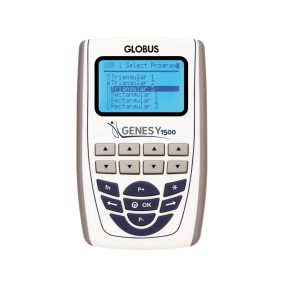


The Globus Genesy 1500 — one device for hundreds of complaints.
Window cleaning, phone tapping, prolonged computer use, floor scrubbing. They all have one thing in common: any of these can lead to a painful condition, tenosynovitis.
Some muscles continue as tendons that attach the muscle to the bone surface. They bridge joints and thus play an important role in movement. The tendons run through tunnel-like sheaths called synovial sheaths, whose fluid eases and enables frictionless tendon movement.
Tenosynovitis is the inflammation of these “sheaths” for various reasons, most often due to physical overuse. The consequence is pain upon movement.
Types of Tenosynovitis
Tenosynovitis can be fibrinous or purulent.
- Fibrinous tenosynovitis typically affects those performing unilateral work (typists, cashiers, pianists, etc.); it is triggered by prolonged, repetitive movements that inflame and swell the synovial sheath, altering the composition of the lubricating fluid. This issue is most common in the finger extensor tendons (on the back of the hand); it is characterized by sharp pain during finger movement, incapacitation of the hand, pressure tenderness, warmth, and swelling in the affected area. When the fingers move, a creaking sensation can be felt over the sheath.
- Purulent tenosynovitis develops as a result of infection, e.g., from a splinter, thorn, or needle puncture. Symptoms appear rapidly, with severe spontaneous pain and tenderness, and the swelling may spread to adjacent fingers and the back of the hand; purulent tenosynovitis can even be accompanied by high fever and chills. It is crucial to distinguish this from fibrinous inflammation, since only prompt medical treatment can ensure full recovery and preservation of finger function!
Treatment Options for Tenosynovitis
If you suspect tenosynovitis, consult your doctor. If the condition is not caused by a purulent infection, you can perform home treatments.
Several methods are available for home treatment of tenosynovitis.
- Rest and immobilize your wrist; cool and support it. (e.g., Thermedic Wrist Device)
- Apply topical anti-inflammatory creams.
- Oral anti-inflammatory medications are available, but they have limited effect, as only a small amount reaches the sheath after passing through the stomach, digestive organs, and liver. High doses also increase the risk of unpleasant side effects.
- Physiotherapy devices for symptom relief:
- TENS and microcurrent nerve stimulation offer drug-free, side effect–free pain relief for inflammation.
- High-frequency pulsed electromagnetic field therapy supports the treatment of soft tissue conditions (muscle, joint, tendon, ligaments). Magnetic therapy is part of medical physiotherapy and aids recovery in musculoskeletal disorders.
- Ultrasound therapy uses mechanical vibrations absorbed by tissues to accelerate blood circulation in the treated area, promoting healing. After 10–15 sessions, a break of several months is recommended.
- Low-level laser therapy rapidly reduces pain, decreases inflammation, and accelerates healing.

