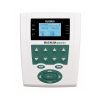
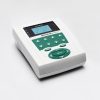
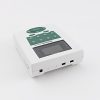
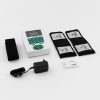

In which professional situations is it a good choice?
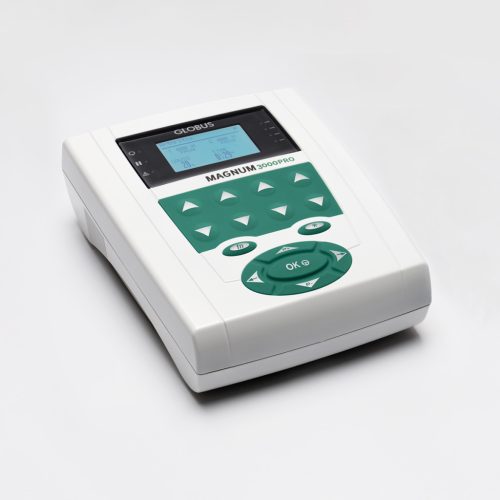
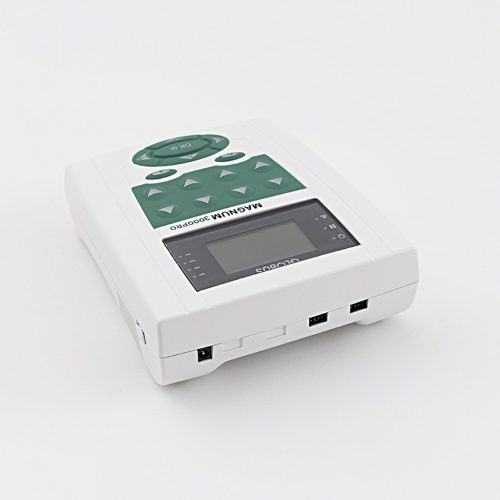
The manufacturer's manual defines it for musculoskeletal outpatient clinics, physiotherapy, rehabilitation and pain management. Use is permitted for physicians and physiotherapists.
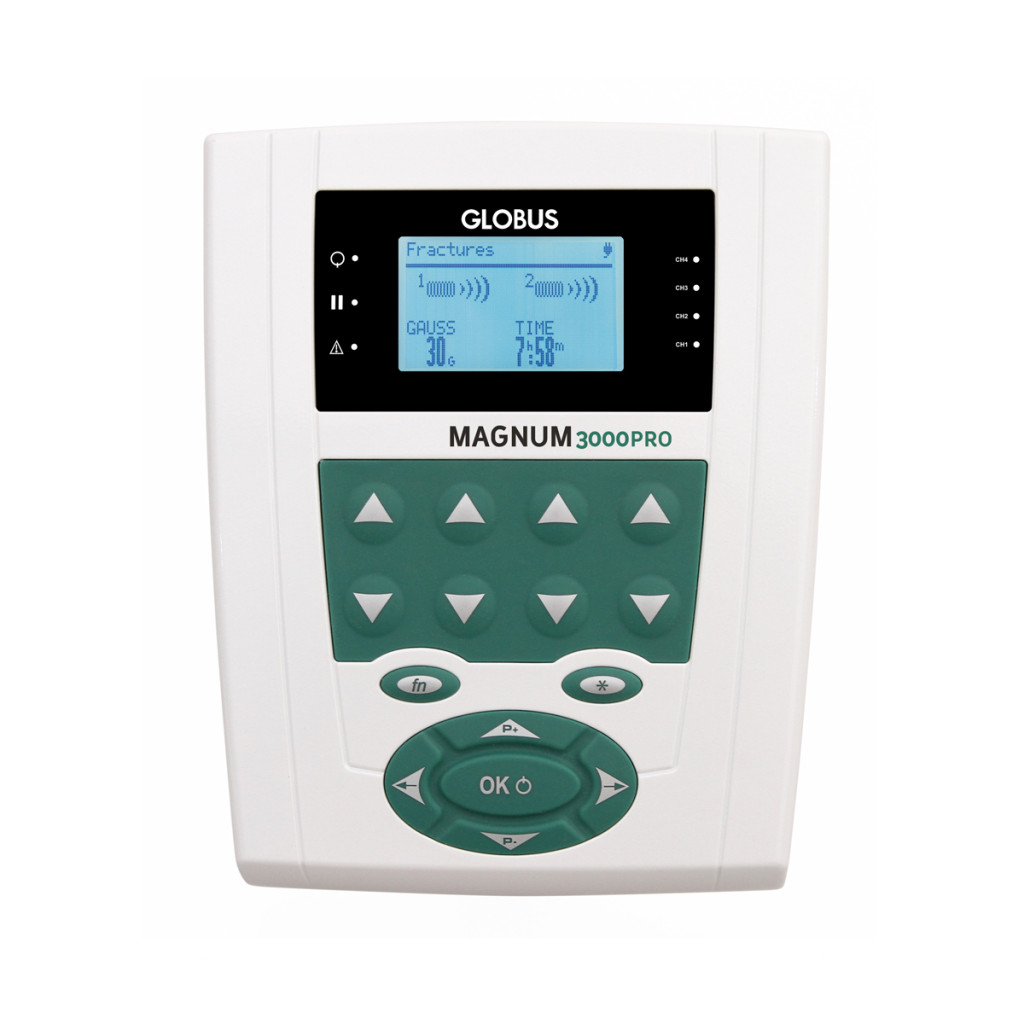
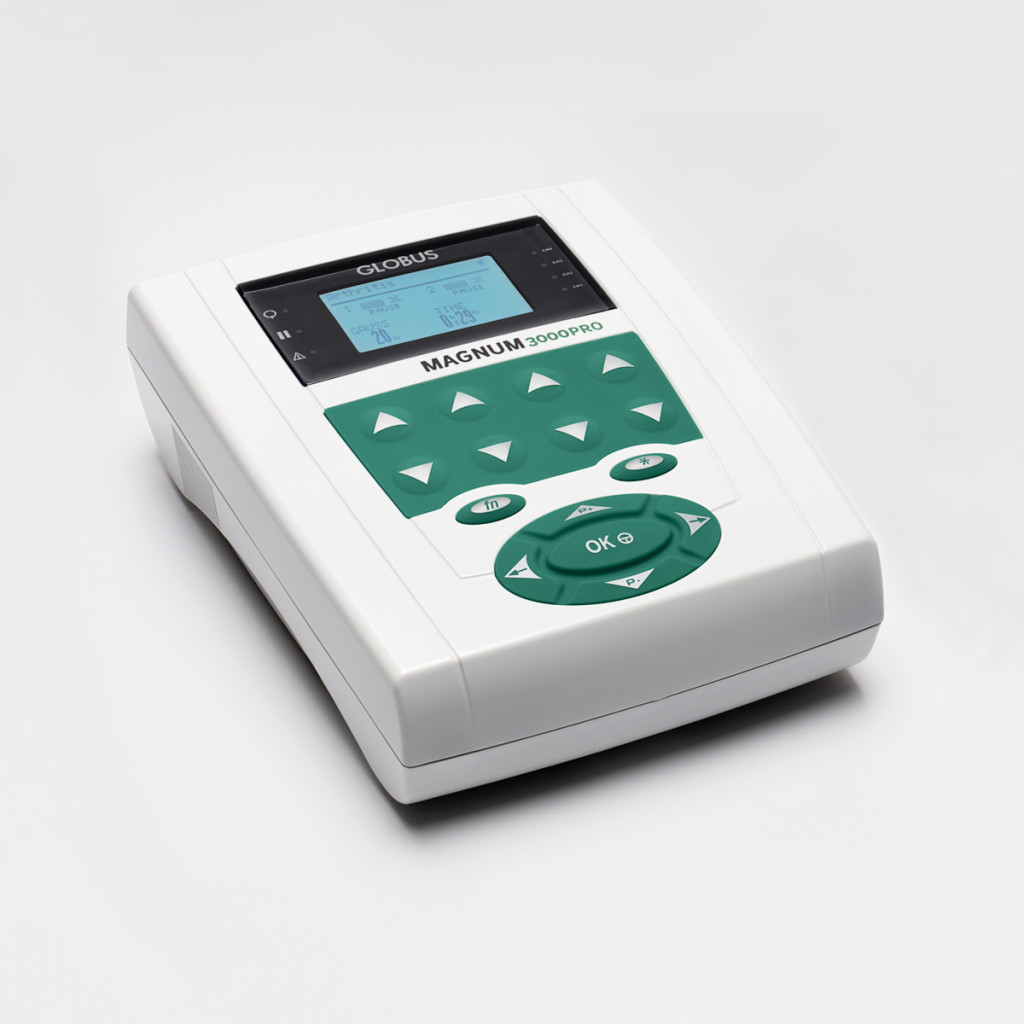
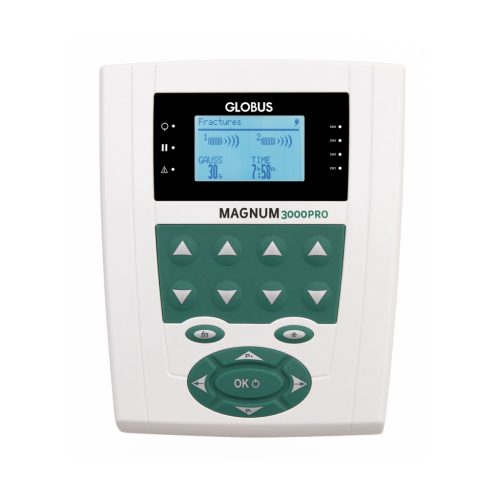
In 1+1 mode two separate programs can run simultaneously. This saves capacity but does not mean double therapeutic effect: each channel serves a separate treatment area.
The 41 medical programs include protocols for fractures, delayed union, pseudoarthrosis, bone oedema, osteoporosis, prosthesis follow-up, osteotomy and spinal fusion.
The 9 hour 59 minute timer is suitable for long protocols. For spine, hip or large surface treatments a Mat 100 or Total Body system may be indicated.
In the Programming menu you can set Gauss, frequency, time and duty cycle. The manufacturer warns against end-user modification of factory protocols without professional supervision.
In Rental mode the clinician can save the authorised program and the allowed number of sessions. The patient can only access the locked protocol.
Is the Magnum 3000 Pro right for you?
May be a good choice if you are a physician, physiotherapist or rehabilitation provider seeking a professional two-channel PEMF system.
Especially useful if you want to hand over clinic treatments as a controlled, pre-programmed course using the Rental function.
Valuable feature: programmability when you create documented clinical protocols.
Not for you if you need a simple, layperson home self-treatment device. The current manufacturer's manual directs professional use.
For four outputs consider the Magnum 3500 Pro instead.
What can the two factory magnetic applicators be used for?
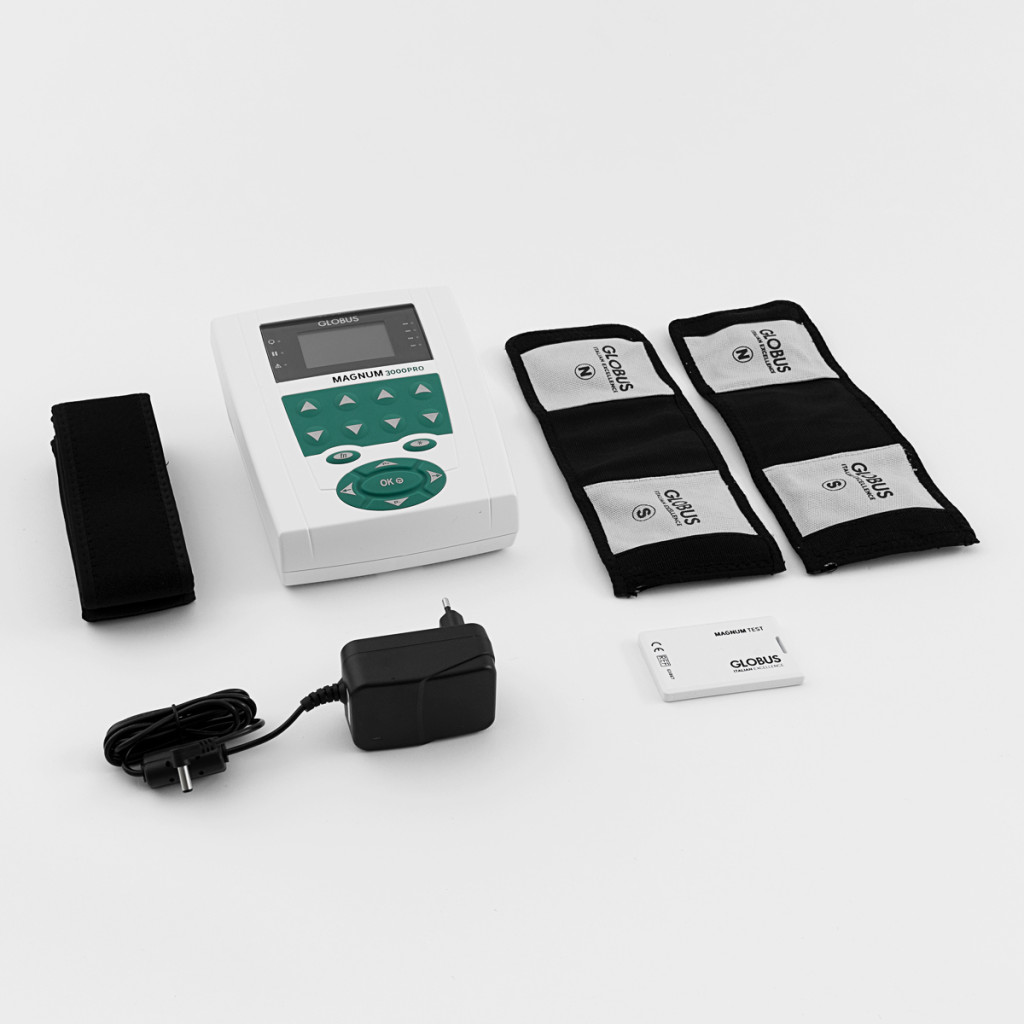
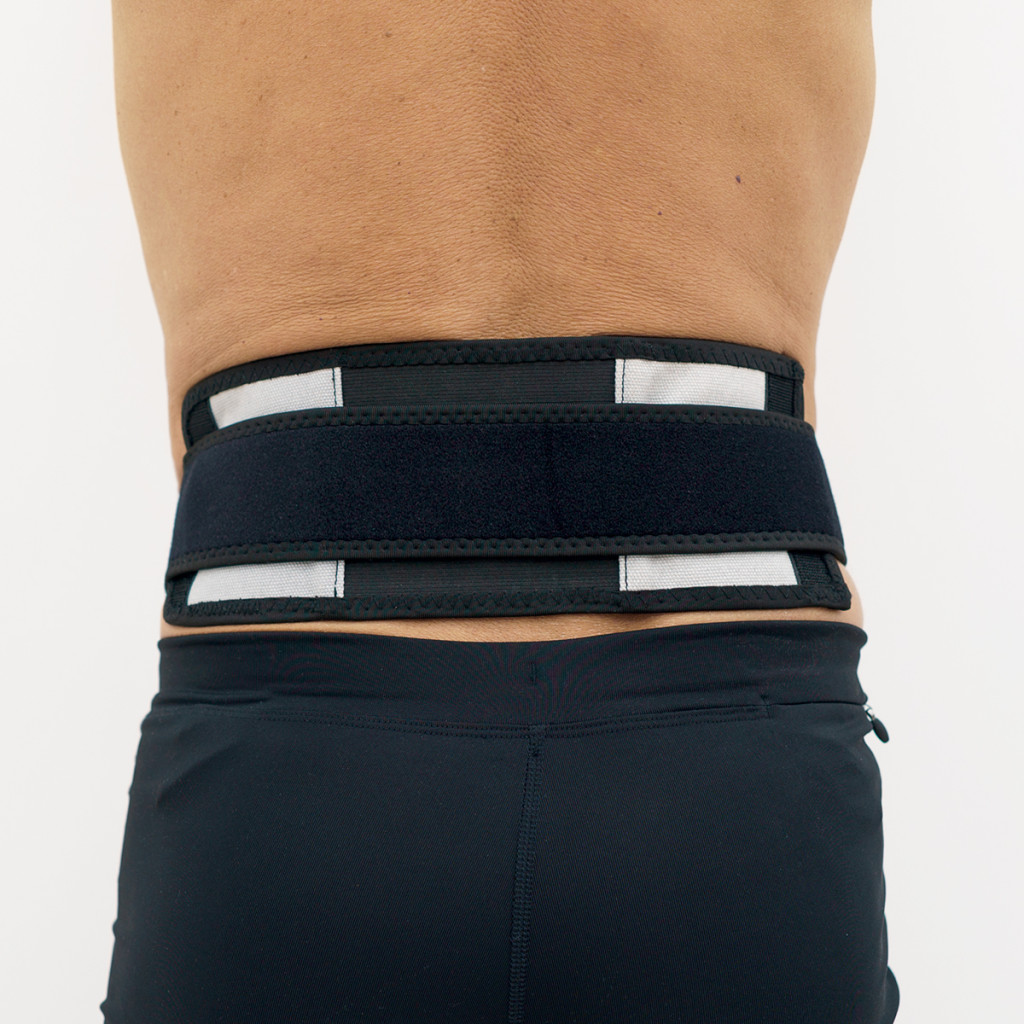
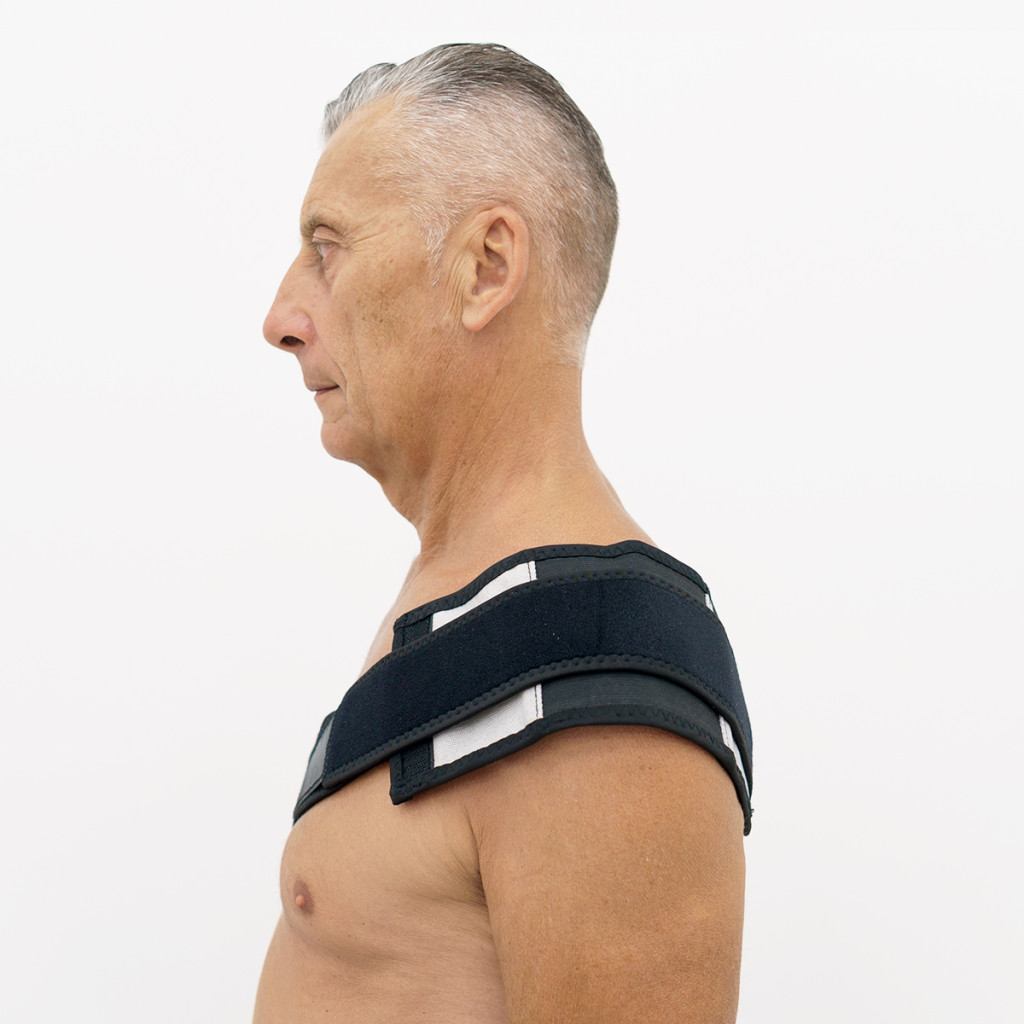
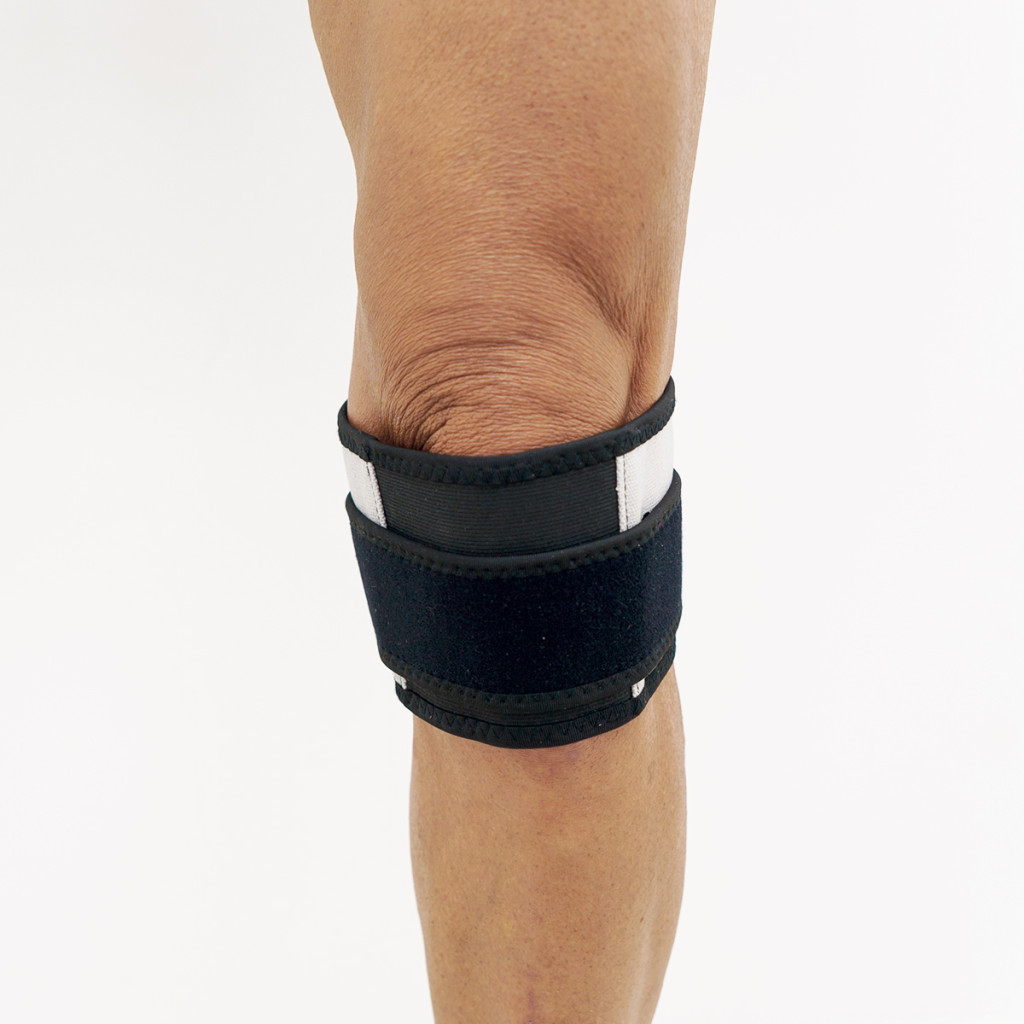
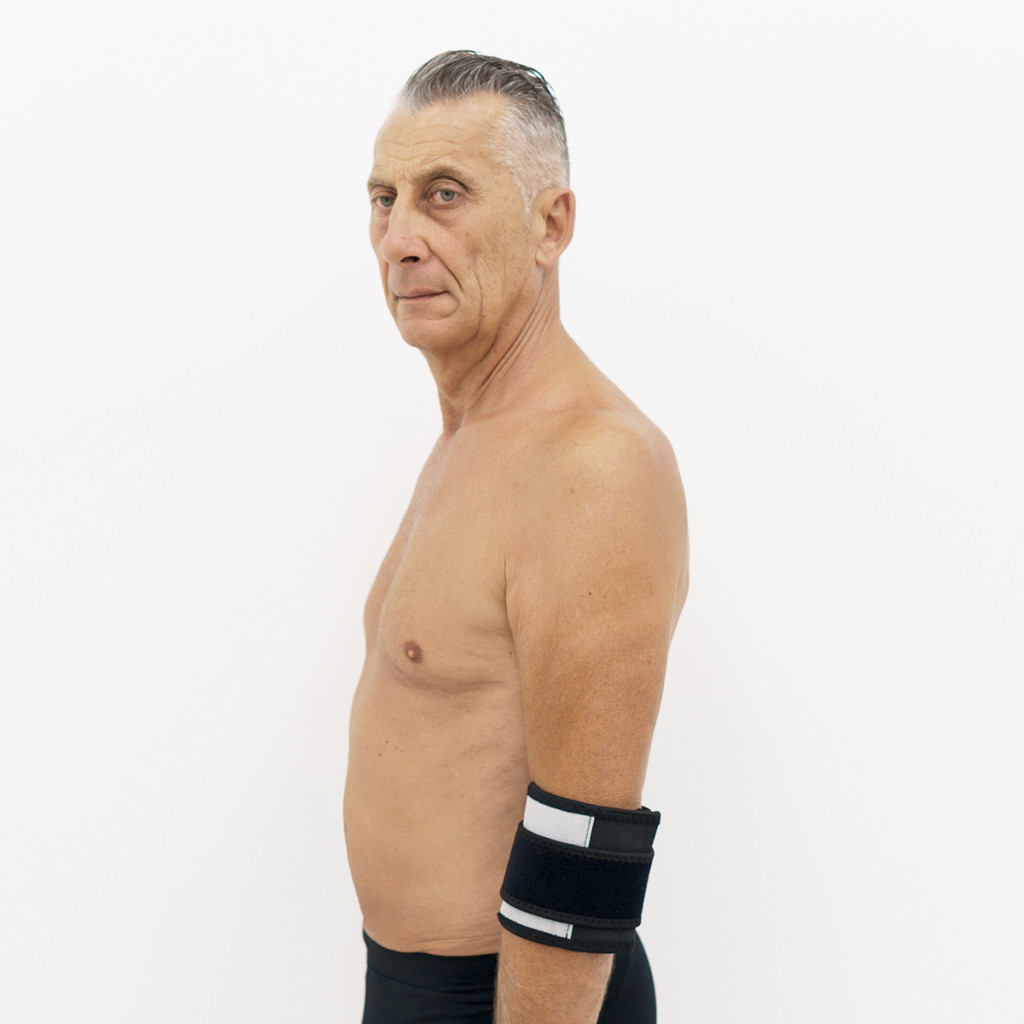
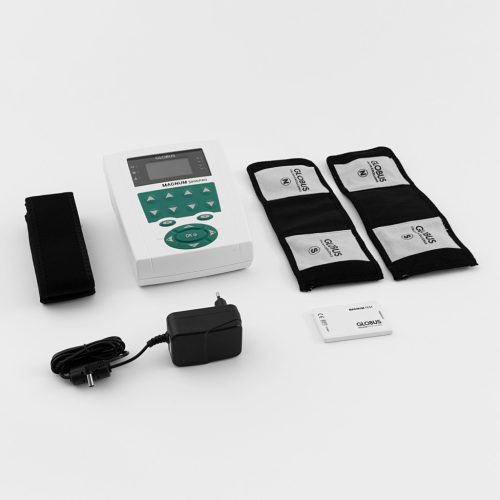
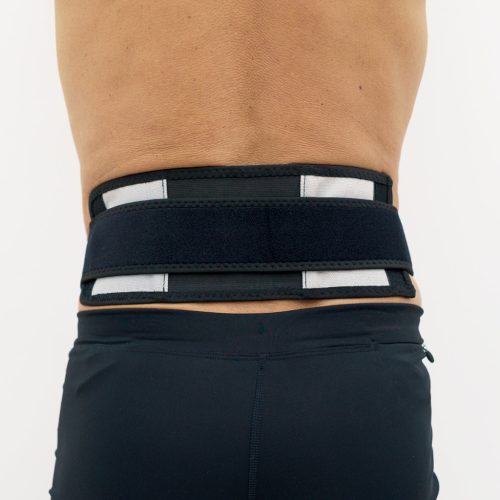
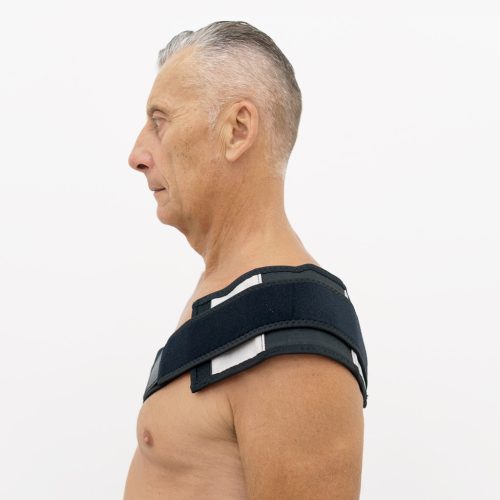
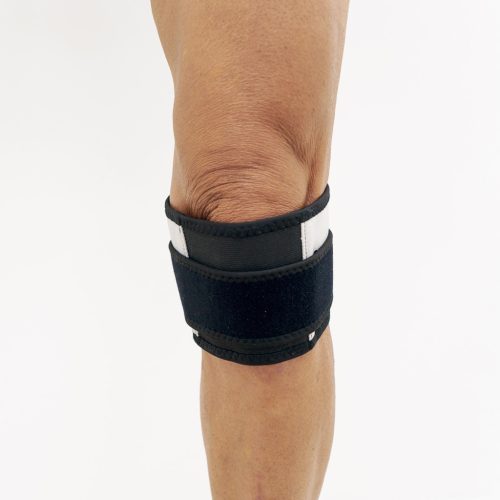
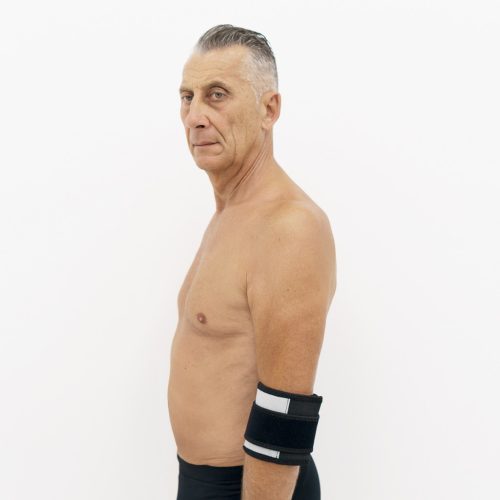
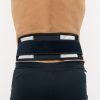
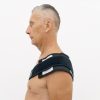
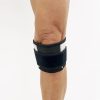
Each applicator contains two coils, bendable around a joint or placeable along a long bone.
Optional applicators practical for larger surfaces and long supine treatments. Not included in the base package.
Connects two identical applicators to one channel. The set power is split between them; it does not increase device capacity.
The Magnum 3000 Pro's 70 factory programs
The program list contains 41 medical, 26 open-frequency and 3 night programs. Easy Program is a quick-start function, not counted as the 71st program.
| Factory program | Factory field intensity | Factory treatment time |
|---|---|---|
| Knee arthrosis Knee osteoarthritis |
25 G | 30 minutes, 3–4×/week |
| Cervical arthrosis Cervical spine osteoarthritis |
25 G | 30 minutes, 3–4×/week |
| Arthritis Joint inflammation |
20 G | 30 minutes, 3–4×/week |
| Arthrosis General joint wear |
20 G | 30 minutes, 3–4×/week |
| Hand arthrosis Small joint osteoarthritis of the hand |
40 G | 30 minutes, 3–4×/week |
| Hip arthrosis Hip osteoarthritis |
20 G | 30 minutes, 3–4×/week |
| Shoulder arthrosis Shoulder joint osteoarthritis |
20 G | 30 minutes, 3–4×/week |
| Column arthrosis Spinal facet osteoarthritis |
20 G | 30 minutes, 3–4×/week |
| Factory program | Factory field intensity | Factory treatment time |
|---|---|---|
| Algodystrophy – Sudeck disease Algodystrophy / Sudeck syndrome |
50 G | daily 4–6 hours |
| Back pain Back and lumbar pain |
15 G | daily 20–45 minutes |
| Joint pain Joint pain |
100 G | daily 15–40 minutes |
| Factory program | Factory field intensity | Factory treatment time |
|---|---|---|
| Anti-inflammatory General anti-inflammatory program |
15 G | daily 6 hours |
| Tendinitis Tendon complaint / tendinitis |
15 G | 1 hour, twice daily |
| Epicondylitis Tennis elbow |
60 G | 30 minutes, 5×/week |
| Epitrochleitis Golfer's elbow |
60 G | 30 minutes, 5×/week |
| Carpal tunnel Carpal tunnel syndrome |
3–10 G | 30 minutes, twice daily |
| Shoulder tendinitis Shoulder tendon complaint |
15 G | 30 minutes, 3–4×/week |
| Factory program | Factory field intensity | Factory treatment time |
|---|---|---|
| After ACL surgery Post anterior cruciate ligament surgery |
15 G | daily 4 hours |
| Cartilage lesion Cartilage injury |
15 G | daily 6 hours |
| Knee prosthesis After knee prosthesis |
15 G | daily 4 hours |
| Hip prosthesis After hip prosthesis |
50 G | at least daily 3 hours |
| Spinal fusion After spinal fusion |
12 G | daily 8 hours |
| Osteotomy After osteotomy |
18 G | daily 8 hours |
| Factory program | Factory field intensity | Factory treatment time |
|---|---|---|
| Fractures General fracture program |
30 G | daily 8 hours |
| Scaphoid fracture Scaphoid fracture |
30 G | daily 8–10 hours |
| Wrist fracture Wrist fracture |
30 G | daily 8 hours |
| Shoulder fracture Shoulder girdle fracture |
30 G | daily 8 hours |
| Collarbone fracture Clavicle fracture |
30 G | daily 8 hours |
| Forearm fracture Forearm fracture |
30 G | daily 8 hours |
| Pelvic fracture Pelvic fracture |
30 G | daily 8 hours |
| Tibial fracture Tibial fracture |
30 G | daily 8 hours |
| Femoral fracture Femoral fracture |
30 G | daily 8 hours |
| Delayed fracture consolidation Delayed bone healing |
20 G | daily 3–8 hours |
| Fracture with plaster Fracture in plaster |
60 G | daily 30 minutes |
| Osteonecrosis Osteonecrosis |
15 G | daily 8 hours |
| Osteoporosis Osteoporosis |
50 G | daily 8–10 hours |
| Pseudoarthrosis Pseudoarthrosis / non-union |
25 G | daily 8–10 hours, divided |
| Bone edemas Bone oedema |
20 G | daily 8 hours |
| Factory program | Factory field intensity | Factory treatment time |
|---|---|---|
| Ankle sprain Ankle sprain |
2–10 G | daily 30 minutes |
| Edemas – contusions Traumatic oedema and bruising |
10 G | 10 minutes, 2–3×/day |
| Ulcers Adjunctive treatment of ulcers |
28 G | daily 3–4 hours |
For specific clinical frequency prescriptions. Factory default field is 30 Gauss.
| Program | Frequency |
|---|---|
| Multifrequency | 5–200 Hz automatically, 80 second cycle |
| Prog 5 Hz | 5 Hz |
| Prog 10 Hz | 10 Hz |
| Prog 15 Hz | 15 Hz |
| Prog 20 Hz | 20 Hz |
| Prog 25 Hz | 25 Hz |
| Prog 30 Hz | 30 Hz |
| Prog 35 Hz | 35 Hz |
| Prog 40 Hz | 40 Hz |
| Prog 45 Hz | 45 Hz |
| Prog 50 Hz | 50 Hz |
| Prog 55 Hz | 55 Hz |
| Prog 60 Hz | 60 Hz |
| Prog 65 Hz | 65 Hz |
| Prog 70 Hz | 70 Hz |
| Prog 75 Hz | 75 Hz |
| Prog 80 Hz | 80 Hz |
| Prog 85 Hz | 85 Hz |
| Prog 90 Hz | 90 Hz |
| Prog 95 Hz | 95 Hz |
| Prog 100 Hz | 100 Hz |
| Prog 120 Hz | 120 Hz |
| Prog 140 Hz | 140 Hz |
| Prog 160 Hz | 160 Hz |
| Prog 180 Hz | 180 Hz |
| Prog 200 Hz | 200 Hz |
| Program | Factory default |
|---|---|
| Night 15 Hz | 15 Hz, 15 G factory default |
| Night 50 Hz | 50 Hz, 15 G factory default |
| Night 75 Hz | 75 Hz, 15 G factory default |
While sleeping place cables and the central unit safely.
Custom programming: Gauss, frequency, time and duty cycle can be set individually. The manufacturer does not recommend unsupervised modification.
 How does the PEMF system work?
Applicators create a time-varying magnetic field that can be applied over clothing, dressings and casts.
Actual exposure is determined by field intensity, frequency, duty cycle, treatment time, number of coils, polarity and placement together.
The 400 Gauss figure is the combined capacity of two channels, not the field delivered to a single site. Higher Gauss is not automatically deeper or better treatment.
Frequently asked questions
Seventy: 41 medical, 26 open-frequency and 3 night programs. Easy Program is a quick-start function.
The manufacturer primarily recommends it for professionals, but experienced home users may also choose it.
Two different programs run on the two channels. Time and Gauss can be adjusted during running; frequency and duty cycle cannot.
The clinician limits available treatments and the number of sessions on the loaned device.
With an optional battery short mains-independent operation is possible, not multi-hour base operation.
No. The manufacturer specifies an average 200 G per channel value.
No. Duty cycle is the ratio of active pulse time. Always start from a documented protocol.
There is no guaranteed timeframe. Response is individual and depends on indication, parameters and applicator placement.
Professional use in five steps
1
Examine the patient
Clarify the diagnosis, contraindications, implants and treatment goal.
2
Select and position the applicator
Choose an applicator size and coil layout that fit the body region.
3
Start a factory or documented custom protocol
Check Gauss, frequency, duty cycle and time values.
4
Document the treatment
Record the program, applicator, placement and patient's reaction.
5
Create a Rental protocol if needed
Save the authorised program and session count, then give written placement instructions.
What does the package contain?
- 1 pc Magnum 3000 Pro control unit
- 2 pcs 30 × 10 cm flexible magnetic applicators
- 2 pcs Velcro fastening straps
- 1 pc Magnum Test coil tester
- 1 pc power supply
- 1 pc carry case
- 1 pc user manual
When to choose this model?
Magnum 3000 Pro – a professional, two-channel desktop system with 70 programs, Rental function and full programmability.
Magnum 2500 – a more portable two-channel model if the desktop design is not needed.
Magnum 2 Pro Drive – includes battery and a Soft 4 mat package.
Magnum 3500 Pro – four outputs, 2+2 system.
Technical specifications
| Intended use | Professional musculoskeletal outpatient, physiotherapy and rehabilitation use |
| Output channels | 2 independent channels |
| 1+1 function | Two different programs running simultaneously |
| Average field intensity | 200 Gauss per channel; 400 Gauss total with two active channels |
| Frequency range | 5–200 Hz |
| Duty cycle | 5–50%; with running factory programs 10–50% in 5% steps |
| Medical programs | 41 |
| Open-frequency programs | 26 |
| Night programs | 3 |
| Total factory programs | 70 |
| Custom programming | Gauss, frequency, time and duty cycle |
| Treatment memory | Last 10 |
| Rental function | Limitation of authorised treatments and session count |
| Maximum timer | 9 hours 59 minutes |
| Power | Power supply; optional battery |
| Power supply output | 12 V DC, 2.0 A, 24 W |
| Optional battery | G0699, Ni-MH 7.2 V / 1.8 Ah; for short mains-independent operation |
| Display | 2.6 inch visible area |
| Dimensions | 170 × 220 × 60 mm |
| Weight | Approximately 820 g |
| Protection | IP20 + IP01 according to the manufacturer's manual |
| Operating temperature | 0–35 °C |
 When not to use it, or when medical consultation is needed?
Absolute manufacturer contraindication: pacemaker or other implanted permanent electrical stimulator.
- Pacemaker or other implanted permanent electrical stimulator.
- Cardiac arrhythmia.
- Pregnancy.
- Malignancy — consult an oncologist.
- Ferromagnetic, magnetisable implant in the treatment area.
- Electric or acoustic prosthesis, or intrauterine device.
- Age under 15 years.
- Fever, tuberculosis, severe ischaemic condition or significant blood pressure fluctuations.
- Bleeding disorders or very heavy menstrual bleeding.
- Dermatitis or fungal infection at the treatment site.
- Direct treatment of the head, heart, ovaries or other sensitive organs.
- Simultaneous use with TENS or during Holter monitoring.
 Important professional information
The Magnum 3000 Pro is a professional medical device intended as an adjunctive treatment. It does not replace diagnosis, fracture or post-op follow-up, medication or physiotherapy.
Factory programs are not equally supported by evidence. Higher Gauss, frequency, duty cycle or longer time are not automatically better.
Current MDR/MDD conformity documents should be checked before institutional procurement.
Scientific background
Evidence for PEMF varies by indication and protocol. The publications below examine the general clinical background of the method and do not automatically validate every one of the seventy programs.
- Yang X et al. (2020): Effects of Pulsed Electromagnetic Field Therapy on Pain, Stiffness, Physical Function, and Quality of Life in Patients With Osteoarthritis. PubMed
- Wu Z et al. (2018): Efficacy and safety of the pulsed electromagnetic field in osteoarthritis: a meta-analysis. PubMed
- Cianni L et al. (2024): Current Evidence Using Pulsed Electromagnetic Fields in Osteoarthritis: A Systematic Review. PubMed
- Peng L et al. (2020): Effectiveness of Pulsed Electromagnetic Fields on Bone Healing. PubMed
- Marcheggiani Muccioli GM et al. (2020): Pulsed electromagnetic fields in bone marrow edema syndrome of the knee. PubMed