Lymphatic reconstruction surgery – an option for treating lymphedema
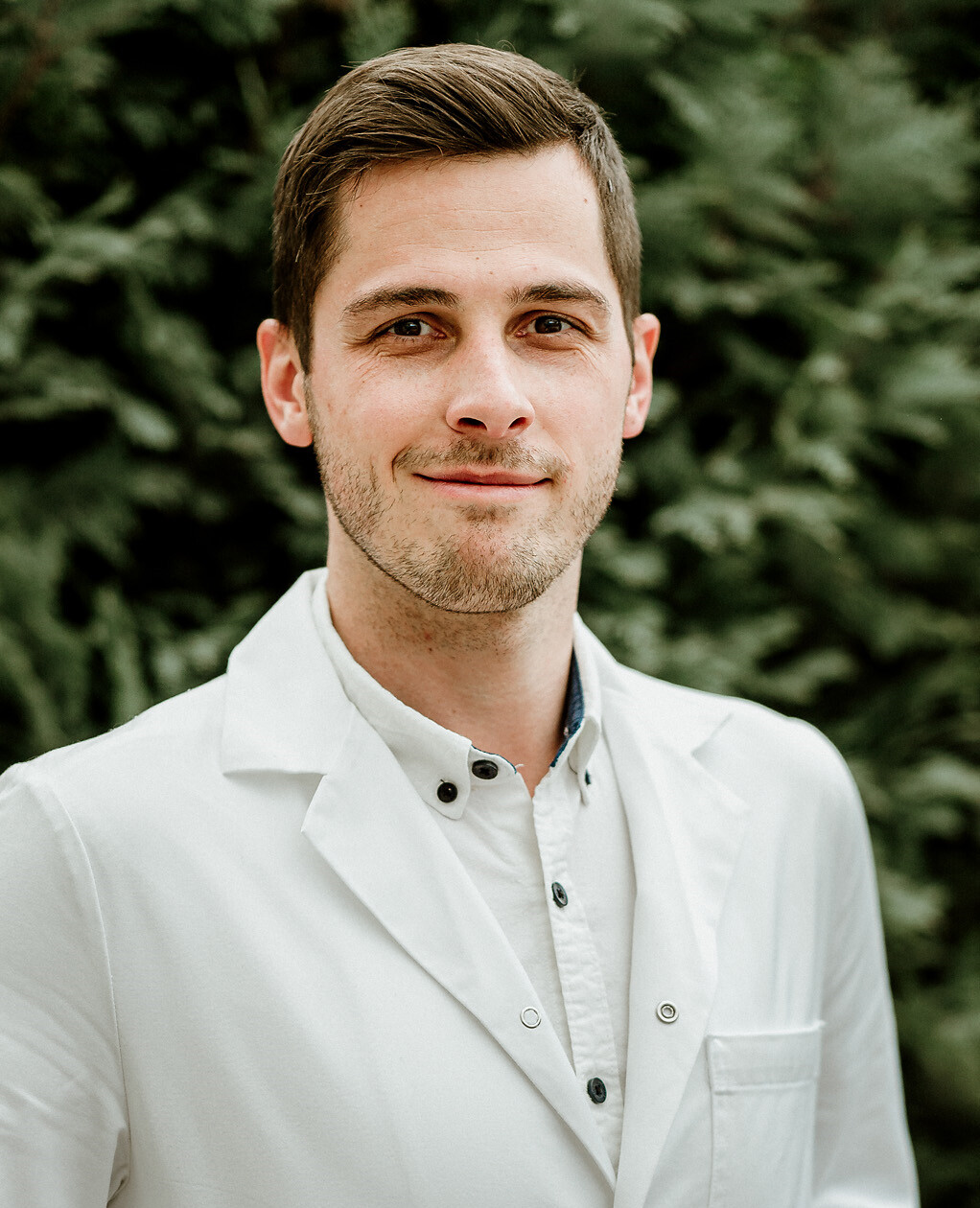
In my previous articles on lymphedema I did not mention the possibility of lymphatic reconstruction surgery. Medicine, however, is constantly changing and evolving. With the expanding possibilities of microsurgery we are getting closer to a surgical solution for lymphedema. Because many people may be interested in this option, I asked the field expert, lymphatic reconstruction surgeon Dr. Balázs Mohos, to help clarify the topic.
In my previous articles on lymphedema I did not mention the possibility of lymphatic reconstruction surgery. Medicine, however, is constantly changing and evolving. With the expanding possibilities of microsurgery we are getting closer to a surgical solution for lymphedema. Because many people may be interested in this option, I asked the field expert, lymphatic reconstruction surgeon Dr. Balázs Mohos, to help clarify the topic.
If you want a comprehensive, evidence-based description of the methods of lymphatic reconstructive surgery (LVA, VLNT, liposuction, debulking), read the Lymphatic reconstruction surgery – types, indications, results guide.
The interview below presents Dr. Balázs Mohos’s personal clinical experience and perspective.
Dr. Zátrok Zsolt (ZZs): In recent decades the medical consensus has been that lymphedema is an incurable condition and that treatment is aimed only at suppressing symptoms. However, more and more reports are emerging about surgical solutions, and patients with lymphedema are looking to them with great expectations. Are we raising false hopes? Can surgery truly help everyone?
 Dr. Balázs Mohos (MB): The most important point to emphasize is that reconstructive lymphatic surgery has proven effectiveness. Lymphedema patients can undergo lymphatic reconstruction surgeries under a “strong recommendation.” This means that, based on large-scale studies, the benefits and risks of such procedures have been evaluated and it has been established that lymphatic reconstruction surgeries are clearly effective and favorably influence the course of the disease.
From the technical perspective of performing these operations, however, the situation of patients with lymphedema is worth examining a little more broadly. According to statistics, there are tens of thousands of lymphedema patients in Hungary alone. A single operation may require 5–8 hours, so a single surgeon can perform at most a few hundred such operations per year. The other part of the problem is that the equipment required is rather expensive. From this you can see that lack of capacity is the greatest obstacle.
ZZs: Since not everyone can be operated on, patients obviously need to be selected. What criteria are currently used to decide who should undergo surgery?
MB: The primary therapy for lymphedema is conservative, complex physical therapy. This is symptomatic treatment because it does not stop disease progression. Conservative treatment includes manual and mechanical lymphatic drainage, compression bandaging, movement therapy and skin care, and this leads to improvement in 85–90% of patients. However, if conservative therapy is unsuccessful and the disease progresses, the condition of the lymphatic system worsens and the patient’s quality of life gradually declines. Surgical treatment is considered a second step in the therapy of lymphedema. Because of the progressive nature of the disease, lymphatic reconstruction surgeries should be performed as early as possible, but a prerequisite is insufficient results from conservative care.
ZZs: What examinations are used to make the decision?
MB: The choice of the type of lymphatic reconstructive surgery is always individualized. The indication for surgery and the choice of surgical technique depend on the patient’s general condition, underlying disease and age, and are determined according to the stage, composition and localization of the lymphedema. The presence or absence of lymph nodes or lymphatic vessels suitable for reconstruction also plays an important role in the surgical plan. In addition to a simple physical examination, various imaging methods can answer these questions. Examples include lymphoscintigraphy, lymphography, ultrasound, CT and MRI. These can be supplemented with other tests and measurements to increase the effectiveness of the surgery.
ZZs: No two lymphedema patients are the same, but there are of course main types of operations. What are they?
MB: Surgical treatment on the one hand includes tissue-reducing procedures (various excisions, liposuction), and on the other hand physiological reconstructive interventions. The aim of the latter is to restore lymph flow and curb the progression of lymphedema. Therefore we can say that modern reconstructive procedures that aim to restore lymphatic drainage do not merely treat the disease but can also cure it. There are several types of reconstructive methods, which divert lymph from the affected area according to different principles.
One example is when we create a connection in the lymphedematous region between small lymphatic vessels and veins. These connections are made distal to the site causing the lymphatic outflow disturbance, so lymph that would flow toward the obstruction is diverted into the veins before reaching the blockage.
ZZs: Why wasn't this solution available earlier?
MB: The principle behind these operations is not new, and some of them were performed in the past. In recent years the instruments used have undergone tremendous development and new devices have also emerged. As a result, the surgical repertoire has broadened and the effectiveness of the various types of operations has increased.
I studied lymphatic surgery in Vienna at a world-class microsurgical center led by Professor Tzou. There I had the opportunity to participate in a Microsurgery Fellowship Program. I continue to receive professional support from there and follow the methods and guidelines used there.
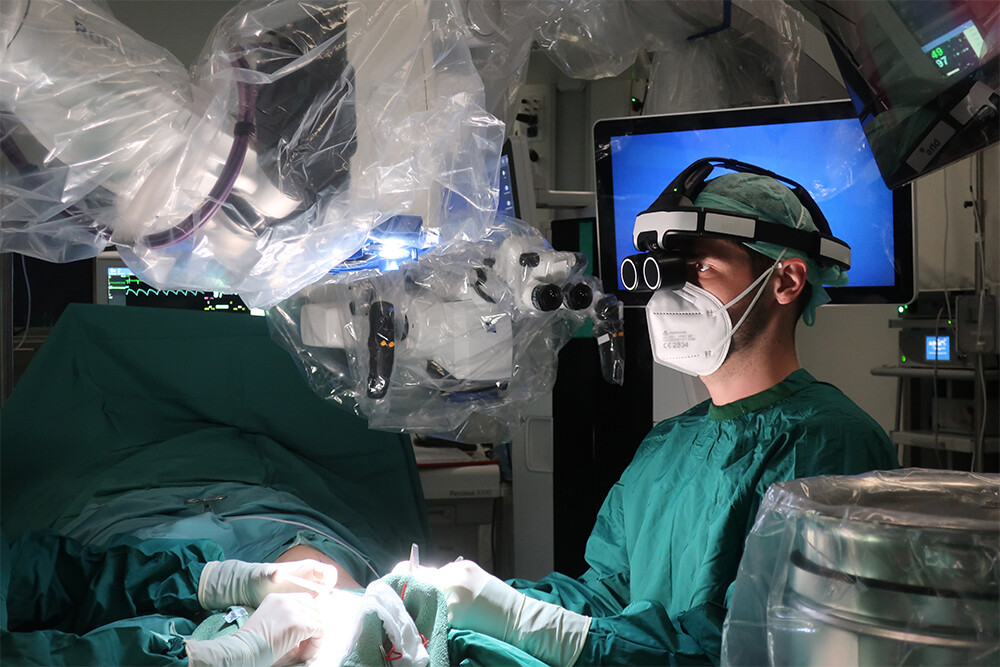
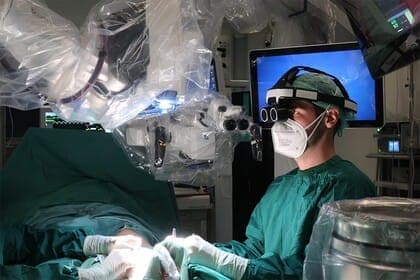
Mohos B.: The microsurgical procedure is carried out using a special microscope, whose role is crucial. In the picture I am working with a robotic microscope whose display is visible in the VR headset.
ZZs: The possibilities for lymphatic surgery are limited domestically. What next?
MB: I imagine my future here and would like to deepen my work in reconstructive surgery. I owe a great deal to my studies and work abroad. For long-term development I would like to preserve and nurture my international professional and friendly contacts at least at the same level. Therefore, alongside my work at home, I plan to continue traveling abroad regularly and to participate in the work of foreign teams.
ZZs: What message do you have for patients with lymphatic conditions?
MB: It must be emphasized that traditional, conservative therapy is the most important part of lymphedema care, and surgical options are considered as a complementary measure. Maintenance treatment must be performed regularly. The better condition patients maintain, the later complications of the disease will appear, and the better the result if surgery becomes necessary. Early diagnosis and early initiation of treatment are important. As the disease progresses, surgical options narrow and the effectiveness of reconstructive operations also decreases.
ZZs: Good luck in spreading this procedure domestically! I also suggest we report every new milestone to readers of Élethosszig Egészségesen.
MB: Thank you, and I will gladly report on developments!
Related articles
Detailed articles related to the interview topics:
- Lymphatic reconstruction surgery – types, indications, results – a general, evidence-based professional overview (LVA, VLNT, liposuction, debulking)
- Forms and causes of lymphedema – about disease types and development
- Stages of lymphedema (ISL classification) – when is which treatment indicated?
- Home treatment of lymphedema – details of conservative, complex physical therapy
- Lymphatic drainage – manual and mechanical methods
- Breast cancer–related arm swelling (BCRL) – the most common form of secondary lymphedema
- Radiotherapy and lymphedema risk – mainly in relation to BCRL
- Lymphatic massage device category – home IPC devices for complex physical therapy
Lymphatic reconstruction outpatient consultation
I recently returned from my study trip to Vienna. I am currently working to make lymphatic reconstruction surgeries available to Hungarian patients as well.
Book a consultation appointment
Dr. Balázs Mohos [email protected]