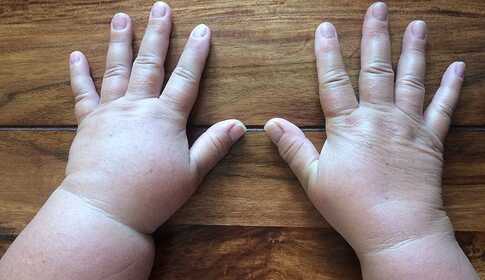

 Why is home lymphedema treatment important?
Lymphedema (lymphoedema) is a chronic, lifelong condition. Intensive hospital or specialist phases – the introductory stages of complex decongestive therapy (CDT) – can significantly reduce limb volume, but long-term stable results depend on a daily home routine. If home treatment is irregular or omitted, swelling returns within weeks and the patient ends up back where they started.
Home treatment consists of four main components: daily wear of a compression garment, pneumatic compression (a home lymphatic massage device), self-massage or therapist-performed manual lymphatic drainage, and movement plus lifestyle regulation. Each element is useful on its own, but combined — reinforcing each other — they produce the most effective result.
 Key point
Home lymphedema treatment does not "replace" specialist care; it is responsible for ensuring durable results. No single method stands alone: the combined approach — compression + pneumatic compression + self-massage + movement — is the clinically validated protocol.
Home or hospital? Where should treatment take place?
Lymphedema management today is largely outpatient and home-based. Hospital admission is rarely necessary — typically when:
- a diagnosis needs confirmation or progression clarification (lymphoscintigraphy, MR-lymphangiography),
- an acute complication occurs — for example erysipelas, severe cellulitis, deep vein thrombosis,
- lymphatic reconstruction or volume-reduction surgery is considered (LVA, VLNT, liposuction, debulking),
- the treating physician orders an intensive 1–2 week CDT introductory phase under specialist supervision.
In all other cases, a home routine combined with specialist consultations is the effective path. Weekly check-ups, monthly-to-bimonthly lymphotherapist sessions and the continuous home exercise together ensure lasting results.
For a detailed overview of surgical options, indications and expected outcomes see the Lymphatic reconstruction surgery guide, and the clinical practices presented in the interview with surgeon Dr. Balázs Mohos.
The four pillars of complex decongestive therapy (CDT)
CDT is the internationally accepted foundation of lymphedema treatment. It consists of four coequal pillars that should be applied in combination:
| Pillar | What it means | Home or specialist? |
|---|---|---|
| 1. Compression garment | Individually measured, class II–III compression stocking/sleeve, worn daily from waking to bedtime. | Home (daily wear), measured and replaced by a specialist every 4–6 months. |
| 2. Manual or mechanical lymphatic drainage | Manual technique (Manual Lymphatic Drainage, MLD) from a specialist, or mechanical (pneumatic compression) at home. | Home (mechanical, daily 30–60 minutes), specialist (weekly 1–3 MLD sessions). |
| 3. Skin care | Daily moisturizing, immediate care for injuries, infection prevention. | Home, supplemented by annual dermatologist consultation. |
| 4. Exercise and lifestyle | Exercise performed in compression (swimming, walking, cycling), proper hydration, sleep. | Home, with physiotherapist advice. |
In Hungary CDT is applied following the methodologies of the Földi and Kubik lymphotherapist schools. The two phases are: the introductory phase (intensive, 2–4 weeks, frequent specialist treatments aiming for significant volume reduction), followed by the maintenance phase (long-term, lifelong, based on the home routine).
Pneumatic compression — home protocol
Intermittent pneumatic compression (IPC) is the main home device for the second pillar of CDT. The home lymphatic massage machine inflates and deflates the cuff air chambers in sequence, "smoothing" fluid along the limb toward patent lymphatic pathways. With appropriate pressure and duration, it is an effective maintenance tool for lymphedema.
Recommended starter protocol for home use:
- Pressure range: 30–50 mmHg (for BCRL prevention ≤40 mmHg).
- Duration: 30–60 minutes/session.
- Frequency: once daily initially, can be increased to twice daily as needed.
- Position: comfortably seated or lying down, treated limb slightly elevated.
- Cuff covering the entire limb (leg cuff to the heel, arm cuff to the shoulder).
- Wear the compression garment AFTER IPC treatment to stabilize volume.
Exact settings should always be determined by the treating physician or lymphotherapist. Start first sessions at lower pressure and monitor symptoms: if the limb feels uncomfortably tender or numb, reduce pressure or duration.
For guidance on choosing the right device see the Lymphatic massage machine – multi-indication page, and the technical aspects (air chamber, cuff, programmability) in the Lymphatic massage machine buying guide.
Daily routine for compression garments
The compression garment (glove, leggings, sock) is the first pillar of CDT — the most important home tool for lymphedema management. A well-chosen and properly worn compression stocking or sleeve:
- maintains the volume reduction achieved by IPC or MLD for 12–14 hours daily,
- reduces venous stasis and interstitial fluid,
- protects vulnerable skin from minor knocks and injuries,
- slows the development of fibrosis in the long term.
Three aspects are important for correct use.
The individual sizing: the garment is fitted in a medical supply store by a trained fitter.
The compression class: for lymphedema generally class II (23–32 mmHg) or class III (34–46 mmHg).
The daily wear routine: put on from waking (ideally before morning swelling appears) until bedtime, change daily. There are special aids for donning (rubber gloves, donning devices, compression donning socks) — recommended for elderly or mobility-limited patients.
Compression garments last 4–6 months (after which they lose compressive strength), and it is advisable to order two sets at once so you have a spare during washing.
Self-massage (manual lymphatic drainage)
Manual lymphatic drainage (MLD) is the manual variant of the second pillar of CDT. It is originally performed by a trained specialist (lymphotherapist, physiotherapist with MLD qualification), but a simplified home version — so-called self-MLD or self-massage — can be part of the patient's daily routine.
The principle of self-massage is not the same as classic "muscle massage": lymphatic drainage consists of soft, superficial skin-stroking techniques that target subcutaneous lymphatic channels and direct fluid toward patent lymphatic pathways. A typical lower-limb protocol, for example, starts at the abdomen (central clearance toward easily accessible lymph regions), then proceeds from the proximal thigh toward the foot with slow, progressively outward "sweeping" strokes.
The exact hand positions and direction of progression are taught by a lymphotherapist and learned by the patient with practice. Self-MLD does not replace specialist-performed treatment, but performed for 5–10 minutes daily it helps maintain fluid balance.
For details on the differences between manual and mechanical lymphatic drainage and how to combine them, see the Manual and mechanical lymphatic massage guide.
Exercise and lifestyle — the 4th pillar of CDT
Exercise is one of the most important but most undervalued elements of lymphedema care. The muscle-pump function (particularly of calf and upper-arm muscles) has proven benefits for venous return and onward lymph flow. Appropriate exercise types include:
- Swimming and water exercise: hydrostatic pressure provides natural compression, buoyancy reduces joint load. Twice to three times weekly is particularly recommended.
- Walking in compression: 30 minutes daily at a moderate pace. The muscle pump operates optimally.
- Cycling: low-impact (feet do not strike the ground as in walking), good cardiovascular effect. Suitable for home or outdoor use.
- Functional strengthening exercises: moderate weights with controlled movements. Avoid prolonged static loading.
Lifestyle elements: 2–2.5 liters of water daily to maintain fluid balance, moderate sodium intake to reduce water retention, adequate sleep (7–8 hours — sleep deprivation increases chronic inflammation markers), and stress management. Daily skin moisturizing — especially of the affected limb — is decisive for infection prevention.
Avoid: prolonged standing or sitting without movement (on travel, move every 1–2 hours), wear compression garments for the entire flight during air travel, excessively hot baths (heat increases swelling), and deep injuries to the limb (wounds can lead to erysipelas infection).
 Clinical evidence for home lymphedema management
The evidence base for home lymphedema management has strengthened significantly in recent years. The following studies analyze various elements and combinations of the home protocol (IPC, compression garment, manual drainage).
Pajero Otero et al. (2022) — CPT+IPC vs Kinesio tape, 43 women with BCRL
Combination of complex physical therapy + intermittent pneumatic compression produced a significantly greater volume reduction (-2.2%) than Kinesio taping (-0.9%, p=0.002). Shoulder range-of-motion improvement was also more favorable in the CPT+IPC group. The home IPC protocol is therefore a validated component of complex treatment.1
Kulchitskaya et al. (2024) — IPC microcirculation RCT, 60 patients
In patients with lower-limb lymphedema (stages I–III) home intermittent mechanical lymphatic massage plus baseline therapy significantly improved endothelial function, reduced arteriolar spasm and increased capillary perfusion compared with the control group. This helps explain why patients feel relief even during the first treatment sessions.2
Su et al. (2025) — BCRL prevention meta-analysis, 1397 patients
Pooled results of 14 randomized clinical trials: intermittent pneumatic compression significantly reduces the incidence of breast cancer–related lymphedema (RR=0.36; 95% CI 0.22–0.58). The optimal protocol: ≤40 mmHg, >2 weeks, preferably within ≤24 months after surgery.3
The unified message of the evidence base: home mechanical lymphatic massage (IPC) is not a standalone therapy but a valuable element of complex treatment — alongside compression garments, exercise and manual drainage it contributes a large part of durable results.
Myths and common mistakes in lymphedema care
Patients and relatives often encounter incorrect or outdated advice. The following misconceptions are no longer clinically supported:
- "Lymphedema can be cured." No. With current knowledge it is a chronic condition that can be well controlled but not completely eliminated.
- "If you lose weight, the swelling will go away." No. Lymphedema is not a pure adipose-tissue disease; while overweight can worsen it, weight loss alone does not eliminate it.
- "Diuretics help." Not recommended routinely. Lymphedema is a protein-rich fluid accumulation; diuretics remove only water and may worsen the condition on rebound. They should be used only after thorough medical consideration and when other comorbidities are present.
- "Massage always helps." Classic deep tissue massage targeting muscles can be harmful in lymphedema — only the specific, soft, superficial manual lymphatic drainage (MLD) is recommended.
- "A hot bath reduces swelling." Quite the opposite: heat causes vasodilation and increases tissue fluid extravasation, worsening swelling. Lukewarm or cool water is recommended.
- "If it isn't swollen now, you don't need treatment." False reassurance. Lymphedema fluctuates, and chronic tissue changes continue even during symptom-free periods. Continuous compression garment use and pneumatic compression are keys to long-term stability.
Videos about lymphedema — Dr. Zátrok Zsolt's video guides
On my YouTube channel you can find several videos that help recognize lymphedema, understand treatment options and master the home protocol. The videos follow a didactic order — for the best experience start with video 1 and progress to the self-massage technique.
1. Basic facts about lymphedema
In the introductory video I briefly review what lymphedema is, how it develops, how it differs from other forms of edema, and the basic concepts to be familiar with. It is an ideal starting point for patients and relatives newly diagnosed or beginning to learn about the condition.
2. General (indirect) treatment options
In this video I present indirect treatment methods: lifestyle factors, the role of exercise, weight control, skin care and infection prevention. These are not specific "therapies" but they work in the background, and without them targeted treatments are less effective. They form the basis of the home routine.
3. Direct methods to reduce lymphedema
Direct methods form the backbone of CDT: compression garments, manual lymphatic drainage, pneumatic compression, targeted physiotherapy. In this video I cover these and how to combine them in a daily routine for the most effective results.
4. General knowledge about lymphatic massage machines
Pneumatic compression is one of the most important home tools of CDT. In this video I show how a lymphatic massage machine works, why the correct pressure range and number of air chambers are important, and what to consider when choosing between models in the Power Q series. Practical help before purchase.
5. Self-massage technique to reduce lymphedema
The closing video is practical: I demonstrate step by step the correct self-massage (simplified manual lymphatic drainage) technique, hand positions, direction of movement and timing. A daily 5–10 minute self-massage does not replace specialist-performed MLD but complements compression garments and pneumatic compression during the maintenance phase.
Why must treatment be continuous? Long-term care
By its nature lymphedema is chronic and therapeutic effects are reversible: if you stop home treatment the swelling returns within weeks and tissue changes (fibrosis, adipose tissue accumulation) progressively worsen. There is no "maintenance-free" period in lymphedema care.
Long-term care principles:
- Don't skip the compression garment. Embedding daily wear into your routine increases average effectiveness two to threefold compared with inconsistent use.
- Schedule mechanical lymphatic massage (pneumatic compression). A fixed daily slot (e.g. 30 minutes in the evening while watching TV) is much more sustainable than ad-hoc attempts.
- Perform monthly measurements. Measure limb circumference at the same point and the same time of day. An upward trend is an early warning.
- Check compression garments yearly. Compression strength decreases after 4–6 months — freshly measured and replaced garments are more effective.
- Keep contact with a specialist. Annual 1–2 lymphology check-ups and semiannual lymphotherapist treatments are keys to stability.
- Record infections. The number of erysipelas episodes is an important indicator — if they become more frequent, discuss prophylactic antibiotic protocols with your treating physician.
Deeper guides on lymphedema topics
Specific subtopics of lymphedema are covered in separate articles. The cluster's currently available guides:
- Lymphedema — forms, causes and stages – pillar guide
- Manual and mechanical lymphatic massage – differences between the two methods
- Lymphatic reconstruction surgery — types and indications – surgical overview
- Interview with Dr. Balázs Mohos – specialist opinion
- Radiation therapy and lymphedema – BCRL context
- Lipoedema — symptoms and treatment – differential diagnosis
- Lymphatic massage machine — multi-indication hub – device selection
- Lymphatic massage machine — purpose and how to choose? – technical buying guide
- Lymphatic massage accessories – cuffs, hoses, accessories
Coming soon:
- Breast cancer–related lymphedema (BCRL) — detailed clinical management (in preparation)
- Lymphedema stages (ISL 0–3) — stage-specific guidance (in preparation)
 Before you start home pneumatic compression
Pneumatic compression is a safe procedure, but there are some conditions where you should definitely consult a physician before use. Individual evaluation is also warranted for compression garments.
When should you be cautious?
- Acute deep vein thrombosis or suspected DVT – treatment only with medical approval and monitoring.
- Severe heart failure – increased venous return may cause decompensation.
- Active skin infection (erysipelas, cellulitis) – not recommended until the infection heals; may be restarted after completion of antibiotic therapy.
- Severe peripheral arterial disease – individual assessment and low pressure recommended.
- Untreated hypertension – start after stabilization and medical recommendation.
- Active malignant tumor in the treated region – only with oncologist approval.
- Early postoperative period after recent surgery – not recommended until wound healing, requires treating physician's permission.
 Important note
Home lymphedema treatment is part of a complex care package and does not replace medical or specialist care. Consult your treating physician for new symptoms, increasing swelling, pain, skin changes or suspicious infections.
Frequently asked questions
The average daily routine is 60–90 minutes: 30–60 minutes of pneumatic compression, 5–10 minutes of self-massage, and 12–14 hours wearing a compression garment (which is not an additional "time investment", just a change of clothing). The time demand is mostly due to pneumatic compression, so it is worth scheduling it into the evening program (while watching TV or reading).
Both are good but serve different goals. Evening treatment drains fluid accumulated during the day — you go to bed feeling fresher. Morning treatment is done before putting on the compression garment, which helps stabilization. Many patients opt for twice-daily use if their condition is more severe.
Routine use is NOT recommended. Lymphedema is a protein-rich fluid accumulation; diuretics remove only water and leave proteins in the tissues — which can worsen the condition when rebound occurs. Diuretics are indicated only on medical advice and for specific comorbidities (e.g. heart failure, kidney disease).
Yes, but with precautions. Cabin pressure effects can worsen swelling. Recommended: wear a compression garment for the entire flight, stay hydrated, move your legs hourly, and limit salt intake before flying. For long flights some high-risk patients may be advised by their physician to use prophylactic pneumatic compression before travel.
Erysipelas is an acute bacterial skin infection (usually Streptococcus) to which the lymphedematous limb is particularly susceptible. Symptoms: sudden, well-demarcated redness, warmth, pain, sometimes fever. Immediate medical consultation and antibiotic treatment are required. Home treatment (IPC, compression garment, exercise) should be paused during the infection and may be restarted after completing antibiotics with the treating physician's approval.
The first 4–6 weeks of lymphedema treatment are a "loading" period: the patient is still learning routine details and limb volume may fluctuate. If after 2–3 months there is still no measurable improvement, review things with a specialist: is the compression garment sized correctly, is the IPC pressure range adequate, is daily duration sufficient. Sometimes the condition is more complex (e.g. lipo-lymphedema, fibrosis, concomitant venous insufficiency) and further diagnostics are needed.
 Summary — Lymphedema treatment at home
Sources
- Pajero Otero V, García Delgado E, Martín Cortijo C, and colleagues (2022). Intensive complex physical therapy combined with intermittent pneumatic compression versus Kinesio taping for treating breast cancer-related lymphedema of the upper limb: A randomised cross-over clinical trial. European Journal of Cancer Care. DOI: 10.1111/ecc.13625
- Kulchitskaya DB, Fesyun AD, Konchugova TV, Apkhanova TV (2024). Influence of intermittent pneumatic compression on microvasculature condition in lymphedema – Prospective randomized clinical trial. Voprosy Kurortologii, Fizioterapii, i Lechebnoi Fizicheskoi Kultury. DOI: 10.17116/kurort202410106148
- Su L, Huang H, Tong Y, and colleagues (2025). Intermittent pneumatic compression devices for the prevention and treatment of breast cancer-related lymphedema – a systematic review and meta-analysis. Supportive Care in Cancer. DOI: 10.1007/s00520-025-10159-8