
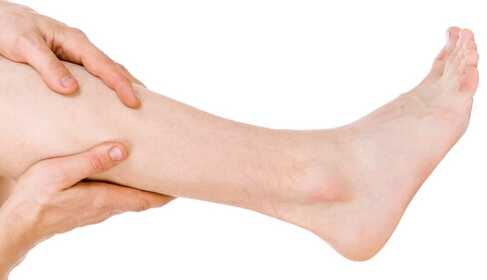
Restless Legs Syndrome
The symptoms of restless legs syndrome typically occur in the evening or at night while you are sitting or already lying down. You suddenly feel an overwhelming urge to move your legs. Movement temporarily relieves this unpleasant sensation. The condition, also known as Willis-Ekbom disease, can develop at any age and usually worsens with advancing years. It disrupts the sleep cycle and disturbs rest, which can affect daily activities […]

The symptoms of restless legs syndrome typically occur in the evening or at night while you are sitting or already lying down. You suddenly feel an overwhelming urge to move your legs. Movement temporarily relieves this unpleasant sensation. The condition, also known as Willis-Ekbom disease, can develop at any age and usually worsens with advancing years. It disrupts the sleep cycle and disturbs rest, which can affect daily activities. The disease itself is not easy to recognize because those affected do not perceive the compulsive movements of their legs while asleep, at most they notice frequent awakenings. Medications are effective only in a portion of patients. Simple home remedies (e.g. muscle stimulation) and lifestyle changes can help relieve symptoms.
Symptoms of restless legs syndrome
The main symptom is the urge to move the legs. Common accompanying features may include:
- Sensations that start after rest: typically begin after prolonged lying or sitting, and can occur during the day in a car, on a plane or in a cinema.
- Relief with movement: symptoms decrease with stretching, shaking the legs, pacing or walking.
- Worsening of symptoms in the evening: symptoms mainly occur at night.
- Nocturnal leg twitching: may be associated with another, more common condition — periodic limb movements during sleep — in which the legs jerk and kick repeatedly throughout the night during rest.
Symptoms of restless legs syndrome are typically described as abnormal, unpleasant sensations in the leg or foot. They usually occur on both sides of the body. Less commonly, the arms may also be affected.
The sensation is generally not on the skin but felt deeper within the limb and is described with the following expressions:
- Tightness
- Pulling
- Tingling
- Pulsing
- Pain
- Electric shock–like sensation
- Itching
Sometimes the sensation is hard to describe or explain. People with restless legs syndrome usually do not describe the condition as a muscle cramp or numbness. They consistently report, however, that they need to move their legs, whether they want to or not. Severity of symptoms often fluctuates. Sometimes the complaints disappear for a period and then return.
Causes
The cause of restless legs syndrome often remains unknown. The condition affects about 10 percent of the European population. Researchers suspect it may be caused by an imbalance of a brain chemical called dopamine, which plays a role in coordinating movement.
Heredity
It sometimes shows familial inheritance, especially if the condition develops before age 40. If parents or siblings have been diagnosed, your risk of being affected is significantly increased. Researchers have identified chromosomal regions where genes for the condition may be located.
Pregnancy
Pregnancy or hormonal changes can temporarily worsen signs and symptoms. In some women, restless legs syndrome first appears during pregnancy, particularly in the last trimester. Symptoms generally resolve after delivery.
Risk factors
It can develop at any age, even in childhood. The condition becomes more common with age and is more prevalent in women than in men.
One of the most important factors is iron deficiency, but various metabolic disorders should also be noted, such as uremia, which can precede gout (here, kidney dysfunction causes accumulation of protein metabolic waste products in the blood). These metabolic problems damage nerve function.
However, in general, restless legs syndrome is not associated with a serious underlying disease. It can, however, accompany other pathological conditions, such as:
- Peripheral neuropathy: nerve damage in the hands and feet that usually results from chronic diseases such as diabetes and alcoholism.
- Iron deficiency: can cause or worsen restless legs syndrome even without anemia. If the body lacks sufficient iron, it leads to impaired blood formation: the number of healthy red blood cells that supply oxygen to tissues decreases. Iron deficiency can result from stomach or intestinal bleeding, heavy menstrual bleeding, or repeated blood donations.
- Kidney failure: if you have kidney failure, you can also be iron deficient, often with anemia. If the kidneys are not functioning properly, your body's iron stores can decrease. This and other changes in body chemistry may cause or worsen restless legs syndrome.
- Spinal cord conditions: injury to the spinal cord or changes resulting from trauma can be associated with symptoms. Spinal anesthesia, for example for spinal pain relief, also increases the risk of developing the condition.
It may also be associated with neurological diseases such as multiple sclerosis or Parkinson's disease. Here the cause is also that these diseases damage peripheral nerves. Rheumatoid arthritis can also cause similar symptoms, and anxiety may trigger the complaint.
Complications
Restless legs syndrome is not life-threatening and does not lead to other serious conditions. Symptoms range from barely noticeable to disabling. Those more severely affected may have trouble falling asleep or staying in deep sleep because of it. Disturbed rest can cause a significant decline in quality of life and may lead to depression. Sleep disturbance results in excessive daytime sleepiness and can also prevent taking naps in the afternoon.
When to see a doctor
Some people never consult a doctor because they fear they will not be taken seriously. Persistent restless legs syndrome is risky because disturbed sleep can cause daytime sleepiness, reducing concentration and performance. Increasing fatigue can directly affect quality of life. Talk to your doctor if you think you may have restless legs syndrome.
Doctors may perform a neurological examination and order blood tests, particularly for iron deficiency, to rule out other possible causes of your symptoms.
Treatment of restless legs syndrome
Sometimes treating trigger conditions such as iron deficiency significantly relieves symptoms. Correction of iron deficiency may include oral or intravenous iron supplementation. However, this should only be done under medical supervision and after your doctor has checked your blood iron levels.
If you have restless legs syndrome without an associated disease, treatment focuses on lifestyle changes. If this is not sufficiently effective, your doctor may prescribe medications.
Medications
There are several prescription medications developed for other diseases but also used to treat restless legs. There are multiple pharmacological groups.
Dopamine enhancers: these drugs increase levels of the brain chemical messenger dopamine. They are used to treat moderate and severe cases. Short-term side effects are usually mild, such as nausea, dizziness and fatigue. However, they can also cause impulse-control disorders, such as compulsive gambling, and daytime sleepiness.
Calcium-channel affecting drugs: these medications work for only some patients.
Besides its role in maintaining bone strength, calcium plays a key role in nerve and muscle excitability, muscle contraction and even blood clotting. Ninety-nine percent of the body's calcium is found in bone tissue, which also serves as a calcium reservoir. The remainder is in the blood and cells, where its concentration can vary only within narrow limits because physiological functions require it to remain within a certain range. Low calcium levels can cause muscle cramps, muscle pain, and sensory disturbances because nerve and muscle excitability increases, meaning they react more strongly to smaller stimuli.
Opioids: can relieve mild to severe symptoms, but long-term use may cause dependence.
Muscle relaxants and sleep aids: help with nighttime sleep but do not eliminate the restless legs sensation and can cause daytime drowsiness. These medications are generally used only when other treatments do not provide relief.
Multiple trials may be needed to find the right medication or combination for you.
Be cautious with medications!
Sometimes dopamine medications that relieve symptoms for a while become ineffective, or you may notice symptoms returning earlier in the day or even affecting your arms. This is called augmentation. In such cases, a different medication should be chosen.
During pregnancy, the above medications are not recommended. They may be approved only for severe symptoms and only in the last trimester.
Some medications can worsen the symptoms. Examples include some antidepressants, certain antipsychotic drugs, some anti-nausea medications, and some cold and allergy medications. Avoid these if possible.
Lifestyle and home remedies
Simple lifestyle changes can help relieve symptoms. The following methods are not scientifically proven, but patients report that they helped them. They may not work for you, but feel free to try them.
- Try baths and massage: warm water and massaging the affected muscles relax the muscles.
- Use warm or cold packs: applying warm or cold compresses, or alternating both, may relieve unpleasant sensations.
- Adopt good sleep habits: fatigue tends to worsen symptoms, so aim for good sleep. Keep the room cool and quiet, and the bed comfortable. Try to go to bed and wake up at the same times and sleep at least seven hours a night.
- Exercise: regular exercise can relieve symptoms, but excessive or intense exercise late in the day can worsen them.
- Avoid caffeine: reducing caffeine intake sometimes helps. Try avoiding caffeine-containing products, including chocolate, coffee, tea and soft drinks, for a few weeks to see if it helps.
- Diet: experiment with your diet. Eliminate completely (or at least reduce to a minimum) caffeine, alcohol, refined sugar and smoking.
Often the smallest-seeming steps lead to the greatest improvements in health. When something becomes a habit in your life, you may not realize that these routines — often thought harmless — may be the biggest obstacles to your body's return to natural balance. As the saying goes: "The key to change is always in your hands."
Electrical muscle stimulation (EMS)
Certain electrical muscle stimulation programs can help prevent recurring complaints. Perform muscle-relaxing, relaxing, circulation- or regeneration-enhancing treatments 1–2 hours before the usual onset of symptoms. These treatments improve muscle circulation and nutrition and soothe the nerves supplying the muscles. Together they reduce overactivity.
Avoid programs that increase muscle strength or cause strong contractions! The intensity of the current applied should be mild or at most moderate. You can find muscle stimulator devices suitable for treating restless legs syndrome here.

