
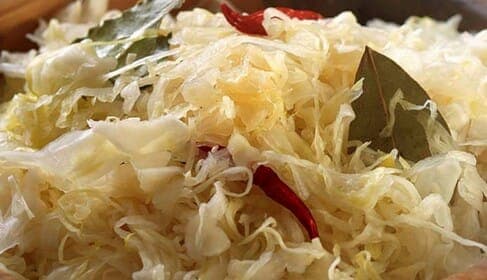
The Health Effects of Sauerkraut
When building a healthy lifestyle we often forget the simple, traditional foods that have supported people’s health for centuries. Sauerkraut is one such ancient treasure — not only delicious but also a true vitamin and nutrient powerhouse. In this article I will explain in detail why you should regularly include this fermented wonder in your diet.

The magical process of fermentation
Before diving into the benefits of sauerkraut, it’s important to understand what makes it special. During fermentation, the bacteria naturally present in cabbage convert sugars into lactic acid. This not only preserves the food but also creates probiotics that have extremely beneficial effects on your digestive system.
A natural supporter of your immune system
By consuming sauerkraut you can significantly support your immune system. In addition to the probiotics produced during fermentation, the cabbage’s original vitamin C content is preserved and, in some cases, may even increase. A typical serving of sauerkraut can cover up to 35% of your daily vitamin C requirement. This is especially important in winter, when your body needs extra protection.
The health of your digestive system
If you eat sauerkraut regularly, you’ll soon notice that your digestion becomes easier. The probiotics found in fermented foods help restore and maintain the balance of the gut microbiota. This not only plays a role in preventing digestive problems but also positively affects your overall well-being and energy levels.
A rich source of nutrients and vitamins
Making sauerkraut is a time-consuming but highly valuable process. Traditional fermentation methods, which can take weeks or even months, allow the cabbage to retain — and in some cases even enhance — its original nutrient content. That is what truly makes this fermented delicacy special.
The amount of vitamin C in raw cabbage is already remarkable, and this value does not decrease significantly during fermentation. That means that by eating a plate of sauerkraut you can contribute substantially to your daily vitamin C intake. But sauerkraut is not only rich in vitamin C — it also contains various B vitamins and carotene, the precursor of vitamin A.
It is also notable for its mineral content: sauerkraut is rich in phosphorus, calcium, potassium, magnesium and sodium. Its high water content also helps with hydration, especially during winter months when we tend to drink less.
Good news for those watching their calorie intake: sauerkraut is a very low-calorie food. It provides minimal energy while containing a significant amount of fiber, which aids digestion and contributes to lasting satiety. In addition to fiber, it contains protein and natural fats, all of which contribute to a balanced diet.
From a quality perspective, pay attention to the source. Traditionally and slowly fermented sauerkraut generally has a more valuable nutrient profile than varieties produced by accelerated methods. If you want to maximize the health benefits, consume the cabbage raw or prepare it gently to preserve its valuable nutrients.
Anti-inflammatory effects
Fermented foods, including sauerkraut, have natural anti-inflammatory properties. Chronic inflammation plays a role in the development of many diseases, so it is particularly important to include foods in your diet that help prevent and manage these conditions.
How to incorporate it into your diet?
You can use sauerkraut in many ways in your kitchen. Enjoy it as a side dish, as part of salads, or as an accompaniment to traditional meals. However, it is important to introduce it into your diet gradually, especially if you have not regularly eaten fermented foods before. Start with one to two tablespoons a day and then gradually increase the amount.
The importance of sauerkraut quality
To make the most of sauerkraut’s health benefits, pay attention to quality. The best choice is naturally fermented cabbage that contains no preservatives or other additives. If you can, make it at home — this is not only more economical but also gives you full control over the production process.
Part of a healthy lifestyle
Regular consumption of sauerkraut can be a small but meaningful step toward a healthier lifestyle. However, it is important to understand that no single food is a miracle cure. A balanced, varied diet, regular physical activity and adequate rest together contribute to achieving and maintaining optimal health.
Modern life presents many challenges to our bodies, so it is particularly important to choose our foods consciously. Sauerkraut is a natural superfood with centuries-old traditions and scientifically supported health benefits. If you haven’t tried it yet, consider giving this versatile, healthy food a place in your daily diet.

