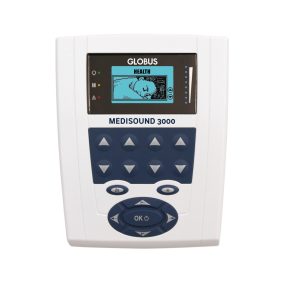


One device – two worlds. Professional-level therapy and beauty care.
The MediSound 3000 ultrasound device is designed for those who don't settle for half measures. 1 MHz penetrates deeply – it can support joint complaints, muscle pain, and tendon inflammations. 3 MHz targets the surface – for cellulite, wrinkles, and lax skin treatment.
49 pre-programmed treatments await you: 18 therapeutic programs for musculoskeletal problems, 31 cosmetic programs for perfect skin. You don't have to choose – one device covers both areas.
CE IIa medical device certification, Italian precision, IP67 waterproof transducer. Professional results. Home convenience. One investment, double benefit.
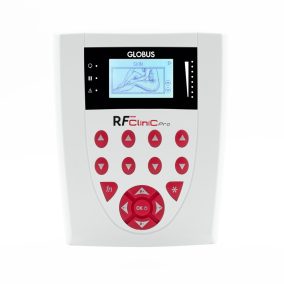


RF Clinic Pro radiofrequency cosmetic device. 7 face, 13 body, 10 cellulite treatment programs. With two treatment heads.
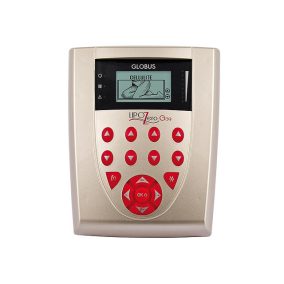
Lipozero G39 professional cosmetic ultrasound. Multi-frequency probe (3, 1 MHz, 526–150 kHz) and 39 kHz probe. 49 cavitation and beauty care programs.
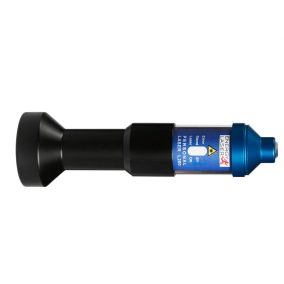
Do you have a non-healing wound, scar, skin problem or tinnitus? The Personal Laser L200 medical soft laser with a 660 nm red beam can help support the natural regeneration of skin and superficial tissues at home, pain-free. Class 3B, CE IIa certified medical device. 200 mW continuous power, 12 Joule/min energy output. Protective goggles and an aluminium carry case are included.



Lipozero G150 professional cosmetic ultrasound. Ø 42 mm multi-frequency head (3 MHz, 1 MHz, 526 kHz, 150 kHz). 26 cavitation programs and 16 beauty care programs.
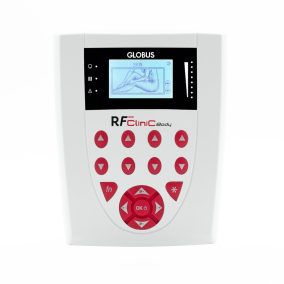


RF Clinic Body entry-level radiofrequency cosmetic device. 4 face, 6 skin treatment programs. With facial treatment head.
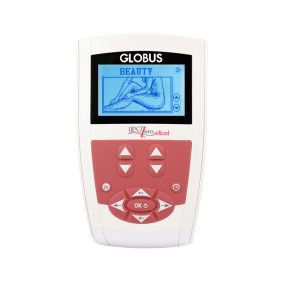


Lipozero Excel cosmetic ultrasound. 3 MHz treatment head. 7 beauty programs.
Stretch marks are visible skin changes that appear when your skin stretches rapidly over a short period and cannot naturally adapt to the change. They most commonly develop during pregnancy, significant weight gain, or intense growth in adolescence. Initially, stretch marks are reddish-purple in color (striae rubrae), and over time they fade to a paler, whitish hue (striae albae).
Formation of Stretch Marks
Your skin consists of three main layers: the outer epidermis, the dermis, and the subcutaneous fat tissue (subcutis). Stretch marks form in the dermis, where excessive tension causes collagen and elastin fibers to tear. This tearing leads to scarring, which appears on the skin's surface as visible streaks.
Common Type: Pregnancy Stretch Marks
Pregnancy stretch marks are characteristic skin changes that develop during pregnancy due to the sudden stretching of the skin. The scars appearing on the abdomen, breasts, and hips initially have a reddish-purple color (striae rubrae) and gradually fade to a paler, whitish shade (striae albae). Hormonal changes and genetic predisposition also play a role in their formation. They are most common in the second and third trimesters, when weight gain is most rapid. Preventing them relies on maintaining skin elasticity through regular hydration and using specialized anti-stretch mark products. Existing stretch marks can be faded with various physiotherapy methods.
How Can You Improve Them?
The spontaneous fading of stretch marks is a very slow process, and complete disappearance through natural means is generally not expected.
However, modern physiotherapy methods can significantly improve the condition of your skin by stimulating collagen production.
Collagen Synthesis and Skin Regeneration
Collagen is one of the most important proteins in the skin's structure, responsible for its elasticity and firmness. Enhancing collagen synthesis is crucial in the treatment of stretch marks. This process improves the skin's structure, increases its elasticity, promotes the remodeling of scar tissue, and stimulates fibroblast activity.
Stretch Mark Treatment Devices
Cosmetic Ultrasound Device
During ultrasound treatment, the device emits mechanical waves that stimulate fibroblast cells. These cells are responsible for collagen production.
The treatment improves tissue microcirculation, enhances cellular metabolism, and facilitates the absorption of active ingredients. A major advantage of ultrasound therapy is that it is painless, non-invasive, has no recovery time, and can be combined with other treatments.
Low-Level Laser Device
Low-level laser technology uses specialized light beams that stimulate cell regeneration and enhance collagen production. This treatment improves tissue oxygenation and reduces inflammatory processes. The low-level laser targets the deeper layers of the skin, stimulating natural healing processes and providing long-lasting results.
Treatment Protocol
For treating stretch marks, combination therapy is the most effective, as different treatment mechanisms complement each other.
For example, during the first four weeks, 2–3 ultrasound sessions and 1–2 low-level laser sessions per week are recommended. In the following period (weeks 5–12), 2 treatments per week are suggested, alternating between ultrasound and laser.
To maximize the effectiveness of treatments, ensure proper hydration (water is best) and use targeted skincare products. Regular exercise also helps improve blood circulation.
Preventing stretch marks is easier than treating existing ones. During pregnancy, significant weight changes, puberty, and periods of intense sports activity (muscle building), it is advisable to use protective skin creams.
The success of treatments depends on several factors: the age and condition of the stretch marks, your skin type and regenerative capacity, the consistency of treatments, and the quality of at-home care.