
Treating the Diabetic Foot at Home
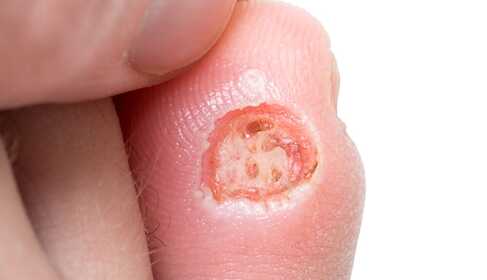
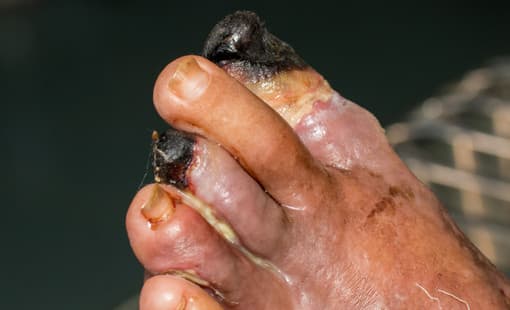
The dreaded complication of diabetes is the diabetic foot, which at first manifests “only” as pain and sensory disturbances, but over time can lead to much more serious consequences. Because of worsening circulation, tissues can die in small areas and a skin wound (ulcer) forms. If the process worsens, it can cause tissue death affecting the toes or even the forefoot. Treating the diabetic foot and avoiding severe consequences largely depends on you: what and how much you eat, how much you move, and whether you follow medical instructions.

What determines the success of diabetes treatment?
Medical treatment of diabetes consists of two main parts.
The first and most important part is for the doctor to make you understand that your diabetes depends on you — you can do the most to keep it balanced.
The second step is for the doctor to make you understand that medical treatment (whether tablets or even insulin injections) is useless if you continue your lifestyle the same way you did before your diabetes was diagnosed.
My advice: forget what was! You cannot continue like that! Or if you do, you will become a victim of the diabetic foot (and many other complications).
What is the goal of treatment?
The goal of diabetes treatment is to keep your blood glucose level within the normal range.
In this the medications, and even insulin, are secondary! The most important thing is how much and what kind of food you put in your mouth and what your physical activity is like.
You may have the best insulin available, but if you eat erratically, do not exercise, and do not follow instructions, there is no miracle doctor who can manage your blood sugar for you.
This is the only way to avoid the appearance of the diabetic foot, other feared complications, ulcers, gangrene of your toes, and individual amputations.
If you do not take care, once tissue necrosis has developed, you can only run after the lost cart.
Treatment of diabetic wounds consists of keeping the wounds clean and infection-free. Dead tissue is removed, the wound is disinfected and dressed.
Antibiotics are used in the case of an infected wound, combined with wound care.
Surgery (amputation of dead tissue) is required when an abscess forms as a result of infection, when the infection spreads to the bones or joints, or when there is significant necrosis (tissue death), gangrene, or necrotizing fasciitis.
Physical therapy treatment of the diabetic foot
If you missed prevention and symptoms have already developed, there is still a chance to reduce the symptoms.
By using physiotherapy methods you can stop or slow the progression of complications and relieve pain, sensory disturbances, cramps, and circulatory problems.
You must learn how to care for an injured, ulcerated foot. Learn the important steps of foot and wound care and master the methods that can help you avoid amputation.
There are few devices you can use at home. None of them cure diabetes; they have symptomatic effects that can ease complaints and slow deterioration.
TENS treatment to relieve neuropathy symptoms
TENS treatment using sock or glove electrodes is often applied to relieve (most often nighttime) pain, sensory disturbances, numbness, and tingling caused by diabetic neuropathy. TENS is symptomatic — it does not cure or improve the underlying disease.
Improving circulation in the diabetic foot
Muscle stimulation is important for those who can no longer walk 8–10 thousand steps daily to maintain circulation in their feet. If movement (walking, cycling) is absent, nothing improves foot circulation, so it must be artificially replaced by a machine.
A muscle stimulator device is suitable for this, for example the Elite SII or any of the more advanced devices. Stimulating the foot muscles “replaces” the missing physical activity and restores the circulation-improving function of the muscles.
Diabetic ulcers and softlaser treatment
Softlaser treatment should be directed straight at the ulcer. The laser energy supports and stimulates cellular regeneration processes. With persistent treatment, slow epithelialization begins from the wound edges and a wound that has not closed for one-and-a-half to two years can heal within 1–2 months. Ulcers treated with softlaser heal significantly faster than without treatment. Softlaser can also alleviate neuropathic symptoms. Unfortunately, this treatment has no effect on blood glucose levels or on the general vascular disease caused by diabetes, so the ulcer may reappear elsewhere. The device can be used again in treating such recurrences.

