

Electrotherapy device for treating stress, urge and mixed forms of incontinence, strengthening intimate (pelvic floor) muscles, postpartum rehabilitation, and home therapy for vaginal pain (vaginismus).
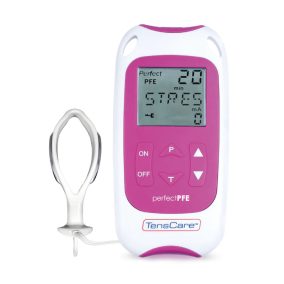

Stimulation device for women for incontinence therapy and to support pelvic floor training.
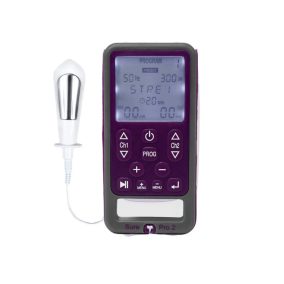


The TensCare Sure Pro is a clinical‑grade device for the treatment of stress, urge and mixed urinary incontinence, and for relieving pelvic pain.
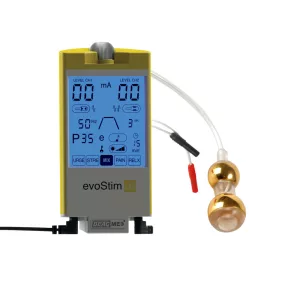
evoStim UG: 2-channel FES device / high-level incontinence treatment: stress, urge and mixed types / vaginismus treatment.
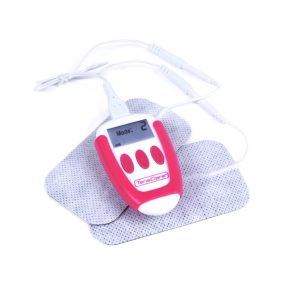
Ova Plus electrotherapy device for relieving menstrual and endometriosis-related pain.
Vaginismus is a painful spasm of the vaginal muscles. Despite proper preparation (foreplay and gentle penetration), it can make sexual intercourse impossible or at least unenjoyable. It can pose a serious problem. Beyond "ruining" one’s sex life, it can even prevent tampon insertion or gynecological examinations. Psychological factors are more commonly involved, with organic causes being less frequent. For example, it may occur as a consequence of gynecological surgery.
What is vaginismus?
Vaginismus (painful intercourse) refers to the involuntary, spasmodic contraction of the lower third of the vagina and surrounding muscles, causing the vaginal opening to narrow, which can repeatedly or permanently make penetration impossible. There are several types:
- Situational vaginismus, tied to a specific setting or occasion;
- Persistent vaginismus, which lasts over time and is independent of the situation;
- Primary vaginismus, occurring in isolation without accompanying physical complaints;
- Secondary vaginismus, which develops in connection with an illness.
Vaginismus can vary in severity: in milder forms, it may be barely noticeable and might only present with certain partners; in more severe cases, it can make penetration difficult or impossible, and in the most extreme cases, it can even prevent tampon use and gynecological exams.
What can cause vaginal pain?
In most cases, vaginismus is rooted in psychological factors. These may include:
- fear of losing virginity;
- lack of adequate sexual education (being raised to view sexual activity as immoral or having no education at all);
- misconceptions and anxiety about sexuality (the belief that sexual intercourse is rough and painful);
- fear of unwanted pregnancy;
- relationship or marital problems (a partner’s hidden rejection);
- past sexual trauma or psychotrauma (often caused by a father or older sibling);
- repressed homosexuality.
However, organic causes can also explain the development of vaginismus, though in most cases these are also connected to some mental factor. Organic causes may include:
- congenital malformation of the vagina;
- pelvic inflammatory disease;
- cervicitis;
- vaginitis;
- pelvic tumor;
- nerve damage during pelvic or vaginal surgery.
How is vaginismus treated?
It is important to note that vaginismus is classified not as a disease but as a sexual dysfunction—a "malfunction" that can usually be overcome.
For effective treatment, it is advisable to address both potential "fronts."
To eliminate the psychological component, consult a professional (psychologist or sex therapist). They will help uncover the emotional causes that led to the problem. They can decide whether you should attend therapy individually or with your partner.
Eliminating any organic causes (reducing inflammation, removing tumors) is the other pathway.
Additionally, it is crucial to "teach" the overactive vaginal muscles to relax. Repeated exercises in pelvic floor training can help relax the vaginal walls.
Muscle stimulator to relieve vaginal pain
Functional electrical muscle stimulation can be more effective and faster-acting than pelvic floor exercises.
Electrical therapy is easy to perform. Gentle impulses delivered through a slim probe inserted into the vagina "retrain" the vaginal muscles. Although treatment with a probe is more effective, not everyone is comfortable with an intra-vaginal device. For them, a self-adhesive electrode placed on the perineum may suffice.
Muscle stimulation helps you gain control over the muscles, enabling you to relax the vaginal muscles. While positive signs are often noticeable after just a few sessions, achieving substantial results typically requires consistent treatment for at least 8–10 weeks.

