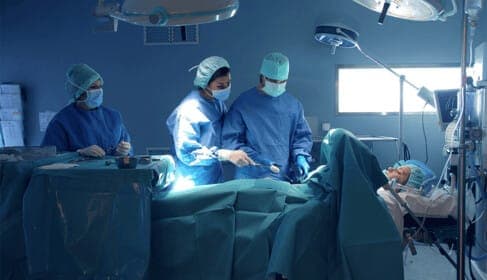
Causes, Symptoms and Treatment of Inguinal Hernia
An inguinal hernia develops when part of the abdominal organs, most often the intestines or a portion of the omentum, protrudes through the inguinal canal. The inguinal canal is located in the lower, lateral part of the abdomen. The hernia gate is the opening through which the hernia contents protrude. This usually occurs congenitally or with increasing age, or as a result of physical strain. Inguinal hernia symptoms and […]

An inguinal hernia develops when part of the abdominal organs, most often the intestines or a portion of the omentum, protrudes through the inguinal canal. The inguinal canal is located in the lower, lateral part of the abdomen. The hernia gate is the opening through which the hernia contents protrude. This usually occurs congenitally or with increasing age, or as a result of physical strain.
Symptoms and recognition of inguinal hernia
An inguinal hernia is most often discovered when you notice a lump in the groin crease that becomes larger with standing and physical exertion and may be smaller or even disappear when lying down. It can be tender to pressure and may cause an uncomfortable dragging pain, especially when lifting or standing for long periods.
Other symptoms may include lower back pain and a burning, pulling sensation in the groin area. If you experience these, make an appointment with a doctor. There is no need to panic, but see a physician as soon as possible to get an accurate diagnosis.
Medical treatment: inguinal hernia surgery
Medical treatment is fundamentally surgical, because a hernia does not heal on its own.
During the operation the surgeon returns the hernia contents to the abdominal cavity and reinforces the abdominal wall.
There are two main surgical techniques: the traditional open repair and the laparoscopic procedure. Laparoscopic surgery leaves smaller scars and usually allows faster recovery, but it is not suitable for every case.
When choosing the type of surgery, your doctor will consider the size and location of the hernia and your overall health status.
The role and use of the abdominal binder
An abdominal binder is a special compressive device that helps keep the hernia contents in place and reduces pain. It is a flexible, adjustable belt that is applied around the abdomen. It applies pressure to the hernia area and prevents protrusion.
The abdominal binder does not cure or repair the hernia; it only provides a temporary solution until surgery, or when surgery cannot be performed for some reason. The binder should be put on in the morning while lying down, before you get up, because at that time the hernia contents are still retracted.
Home management options
At home you can mainly focus on relieving symptoms and preventing further enlargement of the hernia.
Avoid lifting heavy objects and strenuous physical work. If you expect coughing or sneezing, it is worth gently supporting the hernia area with your hand. Learn how to move and lift safely to avoid worsening the hernia.
The role of strengthening the abdominal muscles
Strengthening the abdominal muscles can indeed help, but you should avoid sit-ups because they increase intra-abdominal pressure and with repeated sit-ups you can almost “pump out” the hernia.
Muscle-stimulating devices strengthen the abdominal muscles without increasing intra-abdominal pressure.
Proper strengthening of the abdominal and pelvic floor muscles can help prevent new hernias from developing in the long term, but it will not cure an existing hernia.
Even simpler muscle stimulation devices, such as Rehalito, Myolito, MyoBravo and Elite SII devices, can be suitable for strengthening the abdominal muscles. A useful complement is the UltraStim belt, which makes abdominal muscle treatment easier.
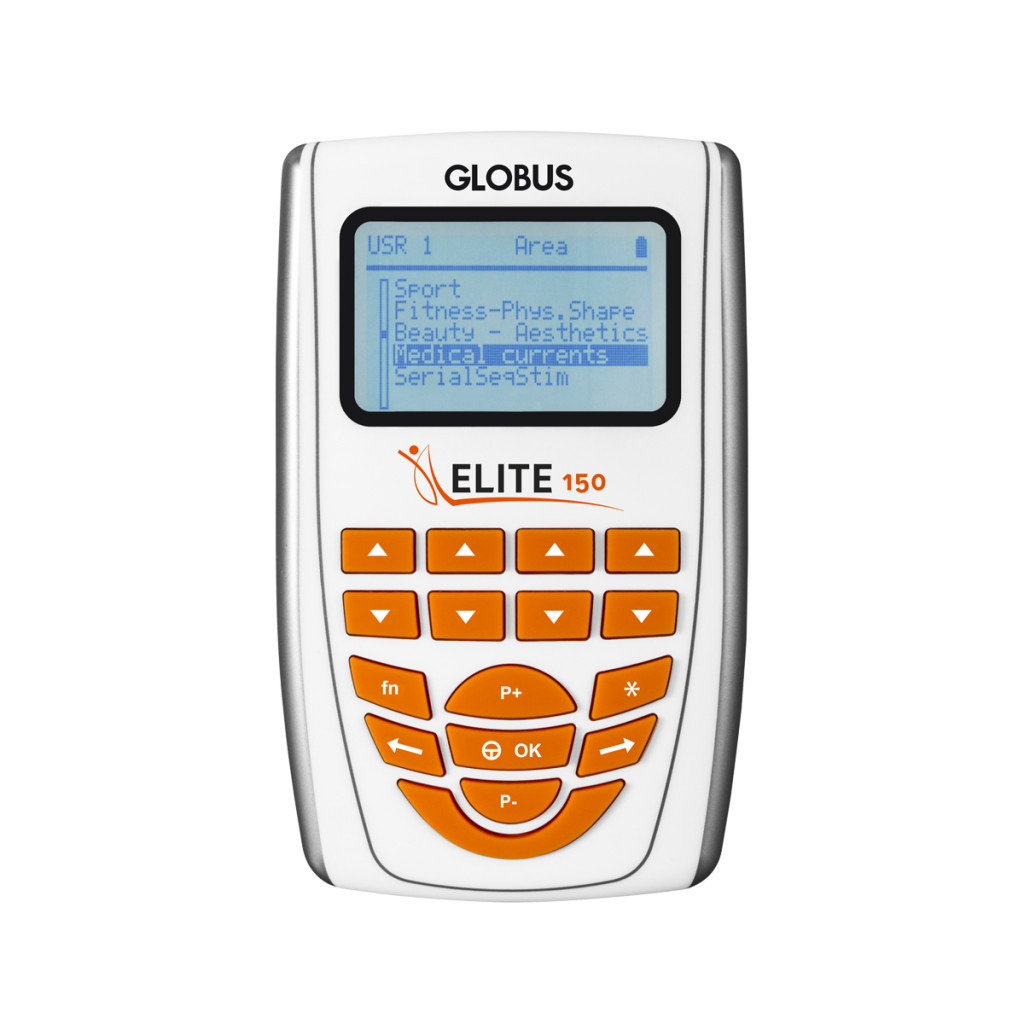
Elite 150 EMS muscle stimulation device 4 channels
Elite 150 EMS muscle stimulation device with specific muscle development programs. For strengthening and toning the abs, waist, legs and arms.
The role of lifestyle
You should shape your lifestyle to minimize increases in intra-abdominal pressure. Keeping your weight at an optimal level is extremely important, as overweight significantly raises intra-abdominal pressure.
Eat fiber-rich foods to avoid constipation, which can also increase intra-abdominal pressure.
Quitting smoking is also recommended, as frequent coughing can worsen the symptoms.
Exercise and sports
You do not have to avoid exercise completely, but most weightlifting workouts should be avoided. Swimming and walking are particularly recommended as gentle forms of exercise.
Certain yoga and Pilates exercises can be performed, but it is advisable to consult a medical fitness professional to select appropriate exercises.
However, you should avoid sports that involve sudden movements or heavy exertion.
Work and daily activities
Pay attention to correct posture and lifting technique at work.
If you have a sedentary job, take regular breaks and do gentle stretching exercises. Avoid lifting if possible, but if you must lift, always squat with a straight back and lift with your legs, not your lower back. In daily activities, be careful not to overexert yourself.
The period after inguinal hernia surgery
If surgery is performed, the recovery period takes several weeks.
In the first days you must strictly follow your surgeon's instructions regarding rest and activity.
Stitch removal usually takes place 7–10 days after the operation, but full recovery and return to work may take longer.
During the postoperative period you can gradually rebuild your physical activity.
Long-term outlook and prevention
Even after a successful inguinal hernia operation, you should pay attention to your lifestyle to prevent a new hernia from developing.
Regular but gentle exercise, healthy eating and maintaining an appropriate body weight all contribute to long-term success.
Strong abdominal muscles and proper posture help prevent recurrence of the problem.