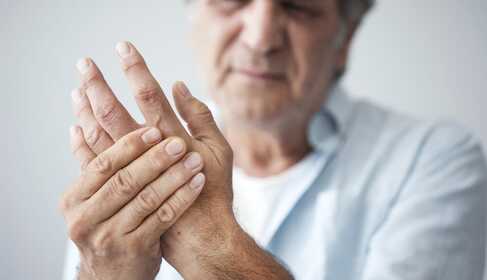
Cold hands and cold feet. When do they indicate illness?
Just because your hands or feet feel cold even when you're not in a cold environment, in most cases there is no reason to worry. This is usually your body's way of regulating temperature. Some people react more strongly to changes in external temperature. However, sometimes cold hands and feet can be a warning sign of an underlying illness. Body temperature regulation The blood vessels in the hands and feet play a major role in regulating your body temperature. Many […]

Just because your hands or feet feel cold even when you're not in a cold environment, in most cases there is no reason to worry. This is usually your body's way of regulating temperature. Some people react more strongly to changes in external temperature. However, sometimes cold hands and feet can be a warning sign of an underlying illness.
Body temperature regulation
The blood vessels in the hands and feet play a major role in regulating your body temperature.
They are supplied by many vessels that dilate in warmth, allowing large amounts of blood to flow through them. Because they have a relatively large surface area, they can quickly release heat. The feet, ears, nose and knees work in a similar way, which is why these parts cool down the fastest. Part of the reason is that there is less fat tissue in these areas.
In a cold environment, the body centralizes most of the blood to the organs essential for survival to keep them warm and ensure their proper function with unchanged nutrient and oxygen supply. As a result, the peripheral areas that are less vital, such as the skin of the limbs, experience relative blood scarcity, which causes coolness. So in a cold environment this phenomenon is normal!
When are cold hands and feet a problem?
Cold hands and feet by themselves are not a problem and are not related to body build, thinness or fatness.
In connective tissue disorders such as Marfan or Ehlers–Danlos syndromes, you are more likely to have cold and numb extremities.
Persistently cold hands, especially when accompanied by changes in skin color, can indicate nerve damage, circulation problems, or tissue damage in the hand or fingers.
As an extreme example (particularly when accompanied by skin color changes), frostbite can be a warning sign.
Watch for the following signs and symptoms:
- cold soles or toes,
- pale, bluish or reddish discoloration of the hands,
- numbness or tingling,
- itchy fingers,
- open wounds or blisters,
- tight or hardened skin.
If you experience these symptoms not just in cold weather but also often have cold hands in warm conditions, you should see a doctor to find out the cause.

SaltDome salt therapy device
Do your children often bring illnesses home from kindergarten or school? Turn your home into a salt cave and enjoy the health-preserving effects of salty air. Read customer reviews about the SaltDome ultrasonic salt therapy device as well!
Possible causes
As I already mentioned, cold hands usually indicate that the body is trying to maintain normal core temperature. This happens through alternating cooling and warming of the hands and feet. Cold rooms or other cool environments typically lead to cold hands.
However, persistently cold hands can be warning signs of disease. Connective tissue disease, circulatory or hormonal disorders may be involved. Alongside physical causes, psychological factors can also underlie the problem, since the psyche affects blood circulation. Blood vessels constrict in response to stress or fear, and your hand can begin to feel cold even though the ambient temperature is not low.
Diseases and conditions that can cause the symptom of cold hands and feet include:
- anemia,
- Buerger's disease: an inflammatory vascular disease that affects small and medium-sized arteries and veins. Its occurrence and recurrence are closely linked to smoking,
- diabetes: chronic high blood sugar can lead to narrowing of the arteries and reduced blood supply to tissues, causing cold feet,
- low blood pressure, heart failure,
- hypothyroidism: you may be more prone to feeling cold because a lack of thyroid hormones slows metabolic processes, lowering blood pressure and heart rate, which results in cold hands and feet,
- psychological causes: stress, depression, fear,
- frostbite,
- lupus: characterized by abnormal immune activity, leading to variable clinical symptoms,
- nerve damage,
- Raynaud's phenomenon: a relatively common but often unrecognized syndrome in which vasospasm causes characteristic color changes in the fingers and toes. It can occur after exposure to cold, emotional stress, or other physical triggers or medications. Distinguishing primary from secondary Raynaud's is important because secondary Raynaud's can produce ischemic (reduced blood flow) and gangrenous (tissue-death) complications, while primary Raynaud's is usually benign. Referral to a rheumatologist is recommended to help assess any underlying disease and guide future therapy,
- scleroderma: a rare connective tissue disease manifesting with skin sclerosis and variable systemic involvement.
If you have persistent cold hands and cold feet, consult a doctor so the cause can be investigated with appropriate tests.