
 Keloid and scar treatment with soft laser
A keloid is a raised scar tissue that extends beyond the size of the original wound – a disorder of wound healing in which an abnormally large amount of collagen is produced. It is not a tumour, not infectious and not harmful, but its colour and size can be bothersome, and when close to a joint it can restrict movement. Soft laser treatment is one of the home, drug-free options for preventing abnormal scarring and for treating scars.
 Key point: timing
The soft laser can help most if you start as early as possible – on a fresh wound, acne, surgical incision or injury, before the keloid develops. Its effect is more limited on already formed, old, thick keloids. Therefore, if you are prone to abnormal scarring, prevention is the most important: treat the fresh wound area promptly according to professional guidance.
How can the soft laser help, and which device is suitable? →
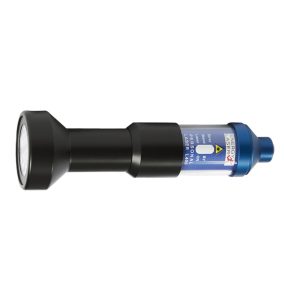


Personal-Laser L400 infrared soft-laser for point treatments. 400 mW continuous output, 808 nm laser beam. Delivers 4 Joules of energy in 10 seconds. Laser diode lifetime 10,000+ hours.
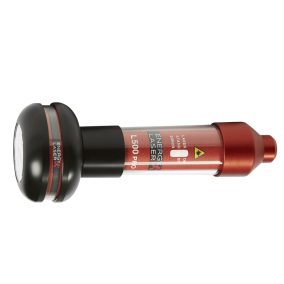


Energy-Laser L500 Pro infrared soft laser for point treatments. 500 mW continuous output, 808 nm laser beam. Delivers 5 Joules in 10 seconds. Laser diode lifetime 10,000+ hours.
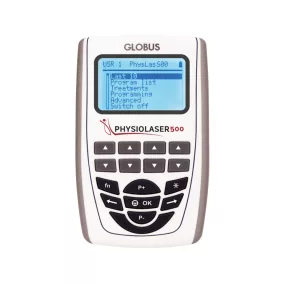


PhysioLaser 500 soft-laser device. 808 nm treatment head. 500 mW power. 9 programs for joint pain, back pain and tendonitis, 11 beauty programs for wrinkle treatment, skin rejuvenation and cellulite.
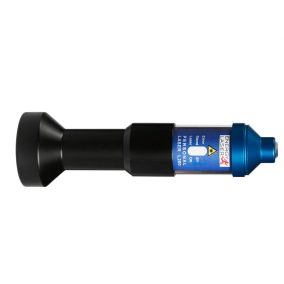
Do you have a non-healing wound, scar, skin problem or tinnitus? The Personal Laser L200 medical soft laser with a 660 nm red beam can help support the natural regeneration of skin and superficial tissues at home, pain-free. Class 3B, CE IIa certified medical device. 200 mW continuous power, 12 Joule/min energy output. Protective goggles and an aluminium carry case are included.
 How can the soft laser help with a scar?
Abnormal wound healing lies behind keloid formation: alongside disturbances in the local microcirculation and decreased cellular energy production, an abnormally large amount of collagen is produced. The soft laser (low-level laser light) penetrates into the deeper layers of the skin, where it supports local circulation and cellular function – thereby it may contribute to more regular wound healing and to reducing abnormal scarring.
 Prevention is the most important
Experience shows that the soft laser helps most on a fresh wound or scar – therefore it is worth starting treatment as soon as possible after acne, injury or a surgical incision, before a keloid forms. Surgically removed keloids recur at a high rate (50–60%), which is why every method that supports scar prevention is valuable.
 Which soft laser is suitable for scar treatment?
There are several soft lasers to choose from in the range, differing in power and wavelength. For scar treatment, the key is that the light delivers enough energy into the scar tissue – your choice should be guided by your intended use and the area to be treated.
660 nm (visible red) light reaches more superficial layers, while 808 nm (infrared) reaches deeper tissue layers. Both are relevant for scar treatment; for deeper, thicker scars the infrared wavelength may be advantageous. The device datasheets show which wavelengths each model operates at.
Higher power (mW) delivers the required treatment energy (Joule) in a shorter time. For keloid treatment it is typically recommended to deliver 5–8 Joules per point, treating the scar area in sections. Higher-power devices can achieve this faster, which is more convenient for larger scar areas.
The devices are CE/MDR-certified medical devices with varying laser classes. Higher-class (stronger) devices deliver more energy but require greater care and consistent use of protective eyewear. For home use it is especially important to follow the device manual exactly and protect the eyes. If you are uncertain about the appropriate power level, seek professional advice.
 How to use it on the scar?
Treat the scar area point by point, typically delivering 5–8 Joules per point, with the frequency recommended in the device manual. On fresh wounds the aim is early, regular treatment; the procedure is painless. Wearing protective eyewear is mandatory for every treatment. Set the exact protocol – energy level, frequency, duration – based on the device manual and the advice of the treating physician.
 What the soft laser can and cannot do
The soft laser can help support regular wound healing and the prevention of abnormal scarring as an adjunctive method. Its effect is more limited on already formed, old, thick keloids, and soft laser does not replace dermatological treatments (for example steroid injections, pressure therapy or other specialist methods). For new, rapidly growing, painful, itchy or discoloured scars, or if you are unsure whether a lesion is a keloid, see a dermatologist – some conditions require specialist assessment. Never point the laser beam at the eye, and always wear protective eyewear.
Frequently asked questions
Realistically: the soft laser primarily helps prevent abnormal scarring and treat fresh scars. Its effect on already formed, old keloids is more limited, and complete disappearance should not be expected. Discuss treatment options for an old, bothersome keloid with your dermatologist – the soft laser can complement these treatments but does not replace them.
The sooner, the better. If you are prone to keloids, start as soon as possible after a fresh wound, acne, surgical incision or injury – at the appropriate phase of wound healing and after medical consultation. Early treatment aims to keep scarring as regular as possible, before a keloid forms.
808 nm (infrared) penetrates deeper, so it may be advantageous for thicker, deeper scars; 660 nm (red) targets more superficial layers. Both are relevant for scar treatment. Consider scar depth and the area to be treated when choosing – if in doubt, seek professional advice.
No, soft laser treatment is painless – at most a mild warming sensation may accompany it. Safety is important: always wear the supplied protective eyewear during treatment, never look into the laser beam, and never point it towards the eye.
A keloid is scar tissue that exceeds the original wound size, is raised and often darker in colour. It should be distinguished from a hypertrophic scar and other skin lesions; a dermatologist can give a definitive diagnosis. If you are unsure, or the scar grows quickly, is painful or itchy, a specialist examination is the right first step.
Want to dive deeper into the topic?
We wrote a detailed, practical guide on soft laser treatment of keloid scars on our blog – covering treatment procedure, energy levels and experience: Keloid scar treatment with soft laser →

