In which professional situations is it a good choice?
The four outputs can be used as two channel pairs. One central unit can run two different protocols simultaneously.
This can increase treatment capacity, but does not automatically mean you can treat twice as many patients in every situation. Program durations, number of therapists, disinfection and professional supervision still determine workflow.
In 2+2 mode the 1–2 channel pair runs one program and the 3–4 channel pair runs another.
The device therefore does not operate four independent programs, but two independent channel pairs. Each pair requires its own treatment plan and documentation.
Among the 41 medical programs there are protocols for fractures, delayed union, pseudoarthrosis, bone edema, osteoporosis, prosthesis, osteotomy and spinal fusion.
There is a dedicated factory program for fractures with a cast. Do not automatically raise the intensity of other programs just because there is plaster or a bandage between the applicator and the body.
The Magnum 3500 Pro is compatible with the two‑channel Total Body 200 and 400, and the four‑channel Total Body 400 XP Memory Foam systems.
The ability to treat a large surface depends on the number of coil segments of the connected mat and channel requirements. Total Body mats are not included in the base package.
The Programming menu can store up to ten custom programs. Gauss, frequency, time and duty cycle can be set according to professional guidelines.
The manufacturer explicitly discourages unmonitored lay modifications of factory protocols.
With the Rental function the therapist can allow a preset program and number of sessions.
However, the 2025 manual excludes household use of the device. Therefore check legal and manufacturer compliance of the rental process before applying it in practice.
Is the Magnum 3500 Pro right for you?
Good choice if you are a physician or physiotherapist who wants to run two separate treatment protocols in parallel.
Particularly useful if you need to combine local applicators, a Soft 4 mat and later a Total Body system.
The four‑channel advantage is about capacity, not an 800 Gauss intensity focused on a single treatment area.
Not recommended if you are looking for a simple home self-treatment device. The 2025 manufacturer manual excludes household use.
For two‑channel clinic use the Magnum 3000 Pro may be a simpler and more economical system.
 What exactly does 2+2 mode mean?
The four channels split into two pairs: channels 1–2 run the first program and channels 3–4 run the second program.
With the 1–2 channel pair you can treat, for example, both knees, while the 3–4 channels treat the lumbar area at the same time.
The two channel pairs allow two different patients to use the device with different treatment programs.
The manufacturer lists parallel treatment of two separate patients as one of the main uses of the device.
Check contraindications, applicator placement, program and documentation separately for each patient. Parallel operation does not replace professional supervision for the two treatments.
The seven factory magnetic applicators
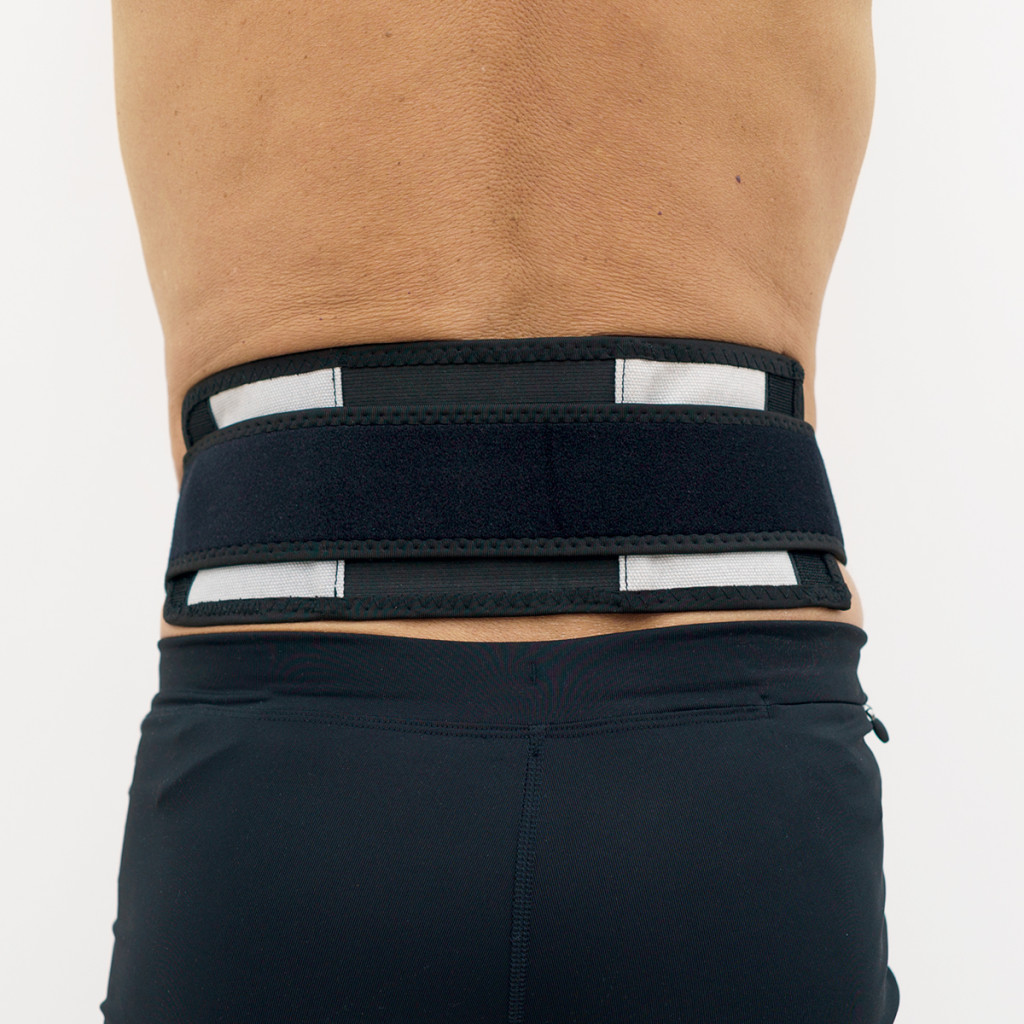
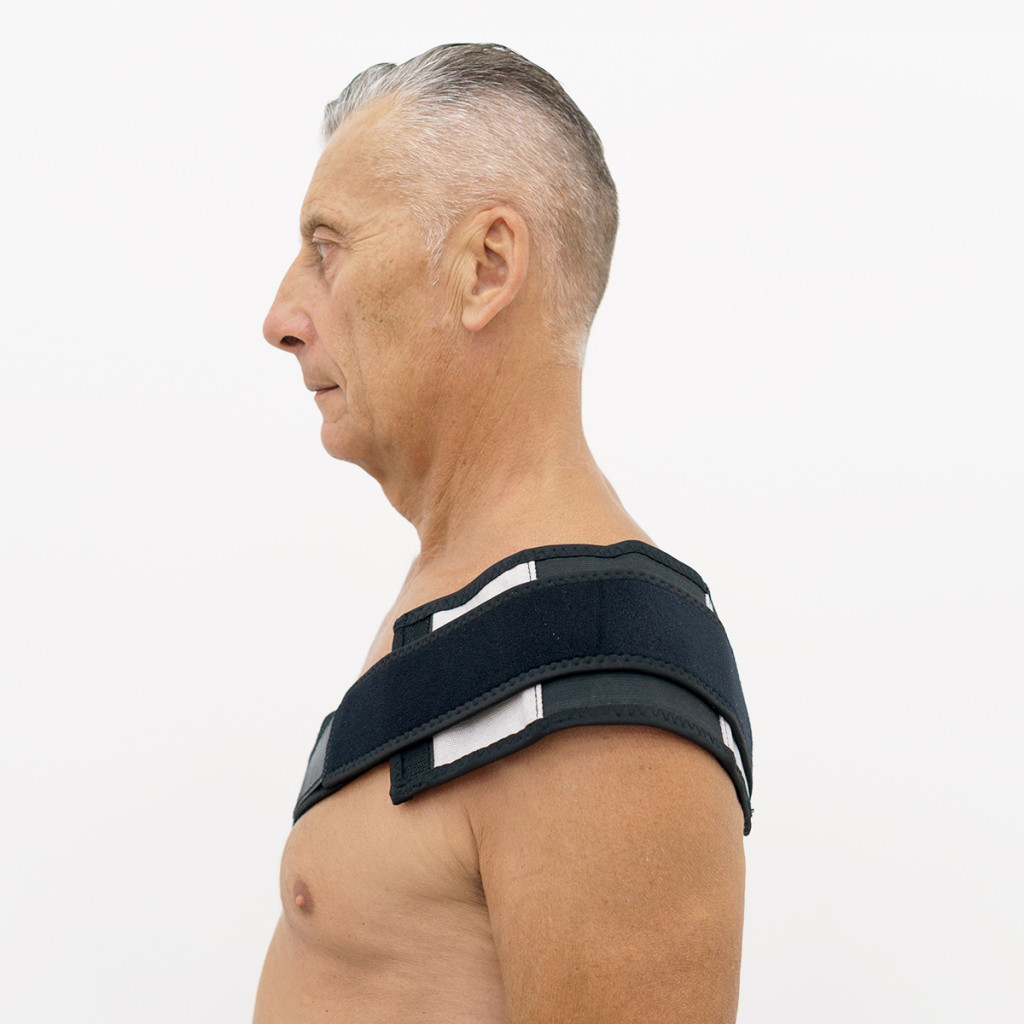
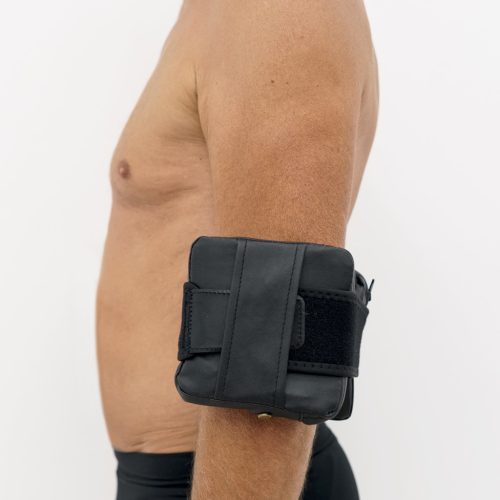
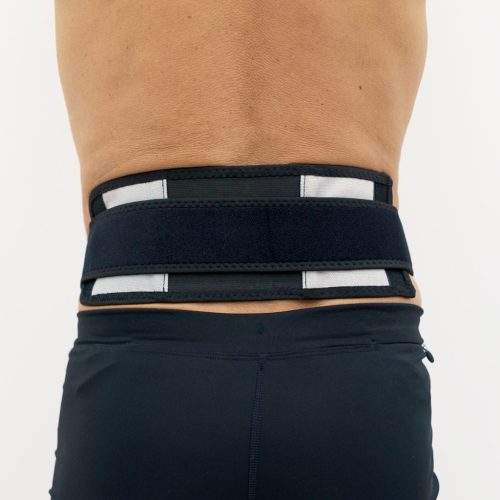
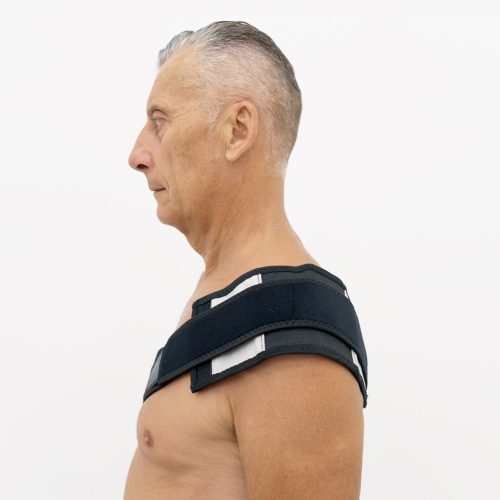
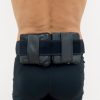
Each applicator contains two coils and can be wrapped around a joint or placed alongside a long bone.
Practical for knees, ankles, wrists, elbows, shoulders and smaller bone segments.
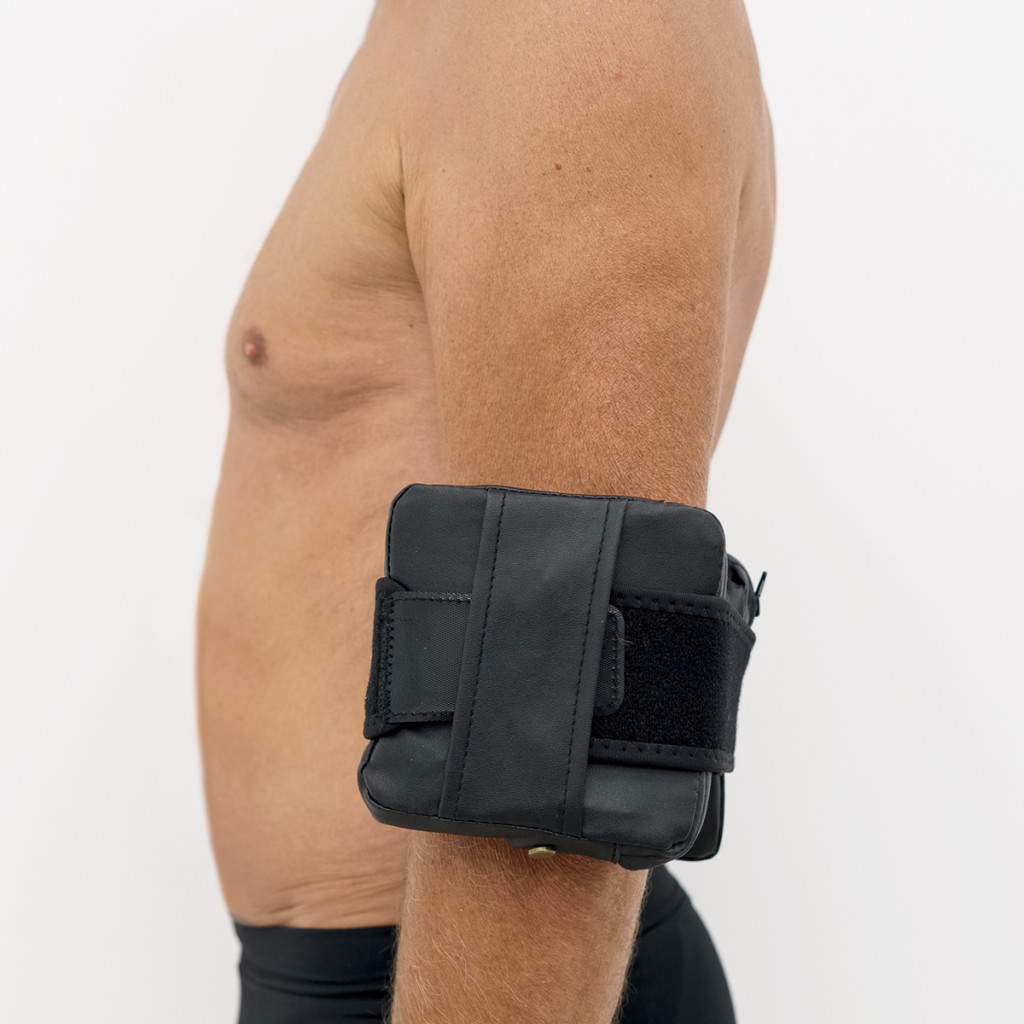
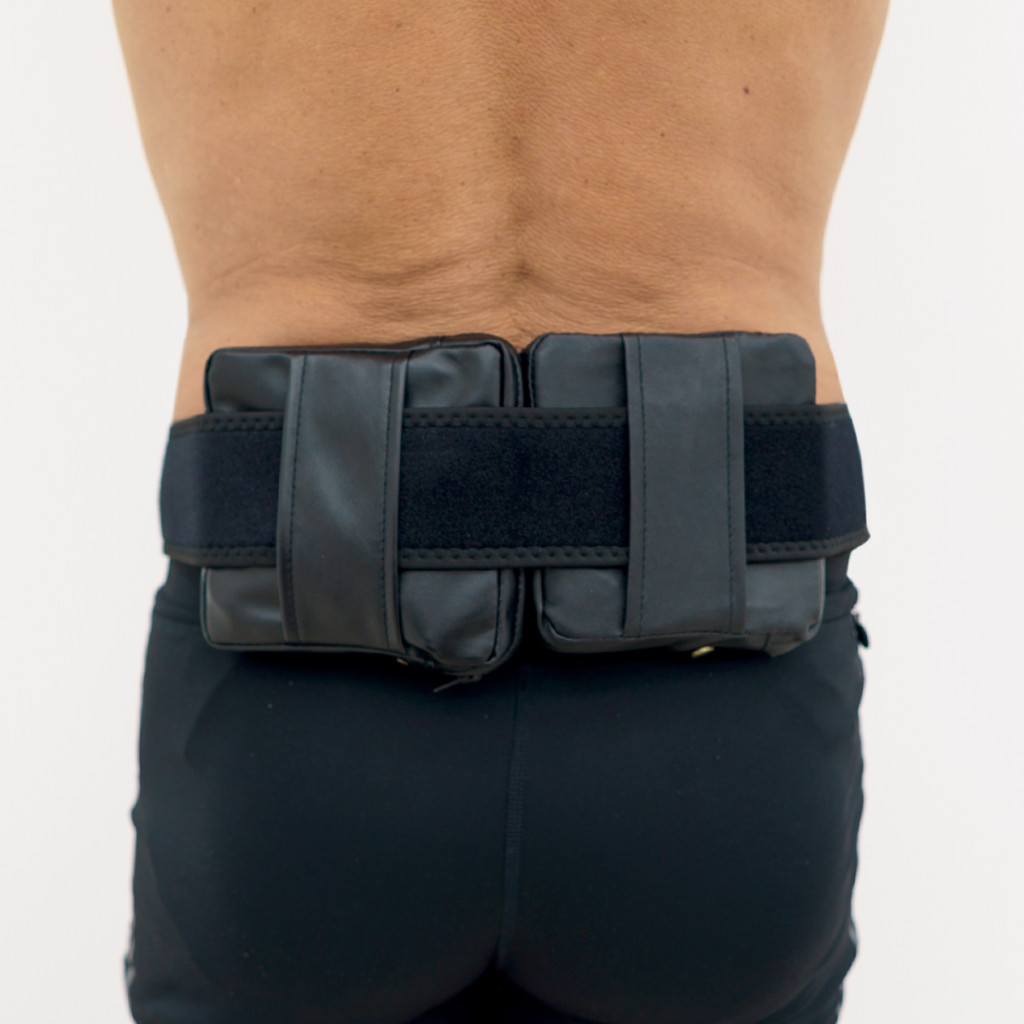
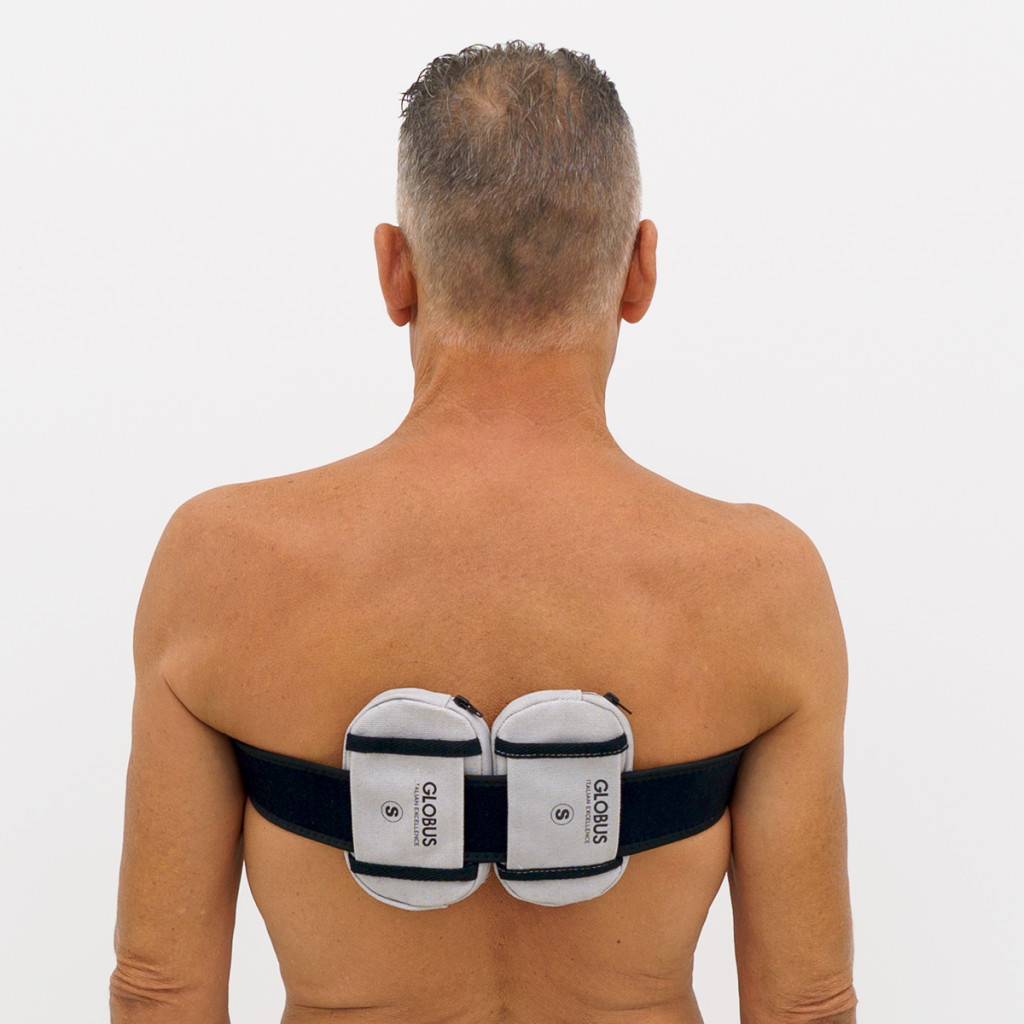
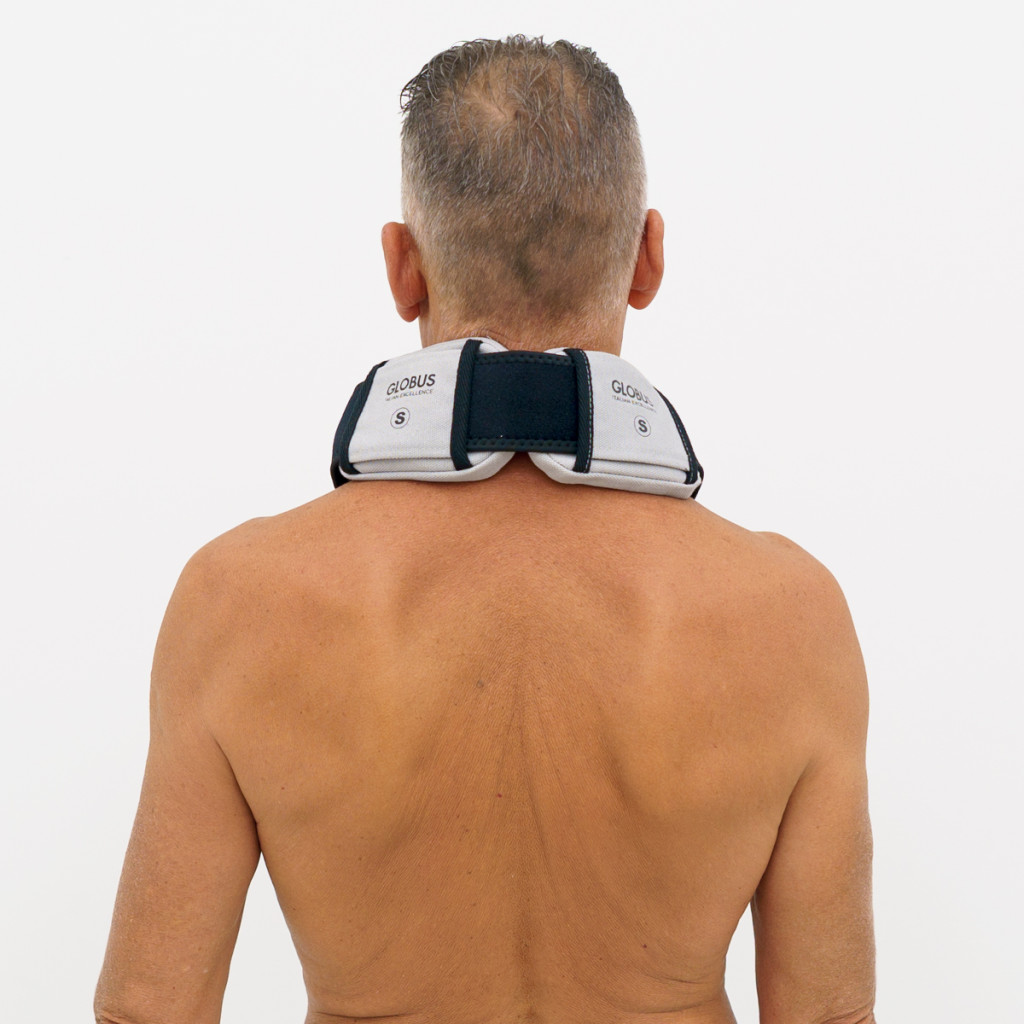
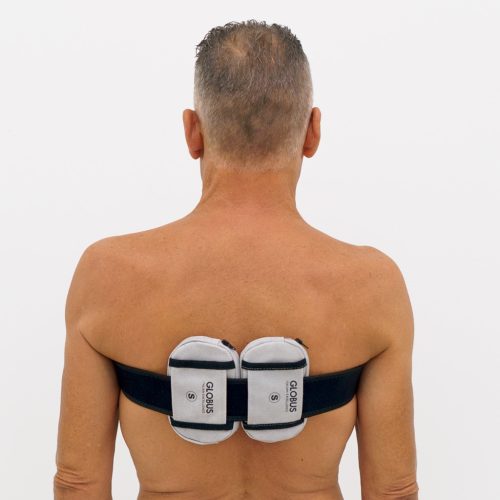
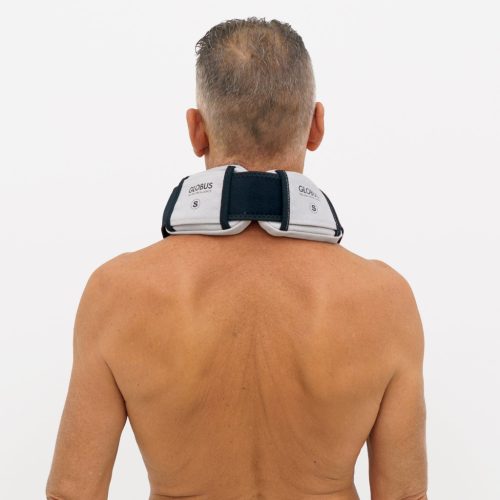
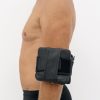
The Pocket Pro is a two-coil applicator in a soft zippered pouch. Use for small areas such as the wrist, ankle, elbow or neck.
The four Pocket Pro units allow direct, separate applicator use on all four channels.
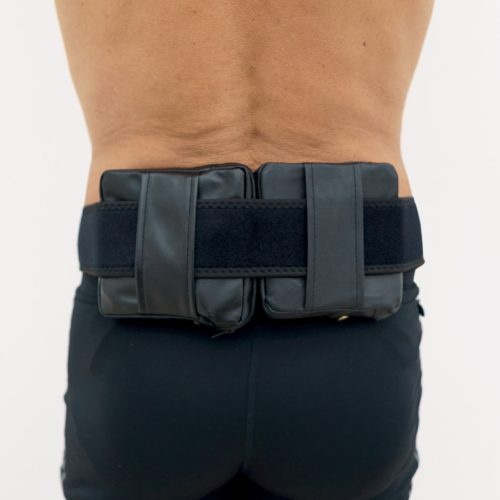
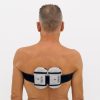
The two‑channel, four‑coil soft mat can be used for lumbar, hip, hand, foot and other larger local areas.
A single Soft 4 occupies two channels, so the remaining two channels can run a second program with two other applicators.
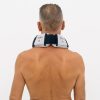
- Total Body 200: 8 active coils, 2 channels.
- Total Body 400: 16 active coils, 2 channels.
- Total Body 400 XP: 16 active coils, 4 channels.
Total Body mats are sold separately. The 400 XP uses the full four‑channel capacity and is compatible only with the Magnum 3500 Pro.
The Magnum 3500 Pro's 70 factory programs
The program library consists of 41 medical, 26 open frequency and 3 night programs. The program name identifies the manufacturer parameter set; it does not replace diagnosis or a personalised treatment plan.
| Factory program | Factory field intensity | Factory treatment time |
|---|---|---|
| Knee arthrosis Knee arthrosis |
25 G | 30 min, 3–4 sessions/week |
| Cervical arthrosis Cervical spine arthrosis |
25 G | 30 min, 3–4 sessions/week |
| Arthritis Joint inflammation |
20 G | 30 min, 3–4 sessions/week |
| Arthrosis General joint wear |
20 G | 30 min, 3–4 sessions/week |
| Hand arthrosis Hand small joint arthrosis |
40 G | 30 min, 3–4 sessions/week |
| Hip arthrosis Hip arthrosis |
20 G | 30 min, 3–4 sessions/week |
| Shoulder arthrosis Shoulder joint arthrosis |
20 G | 30 min, 3–4 sessions/week |
| Column arthrosis Spinal facet arthrosis |
20 G | 30 min, 3–4 sessions/week |
| Factory program | Factory field intensity | Factory treatment time |
|---|---|---|
| Algodystrophy – Sudeck disease Algodystrophy / Sudeck syndrome |
50 G | 4–6 h/day |
| Back pain Back and lumbar pain |
15 G | 20–45 min/day |
| Joint pain Joint pain (general) |
100 G | 15–40 min/day |
| Factory program | Factory field intensity | Factory treatment time |
|---|---|---|
| Anti-inflammatory General anti‑inflammatory program |
15 G | 6 h/day |
| Tendinitis Tendon complaint / tendinitis |
15 G | 1 h, twice daily |
| Epicondylitis Tennis elbow |
60 G | 30 min, 5×/week |
| Epitrochleitis Golfer's elbow |
60 G | 30 min, 5×/week |
| Carpal tunnel Carpal tunnel syndrome |
3–10 G | 30 min, twice daily |
| Shoulder tendinitis Peri‑shoulder tendon complaint |
15 G | 30 min, 3–4×/week |
| Factory program | Factory field intensity | Factory treatment time |
|---|---|---|
| After ACL surgery Post anterior cruciate ligament surgery |
15 G | 4 h/day |
| Cartilage lesion Cartilage injury |
15 G | 6 h/day |
| Knee prosthesis After knee replacement |
15 G | 4 h/day |
| Hip prosthesis After hip replacement |
50 G | at least 3 h/day |
| Spinal fusion After spinal fusion |
12 G | 8 h/day |
| Osteotomy After osteotomy |
18 G | 8 h/day |
| Factory program | Factory field intensity | Factory treatment time |
|---|---|---|
| Fractures General fracture program |
30 G | 8 h/day |
| Scaphoid fracture Scaphoid fracture |
30 G | 8–10 h/day |
| Wrist fracture Wrist fracture |
30 G | 8 h/day |
| Shoulder fracture Shoulder fracture |
30 G | 8 h/day |
| Collarbone fracture Clavicle fracture |
30 G | 8 h/day |
| Forearm fracture Forearm fracture |
30 G | 8 h/day |
| Pelvic fracture Pelvic fracture |
30 G | 8 h/day |
| Tibial fracture Tibial fracture |
30 G | 8 h/day |
| Femoral fracture Femoral fracture |
30 G | 8 h/day |
| Delayed fracture consolidation Delayed bone healing |
20 G | 3–8 h/day |
| Fracture with plaster Fracture with cast fixation |
60 G | 30 min/day |
| Osteonecrosis Osteonecrosis |
15 G | 8 h/day |
| Osteoporosis Osteoporosis |
50 G | 8–10 h/day |
| Pseudoarthrosis Pseudoarthrosis / non‑union |
25 G | 8–10 h/day, divided |
| Bone edemas Bone edema |
20 G | 8 h/day |
| Factory program | Factory field intensity | Factory treatment time |
|---|---|---|
| Ankle sprain Ankle sprain |
2–10 G | 30 min/day |
| Edemas – contusions Traumatic edema and bruise |
10 G | 10 min, 2–3×/day |
| Ulcers Adjunct wound therapy |
28 G | 3–4 h/day |
Open programs can be used for specific professional frequency prescriptions. Their factory default intensity is 30 Gauss.
| Program | Frequency |
|---|---|
| Multifrequency | Automatic frequency sweep 5–200 Hz |
| Prog 5 Hz | 5 Hz |
| Prog 10 Hz | 10 Hz |
| Prog 15 Hz | 15 Hz |
| Prog 20 Hz | 20 Hz |
| Prog 25 Hz | 25 Hz |
| Prog 30 Hz | 30 Hz |
| Prog 35 Hz | 35 Hz |
| Prog 40 Hz | 40 Hz |
| Prog 45 Hz | 45 Hz |
| Prog 50 Hz | 50 Hz |
| Prog 55 Hz | 55 Hz |
| Prog 60 Hz | 60 Hz |
| Prog 65 Hz | 65 Hz |
| Prog 70 Hz | 70 Hz |
| Prog 75 Hz | 75 Hz |
| Prog 80 Hz | 80 Hz |
| Prog 85 Hz | 85 Hz |
| Prog 90 Hz | 90 Hz |
| Prog 95 Hz | 95 Hz |
| Prog 100 Hz | 100 Hz |
| Prog 120 Hz | 120 Hz |
| Prog 140 Hz | 140 Hz |
| Prog 160 Hz | 160 Hz |
| Prog 180 Hz | 180 Hz |
| Prog 200 Hz | 200 Hz |
| Program | Factory default |
|---|---|
| Night 15 Hz | 15 Hz; 15 G factory default |
| Night 50 Hz | 50 Hz; 15 G factory default |
| Night 75 Hz | 75 Hz; 15 G factory default |
For overnight treatment secure the cables, applicators and central unit safely. The professional intended use and the manufacturer's exclusion of household use remain in force.
Custom programming: up to ten custom programs can be stored. Higher Gauss, frequency, duty cycle or longer time is not automatically more effective.
 How does the four‑channel PEMF system work?
The coils of the magnetic applicators create a time-varying magnetic field. The field can be applied through clothing, dressings and plaster.
Actual exposure is determined by field intensity, frequency, duty cycle, treatment time, number of coils, polarity, distance and placement together.
The manufacturer specifies an average of 200 Gauss per channel with a flexible applicator. The 800 Gauss figure is the device’s total capacity across four channels, not the field delivered to a single hip or spine.
The main advantage of the larger total capacity is operating multiple applicators simultaneously. It does not prove a specific centimetre-measured penetration depth or superior clinical outcome.
Frequently Asked Questions
No. In 2+2 mode two separate programs run: one on channels 1–2 and another on channels 3–4.
No. The manufacturer specifies about 200 Gauss per channel on average. The 800 Gauss is the total capacity of the four active channels.
The manufacturer specifically recommends the device for physicians and physiotherapists. Home users rarely can fully utilise the device’s capabilities.
Seven: two flexible applicators, four Pocket Pro applicators and one Soft 4 mat.
A two‑channel Total Body 200 or 400 uses two channels. A four‑channel device can in principle connect two such systems. The Total Body 400 XP, however, uses all four channels at once.
Mostly yes; rarely reported effects include drowsiness, restlessness, insomnia and nausea, especially with neck treatment.
With an optional battery it can run for a short time without mains power. For multi‑hour professional treatments the mains power supply is the default.
There is no universally valid guaranteed time window for all indications. Clinical response depends on diagnosis, protocol, applicator placement and concurrent basic treatment.
Professional use in five steps
1
Examine the patient
Clarify diagnosis, contraindications, implants, treatment goal and required applicator surface.
2
Plan channel allocation
Decide whether one program will use all four channels or two separate protocols will run in 2+2 mode.
3
Select and place applicators
Applicator size, number of coils and polarity must match the body region. Document exact placement.
4
Start a factory or documented custom protocol
Check both channel pairs' program, intensity, frequency, duty cycle and time.
5
Monitor and document the response
Record parameters, applicators, placement, patient reaction and conditions for the next follow-up.
What's in the package?
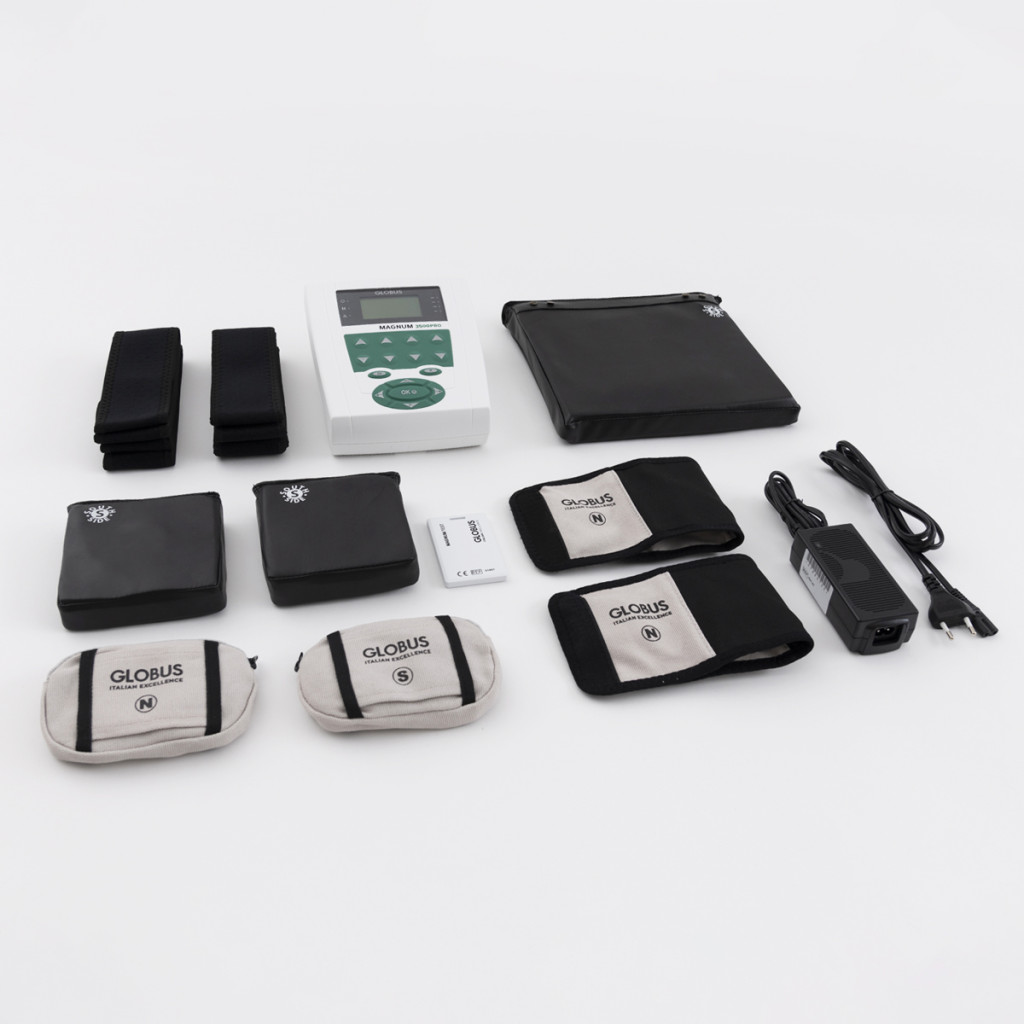
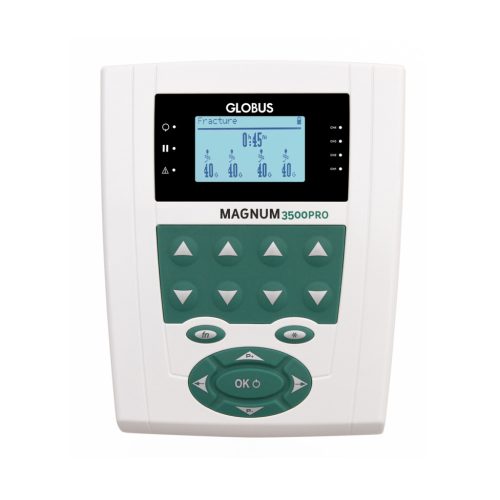
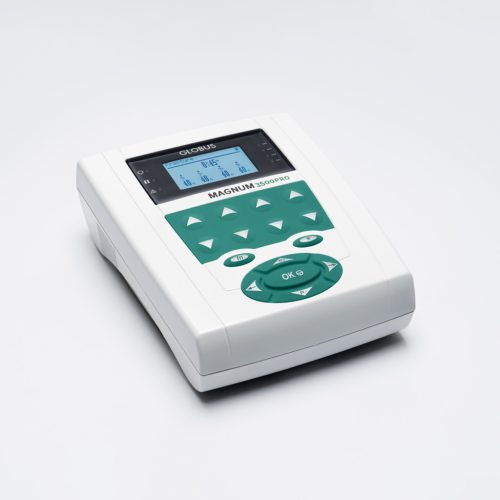
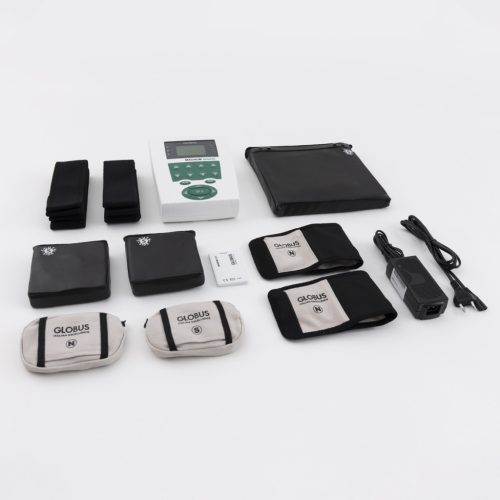
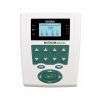
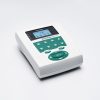
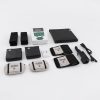
- 1 pc Magnum 3500 Pro central unit
- 2 pcs 30 × 10 cm flexible magnetic applicators
- 4 pcs 15.5 × 9.5 cm Pocket Pro applicators
- 1 pc 25 × 25 cm Soft 4 mat
- 2 pcs hook‑and‑loop fastening straps
- 1 pc Magnum Test
- 1 pc power supply
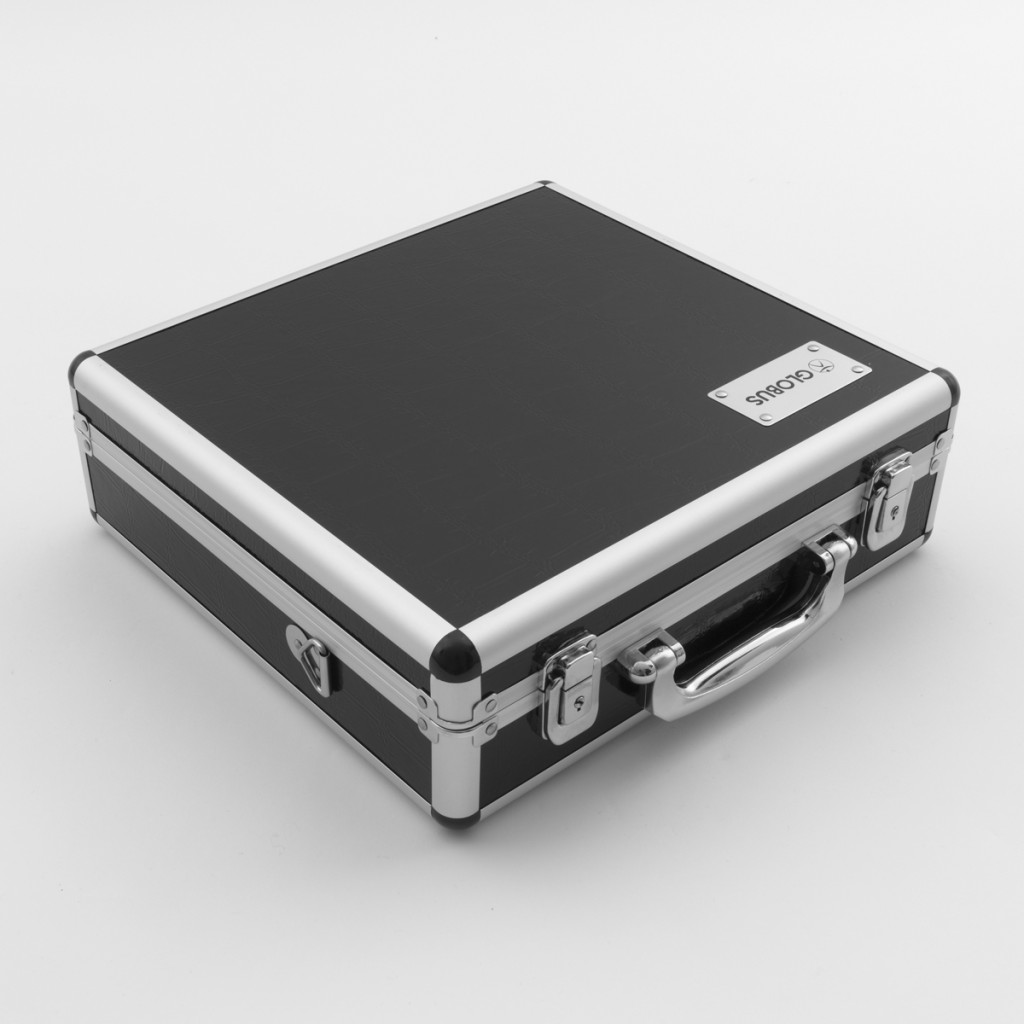
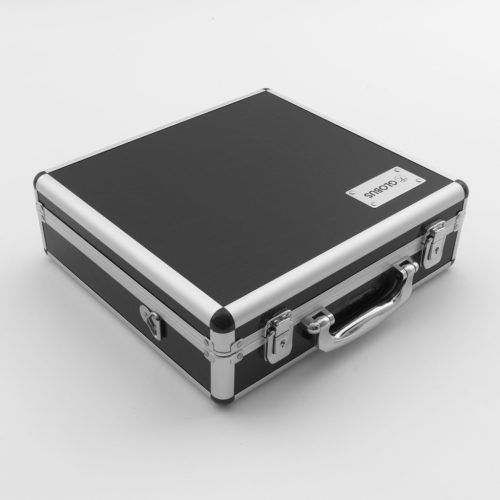
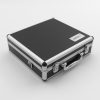
- 1 pc carrying case
- 1 pc user manual
Total Body mats and the Y‑cable are optional accessories. The Y‑cable shares one channel’s output between two identical applicators.
When is the four‑channel model justified?
Magnum 3500 Pro – four‑channel professional system for two parallel programs, ten custom program slots and seven applicators.
Magnum 3000 Pro – two‑channel professional system if you need at most two outputs simultaneously.
Magnum 2500 – positioned for home rehabilitation, programmable two‑channel model.
Magnum 2 Pro Drive – two‑channel system with built‑in battery for more mobile use.
Technical specifications
| Intended use | Professional musculoskeletal outpatient, physiotherapy and rehabilitation use; not for household use |
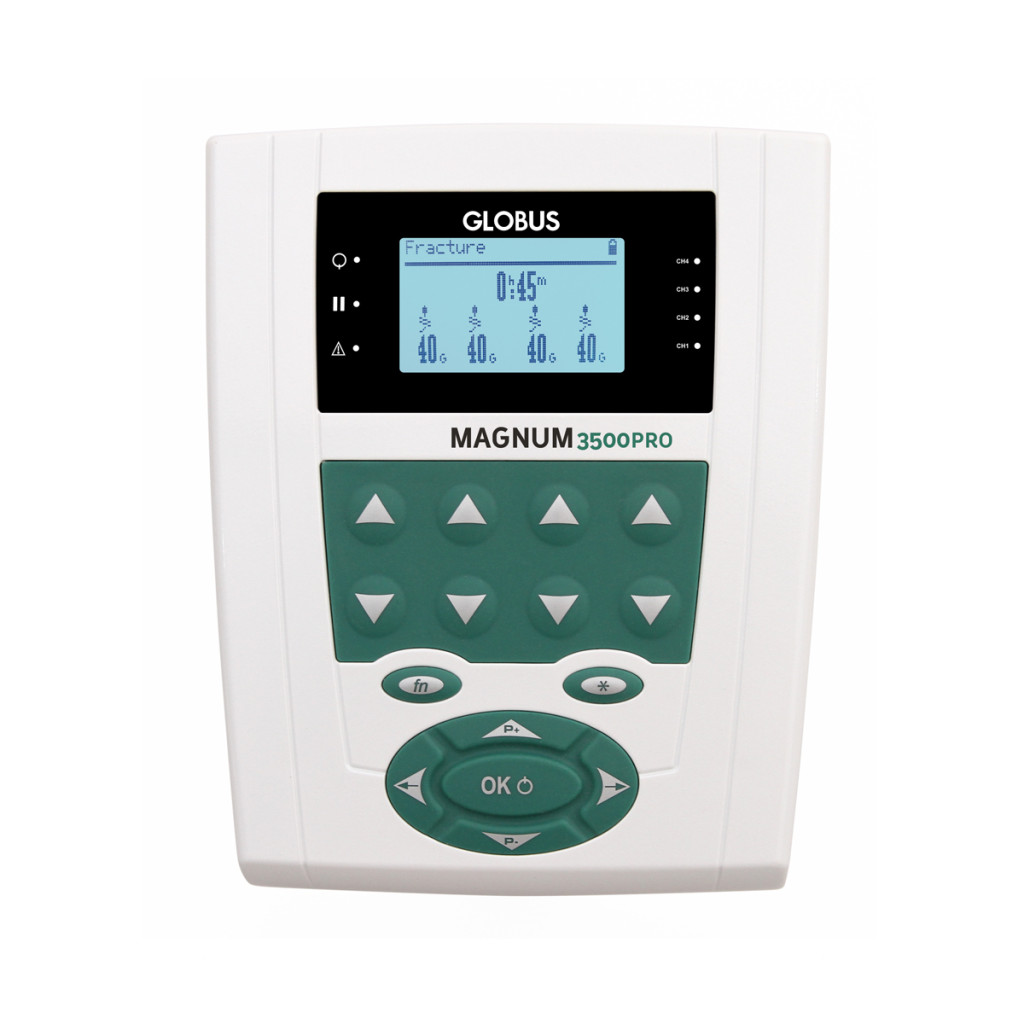
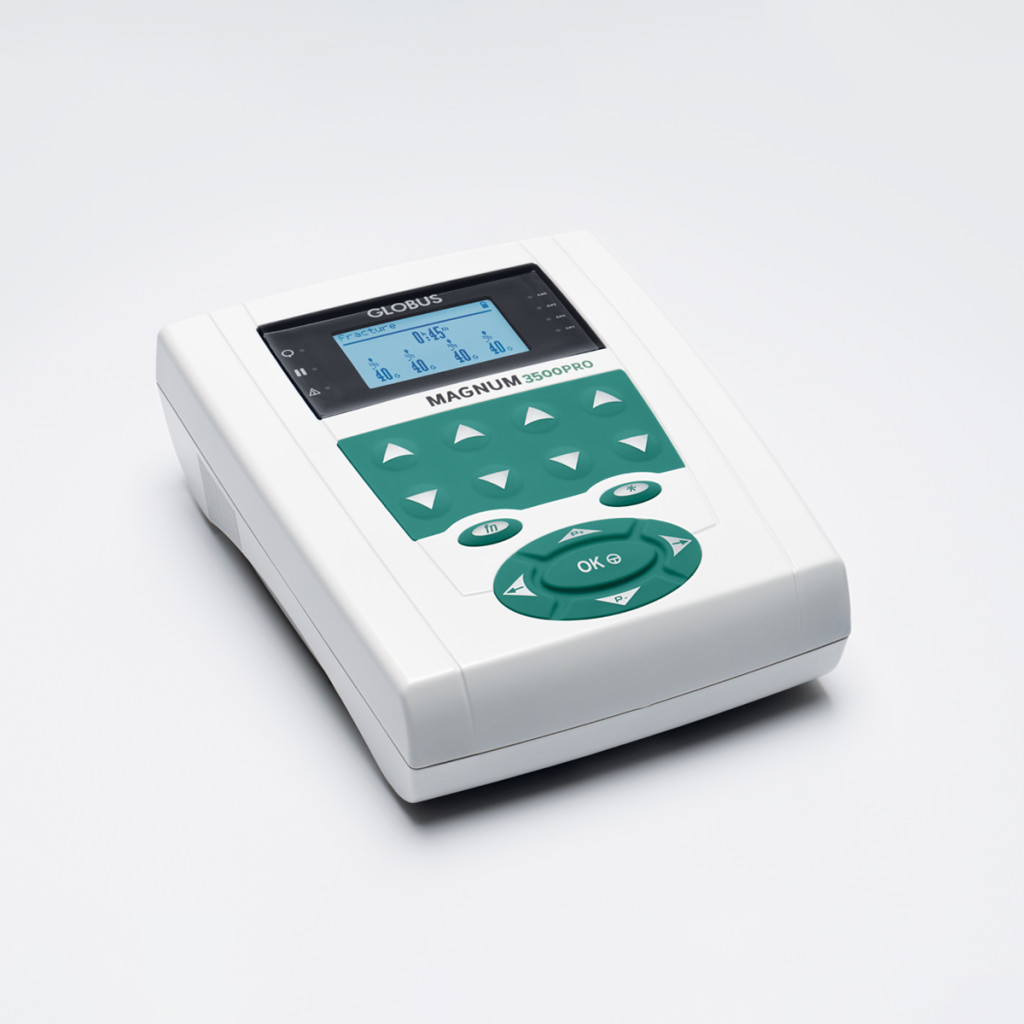
| Output channels | 4 channels |
| 2+2 function | Simultaneous running of two separate programs, two channels per program |
| Average field intensity | 200 Gauss per channel with flexible applicator; 800 Gauss total capacity across four channels |
| Frequency range | 5–200 Hz |
| Duty cycle | 5–50% |
| Medical programs | 41 |
| Open frequency programs | 26 |
| Night programs | 3 |
| Total factory programs | 70 |
| Custom program slots | Up to 10 |
| Special functions | Easy Program, Last 10, Multi-user, Rental |
| Maximum timer | 9 h 59 min |
| Power supply | Mains; optional rechargeable battery for short mains‑independent operation |
| Power supply input | 100–240 V~, 50–60 Hz, 1.5 A |
| Power supply output | 18 V DC, up to 3.33 A |
| Display | 2.6‑inch visible area |
| Dimensions | 170 × 220 × 60 mm |
| Weight | Approximately 1152 g according to the 2025 manual |
| Protection rating | IP20 + IP01 as indicated in the manufacturer's manual |
| Operating temperature | 0–35 °C |
| Storage temperature | −25–70 °C |
| Estimated service life | 5 years; manufacturer or authorised service safety check recommended every two years |
| Medical device classification | According to the 2025 manual CE 0476, Class II, MDD 93/42/EEC |
| Manufacturer code | G5434 |
 When not to use, or when medical consideration is required?
Absolute manufacturer contraindication: pacemaker or other permanent electrical stimulator.
- Pacemaker or other permanent electrical stimulator.
- Cardiac arrhythmia.
- Dermatitis or fungal infection at the treatment area.
- Bleeding disorders or tendency to bleed.
- Severe ischaemic condition.
- Especially heavy menstrual bleeding.
- Pregnancy.
- Electrical or acoustic prosthesis, or intrauterine device.
- Simultaneous TENS treatment or Holter monitoring.
- Ferromagnetic implant or magnetisable fixation material in the treatment area.
- Under 15 years of age.
- Direct treatment of the head, heart, ovaries and other sensitive organs.
- Feverish condition.
- Cancer – oncological consultation required.
- Severe blood pressure fluctuations.
- Tuberculosis.
The manufacturer lists rare side effects such as drowsiness, restlessness, insomnia and nausea. With neck treatment, avoid continuous sessions longer than 30 minutes if such symptoms occur.
 Important professional notes
The Magnum 3500 Pro is a professional adjunctive treatment medical device. It does not replace diagnosis, fracture or surgical follow-up, medication, physiotherapy or other necessary therapies.
The device should, according to the manufacturer, be used only by a physician or physiotherapist under strict professional supervision. Household use is not permitted.
The current MDR/MDD status of the manufacturer compliance documents must be checked before institutional procurement.
Scientific background
The evidence for PEMF varies by indication and protocol. The publications below examine the general clinical background of the method; they do not automatically validate every factory or custom program of the Magnum 3500 Pro.
- Yang X et al. (2020): Effects of Pulsed Electromagnetic Field Therapy on Pain, Stiffness, Physical Function, and Quality of Life in Patients With Osteoarthritis. PubMed
- Wu Z et al. (2018): Efficacy and safety of the pulsed electromagnetic field in osteoarthritis: a meta-analysis. PubMed
- Cianni L et al. (2024): Current Evidence Using Pulsed Electromagnetic Fields in Osteoarthritis: A Systematic Review. PubMed
- Peng L et al. (2020): Effectiveness of Pulsed Electromagnetic Fields on Bone Healing. PubMed
- Marcheggiani Muccioli GM et al. (2020): Pulsed electromagnetic fields in the treatment of bone marrow edema syndrome of the knee. PubMed