
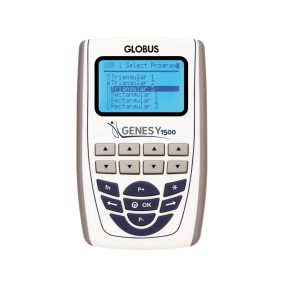


The Globus Genesy 1500 — one device for hundreds of complaints.
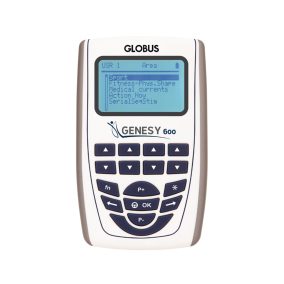


Genesy 600 multifunctional electrotherapy device. TENS / EMS / MCR-MENS / FES / iontophoresis / denervated. 4 channels, battery-powered.
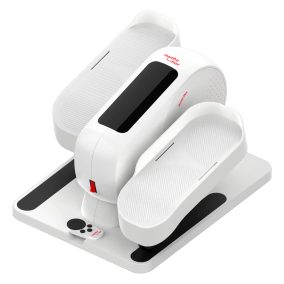


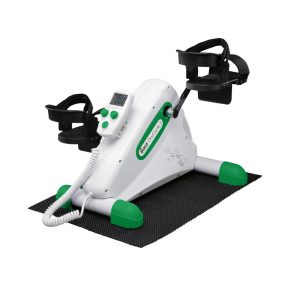
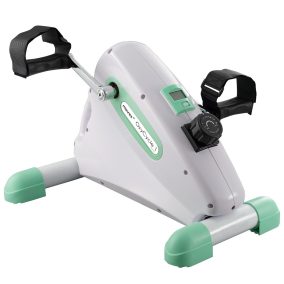
The Mambo Max ElliptiStep is a compact, seated elliptical trainer. Its electromagnetic drive makes it ideal for home, office or rehabilitation use.
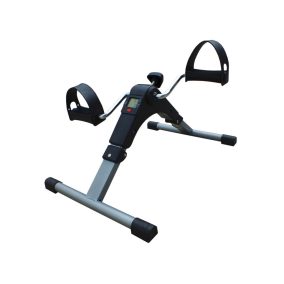




Peripheral arterial disease is a condition affecting the arteries that transport fresh, oxygen-rich blood from the heart to the tissues. Oxygen-rich blood cannot flow through narrowed, stiff-walled arteries to the organs and tissues. As a result, those tissues suffer from oxygen deprivation and gradually, but surely, become damaged.
The best way to prevent peripheral arterial disease is through a healthy diet and regular exercise. When the first symptoms of arterial narrowing appear, it’s still not too late. Changing your diet and thoroughly exercising your calf muscles—i.e., at least 40–50 minutes of walking, jogging, or cycling each day—is the best remedy.
You only need devices if, despite the warning symptoms, you haven’t changed your lifestyle and your condition has reached a stage where you literally can’t move even if you wanted to.
Advanced arterial narrowing simply won’t let you walk. Very little fresh blood reaches your leg muscles, and when you do walk, the muscles become oxygen-deprived, causing such severe calf pain that you cannot take another step. That’s why this condition used to be called “window shopper’s disease.” After a few hundred steps, you have to stop for a few minutes, during which, having no other option, you can only look around.
So, if you’ve let things get this far, the goal is to prevent tissue death and the gradual amputation of your foot. At that point, only technological devices remain.

