
 Sciatica – devices for pain relief and recovery
Sciatica (sciatic nerve inflammation, sciatic neuralgia) is often severe pain caused by pressure on the sciatic nerve. It may radiate from the lower back through the buttock and thigh all the way to the toes. The complaint often eases on its own within a few weeks, but severe pain can make it difficult to wait. Home physiotherapy devices may help to relieve pain, ease stiffness in the muscles alongside the spine and strengthen the muscles that support the spine – the key to lasting relief.
 The pain is lower down, but the solution is higher up
An important point that is often misunderstood: although sciatica radiates into the leg, the real cause is higher up, in the lumbar spine, where the nerve is compressed. This is why treatment should focus on the lower back – not the foot, where the pain radiates. This is the basis for choosing the right treatment approach. Below, we explain which device may help at each stage.
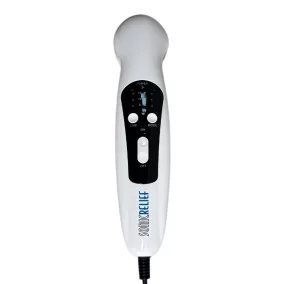


The SonicRelief device emits a 1 MHz therapeutic ultrasound beam used to treat musculoskeletal (tendon, ligament, muscle) inflammations, injuries and degenerative conditions.
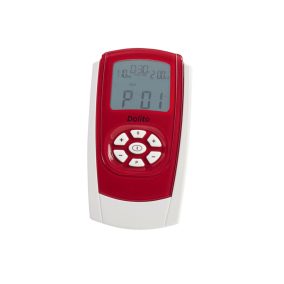
TENS device specialised for pain management
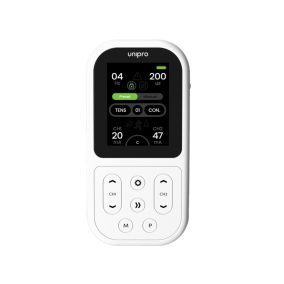
The UniPro is a two-channel, multifunctional electrotherapy device providing TENS, EMS, microcurrent and interferential (IF) treatments.
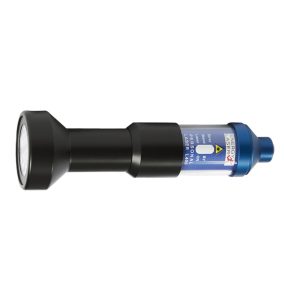


Personal-Laser L400 infrared soft-laser for point treatments. 400 mW continuous output, 808 nm laser beam. Delivers 4 Joules of energy in 10 seconds. Laser diode lifetime 10,000+ hours.
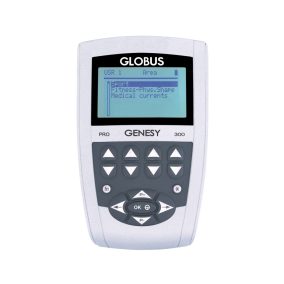


Genesy 300 Pro multifunctional electrotherapy device. TENS / EMS / MCR-MENS / FES / iontophoresis. 4 channels, battery-powered.
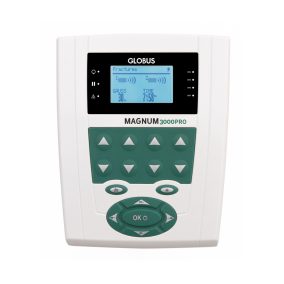


Magnetic therapy (PEMF) device. 2 channels / 400 Gauss total magnetic intensity. 70 programs

Easy-to-use 808 nm, 250 mW soft laser device. Simultaneous treatment area 4.5 cm2. 5 J/min per treatment point. Prism technology, safe to use without protective goggles.
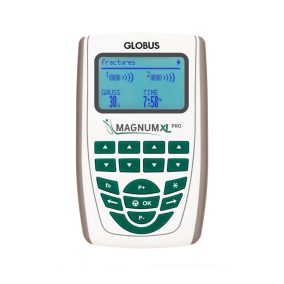


Pulsed electromagnetic field (PEMF) device. 2 channels / 400 Gauss total magnetic intensity. 46 programs. For home use.
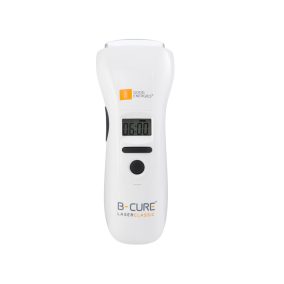


Easy-to-use 808 nm, 250 mW low-level laser device. Treats a 4.5 × 1 cm area at once. About 6 minutes per treatment point. Prism technology — safe to use without protective goggles when used as intended.
 The three stages of treatment – and which device to use
It is worth dividing home treatment for sciatica into stages: first we relieve the pain, then ease stiffness in the muscles alongside the spine, and finally strengthen the muscles that support the spine. The best results often come from combining several methods – they reinforce each other. Let us look at which device may help at each stage.
Because of the severe pain, this is the first task. TENS (for example Dolito, which is designed for pain management) relieves pain without medication. Microcurrent (MENS) provides stronger pain relief and may also help reduce swelling. Soft laser and therapeutic ultrasound (SonicRelief) work by easing inflammation and oedema around the nerve root – the main source of the pain. The effect of pain-relieving treatments may appear during treatment or after a few sessions. Important: place the electrodes on the lower back (at the source of the pain), not where the pain radiates.
Sciatica is often accompanied by spasmodic tension in the muscles alongside the spine, which can make the symptoms worse. Muscle stimulation programmes for muscle relaxation and improved circulation, together with therapeutic ultrasound (which warms and relaxes the muscles), may ease this stiffness. Multifunctional devices (Genesy 300 Pro, UniPro) include these programmes. This stage leads from pain relief towards treatment of the underlying cause.
This is the most important step for lasting relief. Sciatica is often caused by weak spinal support muscles: if the muscles do not hold the vertebrae in place, they move closer together and press on the nerve. Strengthening the muscles that support the spine – with muscle stimulation (Genesy series) and active therapeutic exercise (Moves Band resistance band, Mambo seat cushion that activates the deep muscles) – helps prevent recurrence. This stage takes several weeks and requires perseverance – like training at the gym, you will not become “fit” after a single session.
 Pain relief is quick; muscle strengthening is slow
It is important to have realistic expectations: pain-relieving treatments (TENS, microcurrent, ultrasound, soft laser) may take effect quickly, within a few sessions, whereas strengthening the muscles requires persistent work over several weeks. Both are needed for lasting results – and after recovery, regular spinal exercises help maintain the condition. It is worth developing an exact treatment plan with the help of a physiotherapist, movement therapist or physical therapist.
 Important information
If you have not had sciatica before, see a doctor first so that the cause can be identified and the severity of the condition assessed – sciatica may be caused by a herniated disc, spinal canal stenosis or another condition. The devices presented here complement conservative treatment and therapeutic exercise. They do not replace a medical examination and will not improve every case on their own – but when used together and consistently, they may help. Urgent medical attention is needed if severe or worsening leg weakness, paralysis or problems with urination or bowel movements occur – these may indicate serious nerve damage. Electrotherapy, ultrasound and soft laser devices also have contraindications (for example, a pacemaker, pregnancy, a tumour in the treated area or fever).
 Detailed guide and electrode positions
In a detailed article, Dr. Zsolt Zátrok presents a multi-pronged approach to home treatment for sciatica – from symptoms and causes to specific treatment strategies and electrode placement: Sciatica (sciatic neuralgia): symptoms and treatment →
Frequently asked questions
This is the most common mistake: because the pain radiates into the leg, many people place the electrodes there (on the thigh, knee or lower leg). However, the real cause of sciatica is higher up, in the lumbar spine, where the nerve is compressed – so pain relief should focus on the lower back. You will find precise electrode placement with an illustration in our detailed article. Correct placement makes a significant difference to the treatment result.
Because of the pain, start with pain relief: TENS (Dolito) or the TENS/microcurrent programmes of multifunctional devices (Genesy 300 Pro, UniPro), or therapeutic ultrasound (SonicRelief), which may help ease inflammation. As the pain improves, the focus shifts to muscle relaxation and then strengthening the muscles that support the spine – the latter is the key to lasting relief. One multifunctional device may cover all three stages. It is worth discussing the order with a physiotherapist.
Because pain relief eases the symptom but does not address the underlying cause. If you only relieve the pain, sciatica is likely to return. Lasting relief comes from strengthening the muscles that support the spine, which helps prevent the vertebrae from pressing on the nerve. This is why it is important to complete the muscle-strengthening stage after the pain improves – consistently, over several weeks.
The effect of pain-relieving treatments is quick and may appear during treatment or after a few sessions. Strengthening the muscles, however, requires persistent work over several weeks, just like training. The symptoms often ease within a few weeks, but preventing recurrence requires strengthening the muscles that support the spine and exercising regularly. Patience and consistency are essential here.
If sciatica occurs for the first time, see a doctor for an examination. Urgent care is needed if severe or worsening leg weakness or paralysis occurs, or if problems with urination or bowel movements develop – these may indicate serious nerve damage. You should also see a doctor if the symptoms do not improve despite treatment or become increasingly severe. In the case of recurring, known sciatica, home treatment may be started sooner.

