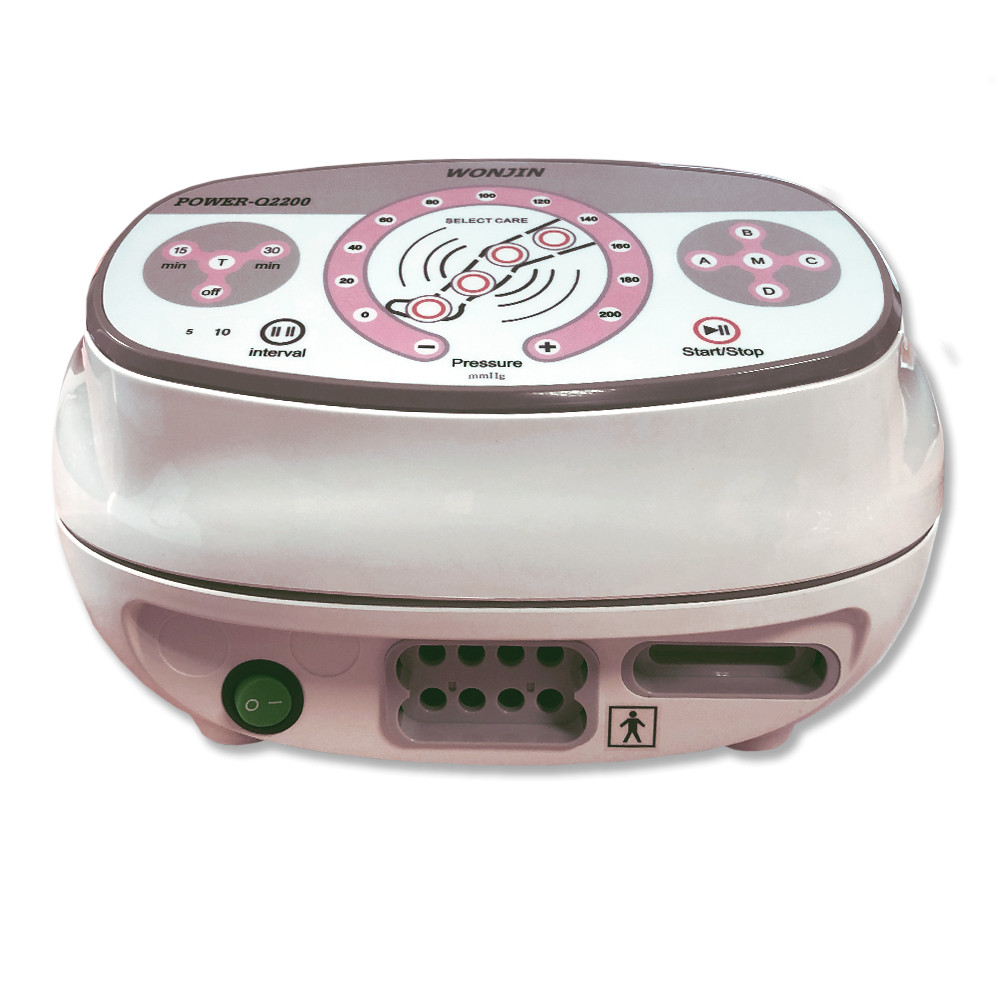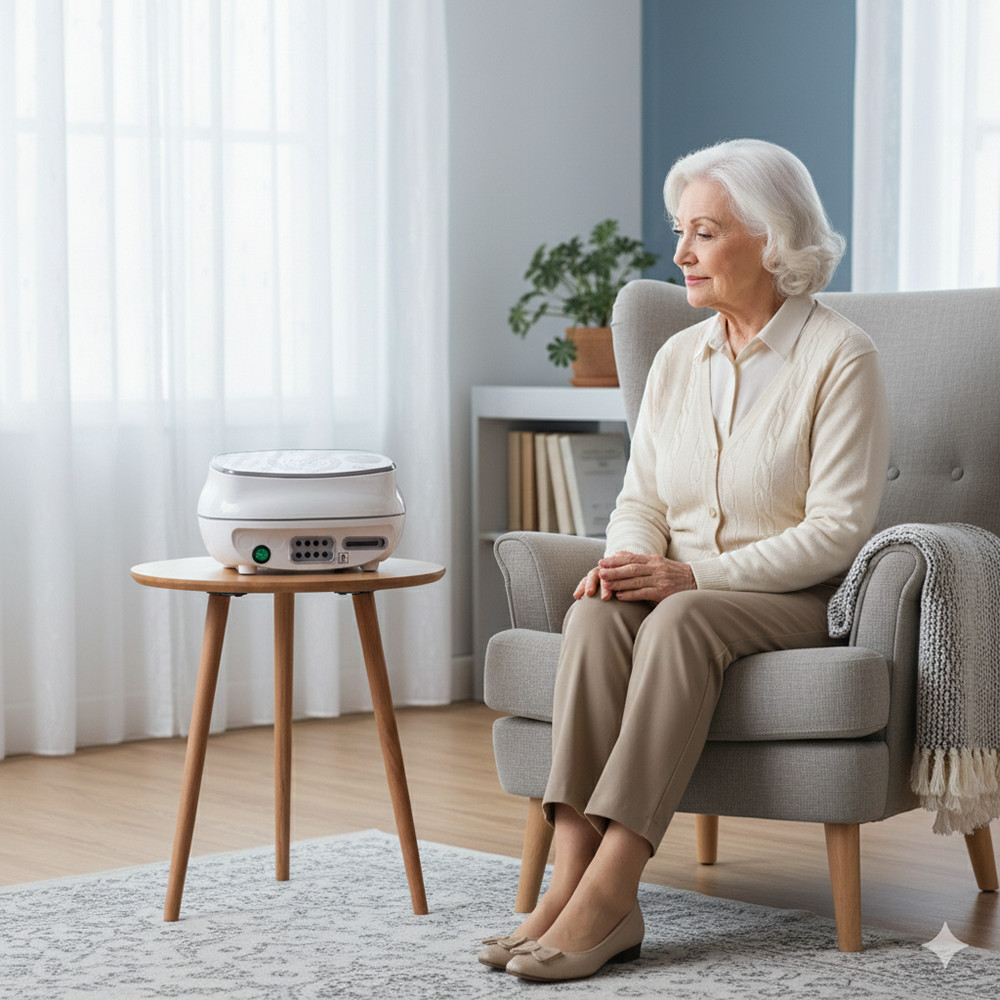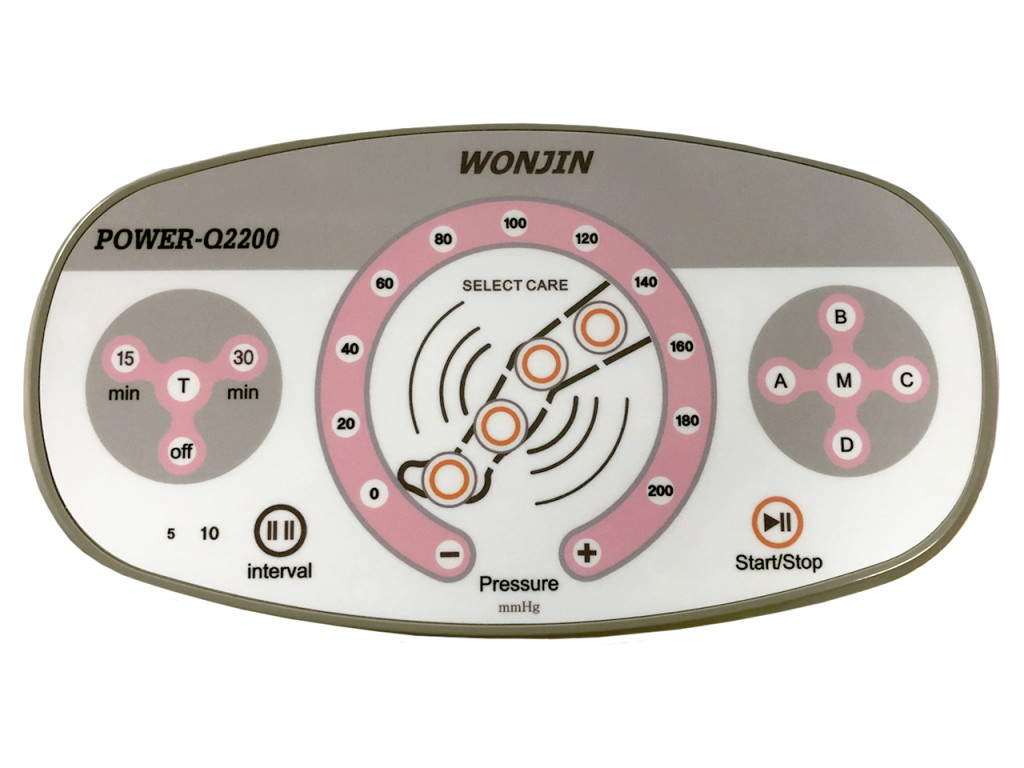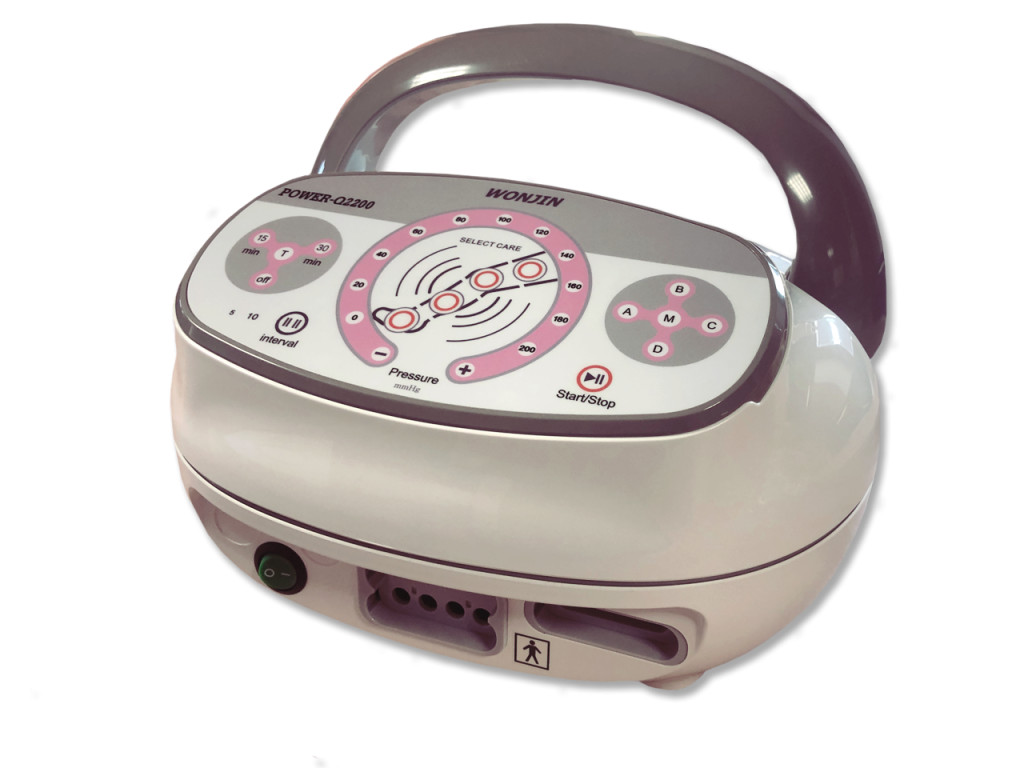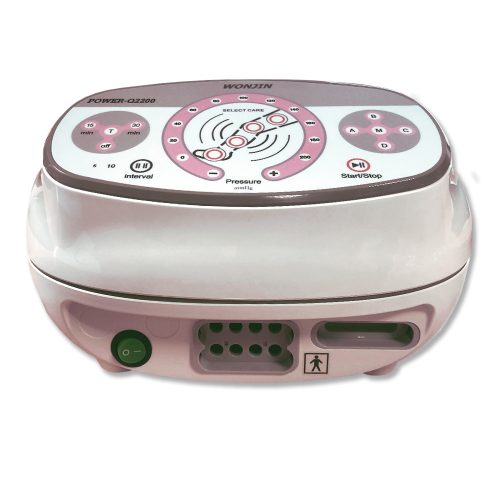
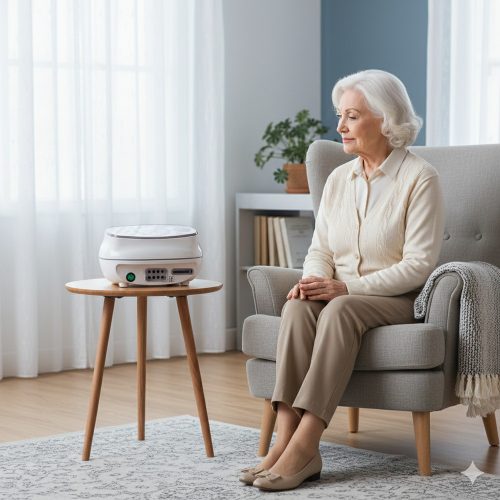
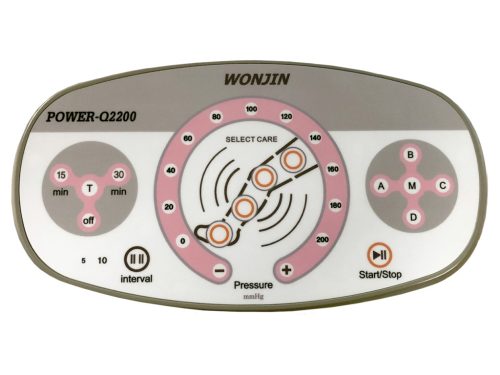
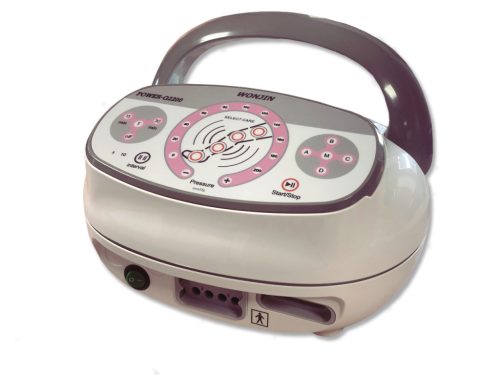
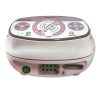

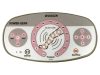
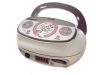
Who is the Power Q-2200 recommended for?
If you have just been diagnosed with lymphoedema or decided to begin an important home treatment routine, this device can be a good choice. With multiple programs it’s ideal for daily 30–60 minute maintenance IPC. Detailed clinical background is available in the Lymphoedema – forms and causes guide.
For lipedema, the proven home routine is compression garment + daily machine compression (mechanical lymphatic massage) + exercise. Recent research shows regular home pneumatic compression can reduce leg volume and improve quality of life. The Power Q-2200 is a suitable entry device for home maintenance therapy. Details in the Lipedema (fat edema) symptoms and treatment guide.
The Power Q-2200 is an ideal option for post-breast-cancer arm lymphoedema. Detailed BCRL clinical background is in the Radiotherapy and lymphoedema article.
Runners, cyclists and gym-goers may benefit from a 15–30 minute post-workout or competition session at higher pressures (60–100 mmHg) to help relieve DOMS (delayed onset muscle soreness). The detailed sports protocol is in the Compression therapy for athletes guide.
For cosmetic use, the Power Q-2200 is a reliable basic device. Not a top-tier salon machine, but in smaller-volume salons it covers most clients’ contouring and relaxation needs. Simple operation and attractive price make it appealing for small business cosmeticians.
For varicose disease, post-thrombotic syndrome and heavy-leg sensation, combining home IPC with compression stockings can relieve symptoms. Details in the Varicose disease: causes, symptoms and treatment guide.
What does the Power Q-2200 4-chamber IPC affect?
The 4-chamber technology is the best-researched and most widely used pneumatic compression form clinically. The treatment mechanism is simple yet effective: the chambers inflate and deflate sequentially from distal to proximal while "smoothing" interstitial fluid toward open lymphatic pathways. Using the Power Q-2200 may contribute to:
- mobilizing protein-rich interstitial fluid in lymphoedema,
- supporting venous return in varicose complaints,
- stimulating microcirculation at the muscle and capillary level in sports recovery,
- relieving fatigue and heavy-leg sensation at the end of the day,
- complementing the effect of compression garments in maintenance therapy.
For details on differences between chamber configurations (4, 6, 12) read the Lymphatic massage device – purpose and selection guide, and for a comparison of manual and mechanical lymphatic drainage see the Lymphatic drainage – manual and mechanical guide.
Frequently asked questions
Both devices are 4-chamber home IPC units and are based on the classic basic protocol. The difference is in the number of treatment programs. The Power Q-2200 provides four inflation patterns, while the Power Q-1000 Plus offers only one. The Power Q-2200 is controlled by push buttons including program selection, whereas the Power Q-1000 Plus is extremely simple with rotary knobs: one knob adjusts pressure and another adjusts treatment time (no other settings).
It depends on the indication. For lymphoedema typically 30–50 mmHg, for lipedema 30–60 mmHg, for sports recovery 60–100 mmHg, and for pregnancy-related varicose veins 15–30 mmHg. Always agree on exact settings with your treating physician or lymphedema therapist. Start at lower pressure for initial sessions.
Most clinical studies used treatments 4–7 times weekly, each lasting 30–60 minutes. Long-term maintenance use is most helpful when daily compression garment wear and regular exercise are also part of the routine. For sports recovery, 15–30 minutes after training or on competition day is common.
For stage 3 lipedema, devices with finer sequential patterns provided by 6- or 12-chamber units (Power Q-8060, 8120) generally yield better results, so choose those if your budget allows. The Q-2200 is optimal mostly for stage 1–2. Consult your treating physician for precise clinical decisions. Details in the Lipedema (fat edema) symptoms and treatment guide.
No. Pneumatic compression is one component of complex treatment – it complements compression stockings and manual lymphatic drainage, it does not replace them. The most effective approach is always a combination: daily compression stocking + daily mechanical IPC + weekly or monthly professional treatment. Details in the Lymphatic drainage guide.
NO. In cases of acute skin infection (erysipelas, cellulitis) or suspected deep vein thrombosis, treatment must be suspended and you should seek immediate medical attention. After completion of antibiotic treatment or exclusion of thrombosis, use may be restarted with treating physician approval.
How your device is configured – in 3 steps
Important before ordering: the base price covers the control unit. You will need at least one treatment cuff, which you can add in the selector next to/underneath on mobile – this way everything you need arrives in one package and shipment so you can start treatment on day one.
1
Choose the treated area
Leg (the most common choice), arm (e.g. for post-breast-surgery arm swelling) or trunk (thigh-hip-lower abdomen region). If unsure, the questions below can help.
2
Measure limb circumference
For the leg measure at the ankle, calf, knee and mid-thigh; for the arm at the wrist, forearm and upper arm. A soft tape measure and 2 minutes are enough – the exact size chart is below.
3
Select the size in the selector above
Choose M, L or XL based on your measurements. If you are between sizes, pick the larger one – the cuff should fit comfortably and without gaps.
| Size | Leg | Arm | Trunk | Shorts |
| M | 36-48-56-64 | 37-42-50 | 115 | 37-42-50 |
| L | 48-58-68-78 | 48-54-61 | 130 | 48-54-61 |
| XL | 64-66-72-84 | - | - | 70-114-108 |
The numbers in the table represent circumference measurements of the body part in centimetres.
Where to measure?
- Leg: ankle / calf / knee / mid-thigh
- Arm: wrist / forearm / upper arm
- Trunk: hip / abdomen
- Shorts: upper thigh / buttock-hip / abdomen.
Compare your measurements with the table to select the correct size.
Not sure about the size? Call our team on working days 8:00–14:00 at +36-53/200108 – we’ll help you choose the right cuff in minutes.
Direct options to reduce lymphoedema
In the film I demonstrate which direct treatment methods are available at home for lymphoedema: compression garment, mechanical lymphatic massage, self-massage. A practical guide for both beginner and advanced users.
- Elements of complete decongestive therapy (CDT)
- 4-chamber IPC home protocol
- Combining compression garment + IPC
- When to use which treatment
How to use the Power Q-2200?
1
Apply the cuff
Place the 4-chamber leg, arm or trunk cuff on the treated limb. The cuff should fit snugly but not tightly.
2
Connect to the control unit
The air hose connects between the cuff and the control unit. For two-limb treatment, using the splitter allows activation of up to 12 channels at once.
3
Set pressure and treatment time
Typically 30–50 mmHg for lymphoedema, 30–60 minutes. For sports recovery use higher pressure (60–100 mmHg), shorter duration (15–30 minutes). Start at lower pressure for initial sessions.
4
Start the treatment
The 4 chambers inflate and deflate sequentially from distal to proximal, "smoothing" fluid along the limb. Perform sitting or lying down comfortably, with the limb slightly elevated.
5
Wear compression garment after treatment
To stabilize volume, put on the compression stocking/arm sleeve immediately after treatment. This ensures the durability of the IPC result.
What's in the package?
The Power Q-2200 basic package includes:
- 1 pc Power Q-2200 control unit
Attention! Treatment cuffs and air hoses are sold separately and are not included in the base price.
The inner surfaces of cuffs can be regularly wiped with a damp cloth and disinfectant weekly. The control unit should only be cleaned with a dry cloth. Keep air hoses free of twists and avoid sharp folds during storage.
Several types of 4-chamber cuffs are available for the Power Q-2200: arm cuff, trunk cuff, leg cuff, protective stocking and replacement air hoses. The full list is in the Lymphatic massage accessories category.
Technical specifications
| Model | Power Q-2200 |
| Number of chambers | 4 |
| Number of channels (max.) | 12 |
| Pressure range | 20–250 mmHg |
| Programs | Factory preset programs, manual adjustment |
| Treatment time | 5–60 minutes, adjustable |
| Compatible cuffs | 4-chamber leg, arm, trunk cuffs |
| Power supply | 220V/50Hz |
| CE / MDR compliance | CE medical device, registered according to MDR |
 When NOT to use the device?
- Acute deep vein thrombosis or suspected DVT – treatment only with medical approval
- Severe heart failure – increased venous return may cause decompensation
- Active skin infection (erysipelas, cellulitis) in the treated area
- Severe peripheral arterial disease – individual assessment and low pressure indicated
- Untreated high blood pressure – after stabilization, with medical indication
- Active malignancy in the treated region – only with oncologist approval
- Immediate postoperative period – not recommended until wound healing
- First trimester of pregnancy and complicated pregnancy – only after obstetric consultation
Not sure? Consult your treating physician before use!
 Important information
The Power Q-2200 compression therapy unit is CE certified as a medical device under the European MDR (Medical Device Regulation). Its use is intended to complement medical and physiotherapy treatment, not replace them. In case of new symptoms, increasing swelling, pain or skin changes, consult your treating physician.
The information provided here is for guidance only. Determining the exact treatment protocol is the responsibility of your treating physician or lymphedema therapist.
Scientific sources
The clinical effectiveness of 4-chamber IPC is supported by the following randomized studies:
- Su L, Huang H, Tong Y, and colleagues (2025). Intermittent pneumatic compression devices for the prevention and treatment of breast cancer-related lymphedema – a systematic review and meta-analysis. Supportive Care in Cancer. PubMed
- Atan T, Bahar-Özdemir Y (2021). The Effects of Complete Decongestive Therapy or Intermittent Pneumatic Compression Therapy or Exercise Only in the Treatment of Severe Lipedema. Lymphatic Research and Biology. PubMed
- Wright T, Scarfino CD, O'Malley EM (2023). Effect of pneumatic compression device and stocking use on symptoms and quality of life in women with lipedema. Phlebology. PubMed
- Kulchitskaya DB, Fesyun AD, Konchugova TV, Apkhanova TV (2024). Influence of intermittent pneumatic compression on microvasculature condition in lymphedema. Voprosy Kurortologii, Fizioterapii, i Lechebnoi Fizicheskoi Kultury. PubMed
 Lymphatic massage device – multi-indication hub and product overview →
 Lymphatic massage device – purpose and how to choose? →
 Lipedema (fat edema) symptoms and treatment →
 Varicose disease: causes, symptoms and treatment →