
Blog
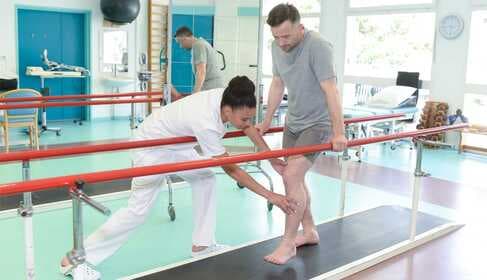
A nerve is a “communication cable” in your body. It carries information from the body to the brain and back, from the brain to the body. Nerves transmit both sensory and motor impulses. Impulses sensing touch, pressure, temperature and body position travel towards the brain, while motor signals travel towards the muscles. Nerve damage can therefore cause impaired, reduced or even completely lost sensation or movement.
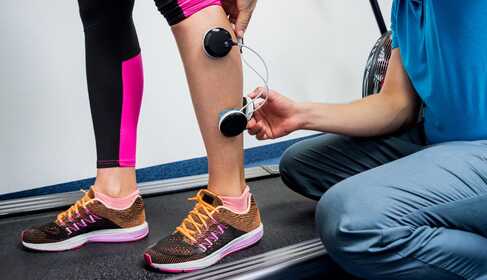
The operation was successful, and the doctor is satisfied – but the story does not end there. Rehabilitation is the process in which you learn to walk, grasp, work and live again. And here is the problem: the capacity of the Hungarian rehabilitation system is limited, waiting lists are long, and by the time your turn comes, the “golden window” in which you could achieve the greatest improvement has often passed. In this article, I’ll show you why the timing of rehabilitation is critical and how you can complement specialist care with treatment at home.

The autonomic (vegetative) nervous system is the regulatory system of the human body that operates independently of our will – i.e., automatically – controlling vital functions: heart rate, breathing, digestion, blood pressure, sweating, pupil responses, and immune and hormonal reactions. It consists of two main parts: the sympathetic ("fight or flight") and the parasympathetic ("rest and digest") nervous systems, whose balance fundamentally determines your physical and mental well-being.
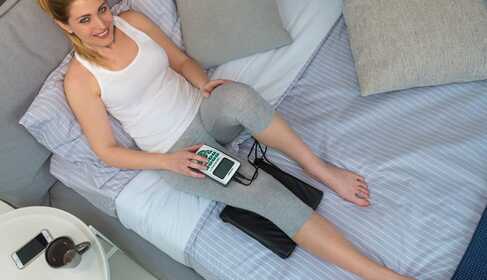
Magnetotherapy – known in medical terminology as PEMF (Pulsed Electromagnetic Field) therapy – is a physiotherapy method that uses electromagnetic energy to support tissue regeneration. It may be used mainly for bone fractures, osteoporosis, osteoarthritis, arthritis and other musculoskeletal complaints. In this comprehensive guide, I explain how the method works, the contraindications and the practical details of its use.
Chronic inflammation is one of the most common conditions of our time. Its causes are diverse but are largely found in lifestyle. Let's look at the most important things to know.
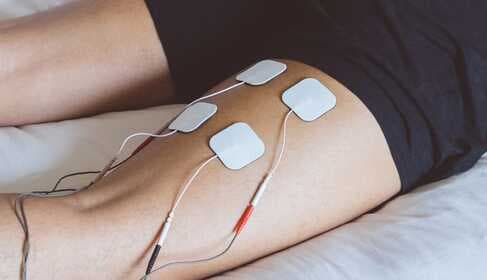
A 10-day rest for an ankle sprain, 4–6 weeks of limited movement after knee surgery, an intensive care stay or simply the natural reduction in activity with advancing age — each of these situations leads to noticeable loss of muscle strength. The good news: the process is largely reversible if you follow the right recovery strategy. One documented component is electrical muscle stimulation (EMS), which recent 2020+ clinical studies consistently find useful in rehabilitation.

Regular physical activity is an essential part of a healthy lifestyle. It not only helps keep your body in shape, but also offers many health benefits that contribute to a long and disease-free life.
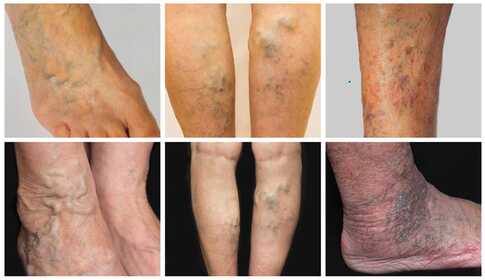
A leg ulcer is an open wound on the leg that does not heal, or heals only very slowly. In 80–90% of cases, it develops as a result of varicose vein disease and/or diabetes; a smaller proportion has an arterial origin. The skin becomes thin and a shallow “hollow” forms. Healing is extremely slow – and even when it does heal, the ulcer tends to recur. You can read many articles about this, but they rarely mention what you can do at home to support improvement. In this article, I present the muscle-stimulator (EMS/FES) protocol.
“I was admitted to hospital in a serious condition. Over a few days things improved a lot, but I am far from how I was before. Yet they discharged me today, which I don’t understand. What can I do to get back to my previous health?” – Many people ask roughly the same question. I will explain why this happens.
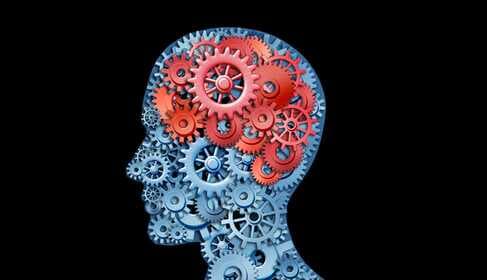
Neuromodulation refers to modifying or regulating nervous system activity using various techniques, often employing electrical or chemical stimulation. Its main goal is to alter the functioning of neural networks to achieve a therapeutic effect in the treatment of neurological or psychiatric conditions. Types of neuromodulation Electrical neuromodulation Electrical neuromodulation modifies the activity of neural pathways using electrical impulses. It is divided into invasive and non-invasive methods. Invasive electrical neuromodulation […]
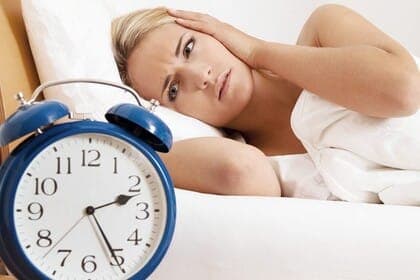
Sleep is the body's natural state of rest and an essential biological need. Good-quality sleep in sufficient quantity is vital for maintaining health. Persistent sleep disturbance can lead to serious illnesses. Sleep disorder, also known as insomnia or sleeplessness, means insufficient sleep in terms of quantity and/or quality.

