Blog
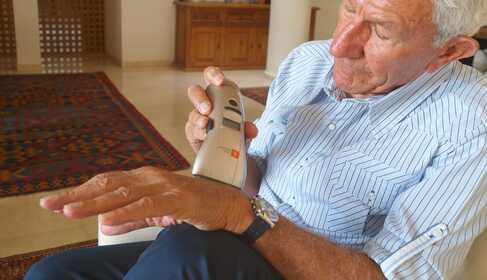
If you've already read about the possibilities of home medical technology, you’ve probably wondered: if these devices can really be that useful, why haven't you heard about them? Why didn't your GP, rheumatologist, or physiotherapist recommend them?
That's a fair and important question. The answer is complex — and it's not about doctors being malicious or deliberately withholding information. The situation is much more complicated.
If you want a more detailed explanation of what these devices are actually for, read my comprehensive article What is home medical technology for?.
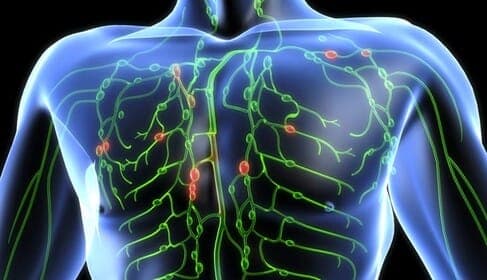
The lymphatic system is one of the key lines of defense for our health. As a practicing physician I have met patients every day who came worried about swollen lymph nodes, i.e., a palpable lymph node. This article discusses the enlargement of lymph nodes. The role of the lymphatic system in your body You have a few hundred lymph nodes whose primary task is to defend against pathogens. These pea- or bean-sized organs [...]

Staying healthy for life, preventing diseases. This is such an important goal that younger generations should take up as their banner — learning from their parents' mistakes. If you are Hungarian, you can expect to have at least one chronic disease by the age of 55–60. As a consequence, you will spend the last 20–30 years of your life struggling with illness and suffering from complaints. You will not enjoy your old age while ill. Disease will hinder you at work, leading to impoverishment, and because of your complaints you will rely on others' help. Sounds awful? It is! You should prevent all of this! Only you can act in your own interest.
Muscle stimulation is a modern method for treating muscles. Based on their use, two main forms are generally distinguished. Whole Body Electrical Muscle Stimulation (WB-EMS) and Neuromuscular Electrical Stimulation (NMES) devices actually apply the same type of impulses, but their modes of application and objectives differ significantly. Both forms are effective, but it is worth knowing their advantages and limitations.

Recently, I came across this picture on Facebook. It illustrates today's healthcare situation well, and even more so the mindset of many patients. This is not only the case in our country, but also in countries with advanced healthcare systems. But what do I read into this single picture? What could I pass on to you so that you can learn from it?

What is grounding, or in Hungarian „földelés”? Grounding (or earthing) means making direct contact with the Earth, for example by standing barefoot on the ground or by using a product that is grounded. This connection allows your body to take on the Earth's natural electric charge, which supplies electrons to the body. Research suggests these electrons may reduce [...]

If you have ever experienced that lightning-like, agonizing pain in your face that strikes out of nowhere – triggered by eating, speaking, or even a light breeze – you know how helpless trigeminal neuralgia can make you feel. This condition is one of the most intense pain experiences a person can endure. The good news: softlaser therapy can provide an effective, drug-free means to ease your symptoms.
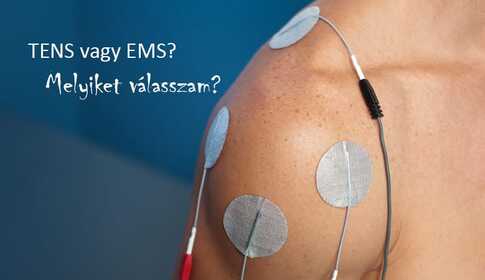
In the world of home electrotherapy devices, a frequent question is what is the difference between TENS, EMS and MENS (microcurrent). All three methods act on tissues with electrical impulses, but the target tissue, frequency, intensity and indications differ. Choosing the appropriate method depends on your complaint.
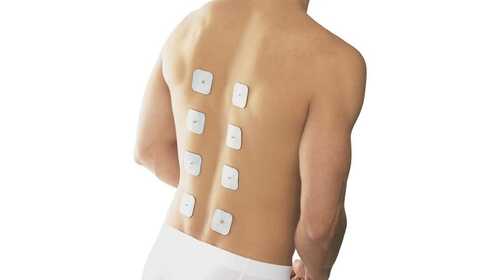
Back muscle strengthening may be needed for many reasons. The main aim is to improve spinal stability. Nowadays, back pain is a common complaint because of sedentary work and too little exercise. In this article, you will find a generally applicable 3-month programme that can help strengthen your back muscles without risking worsening pain, developing a slipped disc or even surgery. In earlier articles (for example, this one) I explained why this is effective, so here I will focus only on what you need to do during treatment.
Respiratory allergy is the immune system's overreaction to allergenic substances that enter the airways. An allergen is a substance that provokes an excessive immune response in individuals prone to allergies.

Modern lifestyle factors — chronic stress, sedentary work, sleep disturbance, sensory overload — cause sympathetic dominance of the autonomic nervous system in many people. Increasing the parasympathetic tone — for example with non-invasive vagus nerve stimulation (tVNS) — is the subject of an increasing number of recent clinical trials investigating how it may contribute to the treatment of chronic, inflammatory and autonomic-origin complaints. In this guide we review where the clinical evidence is strong, where results look promising, and where cautious wording is still required.