
Blog

Radiotherapy – also known as radiation therapy – is one of the main treatments for cancer. It uses high-energy ionising radiation to damage the DNA of cancer cells and prevent them from dividing and growing. Modern radiotherapy is precise: it concentrates radiation on the target area while sparing the surrounding healthy tissues as much as possible. This is achieved with imaging techniques (CT, MRI), 3D planning and intensity-modulated radiotherapy (IMRT, VMAT) techniques.

It is proven that one of the main causes of most diseases is lifestyle. Unhealthy diet, lack of exercise, constant stress, harmful addictions, etc. slowly and progressively destroy your body.
The damage caused by lifestyle can be compensated and counterbalanced by the body for a long time. Moreover! It is able to reverse the condition, to restore health, if.... if you change in time.

The exercise ECG test examines the condition of your heart. On a bicycle or treadmill ergometer you are subjected to gradually increasing workload (that is, you are expected to walk/run faster or pedal faster) while your heart's electrical activity and your blood pressure are recorded. Diagnostic conclusions are drawn after analyzing the data. During a resting ECG examination the heart's resting [...]

Seasonal affective disorder is a type of depression that occurs in connection with the changing seasons. It is known by many names, such as seasonal depression, winter or summer depression, and sometimes referred to as Blue Monday. It causes significant changes in mood and behavior, so it’s worth taking seriously. The symptoms of seasonal affective disorder follow a seasonal pattern, meaning they appear at the start of a season and […]
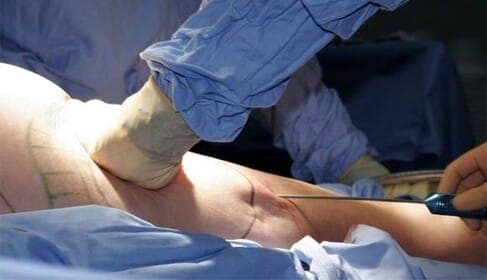
Liposuction, also called lipoplasty or body contouring, is a plastic surgical procedure in which subcutaneous fat tissue is removed from certain areas of the body—such as the abdomen, hips, thighs or arms. As a result, the shape and contour of these areas improve. What should you know about adipose tissue? An average adult has about 30 billion fat cells. Fat tissue is made up of these fat cells and is [...]
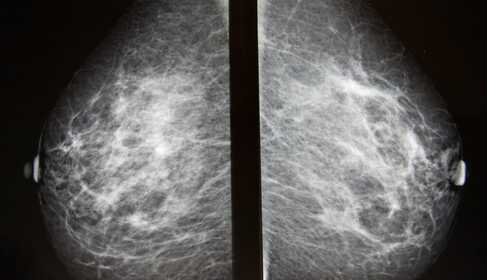
Regular participation in screening examinations could prevent a large proportion of breast cancer, which is a leading cancer among women aged 45 to 65. In addition, 'self-examination' can also play an important role in reducing the number of women who die from breast cancer. Imaging tests, such as breast ultrasound and mammography, can help early [...]
Magnetotherapy is a widely used physiotherapy method in Western Europe. However, in our country it is used far less than it deserves. The electromagnetic energy is produced by a current flowing through a coil. Magnetotherapy accelerates microcirculation and tissue regeneration processes. In this article you can read which conditions magnetotherapy is suitable for. Here I write about how to apply magnetotherapy to achieve the best possible results.

Non-invasive transcutaneous auricular vagus nerve stimulation (tVNS) is one of the most intensively researched neuromodulation technologies of recent years. A range of at-home, over-the-counter, ear-clip electrode devices are available — each stimulates the auricular branch of the vagus nerve but differs in technological characteristics, clinical evidence portfolio and target user. In this guide I compare three devices available in the Medimarket portfolio — Nurosym, Zenowell Vita and Zenowell Luna.

If you have suffered a bone fracture, you know exactly how frustrating the long healing time can be. The cast, restricted movement and impatience about when you will be “your old self” again. The good news is that your body can “knit” bones back together – but this process takes time. The even better news: there are methods that may support this natural healing process. These include magnetotherapy – or, as it is called in the scientific literature, PEMF (pulsed electromagnetic field) therapy. In this guide, you will learn how magnetotherapy may support bone fracture healing and how you can use it at home.
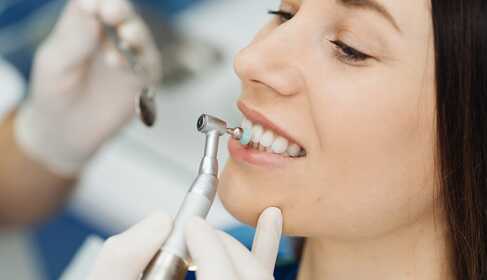
Most of you are probably already familiar with the term dental hygienist, and I’ve even heard you call this type of professional an oral hygienist. However, if asked to explain exactly which areas fall within their scope, you might find it difficult — I’d like to fill that gap now with this summary article.

The steroid injection is a popular therapeutic method that can help relieve pain and inflammation in a specific area of the body. It is most often used to treat joint or periarticular complaints — for example ankle, elbow, hip, knee, shoulder, spine or wrist.
In our country people usually say “steroid injection”, while Anglo-Saxon doctors often use the term “cortisone shot” (cortisone injection). The injectable solution typically contains a drug from the corticosteroid group and a local anesthetic.
In this guide you can learn everything about steroid injections: when they may be useful, what risks they carry, and what you should do before and after administration.

