
Blog
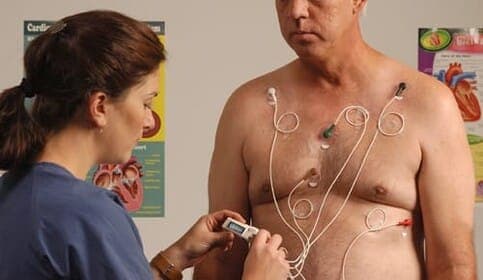
Diagnosing certain heart conditions can be challenging. This is especially true for those that occur only occasionally, at unpredictable times, come on suddenly and last for a short time. Examples include some arrhythmias or transient reductions in myocardial blood supply. Often, by the time you see a doctor and an ECG is taken, the heart may have returned to normal and no abnormality is visible. If such episodes recur, a Holter ECG test can help "catch" and identify the problem.

It has surely occurred in your family, among acquaintances, or coworkers: a malignant tumor, that is, cancer. You also know that even today there is not always a curative method for cancer and it claims many victims. There are many things already proven by science to cause cancer. Even more are suspected of contributing to its development, and countless others are suspected. But one can never say in a given case which factors initiated the pathological process. Science records numerous risk factors whose awareness can help prevent and avoid tumors. In this article I go through these.
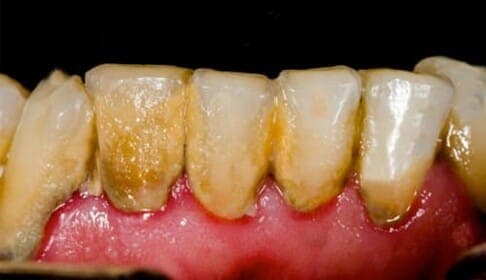
As a professional, I often encounter that the health of our teeth does not get much attention until a more serious problem appears – for example pain, inflammation, or allergic reactions. I remember my parents often telling me to take care of my eyes, my face, my heart, my joints, but that I should also look after my teeth — that somehow never came up. Of course, they always tried to make sure I brushed at night and that I didn't eat so many sweets, but somehow it never felt like a very big issue.
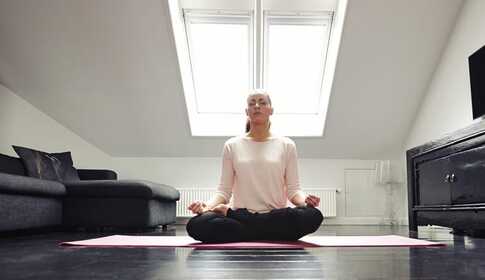
“Meditation means more than sitting under a tree and daydreaming. Meditation is the highest form of awareness. Meditation means noticing what kinds of thoughts, feelings, concepts, and beliefs touch us, and recognizing that there is a ‘pause,’ a choice, and that we do not have to respond to everything automatically.” Kurt Tepperwein Meditation is a mental state in which [...]
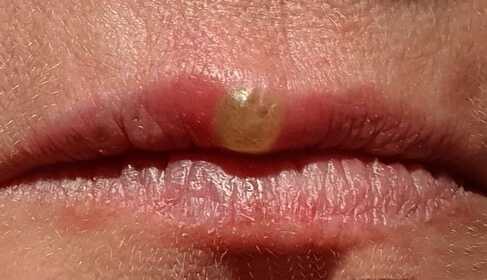
In this article, I present a real case study documented with photographs: how herpes symptoms changed during soft laser treatment. If you are looking for comprehensive information about soft laser treatment for herpes, read our detailed guide, Soft laser treatment for herpes – Home therapy.
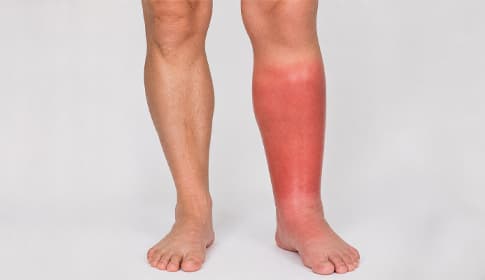
Erysipelas, also known as orbánc, is a bacterial skin infection that typically affects the face, legs, arms or other skin areas. The most common pathogen is the bacterium Streptococcus pyogenes, which enters through breaks in the skin and causes the infection.
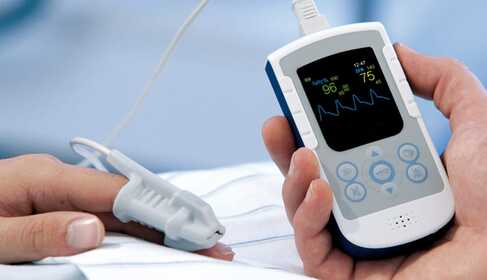
Regular at-home monitoring of the blood's oxygen-carrying capacity and condition is necessary in heart and respiratory diseases and in anemia. A pulse oximeter device provides this.
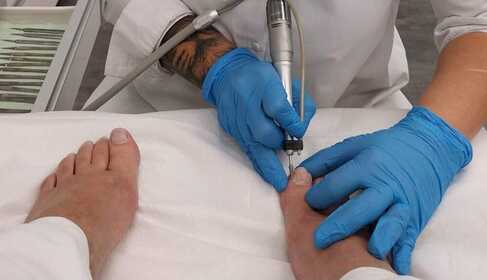
For foot-related complaints it's worth consulting a professional. Few people probably know exactly how a pedicurist, podiatrist or special foot care professional can help. These occupations are related. To help clarify, I asked Anna Németh, master special foot care practitioner, lecturer and instructor, for her input. Dr. Zsolt Zátrok (ZZs): What are the roles of the pedicurist, the podiatrist and the special foot care professional? Anna Németh (AN): All three professions deal with foot problems, but their training and competencies differ.
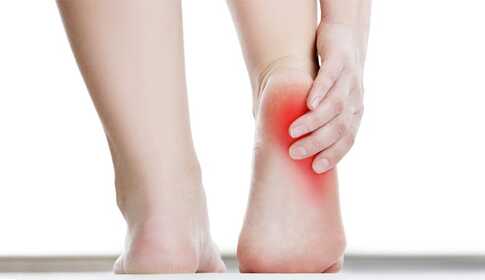
Acetic acid iontophoresis is a non-invasive electrotherapy procedure in which a mild direct current (DC) delivers acetic acid to the heel spur area of the heel bone (calcaneus), or to other calcified soft-tissue lesions (such as calcific shoulder tendinopathy). The aim of treatment is to ease chronic pain and reduce the mechanical effect of calcium deposits – not to “dissolve the heel spur”. In this guide, I will explain what recent clinical evidence says, what mechanism may be behind the method, and what its limitations are.

More and more people are questioning today's medical practice — specifically that almost every problem is expected to be "fixed" with medication. For most chronic patients, lifelong drug therapy produces little better results than doing nothing. A medicine does not move your muscles or joints. It does not change what you eat, or which harmful habit is destroying you. Public thinking about healing is outdated and overdue for renewal. Everything calls out for a change of approach. Lifestyle medicine is a new movement that may offer better solutions for today's most common diseases than what can be expected from pills and surgeries.

Medical fitness is a healthcare service designed to help patients achieve the benefits of physical activity. Doctors, physiotherapists and medical fitness trainers work together to create an individual exercise plan that takes the patient's health condition and goals into account. Medical fitness programmes generally focus on conditions such as high blood pressure, diabetes, joint pain, excess weight and stress.

