
Blog
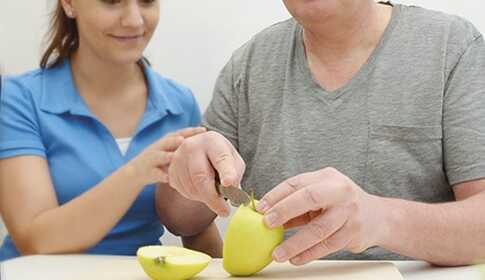
Stroke is a common and serious condition. Although immediate mortality is high, thanks to modern life-saving interventions there are now more survivors. However, survivors often face residual symptoms such as paralysis, speech problems, and difficulties with self-care. Very few are lucky enough to escape without any loss of function. Effective rehabilitation after stroke is essential. You must understand that recovery is a slow process — it can take years to "reclaim" a lost function. In our country the rehabilitation system is far from ideal, so you will mostly depend on yourself and your family. The biggest problems are lack of information and losing your motivation early and giving up continuous practice.
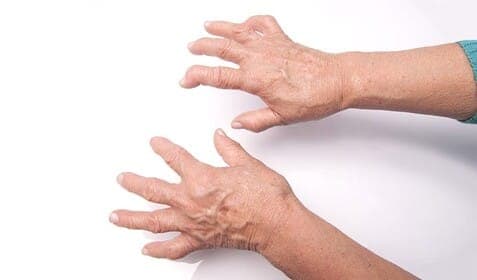
The rheumatoid arthritis (shortly RA or rheumatism) — that is, chronic polyarthritis — is one of the most severe forms of rheumatologic diseases and is accompanied by intense pain. In Hungary roughly 80–100 thousand people struggle with RA symptoms. Although in a smaller portion of cases it may even regress spontaneously, for the majority of patients the condition tends to slowly and continuously worsen over time. What causes […]
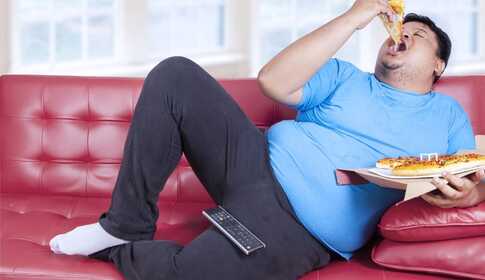
Recently I increasingly hear and read online appeals like “fat is beautiful, don't worry about it.” Groups form under slogans like “I accept that I'm fat.” In my opinion those who apply this to themselves are on the wrong track, because they don't take into account the consequences for their lives. That by age 45–50 obesity will make them sick and that they will live their last one or two decades suffering from avoidable diseases and within the limits imposed by illness. I will explain how.
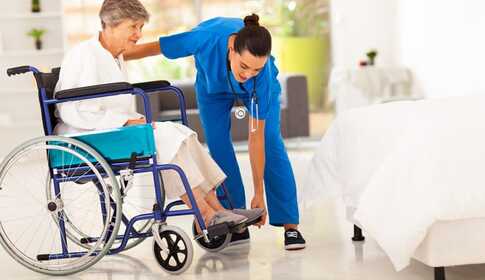
When a nerve is damaged – by an accident, herniated disc, surgery or illness – the muscle it controls loses its connection to the brain. The electrical impulse needed to move it no longer arrives, and the muscle becomes “silent”: it no longer contracts voluntarily, and atrophy begins. This condition is called denervation, and the affected muscle is a denervated muscle.
Contraction is essential to muscle function. If a muscle receives no impulses for months, its fibres gradually break down and are then replaced by connective tissue. This process may be irreversible if we do not intervene in time. Electrical stimulation acts as a “bridge”: it supplies the impulse from outside that the muscle needs to maintain itself.
The real challenge, however, is that a denervated muscle does not respond to standard EMS impulses. It requires a completely different type of current – and most people do not know this. Let’s look at why.
In my blog I write about countless topics. About devices and their applicability to diseases. Now I have a slightly different offer. You can receive health-related tips by email.
Are you interested in the latest in medical technology or would you like to "look behind the scenes"? Learn more about what healing is and what actually heals? On what basis does a doctor make decisions? If so, this will be interesting for you!
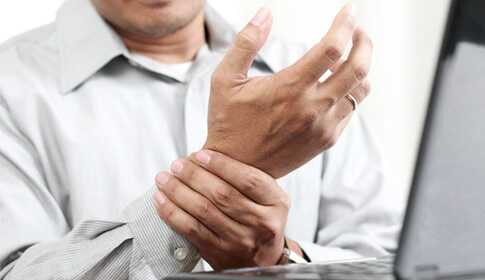
Your muscles are connected to your bones by tendons. Where a tendon runs over a bone near a joint – at the wrist, hand or ankle – it slides through a protective “tunnel” called the tendon sheath. The inside of the sheath is lined with lubricating fluid so that the tendon can move freely. As long as everything is fine, you don't even notice it exists.
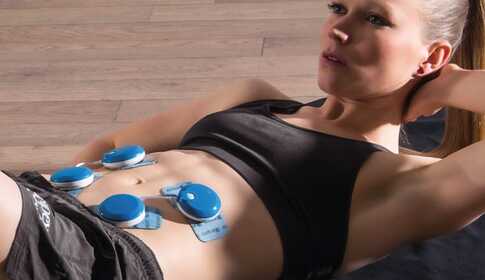
EMS (Electric Muscle Stimulation, in Hungarian electrical muscle stimulation) is one of the most researched home electrotherapy methods. It has been used for decades by athletes, rehabilitation clinics and posture-correction programs, yet it remains less known in the general Hungarian public than international literature would suggest. In this article I summarize how EMS works, what it can do beyond voluntary movement, and in which cases it is worth using at home.
Muscle stimulation (EMS) is an electrotherapy procedure used to treat striated (skeletal) muscles. Depending on the electrical impulse settings, its effects may include improved circulation, recovery of muscle strength, increased muscle mass, delayed atrophy, and relief of stiffness and cramps. While EMS is mainly a training support tool on sports pages, clinically it plays a multifaceted role in disease treatment and rehabilitation.

The ankle joint is a complex network of bones, ligaments, tendons and muscles. It is strong enough to support the weight of your body and allows movement. Nevertheless, it is prone to injury and the development of ankle pain. You can feel ankle pain both inside and outside the ankle. It may also occur along the Achilles tendon, which connects the calf muscles to the heel bone. Although ankle pain most often responds well to home treatments, completely eliminating it can take time.
The American College of Physicians (ACP) recommends a drug-free method — soft laser treatment — as the first option for treating low back pain. The ACP, or the American College of Physicians, with nearly 150,000 members is the second-largest medical society in the United States. The professional body already held in 2007 that drug-free approaches should be used first for low back pain; since then new research has supported their view […]
If you struggle with chronic pain, musculoskeletal complaints or respiratory disease, you know how frustrating the waits, travel and appointment logistics can be. The good news is that many therapeutic methods are now available for home use too – under medical supervision, but used in the comfort of your own living room.
In this guide I will show you what you need to know about home medical devices: what they are for, how they work, and how to choose the right one for you. I am not talking about miracle cures, but about supplementary therapeutic options that can help improve your quality of life alongside medical treatment.

