
Blog
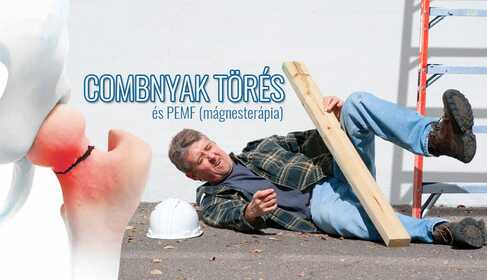
If you suffered a femoral neck fracture, or a family member went through this serious injury, you know how challenging the period after it can be. A femoral neck fracture is one of the most dangerous types of bone fractures and requires specialized rehabilitation.
The good news is that pulsed electromagnetic field (PEMF) therapy has become part of modern rehabilitation and can be used as an adjunct treatment to support bone healing and relieve pain.
If electricity didn't exist, you wouldn't be able to read this article now. Not only because your computer wouldn't work, but because without electricity your brain wouldn't either! Every movement, thought and emotion is based on electrical signals. These make possible, control and direct the functioning of your body.
If you exercise, you know how much tiring work it takes to build muscle and to increase strength and endurance. You also know how quickly a few weeks without training can worsen these. Two to three weeks off and half a year of work can be lost. Gyms, pools and sports halls close. For now you can still run or cycle outdoors, but based on the news from Italy you may only be able to do that for a few more weeks. After that you will be confined between four walls and can only train at home. In such a situation it is worth considering acquiring a sports muscle stimulation device. It will be useful for maintaining muscle condition.
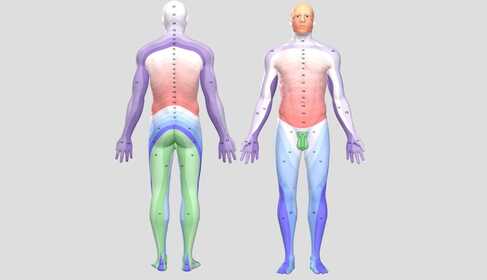
A dermatome is the strip of your skin whose sensations — touch, pain and temperature — are carried towards your brain by a single spinal nerve root. A total of 31 pairs of nerve roots leave the spinal cord (8 cervical, 12 thoracic, 5 lumbar, 5 sacral and 1 coccygeal), and each has its own area of skin: your body is therefore divided — invisibly to your eyes — into regular “segments”, like a map. The cervical roots supply the arm, the thoracic roots supply the trunk in belt-like bands, and the lumbar and sacral roots supply the leg.
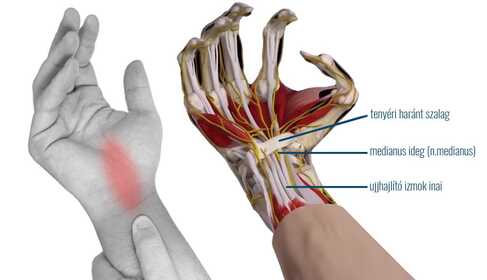
Tunnel syndrome is one of the most common musculoskeletal disorders today. It is a condition in which nerves running through anatomical “tunnels” in various parts of the body become compressed. These tunnels are formed by muscles, ligaments and bones. When inflammation or swelling occurs in this narrow space, the nerves are compressed, causing various symptoms in the affected areas.
“Health is not everything, but without health everything is nothing” – says a Chinese proverb. The problem is that you usually only understand this when your health is lost. Unfortunately, many still do not. Most live in the belief that restoring health is the doctor's job. They are convinced that if they take a few pills or undergo an operation, they can continue to harm their body for decades as they did before the illness. This is a complete misunderstanding of healthcare and the role of doctors. The patient expects something they cannot get from them. Why? That is what this article is about, and also about how medical technology finds its way into homes.
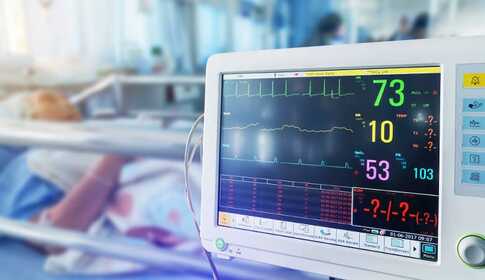
Today most doctors believe in the biochemical origin of diseases and therefore try to treat them with drugs. Billions of people take medicines every day, yet the number of registered patients does not decrease — it steadily increases. I suspect that the concept of a pill for everything is flawed. After all, life is not made up solely of chemically arranged molecules!

Erectile dysfunction (erectile disorder) — commonly called “impotence” — is a frequent problem affecting men. It occurs when, despite sexual desire (libido), sufficient penile rigidity does not develop, or an erection occurs but its firmness or duration is reduced. This can make intercourse difficult or impossible, significantly lowering the pleasure and quality of sexual relations. This article reviews its background, prevention, and drug-free treatment options.
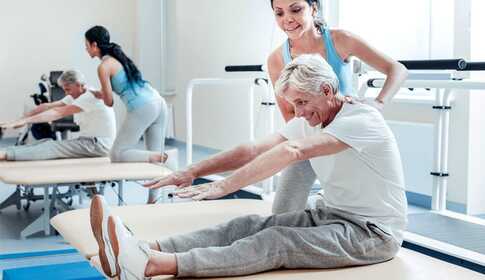
Paralysis is a condition that completely ruins quality of life. If an arm, a leg, or even both do not move, it hinders not only work but also everyday activities and even the ability to care for yourself. In countries with advanced healthcare systems, the rehabilitation of paralyzed patients is based on modern technology and every effort is made to reduce the degree of paralysis. Based on information from those who turn to me, it seems Hungarian patients either do not receive meaningful information or they do not understand the professionals. Yet their whole future actually depends on whether they get the appropriate rehabilitation. Are they informed about what they must do themselves for improvement and how long rehabilitation may take?
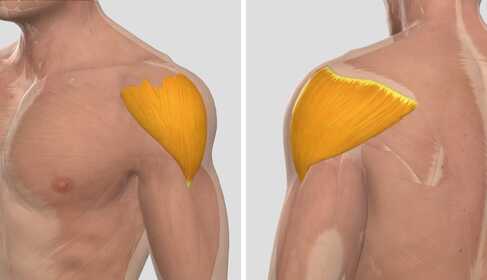
The shoulder joint is the most mobile joint in the body – and this mobility is made possible by a thin, flexible joint capsule. Frozen shoulder (medically known as adhesive capsulitis, formerly called periarthritis humeroscapularis) means that this capsule becomes diseased: inflammation develops in it, the connective tissue thickens and scars – the normally 3–4 millimetre capsule may swell to 1–2 centimetres – and the shoulder literally “freezes” inside its own capsule.

Balázs Bicskei (an Ironman finisher) runs a business with his brothers. They build artificial turf sports fields, rubber-surfaced sports and running tracks, and playgrounds. The company has been growing nicely, the workload increased, and over the past years he gradually had less and less time for exercise. As the company leader he mostly did office work: sitting in the office, in the car, at business meetings. He quietly gained a few kilos. Then one day his lower back started to hurt. Off to investigations: CT, MRI… "Herniated disc!" they said. "No surgery yet! Take pain relief if needed!" Months went by and his complaints got worse. Slowly even tying his shoes became difficult because the muscles around his lower back had stiffened and hurt so much that they prevented him from bending forward… it was then he found my article about herniated discs…

